


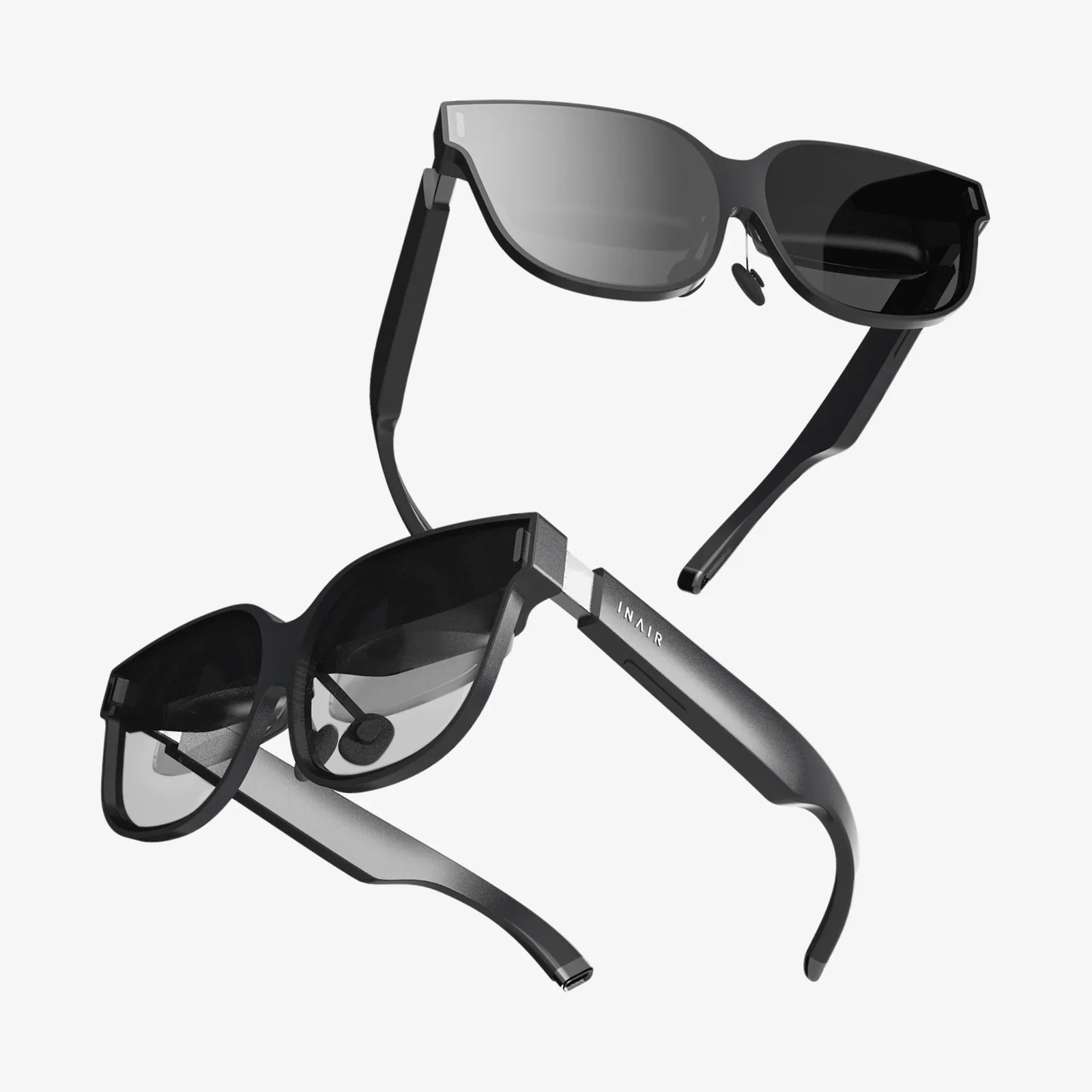
Imagine slipping on a device so lightweight and clear it feels like a pair of sunglasses, yet it instantly transports you to a hyper-realistic digital realm indistinguishable from physical reality. This isn't a scene from a science fiction novel; it's the promise held by the next generation of hardware, a VR headset coming 2025, set to redefine the very boundaries of human experience and digital interaction. The anticipation is palpable, a quiet hum building within tech circles, signaling a leap so profound it will make current technology feel like a primitive prototype. This is not merely an incremental update; it is a fundamental reimagining of what is possible when we bridge the gap between the human senses and the digital ether.
The Architectural Pillars of the 2025 VR Revolution
The transformative potential of the VR headset coming 2025 is not born from a single miracle component but from the harmonious convergence of several groundbreaking technologies, each reaching maturity at the same pivotal moment. These pillars will work in concert to eliminate the long-standing barriers to immersion—visual fidelity, comfort, interaction, and connectivity.
Visual Fidelity: The Pursuit of Photorealism
The most immediate and jaw-dropping advancement will be in display technology. The dream of achieving "retina" resolution in VR—where the human eye can no longer discern individual pixels—will become a mainstream reality. This will be delivered through two key innovations:
- Micro-OLED and Micro-LED Panels: These technologies allow for incredibly high pixel densities packed into much smaller screens, dramatically boosting resolution while simultaneously reducing the overall size and weight of the headset. Expect resolutions exceeding 4K per eye, eliminating the dreaded "screen door effect" once and for all.
- Pancake Lenses: Replacing the bulky Fresnel lenses used in many current headsets, compact pancake optics fold the light path, allowing for a dramatically slimmer headset profile. This shift is crucial for moving away from the front-heavy, ski-goggle design towards a more balanced, glasses-like form factor.
Furthermore, High Dynamic Range (HDR) capabilities will introduce a much wider range of contrast and color, making virtual scenes burst with vibrancy and life. Shadows will feel deep and real, bright lights will genuinely glow, and the virtual world will possess a luminosity that tricks the brain into accepting it as authentic.
Form Factor: The Invisible Computer
The clunky, cumbersome, and often isolating nature of existing hardware has been a significant barrier to widespread adoption. The VR headset coming 2025 will address this head-on with a radical redesign focused on wearability and social integration. The goal is a device you can wear for hours without fatigue, both physical and social.
- Ultra-Lightweight Materials: Advanced polymers and carbon fiber composites will replace heavier plastics, bringing the weight distribution closer to that of a hat or a pair of ski goggles.
- All-in-One (AIO) & Wireless Dominance: While high-end tethered headsets will still exist for the utmost performance purists, the mainstream market will be dominated by powerful, fully wireless AIO devices. Thanks to more efficient, custom-built processors, these headsets will handle complex rendering tasks locally without the need for a bulky external computer or battery pack, granting users complete freedom of movement.
- See-Through AR Capabilities: A flagship feature will be high-fidelity, full-color video pass-through. Using advanced outward-facing cameras, the headset will be able to blend the real world with the virtual one seamlessly or switch to a full augmented reality (AR) mode. This means you can see your physical surroundings with clarity, interact with your coffee mug, or see the expressions of a friend in the room with you, all without removing the headset. This solves the social isolation problem and opens up a universe of mixed-reality applications.
Interaction & Control: Beyond the Handheld Controller
How we interact with the virtual world is set for its own revolution. While haptic controllers will remain a primary method for gaming, the future lies in more intuitive, natural input systems.
- Inside-Out Body Tracking: Cameras and sensors on the headset itself will be able to track your entire body, including fingers, arms, torso, and legs, without the need for external base stations or wearables. Your avatar will mimic your every movement with uncanny accuracy, from a subtle shrug to a full-body dance.
- Advanced Haptics: Haptic feedback will evolve from simple vibrations to nuanced sensations. You might feel the texture of a virtual object, the resistance of pulling a bowstring, or the gentle pressure of a hand on your shoulder. This could be delivered through gloves, suits, or even innovative actuators within the headset's headstrap.
- The Dawn of Brain-Computer Interfaces (BCI): While likely in its early stages for consumer devices in 2025, we may see the first rudimentary integration of BCI. This wouldn't mean controlling games with your thoughts, but rather using neural data to enhance experiences—detecting focus, relaxation, or surprise to adapt the narrative of a story or change the virtual environment's ambiance in real-time.
Processing Power & The AI Co-Pilot
Driving these immense visual and interactive capabilities will be a new generation of chipsets designed specifically for spatial computing. These processors will go beyond raw graphical power, featuring dedicated cores for:
- Computer Vision: Processing the immense data from the headset's cameras for tracking, mapping, and understanding the environment instantly.
- AI Acceleration: On-device artificial intelligence will be the invisible engine of immersion. AI will be used for:
- Foveated Rendering: Using eye-tracking, the AI will render the exact spot you're looking at in ultra-high detail while subtly reducing the detail in your peripheral vision, a massive performance saving that allows for photorealistic graphics without overloading the processor.
- Real-Time Environment Mapping: Instantly scanning and understanding the geometry, textures, and lighting of your physical room to blend and anchor virtual objects within it perfectly.
- Avatar Animation: Using AI to fill in the gaps of tracked movement, creating lifelike and natural avatar animations that don't require a perfect 1:1 capture of every muscle twitch.
Software & Experiences: Building Worlds Worth Inhabiting
The most powerful hardware is useless without compelling software. The VR headset coming 2025 will be the catalyst for a new golden age of content, moving beyond short-form experiences and tech demos into fully-fledged, persistent digital worlds.
- The Metaverse Matures: The concept of a interconnected network of virtual spaces will begin to solidify. Interoperability between platforms, while still a challenge, will see significant progress, allowing your digital identity and assets to move more freely between different experiences developed by different companies.
- Productivity Reimagined: Imagine working at a virtual desk with multiple massive, floating screens, collaborating with 3D models as if they were physical objects on your table, or attending a meeting where remote colleagues appear as lifelike holograms sitting across from you. The VR headset will become the ultimate tool for remote work and design.
- Immersive Socialization: Social platforms will leverage full body tracking and expressive avatars to create a sense of presence that video calls can never match. Sharing a virtual concert, exploring a digital museum, or simply hanging out in a virtual living room will feel profoundly real and connective.
- Next-Gen Gaming: Games will become vast, persistent worlds that leverage all the new sensory inputs. They will be more adaptive, emotionally intelligent (thanks to AI and biometric data), and physically immersive than anything possible today.
Challenges on the Horizon
Despite the exciting potential, the path forward is not without its obstacles. The VR headset coming 2025 will have to navigate several critical challenges:
- Power Consumption & Battery Life: Packing this much technology into a small form factor creates a immense power drain. Achieving all-day battery life will be a significant engineering hurdle, likely requiring breakthroughs in battery technology or hyper-efficient power management.
- The Content Chasm: There is a risk that the hardware will arrive before developers have fully mastered it and created a robust library of must-have experiences that justify the investment for the average consumer.
- Privacy and Ethics: These devices will be the most intimate consumer sensors ever created, with cameras and microphones that map your home, track your body, and potentially even interpret your biometric data. Robust, transparent data policies and on-device processing will be non-negotiable to gain public trust.
- Accessibility and Cost: Cutting-edge technology commands a premium price. For this revolution to be truly mainstream, it must eventually be accessible to a broad audience, not just early adopters and enthusiasts.
The whispers and rumors coalescing around the VR headset coming 2025 point to something far greater than a simple hardware refresh. We are standing at the precipice of a new platform shift, akin to the move from command-line interfaces to the graphical desktop or from feature phones to smartphones. This imminent leap promises to dissolve the final barriers between our physical and digital lives, offering not just a new way to play games, but a new canvas for human creativity, connection, and exploration. The headset is no longer just a peripheral; it is becoming a portal, and 2025 is the year we finally step through.
Share:
Why Is My VR Headset Not Connecting to WiFi? The Ultimate Troubleshooting Guide
Why Is My VR Headset Not Connecting to WiFi? The Ultimate Troubleshooting Guide