


- von wangfred
3d immersive viewing system and the Future of Digital Experiences
- von wangfred
Imagine stepping into a movie instead of just watching it, walking through a historical event instead of merely reading about it, or examining a product from every angle without leaving your couch. A 3d immersive viewing system is turning these once futuristic scenes into everyday reality, and the shift is happening faster than most people realize. Whether you are a creator, a business owner, a gamer, or simply a curious viewer, understanding how these systems work and where they are headed can give you a powerful edge in the digital world.
A 3d immersive viewing system is a combination of hardware, software, and content designed to make users feel as if they are inside a three-dimensional digital environment. Instead of passively looking at a flat screen, the viewer experiences depth, spatial audio, and responsive visuals that change with head or body movement.
These systems typically combine several elements:
The goal is to blur the line between the digital and physical worlds so convincingly that users feel presence: the psychological sensation of “being there” in a virtual or augmented space.
A 3d immersive viewing system is only as good as the technologies that power it. Several key components work together to create the illusion of depth and presence.
One of the most recognizable aspects of a 3D experience is stereoscopic vision. Humans perceive depth because each eye sees a slightly different image. A 3d immersive viewing system replicates this by delivering separate images to each eye, either through specialized glasses, head-mounted displays, or advanced screens.
Key display approaches include:
Immersion depends heavily on how accurately the virtual world responds when you move. A 3d immersive viewing system uses tracking technologies to monitor the position and orientation of the user’s head, hands, and sometimes entire body.
Common tracking methods include:
High-quality tracking reduces motion sickness, improves interaction accuracy, and makes virtual environments feel stable and believable.
Behind every convincing 3D scene is a powerful rendering engine. A 3d immersive viewing system relies on software that can generate detailed 3D graphics in real time, at high frame rates, and with low latency.
Important aspects of rendering include:
Visuals alone are not enough. A 3d immersive viewing system often includes spatial audio, where sound appears to originate from specific directions and distances within the virtual environment. This enhances realism and helps users navigate and understand the space.
Additionally, haptic feedback devices can provide tactile sensations, such as vibrations or resistance, when interacting with virtual objects. Together, spatial audio and haptics deepen immersion by engaging multiple senses.
Not all 3D immersive experiences are the same. A 3d immersive viewing system can be configured in different ways depending on the level of immersion, mobility, and interaction required.
Virtual reality systems fully immerse the user in a digital environment, blocking out the physical world. The user typically wears a head-mounted display and often uses controllers or hand tracking to interact.
VR is ideal for:
Augmented reality overlays digital elements onto the real world. Instead of replacing reality, a 3d immersive viewing system in AR mode enhances it with 3D graphics, information, and interactive elements.
AR is particularly useful for:
Mixed reality goes a step further by allowing virtual and physical objects to interact in realistic ways. In a mixed reality 3d immersive viewing system, digital objects can appear to sit on real tables, hide behind real furniture, or respond to physical obstacles.
This approach is valuable for:
Not every system that claims to be immersive delivers a satisfying experience. Several features distinguish high-quality 3d immersive viewing setups from mediocre ones.
A narrow field of view can make users feel like they are looking through a tunnel. A 3d immersive viewing system with a wide field of view more closely matches human vision and enhances the sense of presence.
High resolution is equally important. Pixelated images break the illusion, while sharp visuals help users focus on content rather than screen artifacts. Balancing resolution with performance is a central design challenge.
If a system is uncomfortable, users will not stay immersed for long. Comfort factors include:
Designers of a 3d immersive viewing system must consider long-term use, not just short demos.
Immersion increases when interaction feels intuitive. A 3d immersive viewing system can support:
Combining these methods allows users to interact in ways that feel closer to natural behavior.
Even the most advanced 3d immersive viewing system is only as compelling as the experiences it offers. A thriving content ecosystem includes:
Creators need accessible tools and clear standards to build and distribute content efficiently.
The impact of a 3d immersive viewing system extends far beyond entertainment. Many sectors are already adopting these technologies to improve performance, engagement, and decision-making.
Entertainment is often the first area people associate with immersive systems, and for good reason. A 3d immersive viewing system can:
Media companies are experimenting with formats that blur the line between watching and participating, giving audiences a level of engagement that traditional screens cannot match.
Gaming benefits enormously from immersion. A 3d immersive viewing system allows players to look around freely, use natural gestures, and experience game worlds at human scale. Competitive gaming can leverage these systems for new genres of esports where physical movement and spatial awareness are as important as reflexes.
In education, a 3d immersive viewing system can transform abstract concepts into tangible experiences. Students can:
Professional training also benefits, especially in fields such as aviation, medicine, emergency response, and engineering. Trainees can practice high-stakes scenarios repeatedly in a controlled virtual environment, gaining confidence and competence without real-world risk.
For architecture and engineering, visualization is critical. A 3d immersive viewing system allows stakeholders to:
Construction teams can use immersive models to coordinate tasks, plan logistics, and communicate complex information more clearly than with traditional drawings alone.
Healthcare is another area where immersion is making a difference. A 3d immersive viewing system can support:
These applications combine medical expertise with immersive technology to improve outcomes and patient engagement.
Retailers and manufacturers use a 3d immersive viewing system to help customers understand products before purchase. Examples include:
This approach can reduce returns, increase customer satisfaction, and provide valuable insight into consumer preferences.
While the potential of a 3d immersive viewing system is enormous, designing effective experiences requires careful attention to several challenges.
One of the most discussed issues is motion sickness, often caused by a mismatch between visual motion and the body’s sense of balance. To minimize discomfort, designers must:
Comfort is critical for long-term adoption, especially in professional and educational settings.
A 3d immersive viewing system should be accessible to as many people as possible. This includes:
Inclusive design not only expands the audience but also leads to better experiences for everyone.
A modern 3d immersive viewing system can collect detailed data about user behavior, movement patterns, and even eye tracking. This raises important questions about privacy and security.
Responsible implementation involves:
Trust is essential for widespread adoption, particularly in sensitive domains such as healthcare and education.
High-quality immersive experiences demand significant processing power and bandwidth. A 3d immersive viewing system may require:
As network technologies and hardware continue to improve, more users will be able to access high-end immersive experiences without specialized setups, but infrastructure remains a key factor today.
For individuals and organizations considering investment, it is important to evaluate systems carefully. Several criteria can guide the decision.
Start by clarifying the primary goals. A 3d immersive viewing system geared toward gaming may prioritize different features than one meant for industrial training or architectural visualization.
Questions to consider include:
For organizations, the practical aspects of deployment matter greatly. Key considerations are:
A 3d immersive viewing system should have access to relevant content libraries or allow custom content creation. Evaluate:
Technology evolves quickly. When selecting a 3d immersive viewing system, consider:
Planning for growth and change can help avoid costly replacements later.
The current generation of immersive systems is impressive, but many developments on the horizon promise to make them even more powerful and accessible.
Instead of relying solely on local hardware, a 3d immersive viewing system can offload heavy rendering tasks to the cloud or edge servers. This approach allows lightweight devices to deliver high-end visuals by streaming the rendered output.
Benefits include:
Future systems will increasingly rely on natural interaction methods such as hand tracking, full-body tracking, and conversational interfaces. A 3d immersive viewing system that understands gestures, gaze, and speech can feel far more intuitive and responsive.
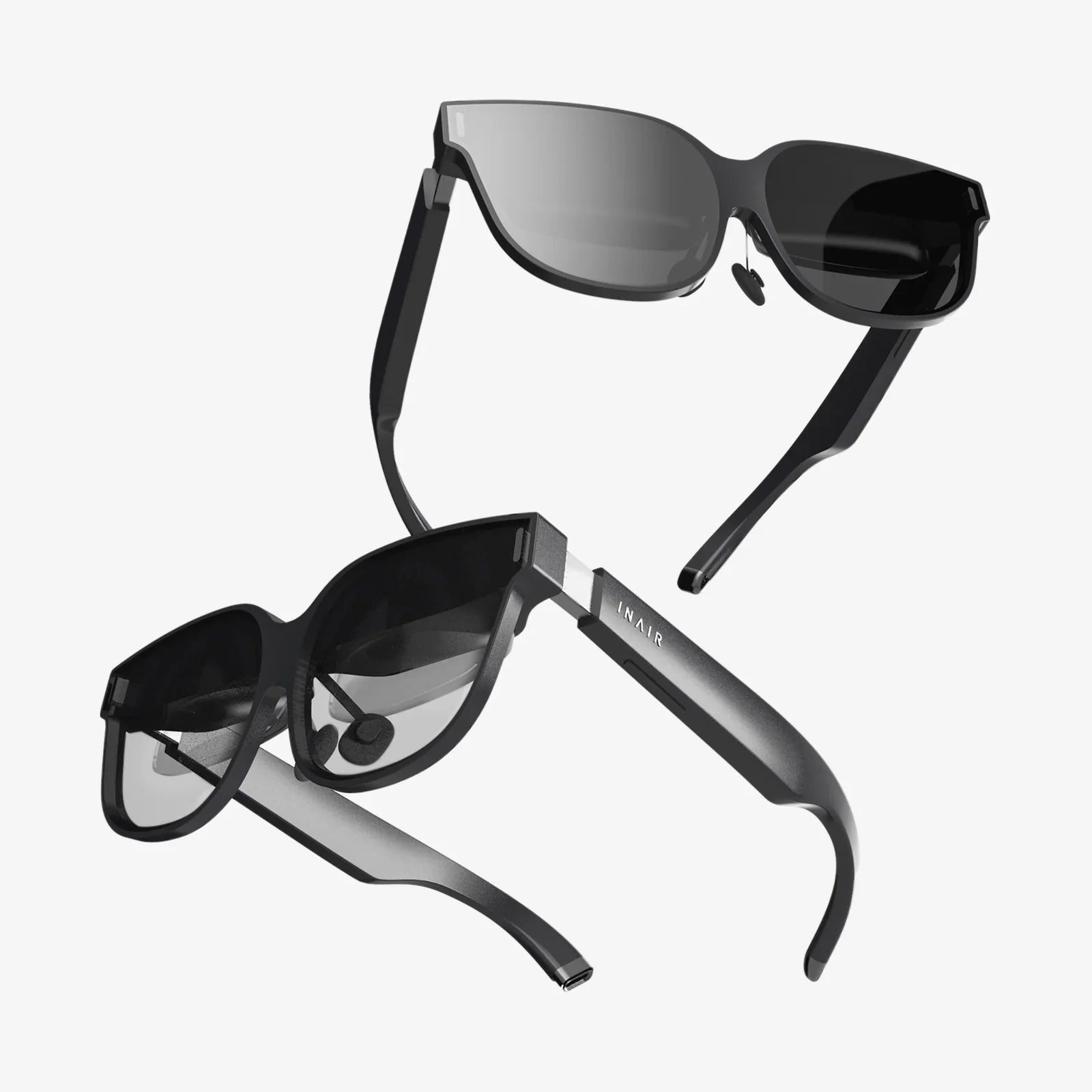
Immersive capabilities are gradually moving into everyday devices like phones, tablets, and lightweight eyewear. As this trend continues, a 3d immersive viewing system will no longer be limited to specialized headsets or dedicated rooms.
Users may access immersive content seamlessly throughout the day, switching between fully immersive modes and simple 3D overlays depending on context and need.
Social interaction is a powerful driver of engagement. Future 3d immersive viewing systems will likely emphasize shared virtual spaces where people can work, learn, and play together in real time, regardless of physical location.
These spaces could support:
For those ready to explore or adopt a 3d immersive viewing system, a structured approach can make the journey smoother and more rewarding.
Begin by identifying what you hope to achieve. Are you aiming to increase engagement, improve training outcomes, enhance visualization, or create new entertainment experiences? Clear objectives will guide technology choices, content development, and metrics for success.
Instead of committing to large-scale deployment immediately, start with targeted pilot projects. A small, well-defined use case can reveal practical challenges, user reactions, and return on investment. Feedback from these pilots can help refine both the technology setup and the content strategy.
Whether you are working in education, business, or creative fields, involve key stakeholders from the start. This includes end users, technical teams, decision-makers, and, where relevant, subject matter experts. A 3d immersive viewing system is most successful when it addresses real needs and fits naturally into existing workflows.
Hardware is only part of the equation. Allocate resources to developing or acquiring high-quality content that aligns with your goals. Additionally, provide training so users understand how to operate the system and make the most of its capabilities.
Track outcomes such as engagement, learning performance, error reduction, or user satisfaction. Use this data to refine your approach, update content, and adjust system configurations. A 3d immersive viewing system can deliver increasing value over time when it is treated as an evolving platform rather than a one-time purchase.
The momentum behind immersive technologies is building rapidly. Costs are decreasing, content is expanding, and technical barriers are falling. A 3d immersive viewing system is no longer just an experimental gadget; it is becoming a practical tool for communication, learning, and creativity across many domains.
Ignoring this shift means missing out on new ways to engage audiences, train teams, and present information in forms that people intuitively understand. Whether you want to tell more compelling stories, build more effective training programs, design better products, or simply experience digital worlds in a richer way, the path forward increasingly runs through immersive 3D.
Exploring a 3d immersive viewing system today can position you ahead of the curve, giving you firsthand insight into how these experiences reshape expectations and open doors to opportunities that flat screens simply cannot offer. The question is less whether immersive viewing will become mainstream and more how prepared you will be when it does.