


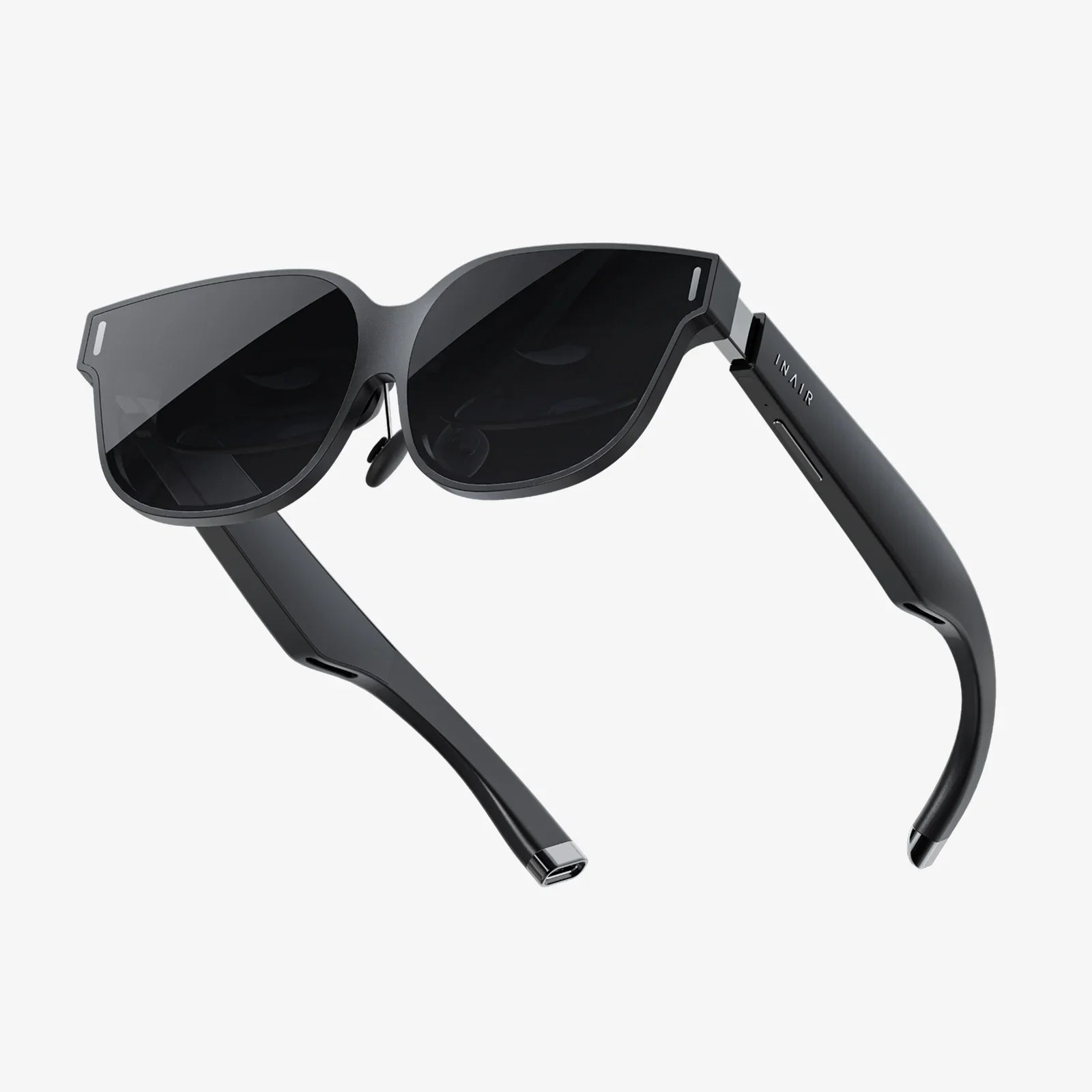
Industrial glass technologies are quietly rewriting the rules of modern manufacturing, energy, and design, turning what once seemed like fragile, transparent panels into high‑performance materials that can survive extreme heat, carry data, save energy, and even help build smarter cities. If you want to understand where the next wave of industrial innovation is coming from, follow the glass.
In today’s factories, laboratories, and infrastructure projects, glass is no longer a passive material. It is engineered, treated, coated, and composited to deliver precise optical, thermal, mechanical, and chemical properties. This shift is creating new capabilities in sectors as diverse as microelectronics, aerospace, construction, automotive, renewable energy, medical devices, and advanced manufacturing.
What Makes Industrial Glass Different from Ordinary Glass
At its core, glass is an amorphous solid: a material whose atoms are arranged without long‑range crystal order. Industrial glass technologies build on this basic structure but manipulate composition, processing, and post‑treatments to achieve specific performance goals. Several factors distinguish industrial glass from everyday glass used in household items.
Engineered Composition
Industrial glass formulations go far beyond simple soda‑lime glass. By adjusting the proportions of silica, alumina, boron, alkali metals, alkaline earth metals, and other oxides or additives, manufacturers can tune properties such as:
- Thermal resistance – high-silica and borosilicate glasses endure extreme temperatures and rapid thermal cycling.
- Chemical durability – specialized compositions resist acids, alkalis, solvents, and corrosive industrial atmospheres.
- Mechanical strength – certain formulations offer high hardness, scratch resistance, and resistance to mechanical shock.
- Optical behavior – control of refractive index, dispersion, and transparency over specific wavelength ranges enables advanced optical systems.
- Electrical properties – dielectric strength and low conductivity make glass a reliable insulator in electronic and power systems.
Advanced Thermal and Mechanical Treatments
Industrial glass technologies rely heavily on heat treatment and mechanical processing to modify internal stresses and surface conditions.
- Tempering – controlled heating and rapid cooling induce compressive stresses on the surface, dramatically improving resistance to impact and thermal shock.
- Lamination – bonding multiple glass layers with interlayers creates composites that hold together when cracked, improve acoustic performance, and enhance security.
- Chemical strengthening – ion exchange processes replace smaller ions in the glass surface with larger ones, increasing surface compression and improving resistance to scratches and breakage.
- Annealing – slow, controlled cooling relieves internal stresses, stabilizing dimensions and reducing the risk of spontaneous breakage.
Precision Shaping and Forming
Industrial glass components often require complex geometries and tight tolerances. Technologies such as float processes, pressing, drawing, molding, and precision grinding and polishing allow glass to be formed into sheets, tubes, fibers, wafers, lenses, and microstructured components.
For example, ultra‑thin glass sheets can be formed and then chemically strengthened to create flexible yet robust substrates. Hollow glass microspheres and microcapillaries are used in lightweight composites, diagnostics, and controlled delivery systems. These capabilities depend on highly controlled forming environments and sophisticated process monitoring.
Key Categories of Industrial Glass Technologies
Industrial glass technologies span a wide range of materials and processes. Several categories are particularly influential in today’s industrial landscape.
High‑Temperature and Chemical‑Resistant Glass
Industries such as chemical processing, metallurgy, and energy production demand glass that can withstand extreme environments. High‑temperature and chemically robust glasses are engineered for:
- Furnace sight windows – allowing operators to monitor high‑temperature processes without exposing sensors to harsh conditions.
- Chemical reactors and tubing – providing transparent, inert surfaces for reactions and fluid transfer.
- Laboratory ware – ensuring dimensional stability and resistance to thermal shock during heating and cooling cycles.
These glasses often contain boron, alumina, and carefully balanced alkali content to optimize expansion coefficients and chemical durability.
Optical and Photonic Glass Technologies
Optical glass is foundational to imaging, sensing, and communication systems. Industrial glass technologies in this domain focus on precise control of optical properties and surface quality.
- High‑purity optical glass – used in lenses, prisms, and windows for cameras, metrology, and industrial sensors.
- Specialty photonic glass – tailored for specific wavelength ranges, including ultraviolet, visible, and infrared applications.
- Optical fiber glass – ultra‑low loss compositions drawn into fibers for high‑bandwidth data transmission and sensing.
- Laser glass – doped with rare‑earth or transition metal ions to act as gain media in high‑power laser systems.
Surface finishing technologies, including precision grinding, polishing, and ion beam figuring, achieve nanometer‑scale surface roughness and shape accuracy for demanding optical systems.
Architectural and Structural Glass
In the built environment, industrial glass technologies enable large, transparent surfaces that are safe, energy‑efficient, and structurally reliable.
- Tempered and heat‑strengthened glass – used in facades, doors, partitions, and balustrades where impact resistance and safety are critical.
- Laminated safety glass – incorporating interlayers that hold shards together, improve sound insulation, and provide security or blast resistance.
- Insulating glass units – multi‑pane assemblies with gas fills and spacers, dramatically improving thermal performance.
- Structural glass assemblies – using glass as a load‑bearing element in floors, stairs, and facades with specialized fittings and laminates.
These applications rely on rigorous standards for load, impact, and environmental performance, as well as advanced modeling to predict long‑term behavior under variable conditions.
Electronic and Display Glass
Industrial glass technologies underpin modern electronics, from displays to printed circuit boards and sensors. Key roles include:
- Display substrates – thin, dimensionally stable glass for flat‑panel displays and advanced visualization systems.
- Cover glass – scratch‑resistant, chemically strengthened surfaces that protect underlying electronics.
- Glass‑ceramic substrates – used in high‑frequency electronics and packaging for their thermal and dielectric properties.
- Glass interposers and wafers – enabling high‑density interconnections and precise alignment in microelectronics.
The trend toward flexible and foldable devices is driving new glass technologies that combine ultra‑thin form factors with high strength and reliable bending performance.
Glass‑Ceramics and Hybrid Glass Materials
Glass‑ceramics bridge the gap between glass and crystalline ceramics. They are produced by controlled crystallization of precursor glass compositions, resulting in materials with tailored combinations of properties:
- Low thermal expansion – enhancing dimensional stability over wide temperature ranges.
- High strength and hardness – suitable for mechanical and wear‑resistant applications.
- Tailored optical behavior – including translucency or specific spectral transmission characteristics.
Hybrid materials combine glass with polymers, metals, or fibers to create composites that exploit the strengths of each component. Examples include glass fiber‑reinforced composites, glass‑metal seals, and glass‑polymer laminates for specialized industrial uses.
Surface Engineering and Coating Technologies for Glass
Surface engineering is one of the most powerful levers in industrial glass technologies. By modifying only the outermost layers, manufacturers can dramatically change how glass interacts with light, heat, moisture, and contaminants without altering its bulk properties.
Low‑Emissivity and Solar Control Coatings
Energy‑efficient buildings and vehicles rely on coated glass to manage heat flow and solar gain.
- Low‑emissivity (low‑E) coatings – thin metallic or metal oxide layers that reduce radiant heat transfer while maintaining visible transparency.
- Solar control coatings – spectrally selective layers that block infrared and ultraviolet radiation while allowing visible light to pass.
- Thermochromic and electrochromic systems – dynamic glazing that changes transmission properties in response to temperature or applied voltage.
These coatings are applied using techniques such as magnetron sputtering, chemical vapor deposition, and sol‑gel processes, requiring precise control of layer thickness and composition.
Anti‑Reflective and Anti‑Glare Treatments
Industrial glass used in displays, solar modules, instrumentation, and optical systems often needs to minimize reflections and glare.
- Multi‑layer anti‑reflective coatings – engineered for destructive interference at specific wavelengths or across broad spectra.
- Textured and microstructured surfaces – created through etching or replication to scatter light and reduce specular reflections.
- Index‑graded layers – gradually changing refractive index from air to glass to reduce Fresnel reflections.
These technologies improve visibility, contrast, and energy capture in devices that operate in bright or variable lighting conditions.
Self‑Cleaning, Hydrophobic, and Oleophobic Coatings
Maintenance costs and performance degradation from dirt and contamination drive demand for easy‑to‑clean glass surfaces.
- Hydrophobic coatings – repel water, causing droplets to bead and roll off, carrying away dirt.
- Oleophobic coatings – resist oils and fingerprints, important for touch interfaces and optical surfaces.
- Photocatalytic self‑cleaning layers – use light‑activated reactions to break down organic contaminants, which are then washed away by rain or cleaning cycles.
These coatings extend the performance life of glazing, solar panels, and industrial sensors while reducing cleaning frequency and chemical use.
Functional and Smart Coatings
Beyond passive protection, industrial glass technologies increasingly integrate active and functional layers.
- Conductive coatings – transparent conductive oxides enable touch sensing, heating, and electromagnetic shielding.
- Heated glass – thin resistive layers prevent icing or fogging in transportation, aerospace, and outdoor installations.
- Sensor‑integrated glass – embedded conductive patterns or optical structures support strain, temperature, or chemical sensing.
- Decorative and branding layers – durable inks, frits, and patterns applied for aesthetics, privacy, or functional markings.
The combination of optical, electrical, and mechanical functions on a single glass substrate is a major driver of innovation in smart infrastructure and industrial systems.
Industrial Glass in High‑Tech Manufacturing and Automation
Industrial glass technologies play critical roles in modern manufacturing environments, both as process enablers and as components of finished products.
Glass in Semiconductor and Electronics Manufacturing
Semiconductor fabrication, micro‑electromechanical systems production, and advanced packaging rely on glass at multiple stages.
- Photomasks and reticles – high‑purity glass substrates with precise patterning used in lithography.
- Carrier and handling wafers – glass substrates supporting thin or fragile wafers during processing.
- Through‑glass vias and interposers – enabling vertical electrical connections with excellent dimensional control.
- Encapsulation and hermetic sealing – glass‑to‑metal seals protect sensitive electronics from moisture and contaminants.
These applications demand ultra‑low contamination levels, tight thickness tolerances, and excellent flatness and surface quality.
Process Windows, Sensors, and Protection
Industrial plants use glass to create observation windows, sensor housings, and protective barriers in harsh environments.
- High‑pressure and vacuum viewports – robust glass assemblies that maintain integrity under differential pressures and temperature extremes.
- Optical access ports – enabling laser processing, spectroscopy, and imaging of reactions and material transformations.
- Protective shields – transparent barriers that allow monitoring while guarding against debris, radiation, or splashes.
Material selection and design must account for mechanical stresses, thermal gradients, and exposure to chemicals or radiation over long service life.
Laser Processing and Additive Manufacturing
Industrial glass technologies intersect with laser and additive manufacturing in multiple ways.
- Laser optics and beam delivery – high‑damage‑threshold glass optics steer and focus high‑power beams for cutting, welding, and surface treatment.
- Laser‑induced modification – focused beams can locally change refractive index or create microstructures inside glass, useful for waveguides and microfluidics.
- Glass 3D printing – emerging technologies extrude or sinter glass powders into complex shapes, expanding design freedom.
These capabilities enable intricate internal features, integrated optical paths, and custom components that would be difficult or impossible to produce by conventional forming.
Industrial Glass in Energy and Sustainability
Industrial glass technologies are central to the global transition toward more sustainable energy systems and resource‑efficient infrastructure.
Solar Energy and Photovoltaic Glass
Solar power generation depends heavily on glass as both a protective and functional component.
- Front cover glass – protects photovoltaic cells from weather, mechanical impacts, and UV radiation while maximizing light transmission.
- Textured and anti‑reflective surfaces – increase light capture and reduce reflection losses.
- Integrated encapsulation – glass‑glass module designs use laminated glass on both sides for durability and extended service life.
- Building‑integrated photovoltaics – colored, patterned, or semi‑transparent PV glass incorporated into facades and skylights.
Advances in solar glass aim to increase transmission, reduce soiling, and extend mechanical and chemical durability under outdoor conditions.
Energy‑Efficient Building Envelopes
Heating, cooling, and lighting loads in buildings are strongly influenced by glazing performance. Industrial glass technologies contribute by:
- Improving insulation – multi‑pane units, gas fills, and warm‑edge spacers reduce conduction and convection losses.
- Controlling solar gain – selective coatings and dynamic glazing balance daylight with thermal comfort.
- Enhancing daylighting – high‑transmission and light‑redirecting glass reduces reliance on artificial lighting.
- Reducing condensation – thermally optimized frames and coatings minimize moisture buildup.
These improvements support green building certifications and help cities meet climate and energy efficiency targets.
Glass in Energy Storage and Power Systems
Industrial glass technologies also support energy storage and power infrastructure.
- Glass‑ceramic seals – used in high‑temperature batteries and fuel cells for hermetic sealing and thermal compatibility.
- Insulators and bushings – glass insulators in power transmission and distribution systems ensure electrical isolation and weather resistance.
- Encapsulation of sensitive components – glass protects sensors and electronics in high‑voltage or corrosive environments.
Future developments may include glass components in solid‑state batteries and other next‑generation energy storage technologies.
Sustainability, Recycling, and Lifecycle Considerations
As industrial glass technologies expand, attention is turning to their environmental footprint and end‑of‑life management.
Glass Recycling Challenges and Opportunities
Glass is inherently recyclable, but industrial glass products complicate the picture due to coatings, laminates, and mixed compositions.
- Sorting and separation – coated, laminated, and specialty glass must be separated from standard container glass streams.
- Coating and interlayer removal – mechanical and chemical processes are needed to reclaim clean glass cullet.
- Quality control – recycled glass used in high‑performance applications must meet strict purity and composition standards.
Innovative methods are emerging for processing end‑of‑life building glass, photovoltaic modules, and automotive glazing into feedstock for new products or alternative uses such as abrasives and aggregates.
Reducing Energy and Emissions in Glass Production
Glass melting is energy‑intensive and traditionally relies on fossil fuels. Industrial glass technologies are evolving to reduce environmental impact.
- Electric and hybrid furnaces – reduce direct emissions and allow integration with renewable electricity sources.
- Oxygen‑enriched combustion – increases efficiency and lowers nitrogen oxide emissions.
- Waste heat recovery – captures thermal energy for use elsewhere in the plant or district heating systems.
- Increased cullet use – using more recycled glass reduces melting temperature and energy consumption.
Digital process control and predictive maintenance further optimize energy use and extend furnace life.
Designing for Durability and Reuse
Industrial glass technologies can support circular economy goals by prioritizing durability, reparability, and modular design.
- Longer service life – coatings and treatments that resist degradation reduce replacement frequency.
- Reversible connections – mechanical fixing systems allow glass components to be removed and reused.
- Standardized formats – consistent sizes and specifications facilitate reuse in new projects.
These strategies not only reduce waste but also create new business models around refurbishment and secondary markets for high‑quality glass components.
Emerging Trends and Future Directions in Industrial Glass Technologies
The next decade promises significant advances in how glass is formulated, processed, and integrated into systems. Several trends are particularly important for engineers, designers, and decision‑makers.
Smart and Interactive Glass Systems
Glass is becoming an active interface between people, machines, and environments.
- Electrochromic and switchable glass – dynamically adjusts tint for comfort, privacy, and energy management.
- Embedded displays – integrating transparent displays into windows, partitions, and vehicle glazing.
- Sensor‑enabled glass – surfaces that detect touch, pressure, temperature, or environmental conditions.
- Integrated antennas and communication paths – supporting wireless connectivity without external hardware.
These developments blur the boundaries between structural elements, user interfaces, and information systems.
Ultra‑Thin, Flexible, and Lightweight Glass
Advances in forming and strengthening are enabling glass that bends without breaking while maintaining optical and barrier performance.
- Ultra‑thin glass sheets – tens of micrometers thick, suitable for flexible electronics, sensors, and protective layers.
- Roll‑to‑roll processing – treating glass more like a film than a rigid plate, opening up new manufacturing workflows.
- Lightweight laminates – combining thin glass with polymers or composites for strength‑to‑weight optimization.
These technologies expand design possibilities in transportation, wearables, and portable industrial equipment.
Advanced Modeling, Simulation, and Digital Twins
Computational tools are transforming how industrial glass technologies are developed and deployed.
- Multiphysics simulation – modeling thermal, mechanical, optical, and chemical behavior under complex conditions.
- Process digital twins – virtual replicas of furnaces and production lines to optimize parameters and predict failures.
- Material informatics – using data‑driven approaches to discover new glass compositions and process recipes.
These capabilities shorten development cycles, reduce trial‑and‑error, and enable more reliable performance predictions for critical applications.
Integration with Additive and Hybrid Manufacturing
The intersection of industrial glass technologies with additive manufacturing is still in its early stages but shows strong potential.
- Direct glass printing – creating complex geometries with internal channels and graded properties.
- Hybrid assemblies – printing metals or polymers directly onto glass or vice versa for integrated components.
- Customized optics and microfluidics – on‑demand manufacturing of specialized devices for research and niche industrial processes.
As process control and material options improve, these approaches may reshape supply chains for specialized glass components.
Strategic Considerations for Adopting Industrial Glass Technologies
Organizations that understand how to leverage industrial glass technologies can unlock performance gains, cost savings, and new product capabilities. Several strategic considerations are important when evaluating options.
Aligning Material Choice with Performance Requirements
Selecting the right glass technology requires a clear understanding of operating conditions and performance targets.
- Environmental exposure – temperature extremes, humidity, chemicals, UV radiation, and mechanical loads.
- Functional needs – optical clarity, conductivity, insulation, impact resistance, or specific spectral properties.
- Regulatory and safety constraints – standards for fire, impact, electrical insulation, or food and medical contact.
Working closely with material specialists and fabricators early in the design process helps avoid costly redesigns and ensures manufacturability.
Total Cost of Ownership vs. Initial Cost
Advanced industrial glass technologies often carry higher upfront costs compared to basic materials, but they can deliver value over the full lifecycle.
- Energy savings – through improved insulation or solar control.
- Reduced maintenance – via self‑cleaning surfaces or extended durability.
- Improved uptime – by protecting critical equipment and sensors.
- Enhanced user experience – which can translate into productivity or revenue gains.
Lifecycle analysis and scenario modeling help quantify these benefits and justify investments in higher‑performance glass solutions.
Supply Chain and Quality Assurance
Industrial glass components often have long lead times and tight quality requirements. Effective management involves:
- Supplier qualification – verifying capabilities in composition control, forming, and coating.
- Traceability – tracking batches and process parameters for critical applications.
- Testing and validation – mechanical, thermal, optical, and environmental testing to confirm performance.
Collaborative relationships with suppliers can also support co‑development of customized glass solutions tailored to specific industrial needs.
Why Industrial Glass Technologies Deserve a Place in Your Innovation Roadmap
Across factories, laboratories, city skylines, and energy systems, industrial glass technologies are doing far more than providing transparent barriers. They are enabling new ways to control light and heat, protect equipment, transmit data, and interact with the physical world. For organizations looking to differentiate their products, improve efficiency, or meet ambitious sustainability goals, overlooking glass is a missed opportunity.
Whether you are designing a next‑generation production line, rethinking building envelopes, developing advanced electronics, or planning long‑life infrastructure, it pays to examine how modern glass formulations, coatings, and hybrid structures can shift the performance envelope. The most successful adopters will be those who treat glass not as a commodity material, but as a strategic technology platform that can be engineered, integrated, and evolved alongside their broader innovation efforts.
If you are evaluating upgrades or new projects, now is the time to bring material scientists, process engineers, architects, and system designers together around the possibilities offered by industrial glass technologies. The organizations that do this well will not just see clearer views through their glass; they will gain a clearer competitive edge in an increasingly demanding industrial landscape.
Aktie:
diy glass bottle projects to Transform Everyday Jars into Stunning Creations
Glass Screen Protector for Nintendo Switch: Ultimate Guide for Safe Gaming