


- von wangfred
Japan AR Glasses And The Next Wave Of Everyday Immersion
- von wangfred
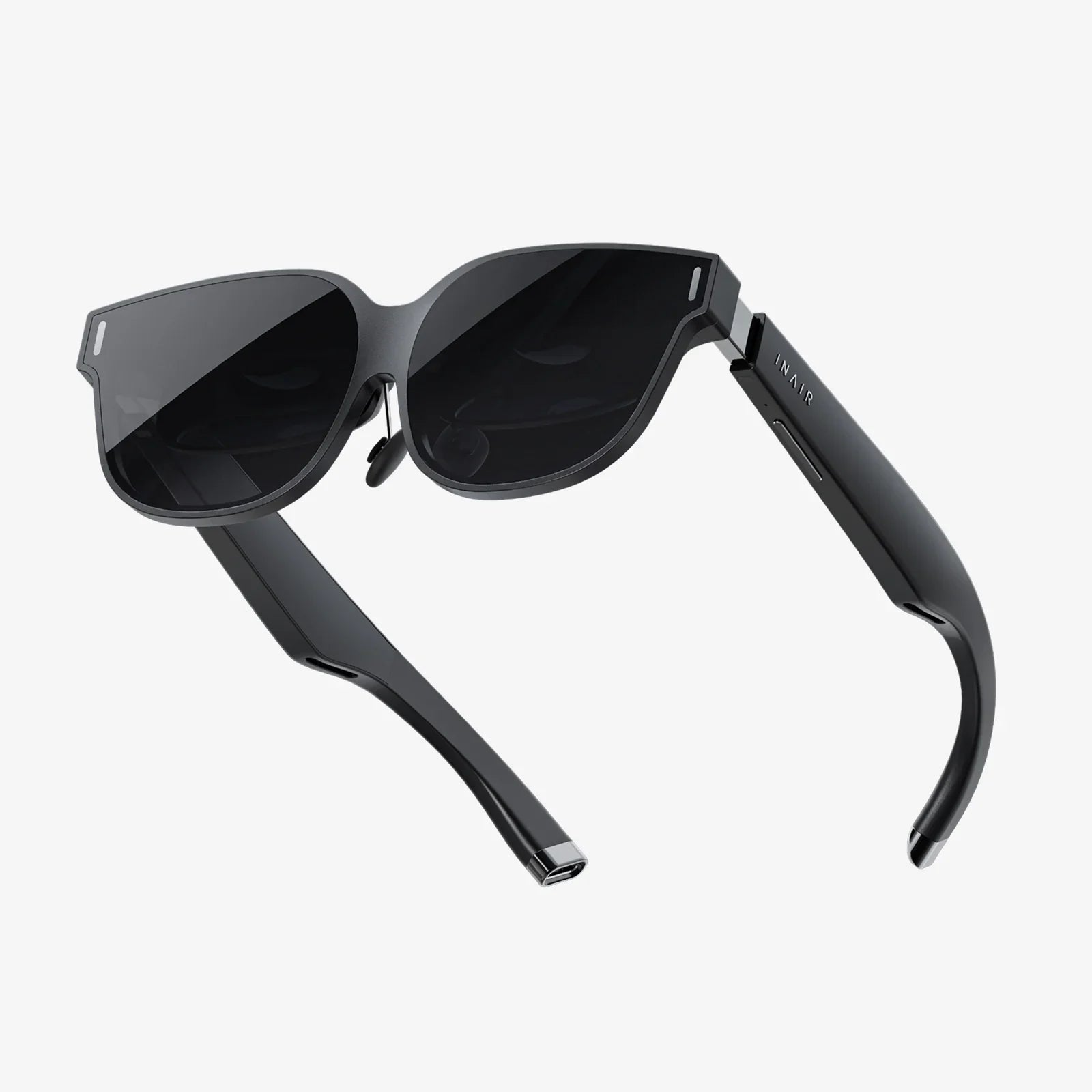
Japan AR glasses are quietly rewriting the rules of how people see, learn, work, and play. Once a sci-fi fantasy, augmented reality eyewear in Japan is now showing up in classrooms, factories, hospitals, and even on crowded city streets. If you have ever wondered what it might feel like to have digital information layered seamlessly over the real world, Japan is one of the clearest windows into that future. The country’s blend of advanced infrastructure, dense cities, and a culture that embraces both high-tech convenience and playful experimentation makes it a natural testbed for AR glasses that don’t just entertain, but deeply integrate into everyday life.
To understand where this is heading, it helps to look at how Japan AR glasses are being designed and deployed right now. From minimalist frames that look like regular eyewear to more robust headsets used in industrial settings, the variety is growing quickly. Behind the hardware, powerful software ecosystems and networks are emerging, enabling everything from real-time translation to hands-free navigation and remote collaboration. This article explores the trends, use cases, and cultural forces that are turning Japan into a living laboratory for augmented reality glasses, and why that matters for the rest of the world.
At the core of Japan AR glasses is a convergence of several technologies that have matured enough to leave the lab and enter daily life. These include compact displays, advanced optics, lightweight sensors, and high-speed connectivity. Together, they enable digital overlays that respond to the user’s environment in real time.
Modern AR glasses typically rely on one of several optical approaches, each with trade-offs in brightness, field of view, and comfort:
In Japan, where crowded trains, bright neon signage, and outdoor environments coexist, AR glasses must deliver clear visuals in varied lighting conditions. This has pushed developers to prioritize brightness and clarity while keeping devices light enough to wear for extended periods.
For AR content to feel natural, it must stay locked to the real world as users move. Japan AR glasses typically integrate:
These capabilities are particularly important in Japan’s dense urban environments, where AR navigation, tourism overlays, and contextual information must be precise and stable to be useful and safe.
Japan’s robust mobile networks, including widespread high-speed connectivity, are a major enabler of AR glasses. Many experiences rely on:
Because Japan already has strong public and private investment in digital infrastructure, AR glasses can tap into these networks to deliver smooth, low-latency experiences that would be difficult to replicate in regions with weaker connectivity.
Although AR glasses in Japan are still emerging, several consumer-oriented scenarios are already taking shape. These early use cases hint at how AR might become as ordinary as checking a smartphone.
Japan’s mix of historical landmarks and futuristic cityscapes makes it an ideal playground for AR-enhanced tourism. AR glasses can provide:
Imagine standing in a traditional district while your AR glasses show a time-lapse of how the area evolved over decades, highlight hidden shrines, or guide you to lesser-known local shops. This type of immersive tourism is already being piloted in various forms, and Japan’s strong inbound tourism demand makes it a compelling area for continued experimentation.
Urban navigation is another natural fit for Japan AR glasses. In dense cities where multiple train lines intersect and underground malls sprawl for blocks, traditional maps can be confusing. AR glasses can provide:
By reducing the friction of navigating unfamiliar environments, AR glasses can make urban life more accessible to visitors and locals alike, particularly those who might struggle with complex signage or language barriers.
Japan’s long-standing love of gaming, animation, and character-based storytelling pairs naturally with AR. AR glasses can turn city streets into interactive playgrounds, where users:
Because Japan already has a culture of themed cafes, pop-up events, and cross-media collaborations, AR glasses can extend these experiences into the city itself. The line between digital fandom and physical space becomes more porous, and the city turns into a dynamic stage for story-driven experiences.
Education is one of the most promising domains for AR, and Japan is exploring how AR glasses can make learning more interactive, accessible, and context-aware.
In classrooms, AR glasses can transform abstract concepts into tangible 3D visualizations. Students might:
Remote learning also benefits from AR. Instead of staring at a flat screen, students wearing AR glasses can see instructors, classmates, and shared digital content arranged around their physical space. This can help reduce fatigue and increase engagement compared to traditional video calls.
Japan AR glasses are particularly useful in vocational training, where hands-on practice is essential. Trainees in fields like manufacturing, automotive repair, or electrical work can use AR glasses to:
By combining physical practice with digital guidance, AR glasses can shorten learning curves and reduce costly mistakes, while also making training more engaging.
Beyond consumer and educational use, Japan AR glasses are gaining traction in industrial, logistics, and office environments where efficiency and accuracy are critical.
Japan has a strong manufacturing sector with a reputation for precision and quality. AR glasses fit well into this context by:
This hands-free access to information helps reduce downtime, minimize errors, and capture institutional knowledge that might otherwise be lost as experienced workers retire.
Japan’s logistics and retail sectors are also experimenting with AR glasses to streamline operations. Common use cases include:
These applications leverage AR glasses to reduce cognitive load, allowing workers to focus on physical tasks while the system handles navigation, tracking, and documentation.
Even in office settings, Japan AR glasses are beginning to influence how teams collaborate. Instead of traditional video conferences, participants can:
These approaches aim to reduce the sense of distance in remote work and make digital collaboration feel more natural and spatially grounded.
Healthcare is another domain where AR glasses are beginning to demonstrate clear value in Japan, both for professionals and patients.
In clinical environments, AR glasses can support:
These applications can enhance precision, reduce cognitive overload, and improve training outcomes, all while keeping doctors’ hands free and eyes on the patient.
For patients, Japan AR glasses can assist in several ways:
These uses highlight how AR glasses can extend care beyond clinics and hospitals, integrating support into patients’ daily environments.
Technology does not exist in a vacuum. Japan AR glasses are shaped by cultural attitudes toward privacy, fashion, social norms, and work practices. Understanding these factors helps explain why adoption may unfold differently in Japan compared to other countries.
On one hand, Japan has a strong tradition of valuing personal privacy and avoiding overt disruption in public spaces. On the other hand, there is a rich culture of self-expression through fashion, gadgets, and subcultures. AR glasses must navigate this tension.
Designers often aim for devices that look like ordinary eyewear, minimizing bulk and conspicuous cameras. At the same time, there is room for more playful designs targeted at specific communities, such as gaming enthusiasts or fans of particular media franchises. The result is likely to be a spectrum of styles, from understated to bold, each tailored to different social contexts.
The presence of cameras on AR glasses raises questions about etiquette and consent, especially in crowded places like trains and cafes. Japan has already grappled with similar issues around smartphones, leading to norms such as disabling shutter sounds in certain contexts.
For AR glasses, possible responses include:
How these norms evolve in Japan will influence not only adoption but also the design of future devices and services.
Japan’s work culture places a high value on diligence, precision, and process. AR glasses that clearly enhance productivity and reduce errors may be welcomed, especially in sectors facing labor shortages due to demographic shifts.
At the same time, there is a growing awareness of work-life balance and mental health. This could lead to AR applications that help workers manage stress, maintain focus, or separate work and personal modes through context-aware interfaces. For example, AR glasses could automatically shift notification settings based on location or time, helping users avoid constant interruptions.
Despite their promise, AR glasses still face significant challenges before they can become truly mainstream in Japan or elsewhere. These challenges span hardware, software, and human factors.
For AR glasses to be worn all day, they must be comfortable, lightweight, and visually unobtrusive. Current limitations include:
In Japan’s humid summers and long commuting times, these issues become particularly pressing. Designers must balance performance with wearability, likely leading to a range of devices optimized for different durations and use cases.
Interacting with AR glasses is very different from using a phone or laptop. Options include voice commands, touch-sensitive frames, hand gestures, eye tracking, and companion devices like phones or rings.
Each method has pros and cons in Japanese contexts:
Developers are experimenting with hybrid approaches that combine subtle gestures, gaze, and minimal voice input, aiming for interfaces that feel natural while respecting social norms.
AR glasses capture and process vast amounts of data about users and their surroundings. In Japan, concerns about surveillance, data breaches, and misuse of personal information are taken seriously.
Key issues include:
Addressing these concerns will be essential for building trust. Transparent policies, user control over data, and privacy-first design principles are likely to be differentiators in Japan’s AR ecosystem.
Looking ahead, several trends suggest how Japan AR glasses might evolve over the next decade, and how they could influence global AR development.
At present, many AR glasses are tailored to specific tasks: industrial maintenance, guided tours, training sessions. Over time, as hardware improves and costs fall, more general-purpose AR glasses are likely to emerge in Japan.
These future devices may serve as:
As they become more discreet and capable, AR glasses could gradually replace some smartphone functions, especially for navigation, communication, and information lookup.
Japan is already exploring smart city initiatives that integrate sensors, public data, and digital services. AR glasses can act as a human-centered interface to these systems, allowing citizens and visitors to:
Such integration could make cities more legible and responsive, especially for aging populations or people with disabilities who benefit from contextual guidance.
Japan’s cultural exports often blend physical and digital elements: themed attractions, interactive exhibitions, and media franchises that span games, animation, and merchandise. AR glasses add a new layer to this mix.
In the future, fans might:
Because Japan already has a strong foundation in experiential entertainment, these possibilities are likely to be explored aggressively, further blurring the line between the tangible and the virtual.
Whether you live in Japan, plan to visit, or simply want to understand where AR is heading, there are practical steps you can take to prepare for a world where AR glasses are common.
AR literacy means understanding how augmented reality works, what it can and cannot do, and how to use it responsibly. You can start by:
This foundational understanding will make it easier to adopt AR glasses when they align with your needs and interests.
Not every AR feature will be equally useful to everyone. Consider where AR glasses could genuinely improve your life:
By focusing on high-value scenarios, you can avoid novelty overload and adopt AR tools that genuinely justify their presence in your daily routine.
As Japan AR glasses become more common, social norms and policies will still be evolving. Users, businesses, and policymakers all have a role to play in shaping how this technology fits into society.
You can contribute by:
The more diverse voices are involved, the more likely it is that AR glasses will evolve in ways that respect individual rights and collective well-being.
Japan AR glasses are not just a local phenomenon; they offer a glimpse into how augmented reality might unfold worldwide. The country’s combination of advanced infrastructure, dense urban environments, strong manufacturing base, and rich cultural industries makes it an ideal proving ground.
If AR glasses can become comfortable, socially accepted, and genuinely useful in Japanese daily life, the lessons learned will resonate far beyond its borders. Everything from hardware design and user interfaces to privacy frameworks and cultural content will inform how other regions approach their own AR ecosystems.
For anyone curious about where personal technology is heading after the smartphone era, watching the evolution of Japan AR glasses is like peeking a few years into the future. The experiments happening in classrooms, factories, hospitals, and city streets today are sketching the outlines of a world where digital information is no longer confined to screens in our hands, but woven directly into the fabric of our surroundings.
As these devices grow lighter, smarter, and more deeply integrated into services and culture, the question will shift from whether people will wear AR glasses to how they will choose to shape the reality those glasses reveal. If you want to be ready for that shift, understanding the trajectory of Japan AR glasses is one of the most powerful ways to start.