


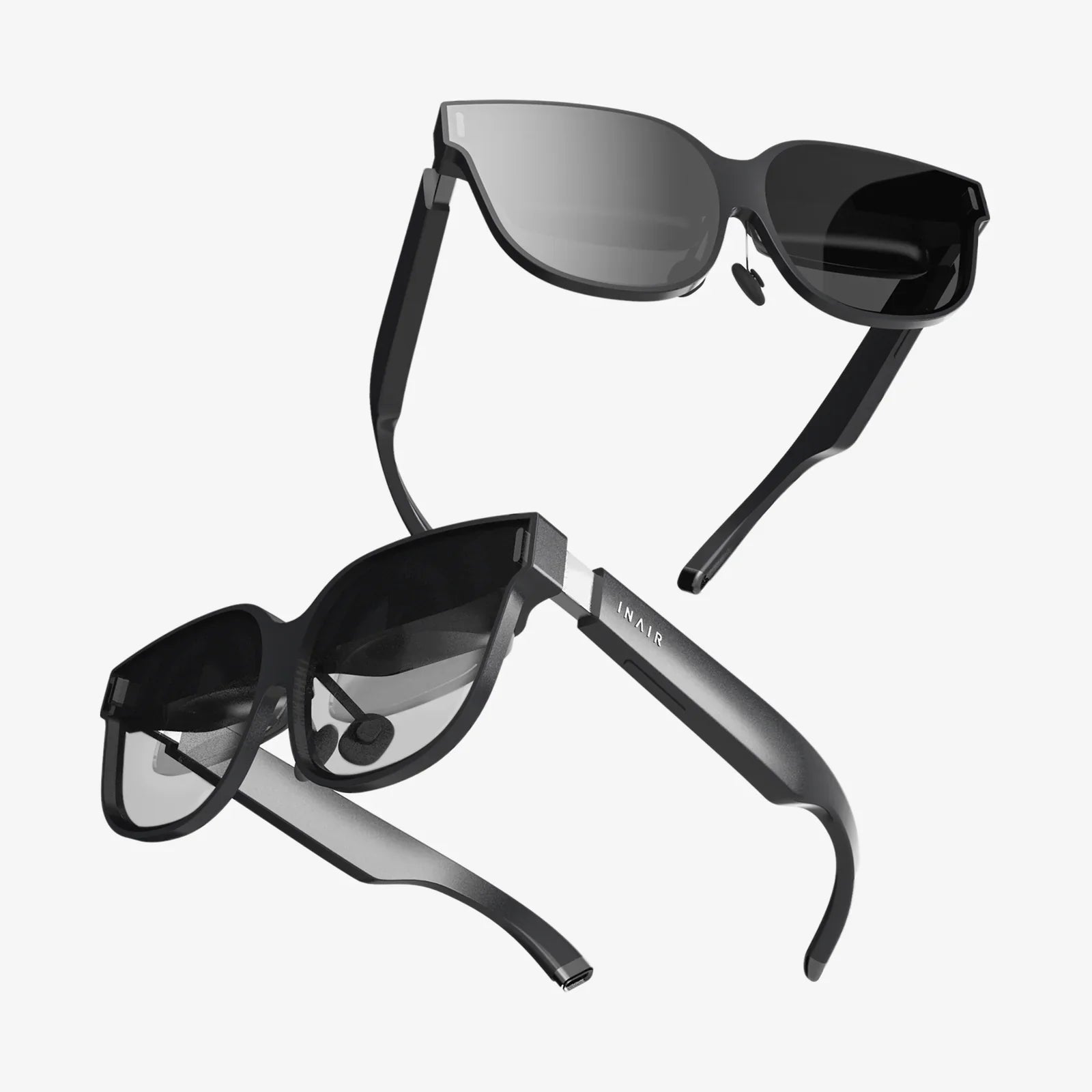
Reality eyewear is quietly becoming the secret weapon of people who want to look sharper, think clearer, and experience digital life in a completely new way. What used to be a simple tool for better sight is now evolving into a powerful blend of fashion statement, wellness device, and gateway to immersive virtual and augmented experiences. If you have ever wondered whether your glasses could do more than just correct your vision, reality eyewear is the trend you cannot afford to ignore.
What Is Reality Eyewear?
Reality eyewear is an umbrella term that covers a new generation of glasses designed not only to help you see better, but also to reshape how you see the world. It includes traditional optical frames reimagined with modern aesthetics, blue-light and screen-protective lenses, and smart or immersive devices that layer digital content over the real environment. The key idea is simple: your eyewear is no longer a passive accessory; it is an active interface between your eyes, your identity, and your digital life.
Unlike older, purely functional designs, reality eyewear acknowledges that most of us live in overlapping realities: physical spaces, virtual work environments, social media platforms, and entertainment ecosystems. The right pair of glasses can help you move between these layers more comfortably, more confidently, and more stylishly.
The Evolution From Simple Frames To Reality Eyewear
For decades, eyewear was treated as a medical necessity. Frames were basic, lenses were purely corrective, and the goal was to achieve acceptable clarity at minimal cost. The modern era has completely overturned that mindset. Reality eyewear has emerged through three major shifts:
- From function to identity: Glasses are now a core part of personal style, used to express personality, mood, and status.
- From clarity to comfort: Lens technology now targets digital eye strain, glare, and long-term eye health, not just visual sharpness.
- From static to interactive: Smart and immersive eyewear can display information, respond to gestures, and integrate with apps and digital services.
These shifts have transformed eyewear into a platform. Reality eyewear is no longer just about seeing the world; it is about choosing how you want the world to appear and how you want to appear within it.
Key Types Of Reality Eyewear
Reality eyewear spans a wide spectrum, from subtle everyday frames to advanced digital devices. Understanding the main categories helps you decide what suits your lifestyle and needs.
1. Fashion-Forward Optical Reality Eyewear
This category includes prescription and non-prescription glasses that place equal emphasis on style and comfort. They are designed for people who want their eyewear to be a signature piece of their look.
- Bold statement frames: Thick, geometric, or oversized shapes that turn your glasses into a focal point of your outfit.
- Minimalist frames: Thin, barely-there designs that offer a clean, modern aesthetic and pair with almost any wardrobe.
- Retro-inspired silhouettes: Classic shapes reinvented with modern materials and subtle detailing for a timeless yet current vibe.
Although these glasses may not be digital devices, they are still part of the reality eyewear movement because they influence how others perceive you and how you feel in everyday environments, from the office to social events.
2. Screen-Protection And Wellness-Oriented Reality Eyewear
Many people now spend most of their waking hours in front of screens. This makes eye strain, headaches, and sleep disruption increasingly common. Wellness-focused reality eyewear seeks to address this by optimizing your visual environment.
- Blue-light filtering lenses: Designed to reduce exposure to high-energy visible light emitted by screens, potentially easing digital eye strain and supporting more natural sleep patterns.
- Anti-glare coatings: These minimize reflections from screens, headlights, and overhead lights, improving visual comfort and contrast.
- Tinted lenses for focus: Subtle tints can enhance contrast, reduce brightness, and create a calmer visual field, which some people find helpful for concentration.
This type of reality eyewear is ideal for students, remote workers, gamers, and anyone whose daily routine involves extended screen time.
3. Augmented Reality Eyewear
Augmented reality (AR) eyewear overlays digital content onto your real-world view. Instead of replacing reality, it enriches it with information, visuals, and interactive elements.
Common capabilities include:
- Heads-up displays: Small virtual screens that show navigation, notifications, or contextual data without blocking your view.
- Context-aware overlays: Information tied to what you are looking at, such as translations, directions, or object recognition.
- Hands-free interaction: Control through voice, gestures, or subtle touch inputs built into the frames.
AR reality eyewear is particularly promising for professionals, travelers, and creators who want quick access to information without constantly checking a phone or laptop.
4. Virtual Reality And Mixed Reality Eyewear
Virtual reality (VR) eyewear immerses you in fully digital environments, while mixed reality (MR) devices blend virtual elements with the real world in more advanced ways than basic AR. These headsets are bulkier than everyday glasses, but they represent the cutting edge of reality eyewear.
Use cases include:
- Immersive entertainment: Games, films, and experiences that place you at the center of the action.
- Training and simulation: Realistic practice environments for fields like medicine, engineering, and aviation.
- Remote collaboration: Virtual meeting rooms where participants appear as avatars or holograms, making remote work more engaging.
As these technologies become lighter and more stylish, the line between everyday reality eyewear and immersive headsets will continue to blur.
Why Reality Eyewear Matters In A Hyper-Digital World
Reality eyewear is not just a trend; it is a response to how deeply digital technology has woven itself into daily life. Our eyes are now the main gateway to work, communication, entertainment, and information. This makes the quality of our visual experience more important than ever.
1. Protecting Eye Health In A Screen-Heavy Lifestyle
Long hours of screen exposure can contribute to symptoms like dryness, blurred vision, headaches, and difficulty focusing. While no pair of glasses can replace good habits, reality eyewear can significantly improve comfort.
- Reduced eye strain: Screen-optimized lenses can soften harsh contrasts and filter specific light frequencies that cause discomfort.
- Better posture: Clearer vision at the right distance can discourage leaning forward or hunching over screens, lowering neck and back strain.
- Long-term awareness: Choosing reality eyewear that prioritizes eye health can remind you to take breaks, blink more often, and manage your screen time more mindfully.
2. Enhancing Performance And Productivity
Visual clarity and comfort have a direct impact on performance. When your eyes work harder than they need to, your brain tires faster. Reality eyewear can support sustained focus and efficiency by:
- Optimizing lenses for your specific working distance, whether you use multiple screens or a laptop.
- Reducing visual distractions such as glare and reflections.
- Presenting digital information in more intuitive ways through AR or heads-up displays.
In creative fields, immersive reality eyewear can also unlock new tools for design, prototyping, and storytelling, enabling you to visualize ideas in three dimensions before they exist in the physical world.
3. Strengthening Personal Style And Confidence
Eyewear sits at the center of your face, which means it has an outsized influence on your appearance. Reality eyewear recognizes this and treats glasses as a powerful style instrument.
Wearing frames that match your personality can:
- Make you feel more put-together and confident in professional settings.
- Help you stand out in social spaces with distinctive shapes or colors.
- Allow you to shift between personas, from minimalist and serious to bold and playful, simply by changing pairs.
Instead of hiding behind glasses, reality eyewear invites you to use them as an extension of who you are.
How To Choose Reality Eyewear That Suits You
With so many options available, choosing reality eyewear can feel overwhelming. A structured approach makes the process easier and ensures you end up with a pair that truly works for your life.
Step 1: Define Your Primary Reality
Ask yourself where you spend most of your visual energy:
- Office or remote work: You may need lenses optimized for computer distance, blue-light filtering, and frames that look professional.
- Outdoor and on-the-go: Consider UV protection, polarized lenses, and durable frames.
- Creative and immersive tasks: Look at AR or VR devices that integrate with your tools and workflow.
- Social and lifestyle focus: Prioritize aesthetics, comfort, and versatility to match different outfits and occasions.
Your primary reality should guide your first pair. You can always add specialized options later.
Step 2: Understand Your Visual Needs
Even if you do not currently wear prescription glasses, an eye exam is a valuable step. Subtle issues like slight farsightedness or astigmatism can affect comfort, especially with prolonged screen use.
Discuss these topics with a vision professional:
- How much time you spend on screens and at what distances.
- Any symptoms of eye strain, headaches, or blurred vision.
- Whether you might benefit from specialized lenses, such as those designed for office work or digital environments.
Step 3: Choose A Frame Shape That Complements Your Features
Reality eyewear works best when it feels natural on your face. While style rules are not absolute, some guidelines can help you start:
- Angular frames: Often suit rounder faces by adding structure and definition.
- Rounded frames: Can soften sharper facial features and create a more approachable look.
- Wide frames: Help balance longer faces and create a more proportional appearance.
- Narrow or subtle frames: Work well if you prefer a low-key, lightweight presence.
Try different shapes and pay attention to how they make you feel, not just how they look in a photo. Confidence is the ultimate filter.
Step 4: Consider Materials And Comfort
Reality eyewear is meant to be worn for long stretches, so comfort is non-negotiable. Common frame materials include lightweight metals, durable plastics, and flexible composites. Each has trade-offs in terms of weight, resilience, and feel.
Look for:
- Adjustable nose pads or bridge designs that do not pinch.
- Temple arms that do not press uncomfortably behind your ears.
- Weight distribution that feels balanced rather than front-heavy.
For immersive or smart reality eyewear, also consider battery life, ventilation, and how the device feels during extended sessions.
Step 5: Decide On Lens Enhancements
Lenses are the heart of reality eyewear. Even non-prescription lenses can be customized for your environment.
- Anti-reflective coating: Reduces glare and improves clarity, especially under artificial lighting.
- Blue-light management: Helpful if you work late or spend hours gaming or streaming.
- Photochromic lenses: Automatically darken in bright sunlight and clear indoors, reducing the need for separate sunglasses.
- Polarization: Ideal for outdoor use, cutting reflections from water, glass, and other surfaces.
Styling Reality Eyewear For Different Contexts
Reality eyewear shines when it adapts to your varied daily roles. With a bit of intention, you can make your glasses a seamless part of every environment you move through.
Professional Environments
In office or video-call settings, you want your eyewear to convey clarity, reliability, and attention to detail.
- Choose neutral tones like black, tortoiseshell, or subtle metallics for a polished look.
- Opt for frames that do not reflect too much light on camera, especially if you are often on video calls.
- Consider screen-optimized lenses to stay sharp during long workdays.
Creative And Social Spaces
When you step into creative or social settings, reality eyewear can become a conversation starter.
- Experiment with bold colors, unusual shapes, or layered textures.
- Have more than one pair to match different outfits or moods.
- Use your eyewear to signal your aesthetic, whether it is vintage-inspired, futuristic, minimalist, or eclectic.
Outdoor And Active Lifestyles
If your reality includes frequent movement, travel, or outdoor activities, your eyewear needs to keep up.
- Look for durable, lightweight frames that can withstand impact and sweat.
- Prioritize UV protection and polarization to protect your eyes from sunlight and reflections.
- Consider wraparound or larger lenses for wider coverage and wind protection.
Integrating Digital Reality Eyewear Into Everyday Life
Smart, AR, VR, and MR devices can seem intimidating at first, but they become more natural when you integrate them thoughtfully into your routine.
Setting Boundaries With Immersive Devices
Immersive reality eyewear can be extremely engaging, which makes it important to set healthy boundaries.
- Use time limits or session reminders to avoid fatigue.
- Alternate between immersive sessions and real-world breaks to rest your eyes.
- Be mindful of your surroundings when using AR devices in public spaces.
Using AR Reality Eyewear For Practical Tasks
Augmented reality glasses are not just futuristic gadgets; they can simplify everyday tasks.
- Hands-free navigation while walking or cycling in unfamiliar cities.
- Step-by-step visual instructions for cooking, repairs, or DIY projects.
- Real-time translations or captions when traveling or in multilingual environments.
By starting with simple, practical uses, you can gradually discover more advanced features without feeling overwhelmed.
Caring For Your Reality Eyewear
Good care extends the life of your eyewear and keeps your vision sharp. Whether you own a single pair of glasses or a collection of advanced devices, a few habits make a big difference.
Daily Maintenance
- Clean lenses with a microfiber cloth and appropriate cleaning solution, not with clothing or paper products that can scratch.
- Store glasses in a protective case when not in use to avoid accidental damage.
- Avoid leaving eyewear in hot environments, such as car dashboards, where heat can warp frames or damage coatings.
Periodic Adjustments
Over time, frames can loosen or shift. Periodic adjustments help maintain comfort and alignment.
- Have the fit checked if your glasses start sliding down or pinching.
- Inspect screws and hinges regularly to prevent arms from loosening.
- For digital devices, keep firmware updated and check for manufacturer guidance on maintenance.
Eye Health Check-Ins
Your visual needs can change with age, lifestyle, and health. Regular eye exams ensure your reality eyewear remains aligned with your current vision.
- Schedule routine exams even if you feel your vision is stable.
- Discuss any new symptoms, such as increased dryness, light sensitivity, or headaches.
- Ask whether new lens technologies might better support your daily realities.
The Future Of Reality Eyewear
Reality eyewear is on a rapid innovation curve. Over the coming years, several trends are likely to shape how we see and interact with the world.
Seamless Blending Of Physical And Digital
Future eyewear will likely make the boundary between physical and digital almost invisible. Imagine glasses that automatically adjust tint based on your surroundings, display relevant information only when you need it, and respond to your gaze and voice as naturally as a conversation.
More Personalized Visual Experiences
Personalization will become central. Reality eyewear may adapt in real time to your habits, preferences, and even your mood, adjusting color balance, contrast, or information density to keep you comfortable and focused.
Lighter, More Fashionable Smart Devices
As components shrink and battery technology improves, smart and immersive eyewear will become slimmer, lighter, and more stylish. Instead of looking like specialized equipment, they will resemble everyday glasses, making advanced features accessible without drawing attention.
Why Now Is The Time To Pay Attention To Reality Eyewear
Every day, your eyes navigate a complex blend of physical spaces, screens, and digital overlays. Reality eyewear is the tool that can turn that complexity into an advantage, helping you look better, feel better, and perform at your best. Whether you start with a simple pair of stylish frames, invest in screen-friendly lenses, or explore augmented and virtual experiences, you are taking control of how you meet the modern world.
If you are ready to upgrade more than just your vision, reality eyewear offers a rare opportunity: to redesign the way you see your life and the way life sees you. The next time you put on a pair of glasses, ask yourself not only whether you can see clearly, but also whether your eyewear is truly reflecting the reality you want to live in.
Aktie:
VR Models: Building Immersive Worlds, Experiences, And Future Careers
Windows Mixed Reality: The Complete Guide to Next-Generation Immersive Computing