


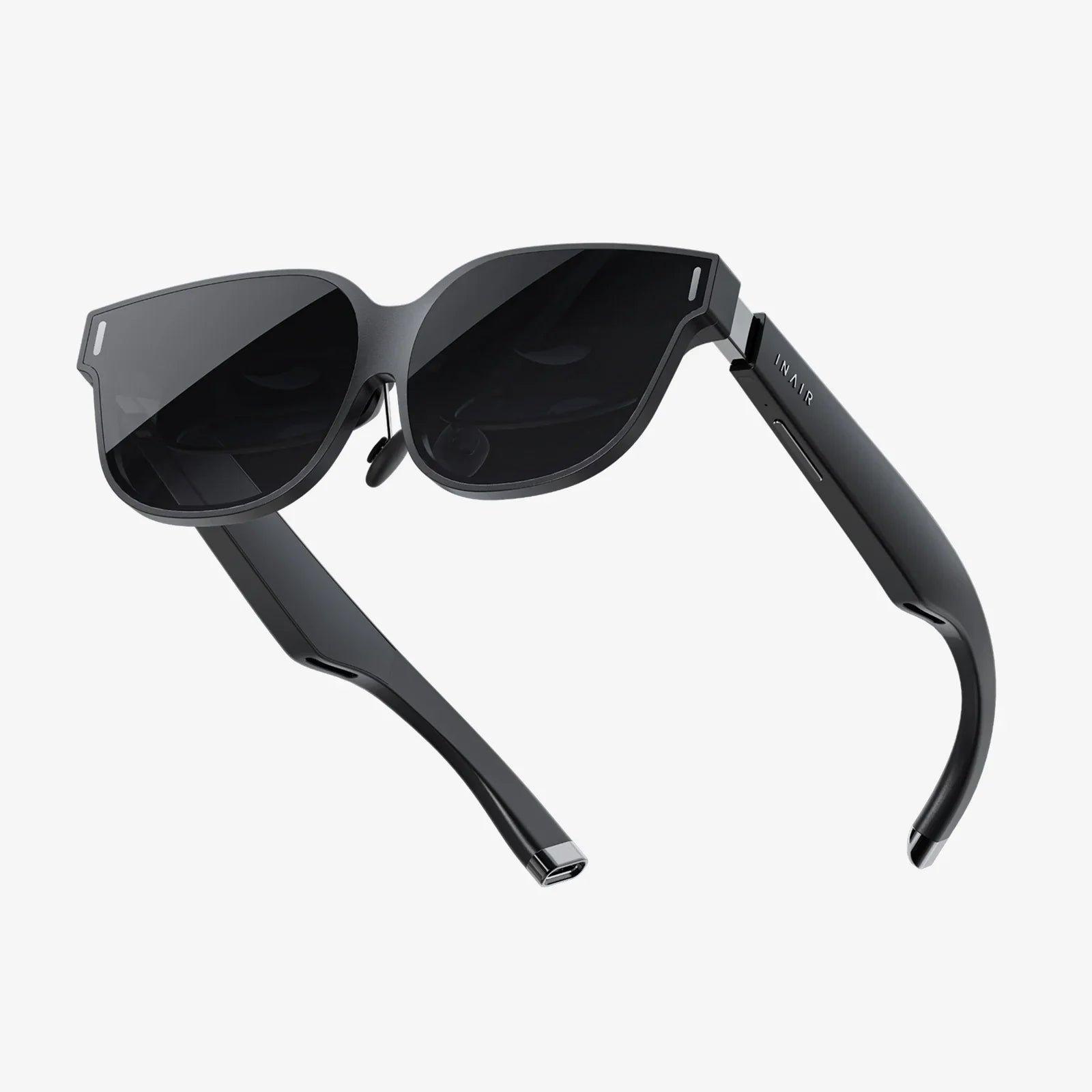
What do you do with virtual reality glasses when the novelty of the first demo wears off? For many people, the answer starts with games and ends with dust on a shelf. Yet that same device can become your private cinema, your fitness studio, your classroom, your office, and even your creative playground. If you are only using your headset for quick entertainment, you are leaving a lot of value on the table.
This guide walks you through dozens of practical, fun, and surprisingly useful things you can do with virtual reality glasses. Whether you are a curious beginner or a long-time owner wondering what else is possible, you will find concrete ideas, examples, and scenarios that can transform your headset from a toy into a powerful daily tool.
Understanding What Virtual Reality Glasses Really Are
Before exploring use cases, it helps to understand what virtual reality glasses actually do. At their core, they are head-mounted displays that track your head movements and often your hand movements, then render 3D worlds around you in real time. This creates a strong sense of presence, making your brain feel as if you are inside another place, not just looking at a screen.
Modern virtual reality glasses typically include:
- High-resolution displays near your eyes for stereoscopic 3D visuals
- Head tracking to update the scene as you look around
- Motion controllers or hand tracking for interaction
- Built-in audio or support for headphones for 3D sound
- Standalone processing or a connection to a computer or console
Because VR glasses can simulate distance, scale, and depth, they are useful for much more than games. They can replace or augment screens, environments, and even some physical tools.
1. Gaming: The Most Popular Answer to “What Do You Do With Virtual Reality Glasses?”
Gaming is the first thing most people think of, and for good reason. Virtual reality games put you inside the action rather than in front of it. You do not just press buttons to swing a sword or aim a bow; you move your arms and feel the motion.
Common gaming experiences with VR glasses include:
- Immersive action games where you physically dodge, duck, and aim
- Puzzle and escape room games that use your spatial awareness
- Racing and flight simulators that place you inside the cockpit
- Rhythm and music games that double as cardio workouts
- Social games where you play and talk with others in shared worlds
Gaming in VR often feels more intense than on a flat screen. The sense of scale and presence can make even simple games feel fresh and memorable.
2. Watching Movies and TV in a Private Virtual Cinema
One of the most underrated uses for virtual reality glasses is simply watching movies and shows. Instead of a small screen, you get a giant virtual cinema screen floating in front of you, often in a cozy digital environment like a theater, living room, or even a beach.
Some common ways people use VR glasses for video include:
- Personal home theater: Watch films on a massive virtual screen, even in a small room.
- Travel entertainment: Use a headset on a plane, train, or bus to block out surroundings.
- Shared viewing experiences: Join virtual rooms where friends watch the same content together.
- 360-degree videos: Stand in the middle of documentary footage, concerts, or travel scenes.
For people who live with roommates or family, VR glasses can function as a private screen. You can watch late at night without disturbing others, or enjoy content without competing for the main TV.
3. Exploring 360-Degree Travel and Tourism Experiences
If you have ever wanted to stand at the edge of a mountain, walk through an ancient temple, or float in space, virtual reality glasses can bring you surprisingly close. Travel and tourism experiences in VR range from realistic 360-degree video tours to fully interactive 3D environments.
Popular travel-related uses include:
- Virtual city tours to explore landmarks and neighborhoods before visiting in person
- Museum and gallery visits with detailed views of art and artifacts
- Nature experiences like diving with sea life or hiking remote trails
- Historical reconstructions that recreate ancient cities or events
These experiences are not just for entertainment. They can help you plan real trips, teach geography and history, or offer a way to "travel" when physical travel is not possible.
4. Learning and Education in Fully Immersive Classrooms
Virtual reality glasses can turn abstract concepts into tangible experiences. Instead of reading about the solar system, you can stand among the planets. Instead of memorizing anatomy from flat diagrams, you can walk around a 3D model of the human body.
Educational uses for VR include:
- Science simulations such as exploring the inside of a cell or traveling through the bloodstream
- History reenactments that place you in historical events or ancient civilizations
- Language learning where you practice in virtual cafes, markets, or streets
- Virtual classrooms where students and teachers meet in shared spaces
Because VR can make learning more interactive and memorable, it is increasingly used in schools, training centers, and self-study programs. For complex or dangerous scenarios, such as learning lab procedures or safety protocols, VR offers a risk-free environment to practice.
5. Professional Training and Skill Development
Beyond general education, virtual reality glasses are powerful tools for professional training. They allow people to practice skills in realistic settings without the cost, risk, or logistical complexity of real-world setups.
Examples of professional training in VR include:
- Medical and surgical practice using virtual patients and operating rooms
- Industrial safety training for working with machinery or hazardous environments
- Customer service and soft skills through role-playing with virtual characters
- Emergency response drills for firefighters, paramedics, or security staff
What do you do with virtual reality glasses if you want to advance your career? You can use them to rehearse presentations, practice interviews, or simulate workplace scenarios. Repetition in VR helps build confidence and muscle memory without real-world consequences.
6. Remote Work, Virtual Offices, and Collaboration
As remote work becomes more common, virtual reality glasses offer new ways to collaborate. Instead of staring at a grid of video thumbnails, you can sit around a virtual table with colleagues, scribble on whiteboards, and manipulate 3D models together.
Typical work-related uses include:
- Virtual meeting rooms where participants appear as avatars
- Shared whiteboards for brainstorming and planning
- 3D model reviews for architecture, product design, or engineering
- Virtual offices where you can focus in a distraction-free environment
Some people use VR glasses as an alternative to multiple monitors. They open large virtual screens around them to manage documents, code, or design tools in a simulated workspace, even if they only have a small physical desk.
7. Fitness, Exercise, and Active Gameplay
One of the most motivating answers to “what do you do with virtual reality glasses” is: you move. VR can turn exercise into a game, making workouts more engaging and less repetitive.
Fitness-focused VR activities include:
- Boxing and martial arts workouts where you punch and dodge virtual opponents
- Dance and rhythm games that burn calories while you follow music
- Guided fitness classes with virtual trainers and scenic backdrops
- Sports simulations such as tennis, table tennis, or golf practice
Because VR workouts are often fun and interactive, they can help people who struggle with motivation in traditional gyms. The immersive nature also helps you forget you are exercising, which can lead to longer sessions and better consistency.
8. Meditation, Relaxation, and Mental Wellness
Virtual reality glasses are not just for intense action. They can also create calm, soothing environments that support mental health and relaxation. With the ability to block out your physical surroundings, VR is well suited for guided meditation and mindfulness practices.
Wellness uses for VR include:
- Guided meditation sessions in peaceful virtual landscapes
- Breathing exercises with visual feedback and calming soundscapes
- Stress-relief experiences such as floating above clouds or sitting by a virtual lake
- Exposure therapy and phobia treatment under professional guidance
By combining visual, auditory, and sometimes haptic cues, VR can help users disconnect from daily stress and focus on relaxation. Some people use a headset for a short mental break during workdays, treating it like a portable escape room for the mind.
9. Socializing and Meeting People in Virtual Worlds
What do you do with virtual reality glasses when you want to be social? You can join virtual worlds where people from around the globe meet, talk, play games, attend events, and explore together. These spaces often feel more natural than text chats or video calls because you share a sense of place.
Common social uses include:
- Virtual hangout spaces like lounges, parks, or fantasy worlds
- Live events such as concerts, comedy shows, or conferences
- Cooperative games where you team up with friends or strangers
- Meetups and clubs centered around interests like art, music, or coding
For people who feel shy in person or live far from friends, VR social platforms offer a way to connect in more embodied ways. You can use gestures, body language, and spatial audio, which makes conversations feel more natural than text-based communication.
10. Art, Design, and Creative Expression in 3D
Virtual reality glasses open up entirely new creative workflows. Instead of drawing on a flat tablet or paper, you can paint, sculpt, and design in full 3D space. This is especially powerful for artists, designers, and creative hobbyists.
Creative activities in VR include:
- 3D painting and drawing where you create art that surrounds you
- Virtual sculpting with tools that let you mold and carve digital clay
- Storyboarding and scene design for films or animations
- Architectural visualization where you walk through your own designs
Because VR lets you manipulate scale easily, you can work on tiny details one moment and then step back to view a massive scene the next. This flexibility makes it a compelling medium for both experimentation and professional work.
11. Architecture, Engineering, and Product Visualization
For architects, engineers, and product designers, virtual reality glasses provide a way to experience designs before they are built. Instead of relying only on floor plans or 3D renders on a monitor, you can step inside a building or hold a virtual product in your hands.
Typical professional visualization uses include:
- Virtual walkthroughs of buildings to test layout, lighting, and scale
- Product mockups that can be inspected from all angles and at different sizes
- Ergonomics testing for interiors, dashboards, and workspaces
- Client presentations that let stakeholders experience designs directly
This approach can reveal design issues early, saving time and money. For clients, it is often easier to understand a space or object when they can inhabit or manipulate it rather than interpreting technical drawings.
12. Simulations for Driving, Flying, and Specialized Skills
Another powerful use case for virtual reality glasses is simulation. By combining VR with steering wheels, joysticks, or other controllers, you can practice driving, flying, or operating equipment in realistic virtual environments.
Simulation-based uses include:
- Driving practice for learning road rules or handling difficult conditions
- Flight simulation to understand cockpit layouts and basic maneuvers
- Marine and boating scenarios with changing weather and sea conditions
- Specialized equipment operation such as cranes or heavy machinery
While these simulations do not fully replace real-world training, they can complement it by giving learners more time to practice procedures, decision-making, and emergency responses without risk.
13. Shopping, Virtual Stores, and Product Demos
What do you do with virtual reality glasses when you want to shop smarter? You can visit virtual showrooms, view products at life size, and even place items in a digital version of your own space to see how they fit.
Shopping-related uses include:
- Virtual furniture placement to preview how items look in your home
- Vehicle showrooms where you can sit inside and explore interiors
- Clothing and accessory previews using avatars with your measurements
- Interactive product demos that show how gadgets or appliances work
As virtual commerce evolves, VR glasses may become a standard way to evaluate big purchases. Being able to walk around a sofa or inspect a kitchen layout in 3D can make online shopping feel more confident and informed.
14. Accessibility, Therapy, and Rehabilitation
Virtual reality glasses can also serve as assistive and therapeutic tools. For people with limited mobility, VR can offer experiences that are physically difficult or impossible in the real world. For therapists, it provides controlled environments to support rehabilitation and mental health treatment.
Examples include:
- Physical rehabilitation exercises gamified to encourage movement and adherence
- Cognitive training with tasks that challenge memory, attention, and problem-solving
- Exposure therapy for phobias, anxiety, or post-traumatic stress, under professional guidance
- Accessible travel experiences for users who cannot easily travel physically
When used thoughtfully and with expert oversight, VR can complement traditional therapies and open new pathways for engagement and progress.
15. Daily Productivity: Using VR as a Giant Virtual Monitor
Beyond specialized applications, there is a very practical daily use: turning your virtual reality glasses into a flexible, portable multi-monitor setup. In a virtual workspace, you can open several large screens around you, each showing different applications or documents.
Productivity-focused uses include:
- Writing and research with references on multiple virtual screens
- Coding with code, documentation, and logs visible at the same time
- Design work with tools, canvases, and asset libraries all in view
- Distraction-free focus sessions in minimal virtual environments
For people who travel frequently or work in small spaces, VR workspaces can replicate the feel of a multi-monitor office without the physical hardware.
16. Content Creation: Filming and Capturing VR Experiences
Another answer to “what do you do with virtual reality glasses” is: you create content for others. Many creators record their VR gameplay, tutorials, or virtual tours and share them on video platforms or within VR communities.
Content creation activities include:
- Recording gameplay with commentary for entertainment or education
- Creating guided tours of virtual worlds or educational environments
- Building interactive experiences using game engines or VR creation tools
- Capturing 360-degree videos for viewers who use VR or mobile devices
As more people gain access to VR, demand for immersive content grows. If you enjoy teaching, storytelling, or designing experiences, your headset can become both your canvas and your camera.
17. Experimenting With Future Interfaces and Mixed Reality
Virtual reality glasses are not limited to fully virtual worlds. Many headsets now support mixed reality, blending digital objects with your real surroundings through passthrough cameras. This opens up new interface experiments and practical uses.
Mixed reality activities include:
- Pinning virtual screens to your real walls or desk
- Playing games that interact with your furniture and room layout
- Designing room layouts by placing virtual objects in your physical space
- Prototype testing of user interfaces that respond to real-world context
For developers, designers, and curious users, experimenting with mixed reality is a way to explore what future computing might feel like, where digital information is layered seamlessly onto the physical world.
18. Family Fun and Shared Experiences at Home
VR is often seen as a solitary activity, but it can be surprisingly social in a living room. Families and friends can take turns in the headset while others watch the view on a TV, cheering, laughing, and giving suggestions.
Shared home uses include:
- Party games where one person plays in VR and others participate from outside
- Virtual tourism nights exploring cities or nature scenes together
- Educational experiences that parents and children discuss as they go
- Creative sessions where everyone suggests ideas for VR art or builds
By treating the headset as a shared device rather than a personal gadget, you can turn VR into a group activity that sparks conversation and shared memories.
19. Practical Tips to Get More Out of Your VR Glasses
Knowing what you can do is one thing; making it part of your routine is another. To truly benefit from your virtual reality glasses, consider a few practical strategies:
Curate a Balanced Library
Instead of only installing games, include apps for fitness, meditation, education, and productivity. When you put on the headset, you will have more options than just entertainment.
Create Comfortable Sessions
Adjust the straps, lens spacing, and brightness to reduce strain. Use shorter sessions at first if you are prone to motion discomfort, and favor experiences that use natural movement or teleportation over artificial smooth motion.
Set Intentional Time Blocks
Use VR for specific purposes: a 20-minute workout, a 10-minute meditation, a 30-minute focused work session, or a scheduled language lesson. Treat it as a tool, not just a distraction.
Combine VR With Real-World Goals
Link your VR activities to tangible outcomes: improved fitness, new skills, better focus, or creative projects. This makes it easier to justify the time you spend in virtual environments.
20. The Future: Why Learning These Uses Now Matters
Virtual reality glasses are evolving quickly. Higher resolutions, better comfort, improved hand tracking, and more powerful processors are steadily expanding what is possible. As these devices become lighter and more affordable, their role in everyday life will likely grow.
By exploring diverse uses today, you are not just finding new ways to entertain yourself. You are learning how to navigate a new computing platform that may eventually sit alongside or even replace traditional screens in some contexts.
What do you do with virtual reality glasses when you want them to be more than a novelty? You turn them into a personal gym, a classroom, a theater, a studio, an office, and a portal to experiences that would otherwise be out of reach. The more you experiment, the more you will discover that the real power of VR is not in any single app, but in how all these uses combine to reshape how you play, learn, work, and connect.
Aktie:
Artificial Intelligence Inventions Reshaping the Future of Human Life
KI-Tools: Vor- und Nachteile – Ein umfassender Leitfaden für die neue digitale Welt