


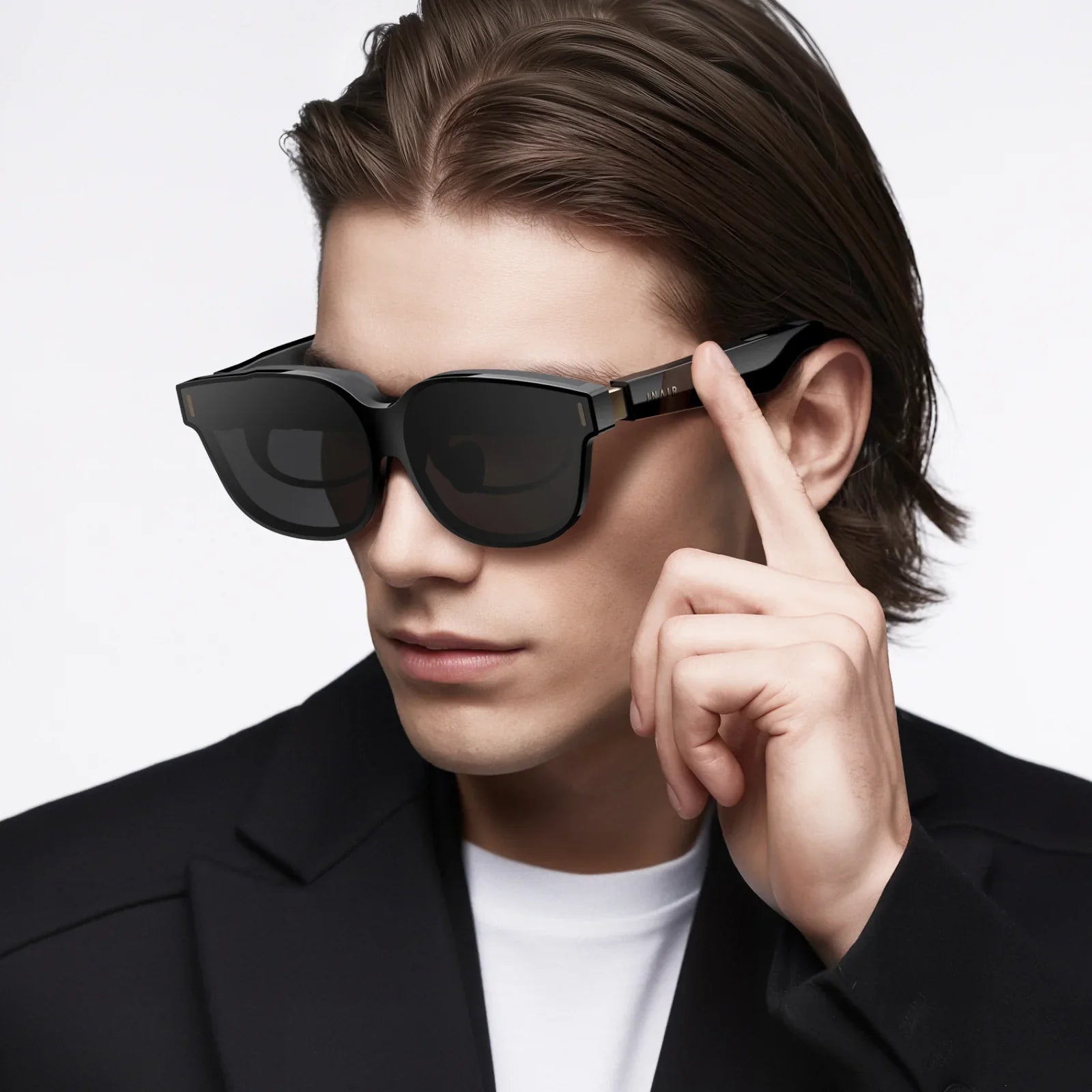
try out glasses virtually is no longer a futuristic gimmick; it is quickly becoming the smartest shortcut to stylish, comfortable eyewear without stepping foot in a store. If you have ever hesitated to buy glasses online because you were afraid they would not suit your face, sit right on your nose, or match your personality, virtual try-on tools are about to change the way you shop. With just a camera and a few minutes of your time, you can test dozens of frame shapes, colors, and sizes, all from your sofa, and dramatically increase your chances of loving what arrives in your mailbox.
Yet, many people still do not get the full benefit of these tools. They click a few frames, take a quick look, and then either give up or make a rushed decision. To truly unlock the power of trying out glasses virtually, you need a bit of strategy: understanding how the technology works, how to prepare your face, how to read what you see on the screen, and how to connect those digital images with real-world comfort and style. This guide walks through all of that, so you can use virtual try-ons like a pro.
Why try out glasses virtually is changing eyewear shopping
Online eyewear shopping used to be a guessing game. You could measure your face, read size charts, and scroll through customer photos, but you still had to imagine what each frame would actually look like on you. Virtual try-on tools remove most of that guesswork by letting you see frames on your own face in real time or through an uploaded photo.
There are several reasons this shift is so powerful:
- Instant visual feedback: Instead of wondering whether round frames will soften your features or whether bold colors will overpower your skin tone, you see the effect immediately.
- Faster comparisons: You can switch between frame shapes and colors in seconds, making it easy to narrow down your favorites.
- Less pressure: At home, there is no sales pressure, no time limit, and no need to feel self-conscious when trying unusual styles.
- More experimentation: When you try out glasses virtually, you are more likely to explore styles you would normally skip in a store, which can lead to surprisingly good discoveries.
Instead of treating virtual try-on as a novelty, think of it as a serious decision-making tool that can save you time, money, and buyer’s remorse.
How virtual glasses try-on technology actually works
To use virtual try-on tools effectively, it helps to understand what is happening behind the scenes. While each website or app has its own approach, most rely on a combination of three core technologies:
- Face detection: Software identifies key points on your face, such as your pupils, nose bridge, and the outline of your face. This helps place the frames in the right position.
- 3D mapping or 2D overlay: Some tools create a rough 3D map of your face, while others simply overlay a frame image on your photo or video feed. 3D mapping tends to give more realistic results.
- Scaling and alignment: The software uses your camera input and sometimes reference measurements (like your pupillary distance) to scale the frames so they look proportionate and sit correctly on your virtual face.
Even the best technology has limits, though. The digital frames may not perfectly reflect the exact curve of the arms behind your ears or the precise weight of the materials. That means you should use virtual try-ons to evaluate the overall look, shape, and proportions, then combine that visual information with technical details like frame measurements and lens requirements.
Preparing to try out glasses virtually for the best results
Just as you would not try on glasses in a poorly lit dressing room with a smudged mirror, you should set yourself up properly when using virtual try-on tools. A few simple steps can dramatically improve what you see on the screen.
1. Get your basic measurements ready
Before you start, gather these key pieces of information:
- Pupillary distance (PD): This is the distance in millimeters between the centers of your pupils. It affects how your lenses are positioned in the frames. Some virtual tools can estimate PD through your camera, but having an accurate number from an eye exam is better.
- Current frame size (if you already wear glasses): Check the numbers printed on the inside of your current frames, usually in a format like 52-18-140 (lens width, bridge width, temple length in millimeters).
- Prescription details: If you plan to order prescription lenses, knowing your prescription strength and any special requirements (like progressive lenses) will guide which frames are practical.
2. Set up your environment
When you try out glasses virtually, your environment can make or break your experience. Aim for:
- Good lighting: Natural daylight is ideal, but a bright, diffused artificial light also works. Avoid harsh overhead lights that cast strong shadows or very dim rooms that make your face hard to detect.
- Neutral background: A plain wall or uncluttered space helps the software detect your face and lets you focus on the frames rather than background distractions.
- Stable camera position: Prop up your laptop, phone, or tablet so the camera is at eye level. This gives a more accurate view of how glasses will look in everyday interactions.
3. Prepare your face
Small adjustments can make virtual try-ons more realistic:
- Remove your current glasses: If you already wear glasses, take them off so the software can clearly see your eyes and nose bridge.
- Pull hair away from your face: Tuck hair behind your ears or tie it back so you can see how the frames interact with your face shape and ear position.
- Wear typical makeup (if any): If you usually wear makeup, apply it as you normally would. This helps you judge how frame colors and shapes work with your everyday look.
Choosing the right frames when you try out glasses virtually
Virtual try-on tools are only as helpful as the choices you feed into them. Understanding which frame shapes and sizes generally suit your face can make the process smoother and more productive.
Identify your face shape
You do not need a perfect classification, but having a rough idea helps. Look in a mirror or at a straight-on photo and note the width of your forehead, cheekbones, and jawline, as well as the length of your face.
- Round face: Soft curves, similar width and length, minimal angles.
- Oval face: Slightly longer than wide, gently rounded jawline, balanced proportions.
- Square face: Strong jawline, broad forehead, width and length similar, pronounced angles.
- Heart-shaped face: Wider forehead, narrower chin, sometimes high cheekbones.
- Diamond face: Narrow forehead and chin, wider cheekbones.
Once you have a sense of your face shape, you can use general guidelines as a starting point, then refine using virtual try-ons.
Frame shapes that typically work well
These are common pairings, but remember that rules are made to be broken, especially when you can instantly see the results on your face.
- Round faces: Angular frames (rectangular or square) can add definition and balance. Avoid very small or perfectly round frames if you want to avoid emphasizing roundness.
- Oval faces: Most frame shapes work well. Use virtual try-ons to experiment broadly, focusing more on size and style than strict shape rules.
- Square faces: Rounded or oval frames can soften strong angles. Slightly wider frames can balance the jawline.
- Heart-shaped faces: Bottom-heavy frames or subtle cat-eye shapes can balance a wider forehead and narrower chin.
- Diamond faces: Oval and cat-eye frames can complement high cheekbones and soften angles.
Understanding frame size on screen
One of the easiest mistakes to make when you try out glasses virtually is misjudging size. A frame that looks sleek on a small screen may be oversized in real life, and vice versa. To avoid this, pay attention to:
- Lens width: This influences how wide the frames appear on your face. If your current glasses fit well, use their lens width as a reference point.
- Bridge width: This affects how far apart the lenses sit. A bridge that is too wide can make frames slide down your nose; too narrow can pinch.
- Temple length: This is the length of the arms. While virtual tools may not show the full side view, check that the listed length is similar to frames you find comfortable.
When using a virtual try-on, look for options to view frames from multiple angles if available. A side view can help you judge whether the frames stick out too far or sit too close to your face.
Evaluating style and personality when trying glasses virtually
Glasses are more than a vision aid; they are part of your identity. Virtual try-on tools make it easier to see how different styles change your overall vibe, from serious and professional to playful and bold.
Match frames to your lifestyle
Consider where and how you will wear your glasses most often:
- Office or professional settings: Classic shapes and neutral colors often feel appropriate. Use virtual try-ons to test subtle variations in shape that still look polished.
- Creative or casual environments: You might feel comfortable experimenting with bolder colors, thicker rims, or distinctive shapes.
- Active lifestyles: Lightweight, secure-fitting frames are important. While virtual tools cannot show weight, they can help you see whether a frame looks streamlined or bulky.
Consider color and skin tone
Color can be tricky to judge on a screen, but virtual try-on still helps you see relative differences:
- Neutral tones: Blacks, browns, and tortoise patterns tend to work with many skin tones and outfits.
- Cool colors: Blues, grays, and certain purples may complement cooler skin undertones.
- Warm colors: Ambers, reds, and warm browns can flatter warmer undertones.
When you try out glasses virtually, compare a neutral frame to a colored one side by side. Ask yourself which one makes your eyes stand out and which one blends into your face. Often, the right color makes your eyes look brighter and your features more defined.
Think about your existing wardrobe
Glasses sit on your face every day, so they should harmonize with your usual clothing style. While trying frames virtually, imagine them with your go-to outfits:
- If you wear mostly minimal, neutral clothing, a bold frame can be a stylish focal point.
- If your wardrobe is already colorful and patterned, a more understated frame might be easier to coordinate.
- If you like to change your look frequently, consider whether you might eventually want more than one pair: one subtle, one expressive.
Technical tips to make virtual try-ons more accurate
Even with good lighting and preparation, there are a few extra tricks that can make virtual try-ons more realistic and reliable.
Use multiple devices if possible
The camera quality on your phone, tablet, and laptop may differ. If you can, try the virtual tool on more than one device and compare:
- Higher resolution cameras tend to produce sharper images, making it easier to judge detail.
- Larger screens can help you see proportions more clearly, especially when comparing frame sizes.
Take still images as well as live video
Many tools offer both live video try-on and the option to capture a still image. Use both:
- Live video shows how frames move with your expressions and head movements.
- Still images let you pause and analyze details, or compare different frames side by side.
Try smiling, looking serious, and turning your head slightly to each side while using live video. For still images, capture a relaxed, natural expression that reflects how you usually look.
Compare with your current glasses
If you already own a pair of glasses that you like, use them as a benchmark:
- Take a photo of yourself wearing your current frames.
- Use the virtual try-on to capture images of new frames.
- Compare them side by side to see whether the new frames are larger, smaller, bolder, or more subtle.
This comparison can help you avoid choosing frames that are dramatically different in size or style unless that is your deliberate goal.
Common mistakes when you try out glasses virtually
Knowing what to avoid can save you from disappointment when your glasses arrive. These are frequent pitfalls and how to steer clear of them.
Relying only on front-facing views
Many virtual tools default to a straight-on view, which is important but incomplete. If you only look head-on, you might miss:
- How far frames protrude from your face.
- Whether the arms look too thick for your taste.
- How the overall profile appears from the side.
If the tool allows, rotate the view or slightly turn your head to simulate side angles. This gives a more realistic sense of how others will see your glasses in everyday life.
Ignoring frame measurements
Virtual images can be deceiving if the software does not perfectly scale the frames. Always cross-check the listed measurements:
- Compare lens width, bridge width, and temple length to any existing frames you find comfortable.
- Look for size labels like small, medium, or large, and consider your head width.
Even if a frame looks great on screen, measurements that are dramatically different from what you usually wear may lead to discomfort.
Overlooking nose bridge fit
On-screen, it is easy to focus on the lens shape and color while ignoring how the bridge sits on your nose. Pay close attention to:
- Whether the bridge appears to sit too high or too low.
- Whether the pads or bridge shape match your nose type (for example, some noses need adjustable nose pads for a secure fit).
When you try out glasses virtually, zoom in near the nose area and imagine how the weight of the frames would feel in that position.
Choosing style over practicality
It is tempting to fall in love with a striking frame that looks amazing in a screenshot but might not suit your daily life. Ask yourself:
- Will this frame feel appropriate at work, in social settings, and during casual activities?
- Does the frame shape allow for your prescription type, especially if you need progressive or high-index lenses?
- Will the frame thickness and weight be comfortable for long wear?
Virtual try-on helps with style, but you still need to think about how those frames will perform in real-world conditions.
Using virtual try-ons to narrow down your final choices
Instead of randomly clicking through dozens of frames, treat the process like a structured search. This makes it easier to reach a confident final decision.
Step 1: Start broad
Begin by exploring different shapes and sizes without overthinking. Try at least:
- One rectangular or square frame.
- One round or oval frame.
- One subtle cat-eye or slightly upswept frame.
- One bolder, statement frame in a color or pattern.
Capture images of each and note your immediate reactions.
Step 2: Eliminate obvious mismatches
Remove any frames that clearly do not suit your face shape, feel too large or too small, or clash with your style. You should be left with a smaller set of promising candidates.
Step 3: Compare similar options side by side
Now that you have a shortlist, compare frames that are similar in shape but different in color or size. For each pair, ask:
- Which one makes my eyes stand out more?
- Which one balances my facial features better?
- Which one feels more like the version of myself I want to present?
Use screenshots or saved images to view them next to each other, so your brain does not have to rely on memory.
Step 4: Get a second opinion
If you are torn between a few options, share your virtual try-on images with friends, family, or colleagues whose taste you trust. Ask for specific feedback, such as:
- Which frames look most natural on me?
- Which frames make me look more confident or approachable?
- Do any frames seem distracting or out of proportion?
Other people often notice subtle details that you might miss when focusing on your own reflection.
Adapting virtual try-ons for different types of glasses
The way you use virtual tools will vary slightly depending on whether you are shopping for everyday eyeglasses, reading glasses, or sunglasses.
Everyday prescription glasses
For glasses you will wear most of the day, prioritize comfort and versatility:
- Use virtual try-on to test shapes that you can imagine wearing in many settings.
- Check that the frame height allows enough vertical space for your prescription, especially if you need multifocal lenses.
- Choose colors that complement a wide range of outfits.
Reading glasses
Reading glasses are often put on and taken off frequently and may not be worn in all social situations:
- Use virtual try-on to test slightly smaller frames if you prefer a more subtle look.
- Consider whether you want them to stand out or blend in when you are reading in public.
Sunglasses
When you try out glasses virtually for sun protection, style and coverage both matter:
- Check how much of your eye area the lenses cover; more coverage can mean better protection from bright light.
- Test darker lens tints and different frame thicknesses to see how they affect your overall look.
- Consider whether you want bold, fashion-forward sunglasses or more timeless designs.
What to do after you choose your frames virtually
Once you have selected your favorite frames using virtual try-on, a few final steps can help ensure that the real-life result matches your expectations.
Double-check your prescription and lens options
Before placing your order, review your prescription details carefully. Make sure:
- The prescription is current and matches your eye care provider’s records.
- You have correctly entered sphere, cylinder, axis, and any additional values like add power for multifocal lenses.
- You have selected lens options that match your needs, such as blue light filtering, anti-reflective coatings, or thinner lenses for higher prescriptions.
Review return and adjustment policies
Even with the best virtual try-on process, there is always a small chance that the frames may not feel perfect once you wear them in real life. Check:
- How long you have to return or exchange the glasses if needed.
- Whether adjustments or minor fitting services are available.
Knowing these details in advance can make you more confident about ordering based on virtual try-on results.
Why now is the perfect time to try out glasses virtually
With cameras in every pocket, faster internet connections, and increasingly sophisticated face-mapping technology, there has never been a better moment to embrace virtual eyewear try-ons. Instead of spending hours visiting multiple stores, you can explore a wider variety of styles from home, compare them calmly, and involve friends or family in the decision without coordinating schedules.
More importantly, using virtual try-on tools thoughtfully helps you focus on what truly matters: how glasses make you feel when you see yourself wearing them. You are not just choosing a frame; you are choosing a look that will greet you in the mirror every morning and appear in countless photos and meetings. By taking the time to prepare your environment, understand your face shape, evaluate frame sizes, and compare options side by side, you transform a simple online feature into a powerful personal styling assistant.
The next time you are tempted to stick with the same old style because it feels safe, open a virtual try-on tool and give yourself permission to experiment. Try bolder shapes, explore new colors, and see how subtle changes in frame size or angle can refresh your entire appearance. When you finally click the order button, you will not be guessing; you will be choosing with clarity and confidence, backed by dozens of virtual fittings that show exactly why those frames are right for you.
共有:
Amplify Glass Screen Protector Guide For Maximum Phone Protection
Amplify Glass Screen Protector Guide For Maximum Phone Protection