


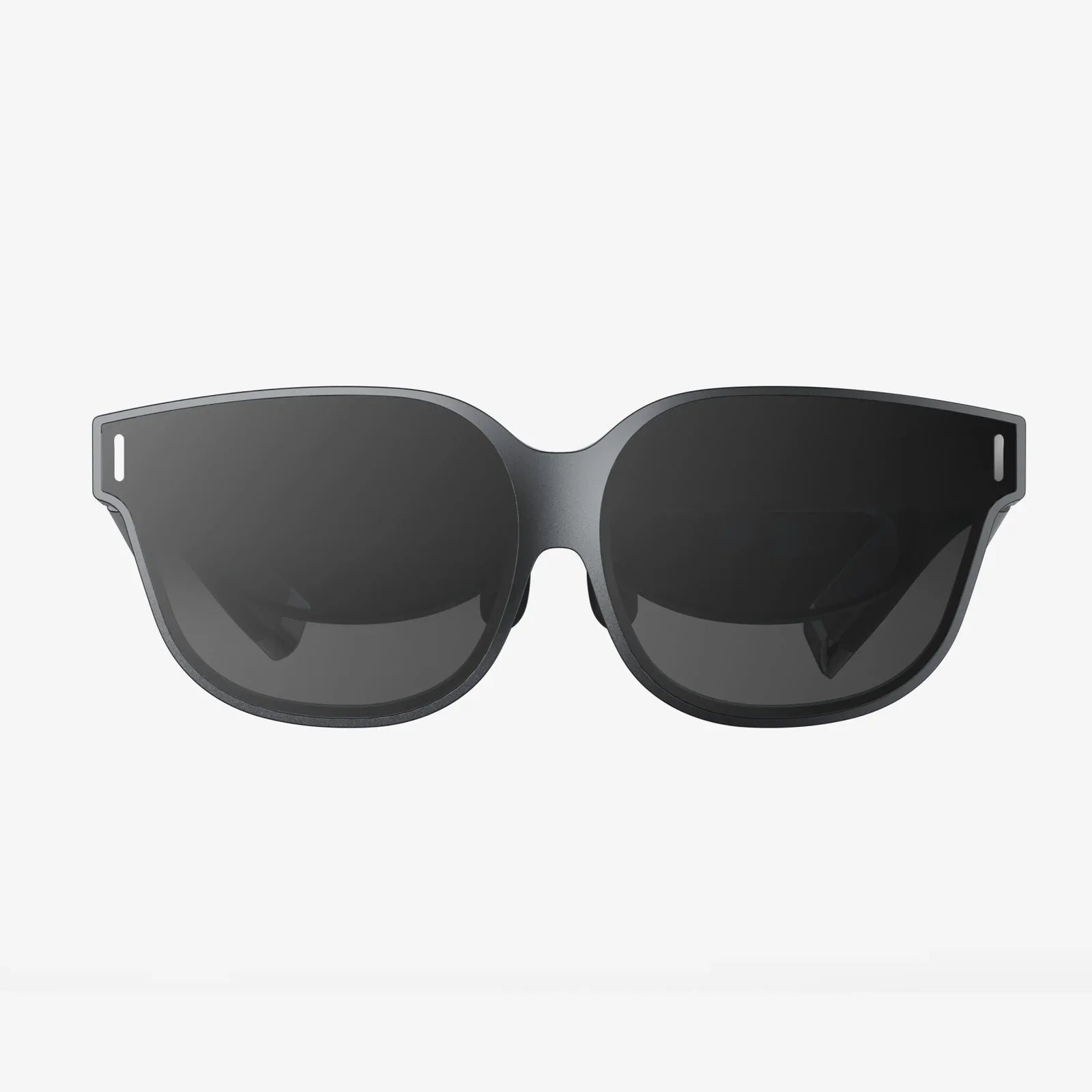
If you have ever slipped on a pair of 3d sunglasses and felt like the action was leaping off the screen, you already know how powerful they can be. But what most people do not realize is that the right 3d sunglasses can completely change the way you watch movies, play games, and explore virtual worlds, turning flat images into immersive experiences that feel almost real.
Whether you are a movie fan, a gamer, a home theater enthusiast, or just curious about how 3D works, understanding 3d sunglasses is the key to unlocking that extra layer of depth and excitement. This guide walks you through how they work, the different technologies behind them, how to choose the best pair for your needs, and how to get the most out of every 3D session.
What Are 3d Sunglasses and Why Do They Matter?
3d sunglasses are specialized glasses designed to separate two slightly different images so that each eye sees its own version of the scene. Your brain then combines these images to create the illusion of depth, making a flat screen look three-dimensional. Without 3d sunglasses, a 3D movie or game just looks blurry, doubled, or distorted.
They matter because they are the final link in the 3D chain. You can have a high-end TV, projector, or cinema system that supports 3D, but without the correct 3d sunglasses, you will not experience the intended effect. Well-designed 3d sunglasses can:
- Enhance immersion in movies, games, and VR environments
- Provide a more natural sense of depth and space
- Reduce ghosting and crosstalk between left and right images
- Improve comfort during longer viewing sessions
How 3D Vision Works: The Science Behind 3d Sunglasses
To understand 3d sunglasses, it helps to know how your eyes and brain perceive depth. Human vision relies heavily on a principle called binocular disparity. Each of your eyes sees the world from a slightly different angle. Your brain compares these two images and uses the differences to calculate depth and distance.
3D systems mimic this natural process. The display shows two slightly offset images, one meant for each eye. The job of 3d sunglasses is to ensure that each eye only sees the image intended for it, blocking or filtering out the other one. When this separation is done correctly, your brain fuses the images into a single 3D scene.
There are several ways to achieve this separation, and each method corresponds to a different type of 3d sunglasses. The main technologies are:
- Anaglyph (color-filtered) 3D
- Polarized 3D
- Active shutter 3D
- Specialized 3D for VR and AR headsets
Anaglyph 3d Sunglasses: The Classic Red-and-Blue Style
Anaglyph 3d sunglasses are the simplest and oldest type. They use colored lenses, usually red for one eye and cyan (blue-green) for the other. The 3D image on the screen is encoded with matching color information so that each lens filters out one version of the image and lets the other pass through.
Here is how they work step by step:
- The display shows two overlapping images in different colors.
- The red lens blocks the red-tinted image and lets the cyan-tinted one through, or vice versa, depending on the encoding.
- Each eye sees only one image, and the brain merges them into a 3D picture.
Anaglyph 3d sunglasses are inexpensive and work with almost any display, including standard monitors, printed images, and basic projectors. However, they have limitations:
- Color accuracy is poor, because color is used to separate images.
- Long viewing sessions can be tiring for some people.
- The 3D effect is generally less precise than modern methods.
Despite these drawbacks, anaglyph 3d sunglasses remain popular for casual use, educational materials, and low-budget 3D content because they are simple and widely compatible.
Polarized 3d Sunglasses: The Cinema Favorite
Polarized 3d sunglasses are the type most people encounter in modern movie theaters. They rely on light polarization rather than color to separate the left and right images. Polarization refers to the orientation of light waves. By controlling this orientation, a display system can send different images to each eye.
In a polarized 3D setup:
- The projector or screen displays two images with different polarization angles.
- The 3d sunglasses have lenses that match these angles, so each lens only allows light with a specific polarization to pass.
- Each eye sees only its intended image, and the brain creates the 3D effect.
There are two main types of polarization used in 3d sunglasses:
- Linear polarization: Each lens has a fixed polarization angle, such as vertical for one eye and horizontal for the other. The 3D effect can weaken if you tilt your head.
- Circular polarization: The polarization is rotational, which allows more freedom to move or tilt your head without losing the 3D effect.
Advantages of polarized 3d sunglasses include:
- Better color fidelity compared to anaglyph glasses
- Lightweight and comfortable for extended viewing
- Relatively low cost, especially in cinema environments
The main limitation is that they require compatible screens or projection systems with polarization-preserving surfaces. They are ideal for theaters and some home setups but not universal across all devices.
Active Shutter 3d Sunglasses: High-Definition Depth
Active shutter 3d sunglasses take a more advanced approach. Instead of using color or polarization, they rapidly block and unblock each lens in sync with the display. The TV or projector alternates between left-eye and right-eye images in quick succession, often at high frame rates. The 3d sunglasses have liquid crystal lenses that darken or clear in perfect timing with the screen.
The process works as follows:
- The display shows an image for the left eye while the right lens is temporarily darkened.
- Next, the display shows the right-eye image while the left lens darkens.
- This alternation happens many times per second, too fast for the viewer to notice individual frames.
- The brain blends the sequence into a single, smooth 3D image.
Benefits of active shutter 3d sunglasses include:
- High resolution for each eye, since full frames are shown separately
- Accurate color reproduction
- Compatibility with certain 3D-ready televisions and projectors
However, they also have trade-offs:
- They require power, usually from batteries or rechargeable cells.
- They must synchronize with the display, typically using infrared or radio signals.
- Some viewers may notice flicker or experience eye strain if the frame rate is low or the sync is imperfect.
Active shutter 3d sunglasses are popular among home theater enthusiasts who want high-definition 3D and are willing to manage the extra complexity.
3d Sunglasses and Virtual Reality
Virtual reality headsets use a related concept to 3d sunglasses, though the implementation is different. Instead of a single screen with overlapping images, VR headsets provide separate displays or separate sections of a display for each eye. The lenses inside the headset guide each image to the correct eye, producing a strong 3D effect with a wide field of view.
While you do not wear traditional 3d sunglasses inside a VR headset, the underlying idea is the same: each eye receives a slightly different image, and your brain creates depth. Some advanced headsets also track head and eye movements, adjusting the images in real time so that the 3D world feels stable and responsive.
Understanding how 3d sunglasses work can help you appreciate the technology behind VR and other immersive systems, since they all rely on the same core principles of stereoscopic vision.
Key Factors to Consider When Choosing 3d Sunglasses
Not all 3d sunglasses are interchangeable. The best pair for you depends on your viewing environment, the devices you use, and your personal comfort. Here are the main factors to evaluate before you invest in 3d sunglasses.
1. Compatibility with Your Display or System
The most important factor is compatibility. 3d sunglasses must match the 3D technology used by your TV, projector, monitor, or cinema system. Ask yourself:
- Does your setup use anaglyph, polarized, or active shutter 3D?
- If polarized, is it linear or circular polarization?
- If active shutter, what sync method does it use?
Using the wrong type of 3d sunglasses can result in weak 3D effects, ghosting, or no 3D at all. Always confirm the technology your system supports before purchasing.
2. Comfort and Fit
3D experiences often last for hours, so comfort is crucial. Look for 3d sunglasses that:
- Sit securely without pinching your nose or ears
- Have lightweight frames, especially for children or long sessions
- Offer enough room to fit over prescription eyeglasses if needed
Some designs are specifically made as clip-ons for existing glasses, while others are oversized to accommodate different face shapes. Trying different styles can help you find a pair that feels natural.
3. Lens Quality and Clarity
The quality of the lenses in 3d sunglasses has a major impact on your experience. High-quality lenses can reduce distortion, improve brightness, and minimize ghosting. Consider:
- Optical clarity and sharpness across the entire lens
- Resistance to scratches, smudges, and fingerprints
- Coatings that reduce reflections and glare
Poor lenses can make images look dull or blurry and may contribute to eye strain. If you plan to use 3d sunglasses frequently, investing in better lenses can be worthwhile.
4. Weight and Durability
Lightweight 3d sunglasses are generally more comfortable, but they must also be durable enough to handle everyday use. This is especially important in households with children or in shared environments where multiple people use the same glasses.
Look for frames made from sturdy materials that can flex slightly without breaking. Check hinges and joints for signs of weakness, and consider whether the design feels solid in your hands.
5. Power Requirements for Active Shutter Models
If you choose active shutter 3d sunglasses, pay attention to power and maintenance:
- Battery type and expected life per charge
- Ease of recharging or replacing batteries
- Indicators that show battery status or sync status
Running out of power in the middle of a movie or game can be frustrating, so it helps to have a routine for keeping your 3d sunglasses charged and ready.
Common Problems with 3d Sunglasses and How to Fix Them
Even with the right 3d sunglasses, you might encounter issues that reduce the quality of your 3D experience. Many of these problems are easy to solve once you know what to look for.
Ghosting and Crosstalk
Ghosting occurs when each eye sees a faint trace of the image meant for the other eye. This can make edges look fuzzy and reduce the sense of depth. Causes include:
- Misaligned glasses or display settings
- Poor lens quality or damaged coatings
- Incorrect polarization angle for polarized 3d sunglasses
To reduce ghosting:
- Ensure your 3d sunglasses match the technology and orientation of your display.
- Clean the lenses carefully to remove smudges and dirt.
- Check your device settings for 3D mode calibration options.
Eye Strain and Headaches
Some people experience eye strain, headaches, or discomfort when using 3d sunglasses. Contributing factors may include:
- Watching 3D content for long periods without breaks
- Improper fit or pressure points on the nose and temples
- Low brightness or flicker in active shutter systems
To improve comfort:
- Take short breaks every 30 to 45 minutes.
- Adjust the fit of your 3d sunglasses or try a different frame style.
- Increase screen brightness within safe limits, especially for active shutter setups.
Dim or Dull Images
3D systems often appear dimmer than standard viewing, because 3d sunglasses block some of the light reaching your eyes. This is normal, but excessive dimness can reduce enjoyment.
To counter this effect:
- Increase the brightness and contrast settings on your display.
- Ensure your room lighting does not overpower the screen.
- Use 3d sunglasses with high-quality lenses that transmit more light.
Sync Issues with Active Shutter Glasses
Active shutter 3d sunglasses rely on precise synchronization with the display. If the sync signal is weak or blocked, you may notice flickering or a complete loss of the 3D effect.
To improve sync:
- Ensure there is a clear line of sight between the glasses and the emitter if infrared is used.
- Reduce interference from other wireless devices if radio sync is used.
- Check that your glasses are fully charged and properly paired with the display.
How to Care for Your 3d Sunglasses
Proper care extends the life of your 3d sunglasses and keeps the 3D effect crisp and clear. Simple habits can make a big difference in performance.
Cleaning the Lenses
Dirty lenses reduce clarity and can increase ghosting. To clean your 3d sunglasses safely:
- Use a microfiber cloth designed for eyewear or camera lenses.
- If needed, apply a small amount of lens-cleaning solution to the cloth, not directly to the lenses.
- Avoid paper towels, tissues, or abrasive fabrics that can scratch the lenses.
For active shutter 3d sunglasses, be especially gentle, as the lenses contain electronic components.
Storage and Protection
When not in use, store your 3d sunglasses in a protective case or a dedicated compartment. This helps prevent:
- Scratches from contact with keys, coins, or other objects
- Accidental bending or breaking of frames
- Dust buildup on lenses and hinges
Keeping your 3d sunglasses in a consistent place also makes it easier to find them when you are ready for a movie or gaming session.
Maintaining Active Shutter Models
For active shutter 3d sunglasses, regular maintenance includes:
- Charging them fully before long viewing sessions
- Checking for firmware updates if your system supports them
- Inspecting for loose components or damage that could affect sync
Taking a few minutes to prepare your glasses before each use can prevent interruptions and keep the 3D effect smooth and stable.
Using 3d Sunglasses at Home: Practical Tips
Home 3D setups can be surprisingly impressive when configured correctly. Whether you are using a television, projector, or monitor, these tips can help you get the most from your 3d sunglasses.
Optimize Your Viewing Environment
Your room environment plays a big role in the perceived quality of 3D:
- Dim or control ambient lighting to reduce reflections on the screen.
- Position seating so that viewers face the screen directly, especially for polarized systems.
- Use a screen or wall surface recommended for 3D projection if you are using a projector.
A well-arranged room can make the 3D effect more convincing and comfortable.
Calibrate Your Display for 3D
Most displays have separate settings for 3D content. Explore the menu options to adjust:
- Brightness and contrast for better visibility through 3d sunglasses
- Color balance to compensate for any tint introduced by the lenses
- Depth or 3D intensity settings, if available, to match your preference
Some viewers prefer a subtle 3D effect, while others enjoy a more dramatic sense of depth. Adjusting these settings can help tailor the experience to your tastes.
Plan for Multiple Viewers
If you often watch 3D movies with family or friends, consider how many pairs of 3d sunglasses you need and whether they all work with your system. Mixing different models can sometimes cause slight variations in brightness or color, so test them together before hosting a group viewing.
Labeling each pair can also help people find the glasses that fit them best, especially if some are sized for children or designed to fit over prescription eyewear.
Health and Safety Considerations with 3d Sunglasses
While 3d sunglasses are generally safe for most people, it is wise to be aware of potential issues and listen to your body while using them.
Motion Sickness and Discomfort
A small percentage of viewers may feel motion sickness, dizziness, or discomfort during 3D content, particularly when the on-screen motion is intense or when the 3D effect is exaggerated. If you experience these symptoms:
- Pause the content and rest your eyes.
- Try reducing the 3D depth settings if your system allows it.
- Limit viewing time and gradually increase it as you adapt.
Children and 3D Viewing
For children, it is important that 3d sunglasses fit properly and that they are not forced to watch 3D content if they find it uncomfortable. Some experts recommend moderation for younger viewers, especially for very long sessions.
If a child complains of headaches, eye strain, or difficulty focusing, it may be best to return to standard 2D viewing and consult an eye care professional if concerns persist.
Existing Vision Conditions
People with certain vision conditions, such as significant differences between the eyes or issues with binocular vision, may find 3D effects less convincing or harder to tolerate. If you suspect this applies to you, an eye exam can help determine whether 3D viewing is advisable and whether corrective lenses might improve your experience.
The Future of 3d Sunglasses and Immersive Displays
3D technology continues to evolve, and 3d sunglasses are a key part of that progress. While interest in traditional 3D televisions has fluctuated, other areas are driving innovation, including virtual reality, augmented reality, and specialized 3D displays for design, medicine, and education.
Researchers are exploring glasses-free 3D displays, which use advanced optics to direct different images to each eye without the need for 3d sunglasses. However, these systems often have limited viewing angles and higher costs, so 3d sunglasses remain a practical and accessible solution for many applications.
As display resolutions rise and refresh rates improve, the quality of 3D experiences is likely to become smoother and more convincing. New materials and designs may also make 3d sunglasses lighter, more stylish, and more comfortable than ever, blending seamlessly with everyday eyewear.
For now, understanding how 3d sunglasses work and how to choose and care for them gives you a powerful advantage. You can transform ordinary movie nights into immersive adventures, enhance the realism of your games, and explore virtual worlds with a stronger sense of presence.
If you are ready to go beyond flat screens and unlock the depth your eyes were designed to see, the right pair of 3d sunglasses is your ticket. With the knowledge you have now, you can pick a style that fits your system, your face, and your viewing habits, then sit back and enjoy as the images in front of you stop being just pictures and start feeling like places you could almost step into.
Aktie:
Wearable Goggles And The Future Of Immersive Vision Technology
mr price glasses style guide for smart budget fashion