


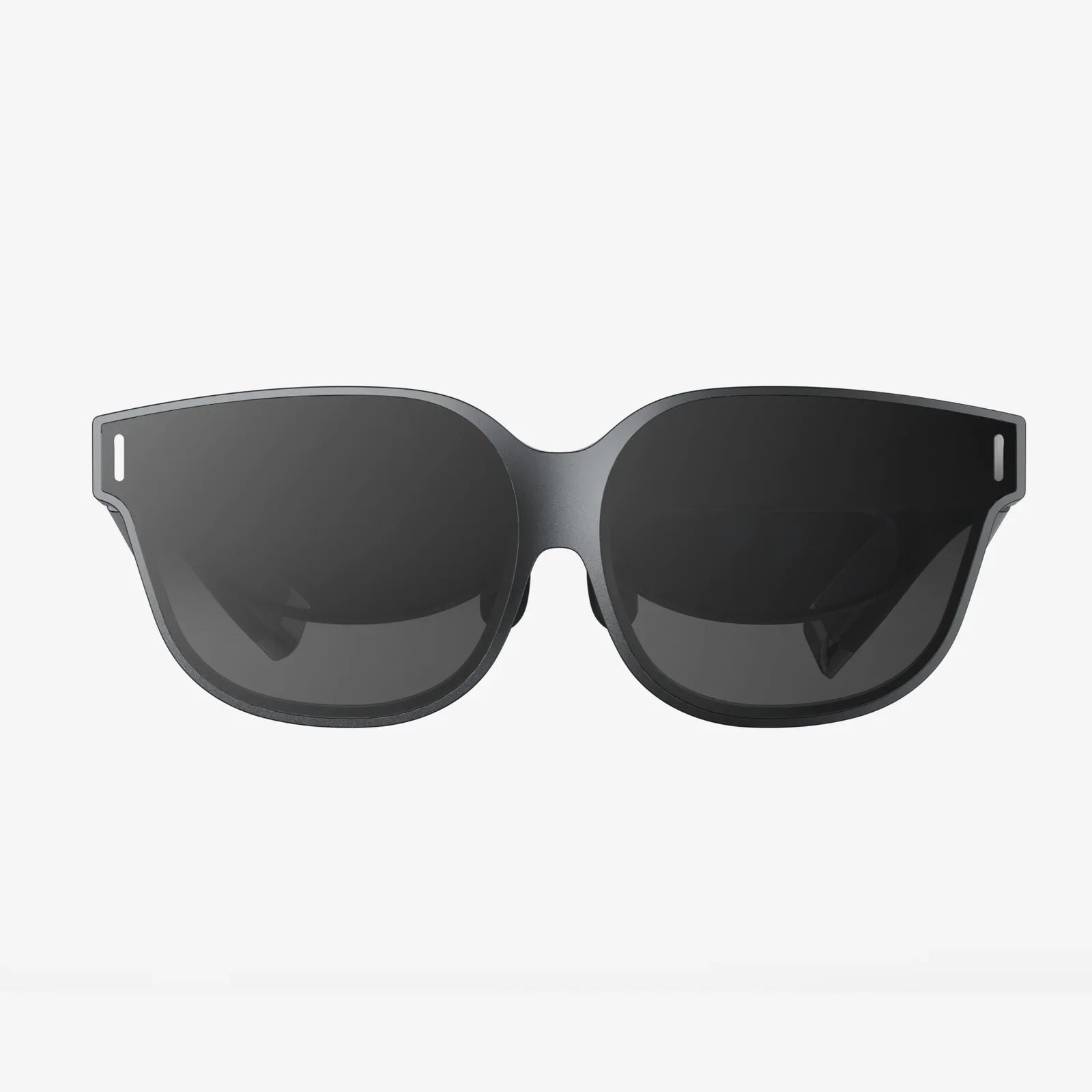
- von wangfred
ai goggles And The New Era Of Augmented Vision
- von wangfred
ai goggles are quietly becoming the next big thing people cannot stop talking about, promising to turn ordinary moments into rich, data-enhanced experiences that feel like science fiction come to life. Whether you are curious about hands-free navigation, real-time translation, smarter workouts, or immersive entertainment, these wearable devices are positioning themselves as the gateway to a world where digital information blends seamlessly with what you see in front of you.
Unlike traditional screens you hold in your hand, ai goggles sit on your face, overlaying context-aware visuals directly into your field of view. This simple shift changes how you move through the world: instead of looking down at a phone, you look up and stay engaged with your surroundings while still accessing the power of artificial intelligence. That combination of freedom, focus, and information is what makes many experts believe ai goggles could become as common as smartphones in the years ahead.
At their core, ai goggles are wearable devices that combine augmented reality (AR) displays with artificial intelligence. They use cameras, sensors, and software to understand your environment, then project digital content into your line of sight in ways that feel natural and useful.
Several technologies come together to make ai goggles work:
What separates ai goggles from older smart glasses is the depth of intelligence built in. Instead of simply showing notifications or basic overlays, they can recognize objects, interpret speech, translate text, guide your hands as you work, and adapt in real time to your preferences and surroundings.
To understand why ai goggles are gaining attention, it helps to break down the capabilities that set them apart from other wearables and screens.
ai goggles use computer vision to identify what you are looking at and where you are. They can detect faces, objects, text, landmarks, and even gestures. This context awareness allows them to show information that is relevant to the moment, such as:
Because ai goggles are worn on your face, they free up your hands. Interaction typically happens through a mix of:
This hands-free design is especially powerful for people who are walking, driving, working with tools, or simply do not want to be glued to a phone.
Modern ai goggles rely on a hybrid approach. Some AI tasks, like basic object recognition or gesture tracking, run locally on the device to reduce lag and protect privacy. More complex tasks, like advanced language translation or large-scale image analysis, may be offloaded to the cloud.
This combination enables features such as:
Using depth sensors, ai goggles can build a 3D map of your surroundings. They can tell where walls, tables, and people are, which allows digital content to be anchored in physical space. For example, virtual sticky notes can remain attached to your refrigerator, or a floating tutorial can follow a machine you are repairing.
While the technology can sound abstract, the real power of ai goggles lies in practical, everyday scenarios. Here are some ways they could change daily life for different kinds of users.
Imagine walking through a new city with arrows projected on the ground in front of you, guiding you to your destination without ever needing to look at a phone. ai goggles can overlay transit information at bus stops, translate foreign-language signs instantly, and highlight points of interest as you explore.
For drivers and cyclists, heads-up directions that float near the road can reduce the need to glance at dashboards or phones. That can mean safer trips, fewer missed turns, and less cognitive load when navigating complex routes.
For runners, hikers, and cyclists, ai goggles can display real-time stats like pace, heart rate, elevation, and distance, all without breaking stride. They can also suggest routes based on your fitness goals, warn you about upcoming obstacles, or highlight scenic viewpoints along the way.
Outdoor enthusiasts might use ai goggles to identify plants, animals, or constellations in the night sky. With AI-driven recognition, the world becomes an interactive encyclopedia that you can access simply by looking around.
In professional settings, ai goggles can become powerful productivity tools. Consider these scenarios:
For office workers, ai goggles could support virtual screens that float in front of you, freeing you from physical monitors and enabling multi-screen setups anywhere. AI assistance can summarize long documents, highlight key points, and transcribe meetings as they happen.
ai goggles have enormous potential in education. Students can explore interactive 3D models of molecules, historical sites, or complex machinery directly in the classroom. AI can provide personalized guidance, answering questions and adjusting content to each learner’s pace.
Skill-based training becomes more intuitive when instructions are overlaid on real-world tasks. For example, someone learning to cook can see measurements and timers in front of them, while a trainee electrician can follow safety-checked steps highlighted on actual panels and cables.
One of the most impactful uses of ai goggles is in accessibility. For people with visual impairments, AI-powered narration can describe the environment, read text, and identify faces. For those with hearing impairments, real-time captions can appear in their field of view during conversations.
ai goggles can also support people with cognitive challenges by offering reminders, step-by-step guidance, and visual cues that reduce confusion in complex environments like airports or hospitals.
Gaming experiences become radically more immersive when digital characters and objects appear to share your physical space. ai goggles can turn your living room into a battlefield, puzzle room, or fantasy world, with AI adapting the experience to your skill level and preferences.
Beyond games, concerts and live events can be enhanced with synchronized visuals, lyrics, or behind-the-scenes content visible only through your goggles. Movies and shows might include optional overlays that explain references, translate dialogue, or provide director commentary in real time.
To appreciate the complexity of ai goggles, it helps to look at the core technologies under the hood and how they interact in real time.
ai goggles continuously capture video through one or more cameras. Computer vision algorithms analyze each frame to detect edges, shapes, and patterns. Trained AI models then classify objects, recognize faces, read text, and estimate depth.
This processing must happen extremely fast to avoid motion sickness and preserve immersion. Advanced devices use specialized hardware accelerators optimized for vision tasks, allowing them to run models at high frame rates while conserving battery power.
To anchor digital content in the physical world, ai goggles need to know exactly where they are in 3D space. SLAM algorithms build a dynamic map of the environment while tracking the device’s position within it. This allows virtual objects to remain stable and correctly aligned even as you move your head or walk around.
SLAM combines data from cameras, inertial measurement units (IMUs), and sometimes depth sensors to maintain accurate tracking. The better the SLAM system, the more natural and convincing the augmented reality experience feels.
Voice is a primary input method for ai goggles. Natural language processing (NLP) models interpret spoken commands, questions, and conversations. These models must handle noise from the environment, differentiate between commands and casual speech, and respond quickly.
AI-driven dialogue systems can act as personal assistants, answering questions about what you are looking at, setting reminders, or helping you navigate complex tasks. Over time, they can learn your preferences and communication style, making interactions smoother and more intuitive.
Because ai goggles are limited by size, weight, and battery capacity, they cannot perform all computations locally. Edge computing strategies decide which tasks run on the device and which are sent to remote servers.
Latency-sensitive tasks like head tracking and basic object detection typically run on-device. More intensive tasks, such as large language model queries or global image search, may be processed in the cloud. Smart caching and prediction techniques help minimize delays, so users experience smooth, responsive interactions.
ai goggles are not just a single-purpose gadget; they can deliver distinct value to different groups, from casual users to professionals.
Despite their promise, ai goggles come with significant challenges that need to be addressed for them to be widely accepted and trusted.
Because ai goggles often include cameras and microphones, people around the wearer may worry about being recorded or analyzed without consent. Some key privacy issues include:
To build trust, manufacturers and policymakers will need to enforce clear indicators when recording is active, strong data protection standards, and limitations on how AI can be used for identification and tracking.
ai goggles can collect sensitive information, from your surroundings to your biometric data. If hacked, they could expose personal details, location history, or even live video feeds. Strong encryption, secure software updates, and robust authentication methods are essential to protect users.
Wearing ai goggles in public raises questions about social norms. People may feel uneasy talking to someone who appears to be recording or distracted by overlays. New etiquette will likely emerge, such as removing goggles in certain settings or using visible indicators when AI features are active.
Design also plays a role. Sleeker, more discreet designs will make ai goggles feel less intrusive and more like ordinary eyewear, making them easier to accept in social contexts.
Extended use of head-mounted displays can cause eye strain, headaches, or motion discomfort for some users. Weight distribution, lens quality, display brightness, and refresh rates all influence comfort. There are also concerns about long-term effects of having screens so close to the eyes, especially for children.
Manufacturers are working on lighter materials, better optics, and adaptive display techniques to reduce these issues, but it remains a key area of research and improvement.
ai goggles can make information more accessible, but they also risk amplifying digital overload. If not carefully designed, constant overlays and notifications could fragment attention and reduce real-world engagement.
Thoughtful user experience design is crucial: default settings that prioritize minimal, context-sensitive information; easy controls to pause or reduce overlays; and wellness features that encourage breaks and intentional use.
If you are considering adopting ai goggles in the future, certain factors will help determine whether a device fits your needs and lifestyle.
Because ai goggles are worn on your face, comfort is non-negotiable. Key aspects include:
A clear, bright, and sharp display is essential for readability and immersion. Consider:
ai goggles must balance performance with battery constraints. Look for:
The true value of ai goggles depends on the intelligence they provide and the apps they support. Consider:
Given the sensitivity of the data involved, privacy features should be a deciding factor:
The current wave of ai goggles is just the beginning. Several technological and cultural trends are likely to shape how these devices evolve over the next decade.
As components shrink and become more power-efficient, ai goggles will move closer to the look and feel of regular glasses. Thinner lenses, compact processors, and integrated batteries will allow designs that blend into everyday fashion, making them more appealing to a broader audience.
Advances in specialized chips and efficient AI models will make it possible to run increasingly complex tasks entirely on the device. This will reduce reliance on cloud connectivity, improve privacy, and enable faster responses. Users may enjoy features like advanced translation, summarization, and personalization even in offline environments.
ai goggles will likely become a central part of a broader ecosystem, working in tandem with phones, laptops, wearables, and smart home devices. You might start a task on your laptop, continue it through your goggles as you walk, and receive context-aware reminders from your smart speaker when you arrive home.
Over time, the line between augmented reality and virtual reality will blur. ai goggles could support mixed reality experiences where digital objects interact convincingly with the physical world, obeying realistic lighting, shadows, and physics. This will enable new forms of storytelling, collaboration, and creativity.
As ai goggles become more common, governments and organizations will develop clearer rules around their use. Expect guidelines on where recording is allowed, how biometric data can be processed, and what responsibilities companies have to protect users and bystanders. Ethical design practices will become a selling point, not just a legal requirement.
Whether you are eager to adopt ai goggles or simply curious about their impact, there are steps you can take now to be ready for this new wave of technology.
Most importantly, think about how you want technology to fit into your life. ai goggles can amplify both the best and the worst aspects of our digital habits. Used thoughtfully, they can reduce friction, support learning, and enhance real-world experiences. Used carelessly, they could add noise, distraction, and new forms of intrusion.
ai goggles are poised to become one of the most transformative devices of the coming decade, not because they replace the world in front of you, but because they add a new layer of meaning to it. If you are curious about a future where information appears exactly when and where you need it, where learning is woven into your surroundings, and where digital and physical realities merge seamlessly, keeping an eye on ai goggles might be one of the smartest moves you make today.
Share:
Unbreakable Movie Mr Glass: Hidden Meanings, Symbolism, and Legacy
Unbreakable Movie Mr Glass: Hidden Meanings, Symbolism, and Legacy