


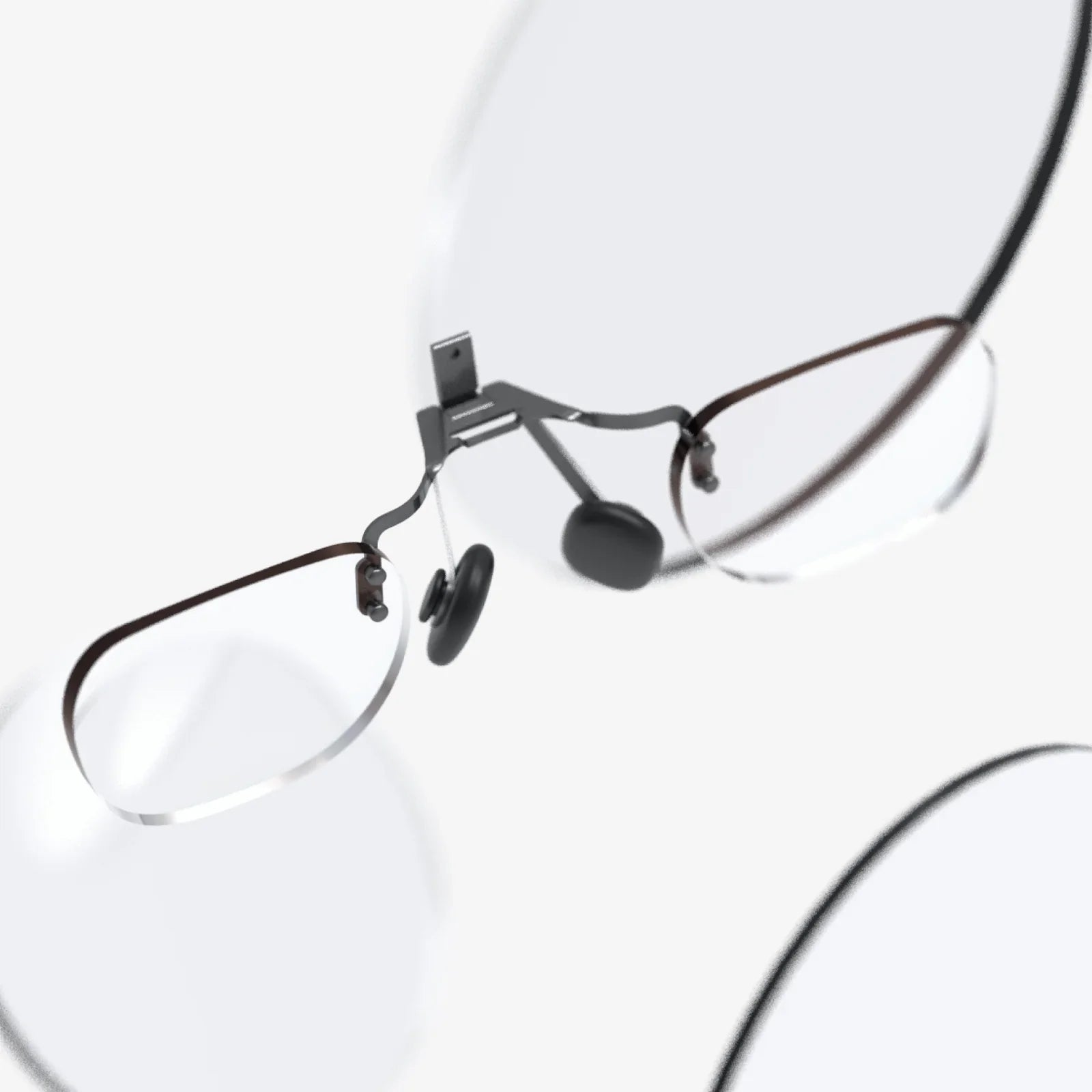
ar spectacles are no longer just science fiction props or experimental gadgets. They are rapidly becoming the next must-watch technology that could change how you see everything from your morning commute to your career. If you have ever wished your surroundings could display live directions, instant translations, or real-time information without pulling out your phone, you are already imagining the power of ar spectacles. Understanding how they work, what they can really do today, and where they are headed next can help you decide whether now is the moment to step into this new layer of reality.
What Are AR Spectacles, Really?
Augmented reality (AR) spectacles are wearable devices that look similar to ordinary glasses but overlay digital content onto the real world. Unlike virtual reality headsets, which immerse you in a fully digital environment, ar spectacles keep you grounded in your surroundings while enhancing them with additional information, visuals, and interactive elements.
At their core, ar spectacles combine several technologies:
- Optical systems that project or reflect digital images into your field of view.
- Sensors such as cameras, depth sensors, accelerometers, and gyroscopes that track your head, eyes, and environment.
- Onboard computing that processes sensor data, runs apps, and renders graphics.
- Connectivity to phones, local networks, or the cloud for data and services.
The result is a device that can place virtual objects on top of real ones, attach labels to places and people, and guide your attention with subtle cues that follow your gaze and movement.
How AR Spectacles Overlay Digital Content On Reality
To understand why ar spectacles feel so magical when they work well, it helps to break down what is happening behind the scenes.
Spatial Mapping And Tracking
First, the spectacles must build a 3D model of your surroundings. They do this by using cameras and depth sensors to detect surfaces, edges, and objects. This process, often called spatial mapping, lets the device understand where walls, tables, doors, and other items are located in relation to you.
Next, sensors track the movement of your head and sometimes your eyes. This allows the digital content to stay locked in place even as you move. A virtual sticky note placed on your fridge, for example, will remain on the fridge when you walk around the kitchen.
Rendering And Display
Once the spectacles know where you are and what is around you, they render digital objects that appear to exist in the same space. Depending on the device, this can be accomplished with:
- Waveguide displays that channel light from tiny projectors into transparent glass-like lenses.
- Reflective or refractive optics that bounce images from miniature screens into your eyes.
- Projection onto the lens surface in simpler, heads-up style displays.
The challenge is to create bright, sharp images that remain visible in different lighting conditions without blocking your view of the real world. The most advanced ar spectacles aim to make the digital layer feel as natural and stable as physical objects.
Key Features To Look For In AR Spectacles
Not all ar spectacles are built for the same purposes. Some are focused on industrial use, others on entertainment, and some on everyday productivity. When comparing options, certain features matter more than others depending on how you plan to use them.
Field Of View
The field of view refers to how much of your vision can be filled with augmented content. A narrow field of view means digital objects appear in a small central window, while a wider field lets them occupy more of your surroundings. A wider field of view usually feels more immersive and natural, but is harder to achieve technically.
Display Quality
Clarity, brightness, color accuracy, and contrast all affect how convincing and comfortable the digital layer feels. If you plan to use ar spectacles outdoors, brightness becomes especially important. Text-heavy applications, such as reading instructions or messages, also benefit from crisp resolution.
Comfort, Weight, And Design
Because ar spectacles are worn on your face, comfort is critical. Weight distribution, nose bridge design, and temple grip all influence how long you can wear them without fatigue. Some models are bulkier and clearly tech-focused, while others are designed to resemble everyday eyewear, making them more socially acceptable in public settings.
Battery Life And Performance
Advanced spatial computing and graphics rendering consume power. If you plan to wear ar spectacles for a full workday, you need enough battery life to support that. Some devices rely heavily on a connected smartphone or external compute unit to offload processing and extend runtime.
Input Methods
How you interact with digital content matters as much as what you see. Common input methods include:
- Voice commands for hands-free control.
- Gesture recognition, such as pinching or pointing in the air.
- Touch pads on the frame for swiping and tapping.
- Eye tracking that lets you select objects by looking at them.
Different tasks may favor different inputs. Industrial users often need robust voice and gesture controls, while casual users may prefer simple touch or eye-based interactions.
Real-World Applications Of AR Spectacles Today
ar spectacles are already being used in multiple sectors, even if you do not see them on every street corner yet. Their most immediate impact is often behind the scenes, in workplaces and specialized environments.
Industrial And Field Work
In factories, warehouses, and field service roles, ar spectacles can display step-by-step instructions directly in a worker’s field of view. Technicians can see wiring diagrams overlaid on physical equipment or receive remote guidance from experts who view what the technician sees through the spectacles.
This reduces errors, speeds up training, and can improve safety by keeping workers’ hands free while they follow instructions. It also allows less experienced staff to perform complex tasks with support from remote specialists.
Healthcare And Medicine
Medical professionals are experimenting with ar spectacles to visualize patient data, imaging scans, and anatomical overlays during procedures. Surgeons can see important information without looking away from the operating field, while medical students can learn anatomy through rich, 3D overlays on physical models or even live subjects.
Outside the operating room, ar spectacles can assist with remote consultations, rehabilitation exercises, and patient education by illustrating conditions and treatments in more intuitive ways.
Architecture, Construction, And Design
Architects and builders can use ar spectacles to view 3D models of buildings on-site, aligning digital plans with real-world locations. This makes it easier to spot conflicts, visualize how a structure will fit into its environment, and communicate plans to clients who may struggle to interpret traditional blueprints.
Interior designers can overlay furniture, lighting, and decor onto existing spaces to experiment with different layouts before making physical changes, saving time and cost.
Training And Education
Training is one of the most powerful use cases for ar spectacles. Complex procedures, from aircraft maintenance to laboratory protocols, can be broken down into guided steps that appear in the trainee’s field of view. This reduces reliance on paper manuals and allows people to learn by doing.
In classrooms, ar spectacles can bring abstract concepts to life. Students can walk around 3D models of molecules, historical sites, or planetary systems that are anchored to their physical environment, turning learning into an interactive experience.
Retail And Customer Experience
Retail environments are experimenting with ar spectacles to enhance shopping. Staff can see product information, inventory levels, and customer preferences while on the floor. Customers might eventually be able to view personalized offers or product details simply by looking at items on shelves.
Showrooms can also use ar spectacles to expand their offerings. Instead of displaying every possible variant of a product, they can show a few physical items and let customers visualize different colors, configurations, or add-ons through augmented overlays.
AR Spectacles In Everyday Life
Beyond specialized workplaces, ar spectacles have the potential to reshape daily life in subtle and not-so-subtle ways.
Navigation And Travel
Imagine walking through an unfamiliar city while arrows appear on the sidewalk ahead, guiding you to your destination. Street names float near intersections, and points of interest highlight themselves as you pass by. ar spectacles can transform navigation from a process of constantly checking your phone to a seamless, heads-up experience.
For travelers, live translations could appear above signs, menus, and even spoken conversations. Cultural information, historical context, and safety alerts could be layered onto the environment as needed.
Productivity And Communication
For knowledge workers, ar spectacles can act as a portable, always-available display. Virtual monitors can float above your desk, letting you arrange multiple windows without physical screens. Notifications can appear discreetly at the edge of your vision, and video calls can place remote colleagues as life-sized avatars in your room.
Note-taking and task management also become more contextual. You might pin to-do lists to specific rooms or objects, so that reminders appear only when you are in the right place to act on them.
Entertainment And Gaming
Entertainment experiences can blend with your surroundings. Games can turn your living room into a battlefield, a puzzle chamber, or a fantasy world, with characters and objects interacting with your furniture and walls. Sports broadcasts could overlay real-time stats and replays onto your view of the game, whether you are in the stadium or at home.
Storytelling itself can change. Instead of watching a flat screen, you might follow characters around your home, with scenes unfolding in different rooms or locations.
Fitness And Wellness
Fitness applications can guide you through workouts with virtual trainers who appear in your environment, correcting your form and counting reps. Outdoor runners and cyclists can see pace, distance, and heart rate data floating ahead without looking down at a watch.
Wellness tools might include guided meditation overlays, mood-boosting visuals, or reminders to take breaks and adjust posture, all integrated into your normal surroundings.
Social And Ethical Questions Around AR Spectacles
As ar spectacles move closer to mainstream adoption, they raise important questions about privacy, social norms, and mental health.
Privacy And Surveillance
Many ar spectacles rely on cameras and microphones that continuously capture your surroundings. This can be a powerful tool for contextual awareness, but it also raises concerns about recording people without their knowledge or consent.
Key issues include:
- How much data is stored and for how long.
- Who can access the recordings and under what conditions.
- Whether bystanders are notified when they are in view of an AR device.
Some designs address these concerns with visible indicators when recording is active or by limiting what data leaves the device. However, the social norms around constant, wearable cameras are still evolving.
Digital Distraction And Overload
While ar spectacles can reduce the need to constantly check your phone, they can also introduce new forms of distraction. Notifications, overlays, and digital content competing for your attention in the same space as real-world tasks can be overwhelming if not carefully managed.
Thoughtful use of AR requires clear boundaries: limiting non-essential overlays in certain contexts, using focus modes, and being intentional about when and how digital content appears.
Social Interaction And Presence
Wearing ar spectacles in social settings may change how people interact. If others cannot tell whether you are looking at them or at digital content, trust and connection can suffer. On the other hand, AR could enhance communication by providing live subtitles, translation, or social cues that help people better understand each other.
Design choices, such as transparent lenses, eye contact visibility, and clear indicators of when overlays are active, will influence how acceptable and comfortable these devices become in social life.
Design Challenges And Limitations Of Today’s AR Spectacles
Despite enormous progress, current ar spectacles still face significant limitations that shape how and where they are used.
Bulk, Weight, And Style
Packing cameras, sensors, batteries, and displays into a frame that looks and feels like normal eyewear is difficult. Many devices remain bulkier than traditional glasses, which can make users self-conscious in public and limit long-term comfort.
Battery Life And Heat
Running intensive graphics and sensor processing can drain batteries quickly and generate heat. This leads to trade-offs between performance, runtime, and comfort. Users may need to accept shorter sessions or carry external battery packs for heavy use.
Visual Comfort And Eye Strain
Some people experience eye strain, headaches, or motion discomfort when using AR for extended periods. This can be caused by imperfect alignment between digital and real-world objects, latency in tracking, or the vergence-accommodation conflict, where your eyes focus at one distance while converging at another.
Manufacturers are working on improved optics, higher refresh rates, and more precise tracking to reduce these issues, but individual tolerance still varies.
Content And Ecosystems
Even the most advanced hardware is only as useful as the software that runs on it. For ar spectacles to reach their potential, developers need robust tools and platforms to create compelling, reliable experiences. Right now, the ecosystem is still maturing, with many experiments but relatively few universally adopted applications.
How To Decide Whether AR Spectacles Are Right For You
If you are considering adopting ar spectacles, it helps to be clear about your goals and expectations. Not everyone needs the most advanced, feature-rich device; in some cases, simpler solutions are more practical.
Clarify Your Primary Use Cases
Ask yourself what you want ar spectacles to do for you:
- Enhance productivity with virtual screens and contextual information?
- Support specialized work tasks such as inspections, maintenance, or training?
- Provide immersive entertainment and gaming experiences?
- Assist with navigation, travel, or accessibility needs?
Once you know your priorities, you can focus on devices that excel in those areas rather than being distracted by features you may rarely use.
Consider Your Environment
Where you plan to use ar spectacles matters:
- Bright outdoor environments demand higher brightness and robust visibility.
- Industrial settings require durability, safety certifications, and reliable hands-free input.
- Office or home use can emphasize comfort, aesthetics, and integration with your existing devices.
Also think about social acceptance. Some environments are more open to experimental technology than others.
Balance Cutting-Edge Features With Practicality
The most advanced devices may offer impressive capabilities but also come with compromises in battery life, comfort, or complexity. More streamlined spectacles with limited AR features might actually fit your needs better if you value simplicity and all-day wear.
Plan For The Learning Curve
Using ar spectacles effectively requires new habits. You will need to learn new gestures, voice commands, and ways of organizing digital content in physical space. Be prepared to invest time in setup, calibration, and experimentation before the technology feels natural.
Future Directions: Where AR Spectacles Are Headed Next
The current generation of ar spectacles is only the beginning. Several trends suggest how the technology could evolve over the next decade.
Lighter, More Stylish Designs
As components shrink and become more efficient, ar spectacles will move closer to the look and feel of ordinary eyewear. This shift is crucial for mainstream adoption. When the technology becomes nearly invisible, social barriers to wearing it in public will drop dramatically.
Improved Optics And Field Of View
Future devices are likely to offer wider fields of view with higher resolution and better color reproduction, making digital objects appear more solid and convincing. Advances in waveguides, micro-displays, and lens materials will play a central role in this transformation.
On-Device Intelligence
As artificial intelligence capabilities move closer to the edge, ar spectacles will become smarter about recognizing objects, understanding context, and anticipating user needs. This could enable experiences such as:
- Instant identification of tools, parts, or products in your field of view.
- Context-aware assistance that offers help only when it is likely to be useful.
- Real-time language translation and summarization of visual information.
Shared And Collaborative AR
Right now, many AR experiences are solitary, even when they happen in shared spaces. As networking and synchronization improve, multiple people wearing ar spectacles will be able to see and interact with the same digital objects in real time.
Teams might collaborate around virtual whiteboards anchored to physical walls, or families might play shared games that unfold across their home, with each person seeing the same characters and events.
Integration With Other Wearables
ar spectacles will likely integrate more closely with other devices, such as smartwatches, earbuds, and health trackers. Audio, haptic feedback, and biometric data can complement visual overlays to create richer, more responsive experiences.
Practical Tips For Getting The Most Out Of AR Spectacles
If you decide to adopt ar spectacles, a few practical habits can make the experience smoother, safer, and more rewarding.
Start With A Few High-Value Use Cases
Rather than trying to use AR for everything at once, focus on two or three tasks where it offers clear benefits. This might be hands-free instructions for a complex hobby, virtual monitors for work, or guided workouts. Success in these areas will help justify the investment and encourage consistent use.
Adjust Settings For Comfort
Take time to customize brightness, text size, and notification behavior. Set up focus modes that limit interruptions during critical tasks. Experiment with different fit adjustments to minimize pressure points and ensure that digital content aligns properly with your vision.
Be Mindful Of Safety
While ar spectacles aim to keep you aware of your surroundings, digital overlays can still distract you at the wrong moment. Avoid using them for complex interactions while driving or operating machinery. Reserve high-intensity AR experiences for safe, controlled environments.
Respect Privacy And Social Cues
When using ar spectacles around others, be transparent about whether you are recording or streaming. Remove or disable the device in situations where cameras would be inappropriate. Pay attention to how people respond and be willing to adjust your usage to maintain trust and comfort.
Why AR Spectacles Could Matter More Than Smartphones
Over the past decade, smartphones have become the primary way people interact with digital information. However, they also pull attention away from the physical world, creating constant glances downward and fractured focus. ar spectacles offer a different path: instead of moving your attention into a small rectangle, they bring digital content into your natural field of view.
This shift could have profound implications:
- More natural interactions with information, anchored to places, objects, and people.
- Less friction in accessing tools, instructions, and knowledge when and where you need them.
- New creative possibilities for art, storytelling, and collaboration that blend physical and digital spaces.
Of course, whether ar spectacles fulfill this promise depends on thoughtful design, responsible use, and a willingness to question how much augmentation is truly beneficial. But for those who choose to explore this emerging frontier, the opportunity is clear: you are not just buying another gadget, you are experimenting with a new way of seeing and shaping the world around you.
Aktie:
Smart Sunglasses: The Ultimate Guide To Wearable Tech For Your Eyes
Glass Bubble Project Ohio City: A Transparent Revolution in Urban Living