


- von wangfred
ar sun glasses And The Future Of Outdoor Augmented Reality
- von wangfred
Imagine stepping outside, putting on what looks like a regular pair of shades, and instantly seeing directions floating over the street, translations hovering over signs, or live stats tracking your workout in real time. That is the promise of ar sun glasses, and the race to turn everyday eyewear into powerful augmented reality devices is already reshaping how we move, play, and work outdoors.
While phones and smartwatches have dominated the last decade of personal tech, ar sun glasses aim to take the next step: freeing your hands and putting information directly into your field of view. Understanding how they work, what they can do, and where they are headed will help you decide when and how to adopt this emerging technology.
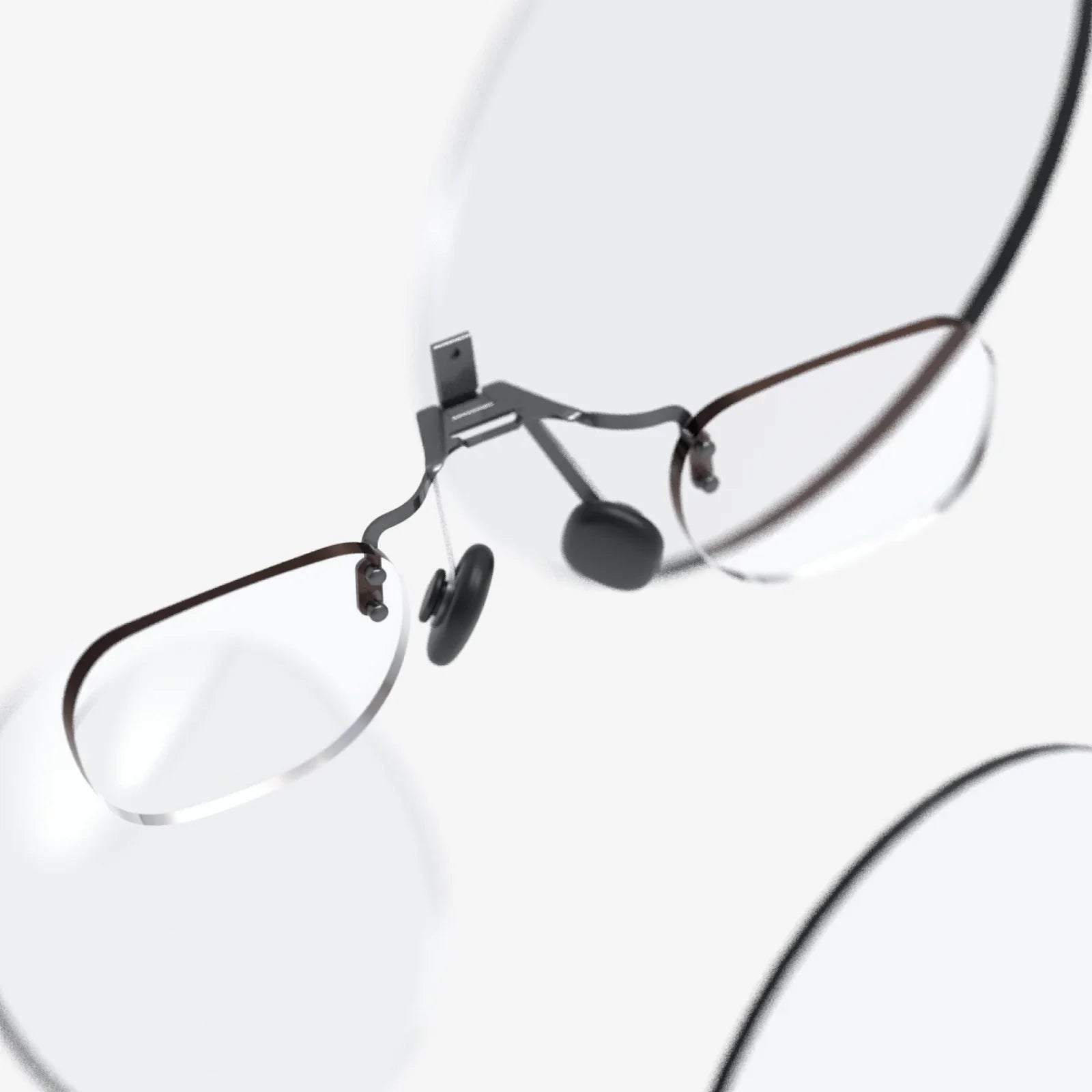
ar sun glasses are sunglasses that integrate augmented reality (AR) technology into tinted or photochromic lenses, overlaying digital content onto the real world. Unlike traditional smart glasses that may be bulky or obviously techy, ar sun glasses are designed to look and feel like normal outdoor eyewear while adding a digital layer of information.
Instead of replacing reality with a fully virtual environment, they enhance what you already see. This might mean subtle navigation arrows on the sidewalk, a small floating panel showing your heart rate during a run, or contextual information about a landmark as you walk by.
Although designs vary, most ar sun glasses rely on a few core components:
When you move your head, the sensors detect the motion, and the processor updates the digital overlay in real time. The goal is to make the virtual elements feel anchored to the physical world, so arrows stay on the road and labels stay near the objects they describe.
There is a reason so much attention is going to ar sun glasses instead of indoor-only AR headsets: many of the most compelling use cases happen outside. Sunlight, glare, and constant movement make phones and tablets inconvenient and sometimes unsafe to use. Sunglasses, on the other hand, are already a natural part of outdoor life.
By merging sun protection and AR, ar sun glasses solve two problems at once: they shield your eyes while giving you context-aware information without forcing you to look down at a screen. This can be especially useful for driving, cycling, hiking, and urban navigation.
Not all ar sun glasses are created equal. If you are considering a pair, pay attention to these core features:
The display is the heart of the AR experience. Important factors include:
Because these are sun glasses, optical quality and protection matter as much as the AR features. Look for:
Even the most advanced AR system is useless if you do not want to wear it. Consider:
Battery life determines how useful ar sun glasses are for real-world activities. Important points include:
How you control your ar sun glasses shapes the overall experience. Common methods include:
A combination of these methods often works best, allowing you to use voice when your hands are busy and touch when you need precision.
The hardware is only as powerful as the software running on it. Consider:
Because ar sun glasses often include cameras and microphones, privacy is a major concern. Look for:
To understand the value of ar sun glasses, it helps to imagine specific scenarios where they shine. Below are some of the most promising everyday use cases.
Outdoor navigation is one of the most intuitive applications. Instead of repeatedly checking your phone, you can glance ahead and see:
For travelers, ar sun glasses can provide instant translations of signs, menus, and notices. A foreign street sign could be recognized and translated into your language, appearing as a subtle overlay that does not disrupt your view.
For runners, cyclists, hikers, and outdoor athletes, ar sun glasses can act as a heads-up coach. Potential features include:
Because you do not need to look at a watch or phone, you can stay focused on your surroundings, which is especially important in traffic or on uneven terrain.
While dedicated automotive systems will likely handle most in-car AR, ar sun glasses can complement them in some contexts. Potential uses include:
Any driving-related AR must be carefully designed to avoid distraction. Minimal, glanceable information at the periphery of vision is preferable to dense overlays that could obstruct the road.
Professionals who work outdoors or move between indoor and outdoor environments can benefit from ar sun glasses in several ways:
Because ar sun glasses also protect from sun and glare, they can replace separate safety or protective eyewear in some scenarios, as long as they meet relevant standards.
Built-in cameras allow ar sun glasses to capture what you see from a first-person perspective. Potential uses include:
Social features must be balanced with privacy considerations. Visible indicators and clear consent practices are essential to avoid capturing people who do not want to be recorded.
ar sun glasses open the door to outdoor games and experiences that blend digital and physical worlds. Examples include:
By placing digital content in parks, city streets, and tourist sites, ar sun glasses can turn everyday environments into interactive playgrounds.
Creating effective ar sun glasses is harder than simply putting a display into a pair of shades. Designers face several unique challenges.
Direct sunlight can wash out displays, making AR content hard to see. Designers must balance lens tint, display brightness, and power consumption. Too dark, and the glasses are uncomfortable in lower light; too bright, and battery life plummets.
Electronics generate heat, and dark lenses absorb more sunlight. Keeping frames cool enough for comfort while protecting delicate components is a non-trivial engineering problem.
Outdoor users often wear sunglasses for hours at a time. Bulky frames or heavy components quickly become irritating. Engineers must miniaturize hardware without sacrificing performance or battery life.
ar sun glasses must withstand sweat, dust, rain, and occasional drops. This requires robust sealing, impact-resistant materials, and coatings that protect both the lenses and the AR optics.
AR overlays must be carefully designed to avoid eye strain and distraction. Text should be large enough to read at a glance, with limited clutter. For situations like cycling or driving, overlays should never obscure critical parts of the visual field.
Any device that can record video or analyze the environment raises legitimate concerns. ar sun glasses are no exception, and their outdoor use magnifies the social impact.
People may worry about being recorded without knowing it. To address this, responsible designs should include:
While facial recognition and object detection can be powerful tools, they also raise ethical questions. Many users and regulators are wary of systems that identify individuals in public spaces. Transparent policies and strict controls are necessary to build trust.
Just as smartphones changed how people behave in public, ar sun glasses will require new norms. For example:
Early adopters will play a key role in setting respectful standards that make others comfortable with the technology.
If you are considering buying ar sun glasses, a structured approach can help you make a smart decision instead of chasing hype.
Start by identifying what you actually want to do with ar sun glasses:
Your top use cases will influence which features matter most, from display quality to battery life and app support.
Because these are wearable all day, comfort should be a top priority. When possible:
If you wear prescription lenses, verify that the ar sun glasses can accommodate your vision needs without compromising the AR experience.
Test the glasses in bright outdoor conditions. Ask yourself:
Do not rely solely on indoor demos; outdoor performance is where ar sun glasses must excel.
Match battery life to your typical day. If you plan to use AR features for several hours of cycling or hiking, you will need longer runtime than someone who only uses overlays occasionally while commuting.
Look into the software ecosystem:
A device that improves over time through updates can be a better investment than one that is static but slightly more polished at launch.
The current generation of ar sun glasses is just the beginning. Several emerging trends are likely to transform what these devices can do in the coming years.
As optical systems shrink and displays become more efficient, the technology will become less visible. Future ar sun glasses may be almost indistinguishable from regular sunglasses, with thinner frames and lighter lenses that still deliver rich AR experiences.
Next-generation software will better understand your context, adjusting what you see based on:
For example, during a morning run, your ar sun glasses might automatically show pace and distance. During a commute, they might switch to traffic alerts and calendar reminders.
ar sun glasses will increasingly integrate with watches, earbuds, and other wearables to create a seamless personal network. You might:
Advances in edge computing will allow more processing to happen directly on the glasses. This can reduce latency, improve privacy, and enable features like:
As ar sun glasses become more capable, new services are likely to emerge:
Understanding how these services are funded and how they use your data will be crucial for making informed choices.
As ar sun glasses move from novelty to everyday accessory, they will change how we interact with the outdoors, with each other, and with information itself. The line between the digital and physical worlds will blur, not in a distant science fiction future, but in the routine moments of navigation, exercise, work, and leisure.
For early adopters, this is a chance to shape how the technology is used and what norms develop around it. By choosing devices that prioritize comfort, visibility, privacy, and thoughtful design, you can enjoy the benefits of augmented reality without sacrificing safety or trust.
If you are curious about stepping into this new era, ar sun glasses offer a compelling way to start. They do not ask you to retreat into a headset or constantly stare at a phone. Instead, they invite you to keep your eyes on the world, while quietly enhancing it with the information you choose. The next time you reach for a pair of shades before heading outside, imagine how much more those lenses could do—and decide whether you want your next sunglasses to be smart enough to change the way you see everything.
Share:
VR-Preise für virtuelle Realität – Ein umfassender Leitfaden zu Kosten und Nutzen im Jahr 2024
Die fortschrittlichsten AR-Brillen definieren die Realität und unsere Interaktion mit ihr neu.