


- von wangfred
Ar UV Glasses And The Future Of Safer Immersive Vision
- von wangfred
Ar uv glasses are rapidly transforming from futuristic gadgets into everyday essentials, promising a world where digital information floats naturally in front of your eyes while your vision stays protected from harmful ultraviolet rays. If you have ever wondered whether these smart lenses are just a tech fad or the next must-have for work, play, and health, understanding how they merge augmented reality with UV defense is the key to making a smart decision.
At their core, ar uv glasses combine two powerful ideas: overlaying digital content onto the real world and shielding your eyes from invisible UV radiation. This dual role makes them especially compelling for people who spend long hours outdoors, in bright environments, or in visually demanding tasks where both clarity and comfort matter. To get the most out of these devices, it helps to unpack how they work, what features really matter, and how to integrate them into your daily life without sacrificing eye health or style.
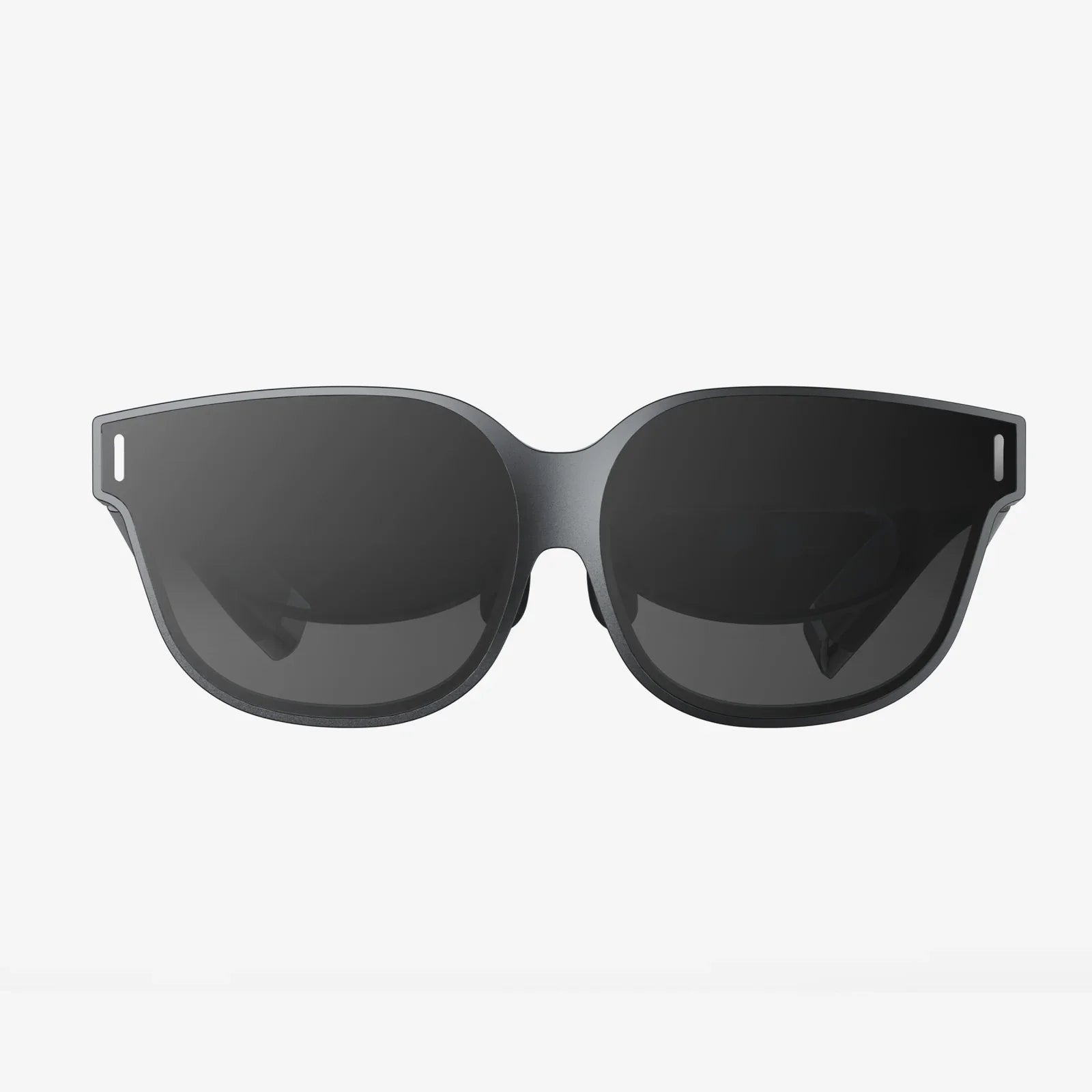
Ar uv glasses are eyewear that integrates augmented reality display technology with lenses designed to block or reduce ultraviolet light. Unlike traditional sunglasses, they do more than darken your view. Unlike conventional augmented reality headsets, they do more than project digital images. They aim to do both simultaneously, in a form factor that resembles ordinary glasses as closely as possible.
From a functional standpoint, these glasses typically serve three main purposes:
Because they sit directly on your face, ar uv glasses must balance optics, electronics, weight, and comfort. This balancing act shapes everything from lens materials to frame design and the type of displays used.
Most people think of augmented reality as a purely digital experience, but when it is built into glasses, it becomes deeply tied to optical science. Meanwhile, UV protection is all about filtering specific wavelengths of light. Bringing these together requires careful engineering.
Typical ar uv glasses include several optical elements working in concert:
UV protection is usually handled at the lens level, while AR imagery is delivered through waveguides or reflective combiners. The challenge is ensuring the digital overlay remains bright and clear without compromising the UV-blocking performance or making the lenses overly dark.
To understand why UV filtering in ar uv glasses matters, it helps to know the main categories of ultraviolet light that reach the eyes:
Effective ar uv glasses typically aim for high percentages of both UVA and UVB blocking, often approaching near-complete filtration across this spectrum. This can be achieved through UV-absorbing lens materials and surface coatings, sometimes combined with polarization to reduce glare from reflective surfaces.
Eye health is not just about seeing clearly; it is also about protecting delicate structures from cumulative damage. Ar uv glasses intersect with several important aspects of ocular wellness.
Chronic exposure to UV radiation is linked to a range of eye conditions, including:
By integrating UV defense into glasses that people may already want to wear for digital functionality, ar uv glasses can encourage more consistent protection than occasional use of traditional sunglasses.
Augmented reality displays introduce new considerations for eye comfort. Prolonged focus on near digital content can contribute to digital eye strain, especially when combined with bright ambient light. Ar uv glasses can mitigate some of this by:
However, responsible use is still important. Taking regular breaks, adjusting display settings, and ensuring a proper fit can reduce discomfort.
Understanding the main technologies inside ar uv glasses helps you evaluate models and features more intelligently.
Several display approaches are common in augmented reality eyewear:
The choice of display architecture influences image clarity, color accuracy, field of view, and how natural the view of the real world appears.
Lens technology in ar uv glasses must support both optical clarity and UV protection. Common features include:
Balancing these elements without degrading the AR image requires precise manufacturing and alignment.
Ar uv glasses often incorporate sensors and processors to adapt to the environment and user behavior:
These elements work together to keep virtual objects stable, legible, and comfortable to view while maintaining consistent UV protection.
When properly designed and used, ar uv glasses offer a combination of advantages that traditional eyewear or standalone AR devices cannot match.
Because ar uv glasses are meant to be worn for longer periods, they can provide more continuous UV shielding than sunglasses that are frequently removed. This is particularly useful for:
Consistent use reduces cumulative UV exposure, which is more important than brief episodes of intense light in many real-world scenarios.
One of the hallmark benefits of ar uv glasses is hands-free access to relevant information. Depending on the application, this may include:
By keeping your eyes on the environment instead of a handheld device, these glasses can support both productivity and safety.
UV-filtering lenses, especially when combined with polarization or adaptive tints, can reduce glare and improve contrast. This can be helpful in situations such as:
Meanwhile, the AR overlay can highlight important elements in your view, guide your attention, or provide visual aids that enhance situational awareness.
Despite their appeal, ar uv glasses are not without trade-offs. Understanding these helps set realistic expectations and avoid discomfort or misuse.
Overlaying digital content on the real world can be distracting if poorly designed or misused. Potential issues include:
Thoughtful configuration, such as limiting notifications and choosing context-appropriate apps, is essential for safe use, especially in dynamic environments.
Adding electronics to eyewear inevitably increases weight and complexity. Poorly fitting ar uv glasses can cause:
Trying different frame shapes, adjusting nose pads, and selecting designs optimized for long wear can mitigate these problems.
Powering displays, sensors, and processors requires energy. This leads to practical constraints:
Choosing appropriate brightness levels, using power-saving modes, and planning charging routines can help maintain comfort and usability.
Selecting the right ar uv glasses involves more than picking the latest model. It requires aligning features with your lifestyle, environment, and eye health needs.
Start by identifying how you intend to use the glasses most of the time:
Knowing your main scenarios helps narrow down lens types, display brightness needs, and frame styles.
When comparing options, pay close attention to UV-related specifications:
Consistent, high-quality UV protection is non-negotiable for long-term eye health, especially if you plan to wear the glasses frequently outdoors.
If you require vision correction, ensure that ar uv glasses can accommodate your prescription accurately. Important factors include:
High optical quality is essential for avoiding headaches, eye strain, and misalignment between the digital overlay and the real world.
Comfort determines whether you actually use ar uv glasses regularly. Evaluate:
Even the most advanced features are wasted if the glasses are uncomfortable after an hour of wear.
To enjoy the benefits of ar uv glasses while minimizing risks, a few practical habits make a significant difference.
Adjusting how and when digital content appears is crucial:
This reduces visual fatigue and keeps your attention primarily on the real-world environment.
To combat digital eye strain, consider a simple routine:
Even though AR overlays appear at a virtual distance, your eyes and brain still benefit from periodic breaks and focus changes.
Many ar uv glasses offer different modes or profiles. Make use of them:
Adapting the device to your surroundings helps maintain both safety and comfort.
Proper care extends the life of both the optical and electronic components of ar uv glasses.
Because the lenses include specialized coatings and optical structures, cleaning technique matters:
Gentle cleaning preserves both UV coatings and AR waveguide surfaces, maintaining clarity and protection.
Ar uv glasses contain delicate electronic components that require careful handling:
These precautions help prevent damage that could compromise both AR functionality and overall safety.
The evolution of ar uv glasses is just beginning. Several trends are likely to shape their future capabilities and adoption.
Advances in micro-displays, batteries, and chip design will continue to shrink components, enabling:
As form factors improve, more people will feel comfortable wearing these glasses in everyday social and professional settings.
Future ar uv glasses may incorporate more advanced adaptive features, such as:
These enhancements could further reduce eye strain and improve visual performance across diverse environments.
As software ecosystems mature, ar uv glasses are likely to become more tightly woven into daily activities:
The key will be designing interfaces that respect human attention and prioritize safety alongside convenience.
Deciding whether ar uv glasses belong in your life comes down to a blend of lifestyle, visual needs, and comfort with emerging technology. If you spend considerable time outdoors, juggle information-intensive tasks, or want to reduce reliance on handheld screens, they may offer a compelling combination of protection and functionality.
Before committing, reflect on your daily routines, environments, and eye health priorities. Consider how often you truly need hands-free information versus how much you value a distraction-free view. For many people, the ideal approach is gradual: start with simple, well-designed use cases and expand as you grow comfortable with the technology.
Ar uv glasses sit at the intersection of optics, health, and immersive computing, giving you a rare opportunity to upgrade both protection and performance in a single device. By understanding how they work, what features matter most, and how to use them wisely, you can turn them from a curious novelty into a powerful ally for clearer, safer, and more informed vision in the world you move through every day.