


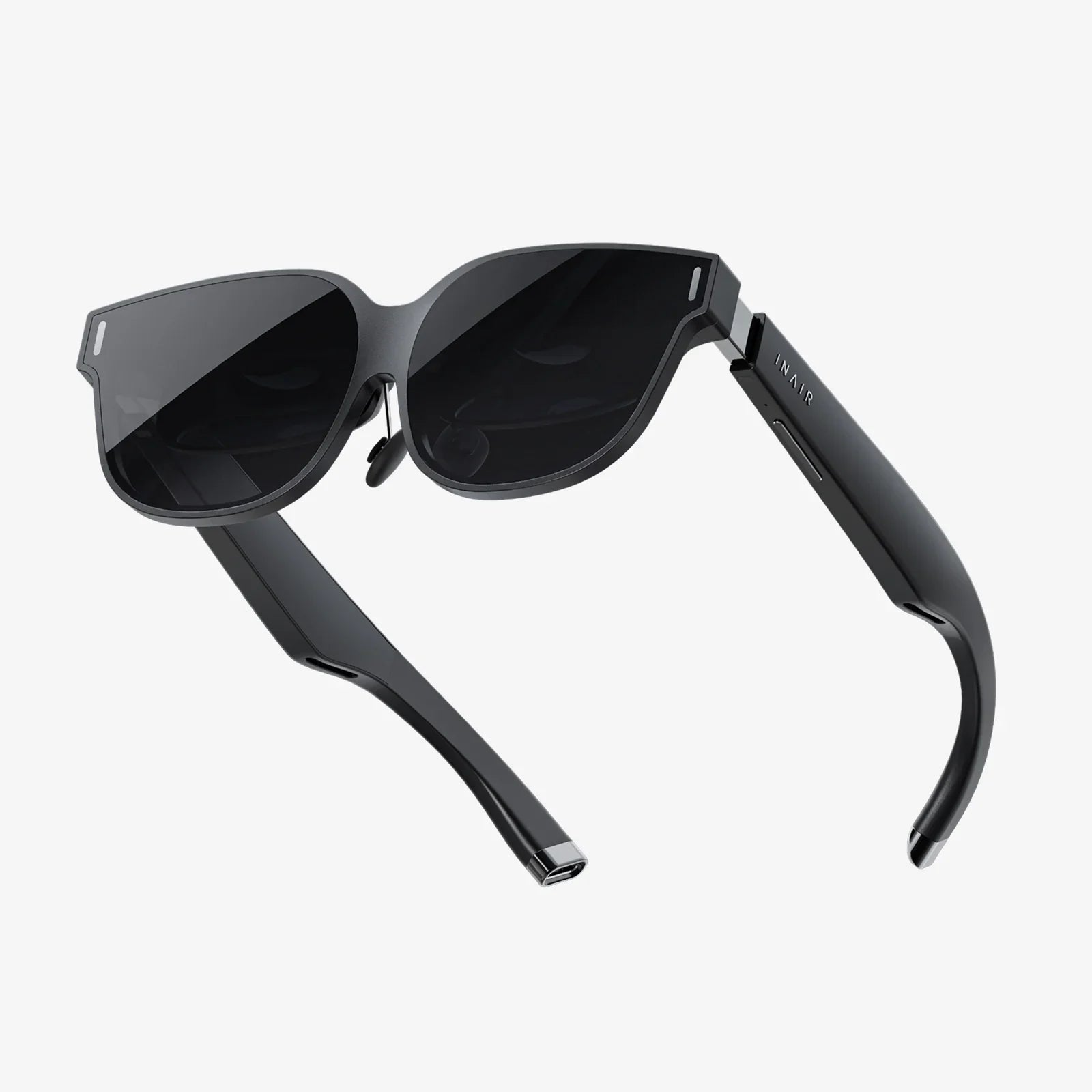
atomic beam glasses are quietly becoming one of the most talked-about accessories for drivers, night owls, and outdoor enthusiasts who want clearer vision when it matters most. From cutting glare on wet highways to sharpening contrast at dusk, these glasses promise a kind of visual upgrade that sounds almost futuristic. But how do they really work, what can they actually do for your eyes, and how do you avoid wasting money on the wrong pair? This guide breaks down the science, the myths, and the practical tips you need before you buy.
To understand why atomic beam glasses are generating buzz, it helps to look at the problem they aim to solve: low-contrast, high-glare environments. Think about driving on a rainy night with streetlights reflecting off wet asphalt, or walking through a city with harsh LED headlights and illuminated billboards. Your eyes are constantly struggling to distinguish useful visual information from distracting light sources. This is where specialized lenses, coatings, and tint technologies come into play, helping to selectively manage light so your vision feels sharper and more comfortable.
What Are Atomic Beam Glasses?
At their core, atomic beam glasses are specialized eyewear designed to enhance visual clarity and reduce glare, especially in low-light or high-glare conditions. While the name sounds like something out of a sci-fi movie, the underlying principles are rooted in optics and materials science, not nuclear physics.
These glasses typically use a combination of:
- Tinted lenses to enhance contrast and improve depth perception.
- Anti-reflective or anti-glare coatings to reduce light reflections from the lens surface.
- High-definition lens materials that aim to deliver sharper, crisper images.
- UV-blocking properties to protect your eyes from harmful ultraviolet radiation.
The result is eyewear that can make certain environments look clearer and more defined, particularly during dawn, dusk, nighttime, or in bright but visually chaotic surroundings.
How Atomic Beam Glasses Work: The Science Behind the Lenses
To appreciate the value of atomic beam glasses, it helps to break down how they modify light before it reaches your eyes. Several interacting technologies are at play.
Tint and Contrast Enhancement
One of the most recognizable features of many atomic beam glasses is the lens tint, often in yellow, amber, or similar warm hues. This tint does a few important things:
- Filters out portions of blue light: Blue wavelengths scatter more in the atmosphere and inside the eye, which can create a hazy or washed-out effect. Reducing blue light can make scenes look sharper.
- Boosts contrast: Warm tints can make objects stand out more distinctly against their background, especially in low-light or foggy conditions.
- Improves perceived brightness: Even without increasing actual light, the change in color balance can make the environment feel brighter and easier to navigate.
This is similar to what happens when photographers use filters to enhance contrast in a scene. Your eyes become better at distinguishing edges, shapes, and movement.
Anti-Reflective and Anti-Glare Coatings
Glare is one of the biggest enemies of clear vision. When light reflects off surfaces like wet roads, car hoods, or even your own lenses, it creates bright spots that overwhelm your visual system. Atomic beam glasses often incorporate coatings that:
- Reduce reflections off the lens surface, so less stray light reaches your eye.
- Minimize halos and starbursts around headlights and streetlights at night.
- Improve light transmission, letting more useful light pass through while blocking unwanted reflections.
These coatings are typically made from multiple ultra-thin layers of material designed to interfere with reflected light, canceling it out through a process called destructive interference. The result is a clearer, more comfortable visual experience.
High-Definition Lens Materials
In addition to tint and coatings, the quality of the lens material itself matters. High-definition lenses aim to:
- Reduce optical distortions at the edges of the lens.
- Maintain consistent clarity across the entire viewing area.
- Provide better scratch resistance and durability, maintaining clarity over time.
When combined with precise curvature and manufacturing standards, these materials can help atomic beam glasses deliver a sharper, more uniform image compared to basic, low-quality lenses.
UV Protection and Eye Health
Another important aspect is ultraviolet (UV) protection. Prolonged exposure to UV radiation can contribute to cataracts, macular degeneration, and other eye conditions. Many atomic beam glasses offer:
- UV-A and UV-B blocking to shield your eyes from damaging rays.
- Additional comfort in bright sunlight when used during the day.
While UV protection does not directly affect how sharp your vision appears, it plays a crucial role in long-term eye health and comfort.
Key Benefits of Atomic Beam Glasses
People are drawn to atomic beam glasses for a variety of reasons. While individual experiences vary, several common benefits are often reported.
Improved Night Driving Comfort
One of the most popular uses for atomic beam glasses is night driving. Drivers often struggle with:
- Headlight glare from oncoming traffic.
- Reflections from wet or shiny road surfaces.
- Low contrast on unlit roads or in rural areas.
By reducing glare and enhancing contrast, these glasses can make it easier to:
- See lane markings and road signs more clearly.
- Detect pedestrians, cyclists, or animals at the side of the road.
- Feel less eye strain during long night drives.
It is important to note that while many users report greater comfort, atomic beam glasses are not a substitute for proper headlights, clean windshields, and safe driving practices.
Enhanced Vision in Low-Light Conditions
Beyond driving, atomic beam glasses can be helpful in other low-light environments, such as:
- Walking or jogging at dawn or dusk.
- Outdoor events in the evening.
- Working in dimly lit areas where extra contrast helps.
The lenses can make subtle details easier to see, which is particularly valuable when you need to navigate uneven terrain, avoid obstacles, or simply feel more confident in your surroundings.
Reduced Eye Strain and Fatigue
Glare and poor contrast force your eyes and brain to work harder to interpret the visual scene. Over time, this can lead to:
- Headaches.
- Dry or irritated eyes.
- General visual fatigue.
By filtering out distracting light and sharpening the image, atomic beam glasses can help reduce this strain. Many users find they can stay focused longer with less discomfort, especially during tasks that require sustained attention.
Potential Advantages for Outdoor Activities
Outdoor enthusiasts may find atomic beam glasses useful for activities such as:
- Fishing, where glare off the water makes it hard to see beneath the surface.
- Hiking or camping, especially in changing light conditions near sunrise or sunset.
- Cycling, where oncoming headlights and changing terrain demand quick visual responses.
The combination of glare reduction, contrast enhancement, and UV protection can make these glasses a versatile tool for a variety of conditions.
Common Myths and Misconceptions About Atomic Beam Glasses
Because the name sounds dramatic, atomic beam glasses are often surrounded by hype and misunderstandings. It is important to separate marketing claims from realistic expectations.
Myth 1: They Turn Night Into Day
One of the most exaggerated claims you may hear is that atomic beam glasses can make nighttime look like daytime. This is not accurate. These glasses:
- Do not increase the actual amount of light in your environment.
- Cannot replace proper illumination or vehicle headlights.
- Work primarily by improving contrast and reducing glare, not by amplifying light.
While they can make details easier to see, especially in marginal lighting, they do not magically brighten the world.
Myth 2: They Are a Medical Treatment for Vision Problems
Atomic beam glasses are not a cure for underlying vision issues such as:
- Nearsightedness or farsightedness.
- Astigmatism.
- Cataracts or other eye diseases.
They are an optical aid designed to improve comfort and clarity in specific conditions. If you have persistent difficulty seeing at night or notice sudden changes in your vision, consult an eye care professional rather than relying solely on specialized glasses.
Myth 3: All Yellow-Tinted Glasses Are the Same
Some people assume that any pair of yellow-tinted lenses will perform like atomic beam glasses. In reality, performance depends on:
- The quality and type of lens material.
- The precision of the tint and how it filters different wavelengths.
- The presence and quality of anti-reflective coatings.
- Overall manufacturing standards.
Two pairs of glasses might look similar at a glance but perform very differently in real-world conditions. Paying attention to specifications and build quality matters.
Myth 4: They Are Only for Night Driving
While night driving is a common use, atomic beam glasses are not limited to that scenario. They can also be useful during:
- Overcast days when the sky is bright but contrast is low.
- Foggy or hazy conditions.
- Indoor environments with harsh artificial lighting.
The key is understanding when the features of the glasses align with the visual challenges you face.
How to Choose Atomic Beam Glasses That Actually Work
With so many options on the market, choosing the right pair of atomic beam glasses can feel overwhelming. Focusing on a few critical factors will help you make a smart decision.
1. Lens Quality and Material
Start by examining the lens specifications. Look for:
- High optical clarity with minimal distortion, especially at the edges.
- Scratch-resistant coatings that help maintain clarity over time.
- Impact-resistant materials, particularly if you plan to use them for outdoor or sports activities.
Higher-quality lenses often cost more, but they tend to deliver better performance and durability.
2. Tint Level and Color
The tint is a defining feature of many atomic beam glasses, and it should match your intended use:
- Light yellow or amber tints can be good for night driving and low-light conditions, providing contrast without overly darkening the scene.
- Darker tints may be more suitable for daytime glare reduction but can be too dim for night use.
If possible, try different tint levels to see which one feels most comfortable and effective for your eyes.
3. Anti-Reflective Coating Quality
An effective anti-reflective coating is crucial for glare reduction. When evaluating this feature, consider:
- Whether the coating is applied to both the front and back surfaces of the lens.
- How resistant the coating is to smudges, fingerprints, and scratches.
- Whether the manufacturer provides details about the coating layers and performance.
High-quality coatings often have a subtle color reflection when viewed at an angle, indicating the presence of multiple interference layers.
4. UV Protection Rating
Check whether the glasses offer:
- 100% UV-A and UV-B protection, often labeled as UV400.
- Clear information about the UV blocking capabilities in the product description.
Even if you plan to use atomic beam glasses mostly at night, UV protection is valuable if you also wear them during the day.
5. Frame Fit and Comfort
No matter how advanced the lenses are, uncomfortable frames can ruin the experience. Look for:
- Lightweight materials that do not cause pressure on your nose or ears.
- Secure but gentle grip so the glasses stay in place while driving or moving.
- Frame size and shape that match your face and field of view.
Frames that are too tight can cause headaches, while loose frames can slide down your nose at the worst possible moment.
6. Compatibility With Prescription Lenses
If you already wear prescription glasses, consider how atomic beam technology fits into your routine:
- Some models are designed as fit-over glasses that can be worn on top of prescription lenses.
- Others can be made with custom prescription lenses that incorporate similar tints and coatings.
Check whether the design you are considering works with your existing eyewear needs.
Safety Considerations When Using Atomic Beam Glasses
While atomic beam glasses can enhance comfort and clarity, using them safely is essential, especially in situations like driving where visibility is critical.
Do Not Mask Underlying Vision Problems
If you notice any of the following, do not rely solely on specialized glasses:
- Sudden difficulty seeing at night.
- Rapid changes in your visual acuity.
- Persistent halos, double vision, or blurred images.
These may be signs of underlying eye conditions that require professional evaluation. Atomic beam glasses can complement, but not replace, medical care.
Test Them in Safe Conditions First
Before depending on atomic beam glasses for high-speed driving or critical tasks, test them in safer scenarios:
- Use them on familiar roads at lower speeds.
- Try them while walking or cycling to get used to the change in contrast and color.
- Pay attention to how quickly your eyes adapt when you put them on or take them off.
Getting comfortable with the glasses in low-risk environments will help you use them more effectively when it counts.
Avoid Overly Dark Lenses at Night
While reducing glare is helpful, overly dark lenses at night can be dangerous because they reduce overall light reaching your eyes. For night use, prioritize:
- Lighter tints designed specifically for low-light conditions.
- Glasses that emphasize contrast and glare reduction without heavily dimming the scene.
If the environment feels significantly darker when you put the glasses on, they may not be suitable for night driving.
Realistic Expectations: What Atomic Beam Glasses Can and Cannot Do
Setting realistic expectations is key to being satisfied with atomic beam glasses.
What They Can Do
- Reduce glare from headlights, streetlights, and reflective surfaces.
- Enhance contrast, making it easier to distinguish objects and details.
- Increase visual comfort in challenging lighting conditions.
- Provide UV protection when used during the day.
What They Cannot Do
- Replace medical treatment for eye diseases or refractive errors.
- Turn very dark environments into bright ones.
- Guarantee safety in hazardous conditions if other factors are not controlled.
- Compensate for poor lighting, dirty windshields, or unsafe driving habits.
Used wisely, atomic beam glasses are a tool that can improve your experience, not a magic fix for every visual problem.
Who Can Benefit Most From Atomic Beam Glasses?
While almost anyone can potentially benefit, certain groups may find atomic beam glasses particularly useful.
Frequent Night Drivers
People who regularly drive at night, such as commuters, delivery drivers, or shift workers, often face:
- Long hours on dark or poorly lit roads.
- Constant exposure to headlight glare.
- Visual fatigue from extended focus.
Atomic beam glasses can make these conditions more manageable, especially when combined with safe driving habits and regular eye exams.
Outdoor and Adventure Enthusiasts
Those who spend time outdoors at dawn, dusk, or in variable weather may appreciate the added clarity and comfort. Activities like hiking, camping, fishing, and cycling can all benefit from better contrast and glare control.
People Sensitive to Glare
Some individuals are naturally more sensitive to bright lights and reflections. For them, even moderate glare can cause discomfort or headaches. Atomic beam glasses can provide a more comfortable visual environment, both indoors and outdoors.
Older Adults
As people age, natural changes in the eye can make night vision more challenging. While atomic beam glasses are not a cure for age-related issues, they may help some older adults feel more confident when driving or moving around in low light. However, regular eye examinations remain essential.
Care and Maintenance Tips for Atomic Beam Glasses
To get the best performance and longest life from your glasses, proper care is important.
Cleaning the Lenses
Follow these basic steps to keep your lenses clear and free from damage:
- Rinse the lenses with clean water to remove dust or grit before wiping.
- Use a lens-safe cleaning solution rather than harsh household cleaners.
- Dry with a microfiber cloth instead of paper towels or clothing, which can scratch the surface.
Regular cleaning not only keeps your vision clear but also preserves any special coatings.
Storing Your Glasses
When not in use:
- Store the glasses in a protective case to prevent scratches and impacts.
- Avoid leaving them on car dashboards, where heat and sunlight can damage frames and coatings.
- Keep them away from abrasive surfaces and sharp objects.
Good storage habits can significantly extend the life of your atomic beam glasses.
Handling With Care
Always:
- Use both hands when putting on or taking off your glasses to avoid bending the frame.
- Avoid placing them lens-down on any surface.
- Check screws and hinges periodically if your frames use them, tightening if necessary.
Small habits like these help maintain alignment and comfort over time.
The Future of Atomic Beam Glasses and Vision Enhancement
The concept behind atomic beam glasses fits into a broader trend: using advanced optics and materials to enhance human vision in specific environments. Looking ahead, several developments are likely to shape the next generation of this technology.
Smarter, Adaptive Lenses
Emerging lens technologies are exploring ways to automatically adapt to changing conditions, such as:
- Dynamic tints that adjust to ambient light levels.
- Electrochromic lenses that change color or opacity at the touch of a button.
- Smart coatings that respond to glare or UV intensity.
Combining these innovations with the principles behind atomic beam glasses could lead to eyewear that actively optimizes your vision in real time.
Integration With Digital Displays and Heads-Up Systems
As vehicles and devices increasingly incorporate heads-up displays and augmented reality, eyewear will play a central role in how we see digital information layered onto the real world. Glasses designed to reduce glare and improve contrast will be essential for:
- Keeping digital overlays readable in bright or low-light conditions.
- Reducing eye strain from prolonged use of visual interfaces.
- Maintaining safety by ensuring important information remains visible.
Atomic beam-style technologies may become a foundational component of these systems.
More Personalized Optical Solutions
Advances in eye scanning and custom lens manufacturing are making it easier to create eyewear tailored to individual visual profiles. Future versions of atomic beam glasses may offer:
- Custom-tuned tints and coatings based on your specific sensitivity to light and glare.
- Integration with your prescription and unique eye measurements.
- Optimized designs for specific activities, from night driving to particular sports.
This level of personalization could dramatically increase both comfort and performance.
Why Atomic Beam Glasses Are Worth a Closer Look
If you have ever squinted through headlight glare on a rainy night or struggled to make out details at dusk, atomic beam glasses offer a compelling promise: a clearer, more comfortable view when conditions are at their worst. By combining carefully chosen tints, advanced coatings, and high-quality lens materials, they can transform a visually stressful environment into one that feels more controlled and manageable.
They are not magic, and they will not replace safe habits or professional eye care, but for many people they can be a powerful ally against glare, low contrast, and visual fatigue. Taking the time to understand how they work, what to look for when buying, and how to use them safely can turn a trendy idea into a genuinely useful tool in your everyday life.
If you are curious whether atomic beam glasses could make your nights on the road smoother, your evening walks more confident, or your outdoor adventures more enjoyable, the next step is simple: test a well-made pair in the specific conditions you face most often. Your eyes will tell you quickly whether this technology earns a permanent place in your world—and once you experience sharper, more comfortable vision when the lights go down, it may be hard to go back.
Aktie:
modern car voice commands list 2025: The Essential Guide for Drivers
voice command led lights for smarter, easier home lighting