


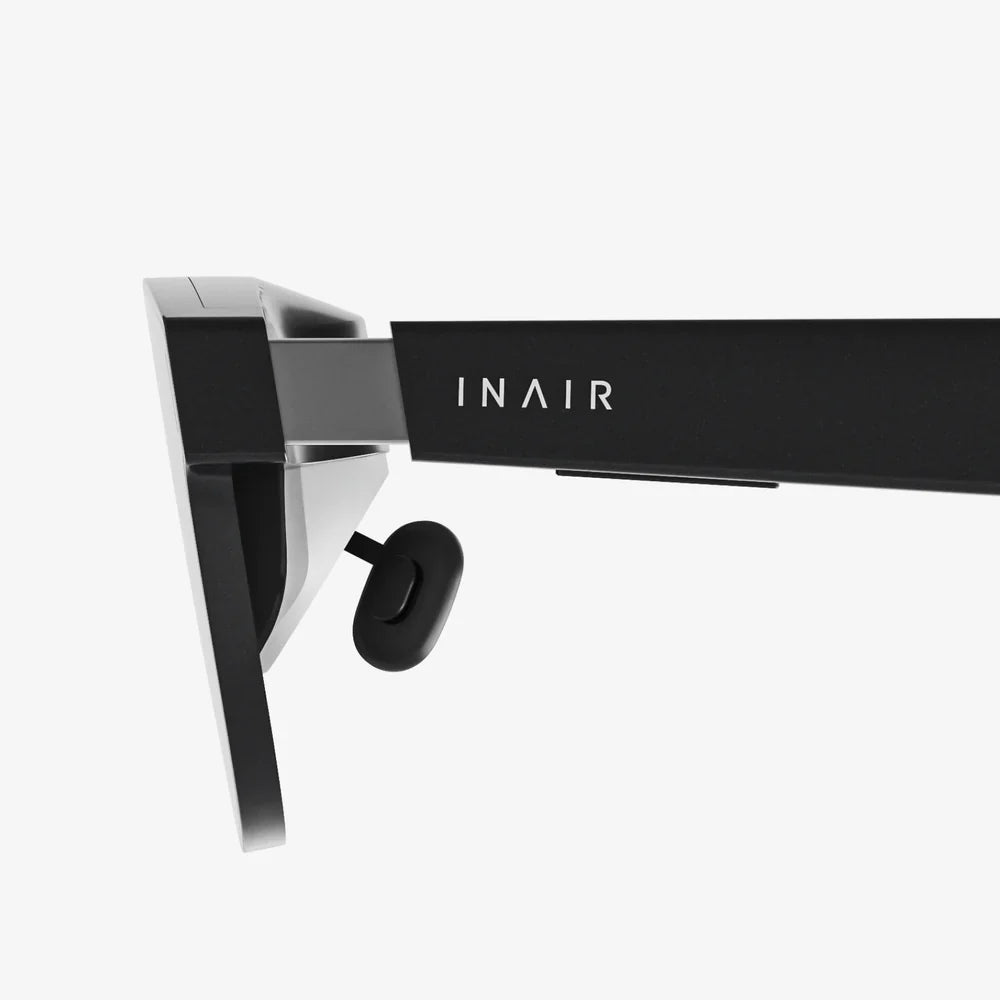
The search for the best AR headsets for warehouse inventory management 2025 is not just about cool new gadgets; it is about who will dominate the next decade of logistics. Warehouses that successfully deploy augmented reality are cutting picking time, reducing training costs, and turning complex workflows into simple, visual, step-by-step processes. If you are planning investments for the coming year, understanding how AR headsets can reshape your inventory operations might be the most profitable research you do.
Augmented reality in warehouses is moving from experimental pilots to large-scale rollouts. Headsets are getting lighter, software is more intuitive, and integration with warehouse management systems is becoming standard. Yet, the market is crowded and confusing. Different devices excel at different tasks: some are perfect for hands-free picking, others shine in maintenance or training. This guide breaks down what matters in 2025, so you can match the right headset to your warehouse strategy rather than chasing hype.
Why AR Headsets Matter for Warehouse Inventory Management in 2025
Warehousing is under pressure from every direction: e-commerce growth, rising customer expectations, labor shortages, and tighter margins. Traditional tools such as paper pick lists and handheld scanners struggle to keep up. AR headsets address these challenges by overlaying digital information directly onto the worker’s field of view, keeping hands free and eyes on the task.
Key reasons AR headsets are becoming critical in 2025 include:
- Explosive order volumes: Faster picking and packing are essential to meet same-day and next-day delivery promises.
- Labor scarcity: Warehouses must onboard new workers quickly and keep them productive with minimal training.
- Error reduction demands: Mis-picks and mis-ships are costly, damaging both margins and customer trust.
- Need for real-time visibility: Managers require live data on inventory movements and worker performance.
- Safety and ergonomics: Reducing distractions and unnecessary movement improves safety and reduces fatigue.
AR headsets directly tackle these issues by guiding workers visually, verifying actions in real time, and feeding data back into your systems. The result is a more efficient, more transparent warehouse operation.
How AR Headsets Transform Warehouse Workflows
To choose the best AR headsets for warehouse inventory management 2025, you need to understand exactly how they change day-to-day operations. AR is not a single feature; it is a set of capabilities that enhance multiple workflows.
1. AR-Guided Picking
Picking is usually the most labor-intensive and error-prone process in a warehouse. AR headsets overlay pick instructions directly in the worker’s field of view:
- Highlighting the correct aisle, rack, and bin.
- Showing product images to confirm the correct item.
- Displaying quantity and packaging instructions.
- Confirming picks via voice commands, gestures, or barcode scans.
This reduces time spent checking paper lists or handheld devices and minimizes walking and searching. Workers can follow a clearly visual path, making it easier to maintain high accuracy even during peak periods.
2. Real-Time Inventory Updates
With AR headsets connected to your warehouse management system, every pick, put-away, or cycle count can update inventory in real time. Workers can:
- See current stock levels while standing in front of a location.
- Flag discrepancies instantly when what they see does not match system data.
- Perform cycle counts with visual prompts guiding them location by location.
This reduces the lag between physical movements and system updates, improving accuracy and enabling better planning and replenishment.
3. Faster Training and Onboarding
AR headsets can turn training into an interactive, visual experience. Instead of reading manuals or shadowing experienced workers, new employees can:
- Follow step-by-step visual instructions on how to perform tasks.
- View arrows, highlights, and text overlays that show exactly where to go and what to do.
- Receive immediate feedback when they make mistakes.
Because instructions are delivered in context, new workers become competent faster and require less supervision. This is particularly valuable in high-turnover environments or seasonal ramp-ups.
4. Error Reduction and Quality Control
AR headsets can verify each step of a process. For example, during picking or packing, the system can:
- Prompt workers to scan or visually confirm the item.
- Alert them if the wrong item is selected.
- Ensure the correct quantity is picked before allowing them to move on.
This reduces mis-picks and mis-shipments, which directly cuts return rates and customer complaints. Over time, the system can also analyze error patterns and inform process improvements.
5. Hands-Free Operation for Safety and Productivity
One of the biggest advantages of AR headsets over handheld devices is that workers can keep both hands free. This is crucial for:
- Handling heavy or bulky items.
- Climbing ladders or operating equipment safely.
- Maintaining balance and awareness in busy aisles.
By keeping workers’ eyes up and hands available, AR headsets can reduce accidents and fatigue while increasing throughput.
Key Features to Look for in the Best AR Headsets for 2025
Not all AR headsets are created equal. When evaluating the best AR headsets for warehouse inventory management 2025, focus on features that directly impact usability, safety, and integration with your existing systems.
1. Comfort and Ergonomics
Warehouse workers may wear headsets for entire shifts, so comfort is critical. Important ergonomic factors include:
- Weight and balance: Light, well-balanced designs reduce neck strain.
- Adjustable fit: Headbands, straps, and nose pieces should accommodate different head sizes and shapes.
- Compatibility with safety gear: Devices should work with helmets, safety glasses, and hearing protection.
- Ventilation: Good airflow helps avoid overheating in hot warehouse environments.
Comfort is not just a nice-to-have; it directly affects adoption. If workers dislike wearing the device, they will resist using it, undermining your investment.
2. Display Quality and Field of View
The display must be clear and easy to read under warehouse lighting conditions, which can range from dim aisles to bright loading docks. Consider:
- Brightness and contrast: The display should be visible in various lighting conditions.
- Resolution: Text and icons must be sharp enough to read quickly.
- Field of view: A wider field of view allows more information to be displayed without clutter.
- Transparency: Workers must see their surroundings clearly to stay safe.
Test devices in your actual environment if possible, as display performance can vary significantly between models.
3. Interaction Methods: Voice, Gesture, and Touch
How workers interact with the headset matters as much as what they see. Common interaction methods include:
- Voice commands: Ideal for hands-free control, but needs strong noise cancellation for loud warehouses.
- Gestures: Hand or head gestures can navigate menus or confirm actions without touching the device.
- Touch controls: Side panels or buttons can be useful backups when voice or gestures are unreliable.
The best AR headsets for warehouse inventory management 2025 will often support multiple input methods, allowing workers to choose what works best in each situation.
4. Battery Life and Power Management
Headsets must last through typical shifts or be easy to swap and charge. Evaluate:
- Battery life under real workloads: Vendor estimates may assume light use; test in your environment.
- Hot-swappable batteries: Allow continuous operation without shutting down the device.
- Charging infrastructure: Multi-bay chargers and charging carts simplify fleet management.
- Power-saving modes: Automatic dimming or sleep modes extend runtime.
Reliable power is essential; dead devices disrupt workflows and frustrate workers.
5. Durability and Environmental Resistance
Warehouses are tough environments. Devices must withstand drops, dust, and temperature variations. Look for:
- Drop resistance: Certified drop ratings from typical working heights.
- Ingress protection: Ratings against dust and moisture.
- Operating temperature range: Suitability for chilled or heated warehouses.
- Replaceable parts: Swappable bands, pads, or visors to extend lifespan.
Durable devices reduce downtime and replacement costs, improving total cost of ownership.
6. Connectivity and Integration
AR headsets are only as useful as the systems they connect to. Key integration considerations include:
- Wi-Fi performance: Support for modern standards and roaming across large facilities.
- Compatibility with warehouse management systems: Native integrations, APIs, or middleware support.
- Support for scanners and peripherals: Built-in or paired barcode/RFID scanners.
- Cloud and on-premise options: Flexibility for your IT architecture and security policies.
Before committing, verify that your existing systems can communicate smoothly with the headset platform and that the vendor offers robust support.
7. Security and Device Management
As connected devices, AR headsets must meet your security and management standards. Look for:
- User authentication: Sign-in methods that balance security and ease of use.
- Data encryption: Protection for data in transit and at rest.
- Device management tools: Remote configuration, updates, and monitoring.
- Role-based access control: Different permissions for workers, supervisors, and administrators.
Centralized management is particularly important as you scale from a small pilot to a full fleet deployment.
Core Use Cases for AR Headsets in Warehouse Inventory Management
To justify investment in the best AR headsets for warehouse inventory management 2025, you will want clear, high-impact use cases. Here are the most common and valuable applications.
1. Order Picking and Packing
AR-guided picking and packing remain the flagship use cases. Typical benefits include:
- Faster pick rates due to optimized routes and visual guidance.
- Reduced reliance on printed lists and handheld devices.
- Lower error rates through item verification and visual confirmation.
AR can also support value-added services such as kitting, light assembly, or special packaging instructions by displaying step-by-step guidance.
2. Put-Away and Replenishment
When goods arrive or need to be moved, AR headsets can direct workers to the correct storage locations and confirm that put-away is completed correctly. Benefits include:
- Reduced time spent searching for locations.
- Improved space utilization through guided placement.
- Fewer misplacements, which reduces later picking errors.
Replenishment tasks can be prioritized and visually highlighted, ensuring that fast-moving items remain stocked.
3. Cycle Counting and Audits
Inventory accuracy is critical for planning and customer service. AR headsets can streamline cycle counting by:
- Guiding workers through predefined count routes.
- Displaying expected quantities at each location.
- Allowing quick adjustment and error reporting in real time.
This reduces the time and disruption associated with traditional full physical counts and helps maintain higher accuracy year-round.
4. Returns Processing
Returns are complex and can clog up warehouse operations. AR can simplify returns processing by:
- Showing workers where to route returned items.
- Guiding inspection and grading steps.
- Directing items to refurbishment, restocking, or disposal areas.
By standardizing these workflows visually, you can reduce errors and speed up the handling of returned goods.
5. Maintenance and Equipment Support
Beyond inventory tasks, AR headsets can support maintenance teams in the warehouse. Use cases include:
- Displaying maintenance checklists overlaid on equipment.
- Showing diagrams and instructions for repairs.
- Enabling remote experts to see what the technician sees and guide them.
This reduces downtime and reliance on external technicians, particularly valuable for critical systems such as conveyors, sorters, and automated storage systems.
Evaluating ROI for AR Headsets in 2025
Deciding which are the best AR headsets for warehouse inventory management 2025 means looking beyond features to financial impact. A structured approach to return on investment helps justify the project and prioritize use cases.
1. Quantifiable Benefits
Common measurable benefits include:
- Productivity gains: Increased picks per hour, faster put-away, or shorter cycle counts.
- Error reduction: Lower mis-pick rates and fewer shipment errors.
- Training cost savings: Reduced time and resources required to onboard new staff.
- Reduced overtime: More efficient workflows that handle peak demand with fewer extra hours.
Estimate these improvements using pilot data, case studies, or conservative assumptions based on process analysis.
2. Cost Components
On the cost side, consider:
- Hardware acquisition: Headsets, chargers, spare parts, and accessories.
- Software and licensing: AR applications, integration tools, and ongoing subscriptions.
- Implementation and integration: IT work, configuration, and testing.
- Training and change management: Teaching workers and supervisors to use the system.
- Support and maintenance: Device management, repairs, and updates.
Compare total costs over a multi-year period to the projected benefits, factoring in device lifespan and potential scaling across multiple sites.
3. Intangible and Strategic Benefits
Some advantages are harder to quantify but still important:
- Improved worker satisfaction: Tools that reduce frustration and make tasks easier may help retention.
- Enhanced safety: Fewer distractions and better guidance can reduce accidents.
- Brand reputation: Consistently accurate, fast deliveries support customer loyalty.
- Innovation capability: Building internal experience with AR positions your organization for future technologies.
While these may not appear directly in ROI calculations, they often influence executive decisions about strategic investments.
Implementation Roadmap: From Pilot to Full Deployment
Even the best AR headsets for warehouse inventory management 2025 will fail if implementation is rushed or poorly planned. A phased approach helps manage risk and maximize learning.
Step 1: Define Clear Objectives
Before selecting devices, define what success looks like. Examples include:
- Reduce picking errors by a specific percentage.
- Increase picks per hour for a particular zone or product group.
- Cut new worker training time by a set number of days.
Clear, measurable goals guide both technology choices and process design.
Step 2: Choose Pilot Processes and Locations
Start with a manageable scope that still has meaningful impact. Good pilot candidates include:
- High-volume picking zones with repetitive tasks.
- Areas with frequent errors or bottlenecks.
- New facilities where processes are still flexible.
Ensure you have engaged supervisors and workers in the pilot area, as their feedback will be crucial.
Step 3: Select Devices and Software
With objectives and pilot scope defined, evaluate candidate AR headsets and software platforms. Consider:
- Fit with your use cases and environment.
- Integration capabilities with your warehouse management system.
- Vendor support, training, and roadmap.
Conduct hands-on trials with actual workers to assess comfort, usability, and performance.
Step 4: Integrate with Existing Systems
Work closely with IT and operations to integrate AR workflows with your existing data and processes. Key tasks include:
- Connecting AR software to your warehouse management system.
- Configuring pick paths, task lists, and inventory data feeds.
- Setting up user accounts and permissions.
Plan for iterative testing to ensure data accuracy and responsiveness.
Step 5: Train Workers and Gather Feedback
Successful adoption depends on workers understanding and trusting the new tools. Provide:
- Hands-on training sessions with clear explanations of benefits.
- Opportunities for workers to practice before going live.
- Channels for feedback and quick support during early use.
Listen closely to concerns and suggestions; frontline workers often identify practical improvements that significantly boost performance.
Step 6: Measure Results and Refine
During the pilot, track key metrics such as:
- Pick rates and error rates.
- Worker adoption and satisfaction.
- System uptime and issue frequency.
Use these insights to refine workflows, adjust device settings, and update training materials. Only after achieving stable, positive results should you plan a broader rollout.
Step 7: Scale Across the Network
With a proven pilot, you can develop a standardized deployment playbook for additional sites. This should cover:
- Hardware procurement and configuration.
- Integration templates and settings.
- Training programs for workers and supervisors.
- Ongoing support and maintenance processes.
Scaling methodically ensures consistent performance and allows you to leverage lessons learned from each deployment.
Trends Shaping the Best AR Headsets for Warehouse Inventory Management 2025
The AR landscape is evolving rapidly. When planning investments, it helps to understand the broader trends influencing device capabilities and warehouse use cases.
1. Lighter, More Comfortable Designs
Manufacturers are prioritizing weight reduction and ergonomic improvements. Expect more headsets that feel closer to safety glasses than bulky helmets, making all-day wear more realistic and comfortable.
2. Improved Computer Vision and Object Recognition
Advances in computer vision are enabling headsets to recognize locations, labels, and even products without explicit scanning. This can further streamline tasks such as picking, put-away, and quality checks by reducing manual confirmation steps.
3. Deeper Integration with Automation
AR will increasingly act as a bridge between human workers and automated systems such as robotic pickers, conveyors, and autonomous mobile robots. Headsets can show workers how to interact with automation safely and efficiently, while providing real-time status updates and instructions.
4. Enhanced Analytics and Optimization
Data from AR headsets, including task completion times, error patterns, and movement paths, can feed analytics tools. This allows continuous optimization of workflows, slotting strategies, and training programs, turning AR into both an operational tool and a data source.
5. Standardization and Interoperability
As AR adoption grows, expect more standardized frameworks and interfaces. This will make it easier to switch between devices, integrate new applications, and avoid vendor lock-in, giving warehouse operators more flexibility in their technology choices.
Practical Checklist for Selecting AR Headsets in 2025
To simplify your evaluation process, use a practical checklist when comparing the best AR headsets for warehouse inventory management 2025:
- Comfortable for full-shift wear with existing safety gear.
- Clear, readable display in your actual lighting conditions.
- Reliable voice recognition in noisy environments, plus backup controls.
- Battery life aligned with shift patterns or support for hot-swapping.
- Durability ratings that match your environmental conditions.
- Proven integration options with your warehouse management system.
- Robust security and device management capabilities.
- Vendor support for training, deployment, and long-term updates.
- Positive feedback from pilot users and measurable performance gains.
- Scalable licensing and hardware pricing for multi-site rollouts.
Using a structured checklist avoids being swayed by impressive demos that do not translate into real-world performance.
Positioning Your Warehouse for the AR-Driven Future
The race to adopt the best AR headsets for warehouse inventory management 2025 is really a race to build smarter, more resilient operations. Warehouses that embrace AR today are not just shaving seconds off tasks; they are building a foundation for continuous improvement, richer data, and more empowered workers. As devices become lighter, software becomes more intuitive, and integrations become deeper, the gap between AR-enabled facilities and those relying on traditional tools will widen.
If you are evaluating your next round of investments, now is the time to move beyond curiosity and into structured experimentation. Start small, focus on high-impact workflows, involve your frontline teams, and measure results rigorously. The organizations that treat AR headsets as a core operational platform rather than a novelty will be the ones setting new benchmarks for speed, accuracy, and customer satisfaction in 2025 and beyond. Your competitors are already exploring this space; the real question is how quickly your warehouse will turn augmented reality from a buzzword into a competitive advantage.
Aktie:
Is The Wine Glass Projector Real Or Just Viral Camera Trickery
Is The Wine Glass Projector Real Or Just Viral Camera Trickery