


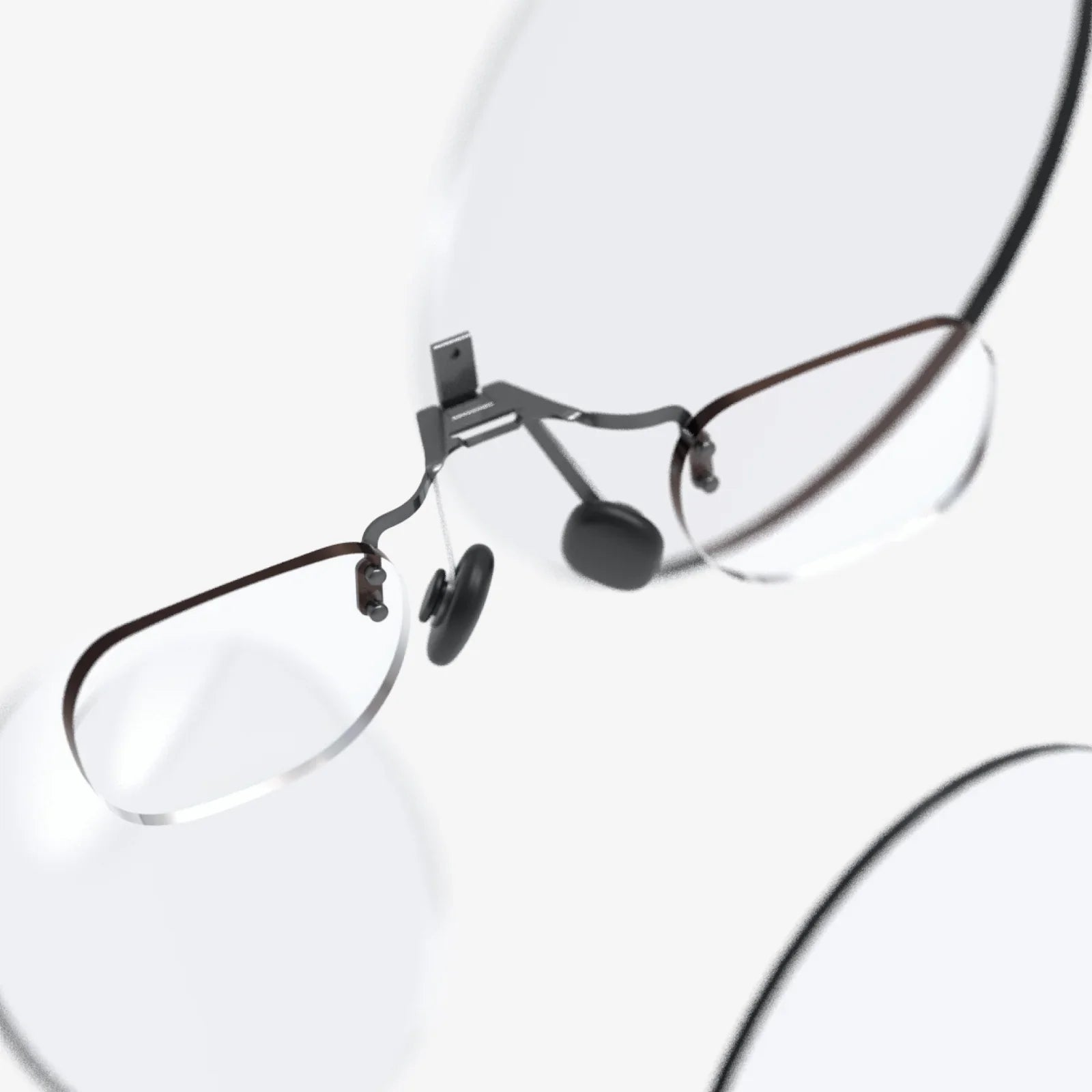
If you spend hours staring at screens and feel your eyes burning, your head throbbing, or your sleep getting worse, the best blue light blocker computer glasses might be the simple upgrade that changes everything. More people than ever are turning to these glasses to fight digital eye strain, improve focus, and protect long-term eye health, but most still have no idea how to choose the right pair or why some glasses work better than others.
This guide breaks down exactly how blue light affects your eyes and brain, what to look for in effective lenses, and how to pick the best blue light blocker computer glasses for work, studying, gaming, and late-night scrolling. If you are tired of dry eyes, headaches, and restless nights after screen time, keep reading before you buy your next pair.
What Is Blue Light and Why It Matters
Blue light is a high-energy, short-wavelength part of the visible light spectrum. It is naturally present in sunlight, but it also pours out of modern screens: computer monitors, laptops, tablets, phones, and even some indoor lighting. Not all blue light is harmful; in fact, during the day it helps regulate your internal clock and keeps you alert. The problem is the intensity and timing of blue light exposure in a digital world.
When you sit in front of a screen for hours, especially in the evening, you are exposed to concentrated blue light at close range. This can contribute to:
- Digital eye strain and fatigue
- Dry, irritated, or burning eyes
- Headaches and difficulty focusing
- Disrupted sleep and insomnia
- Potential long-term stress on the retina
The best blue light blocker computer glasses are designed to filter a significant portion of this light before it reaches your eyes. They do not eliminate all blue light, but they aim to reduce the most disruptive wavelengths while keeping your vision clear and comfortable.
How Blue Light Affects Your Eyes and Brain
Understanding how blue light interacts with your body helps explain why blue light blocker glasses can be so useful. The effects are both visual and neurological.
Impact on Eye Comfort
Blue light scatters more easily than other visible wavelengths, which reduces contrast and makes it harder for your eyes to focus. When you stare at a bright screen full of blue light, your eyes have to work harder. Over time this can lead to:
- Eye strain after long work or gaming sessions
- Sensitivity to light in the evening
- Feeling like your eyes are tired or "heavy"
- Needing to rub your eyes frequently
By filtering some of this high-energy light, the best blue light blocker computer glasses reduce visual noise, making text and images appear more comfortable to look at for extended periods.
Impact on Sleep and Circadian Rhythm
Your body has an internal clock known as the circadian rhythm, which tells you when to feel awake and when to feel sleepy. Blue light plays a major role in regulating this system. During the day, exposure to natural blue light helps you stay alert. At night, your brain expects darkness so it can release melatonin, the hormone that makes you feel sleepy.
When you use screens late at night, the blue light can signal to your brain that it is still daytime. This can:
- Delay melatonin production
- Make it harder to fall asleep
- Reduce sleep quality and depth
- Leave you feeling groggy in the morning
Wearing the best blue light blocker computer glasses in the evening, especially those that filter a higher percentage of blue light, can help reduce this disruption and support healthier sleep patterns.
What Makes the Best Blue Light Blocker Computer Glasses
Not all blue light glasses are created equal. Some are little more than clear lenses with minimal filtering, while others are engineered to block specific wavelengths with measurable results. To find the best blue light blocker computer glasses, you need to understand the factors that truly matter.
1. Level and Range of Blue Light Filtering
The core purpose of these glasses is to filter blue light, but there are different strategies and levels of protection:
- Low to moderate filtering: Often clear or nearly clear lenses that filter a smaller percentage of blue light, typically focused on the range around 400–450 nm. These are suitable for daytime use and office work.
- High filtering: Lenses that block a larger portion of blue light, sometimes extending into the 450–500 nm range. These lenses may appear slightly yellow or amber and are better for evening use or for those who are very sensitive.
- Specialized sleep-focused filtering: Deep amber or orange lenses designed to strongly reduce blue light in the hours before bed. These are often used for sleep optimization rather than all-day wear.
The best blue light blocker computer glasses for most people balance clarity with meaningful filtering, offering noticeable comfort without making colors look unnatural.
2. Lens Color and Visual Clarity
Lens tint is a visible clue to how much blue light is being filtered, but it is not the only factor. Here is how tint typically relates to use:
- Clear lenses: Minimal color distortion, ideal for professional settings and design work where color accuracy matters. They usually provide mild to moderate blue light filtering.
- Pale yellow lenses: Slight color warmth with better filtering, good for extended computer sessions and general productivity.
- Amber or orange lenses: Strong blue light reduction, best for evening or night use, gaming sessions, or individuals with serious sleep or sensitivity issues.
The best blue light blocker computer glasses for work often use clear or lightly tinted lenses, while those for night-time relaxation or gaming might lean toward warmer tints.
3. Anti-Reflective and Anti-Glare Coatings
Blue light is only part of the problem. Reflections and glare from screens and overhead lighting can also strain your eyes. High-quality blue light glasses usually include:
- Anti-reflective (AR) coating: Reduces reflections on both the front and back of the lens, improving clarity and comfort.
- Anti-glare properties: Helps minimize bright spots and halos from screens and lighting, especially in darker rooms.
When comparing the best blue light blocker computer glasses, look for lenses that specifically mention anti-reflective or anti-glare coatings, not just blue light filtering.
4. Lens Material and Durability
Lens material affects weight, clarity, and resistance to damage. Common options include:
- Standard plastic lenses: Lightweight and affordable, suitable for most users.
- Polycarbonate lenses: More impact-resistant, a good choice for everyday wear or if you are hard on your glasses.
- High-index lenses: Thinner and lighter for stronger prescriptions, useful if you need corrective lenses with blue light filtering.
The best blue light blocker computer glasses combine comfortable weight with scratch-resistant coatings to withstand daily use.
5. Comfort, Fit, and Style
You will not benefit from blue light blocker glasses if you never wear them. Comfort and style are more important than many people realize:
- Lightweight frames: Reduce pressure on the nose and ears during long sessions.
- Flexible or adjustable arms: Help achieve a secure, customized fit.
- Nose pads: Can improve comfort, especially for metal frames or those with narrow noses.
- Frame style: Choose a look that suits your face shape and personal style so you feel confident wearing them regularly.
The best blue light blocker computer glasses are the ones you forget you are wearing because they fit so well and feel natural throughout the day.
Who Needs the Best Blue Light Blocker Computer Glasses
Almost everyone uses screens, but some people benefit more than others from blue light protection. If any of the following describes you, it is worth taking these glasses seriously.
Office Workers and Remote Professionals
If you spend 6 to 10 hours or more each day at a computer, you are a prime candidate. Signs that you may need blue light blocker glasses include:
- Eyes feeling sore or tired by mid-afternoon
- Frequent headaches after long meetings or work sessions
- Difficulty focusing on text after hours of screen time
The best blue light blocker computer glasses for professionals offer clear lenses, subtle frames, and strong anti-reflective coatings that look appropriate in any work environment.
Students and Lifelong Learners
Students often juggle online classes, research, digital textbooks, and late-night study sessions. This combination of long hours and evening screen exposure can be tough on both eyes and sleep. Blue light glasses can help by:
- Reducing eye strain during long reading or writing sessions
- Helping maintain focus over extended study periods
- Supporting better sleep even after late-night study
For students, the best blue light blocker computer glasses should be durable, lightweight, and suitable for both daytime use and late-night work.
Gamers and Streamers
Gaming often involves intense visual focus, bright graphics, and long sessions, sometimes late into the night. This combination can amplify eye strain and disrupt sleep. Gamers may benefit from:
- Higher blue light filtering levels, especially in the evening
- Anti-glare coatings to reduce reflections from multiple screens
- Comfortable frames that work well with headsets
The best blue light blocker computer glasses for gaming often use slightly tinted lenses to enhance comfort while preserving visual clarity and detail.
People with Sleep Issues or Light Sensitivity
If you struggle to fall asleep after evening screen use or feel particularly sensitive to bright light, blue light blocker glasses can be part of your strategy. For these users, stronger filtering and warmer tints in the hours before bed can be especially helpful.
How to Choose the Best Blue Light Blocker Computer Glasses
With so many options available, choosing the right pair can feel overwhelming. Breaking the process into clear steps makes it easier to find glasses that suit your needs and lifestyle.
Step 1: Define When and How You Will Use Them
Start by asking yourself a few questions:
- Do you need them mostly for daytime work, evening use, or both?
- Will you wear them in professional settings, at home, or while gaming?
- Do you need prescription lenses, or are non-prescription lenses enough?
If your primary use is daytime office work, look for clear or lightly tinted lenses with moderate blue light filtering. If your focus is evening use and sleep improvement, choose lenses with stronger filtering and a warmer tint.
Step 2: Decide on Lens Type and Features
Consider the following lens features when selecting the best blue light blocker computer glasses:
- Filtering level: Look for information about the percentage of blue light blocked and the wavelength range targeted.
- Anti-reflective coating: Essential for reducing glare and reflections.
- Scratch resistance: Helps maintain clarity over time.
- Prescription vs. non-prescription: If you already wear glasses, consider combining your prescription with blue light filtering.
For many users, a single pair with moderate filtering and strong anti-reflective coating is enough to significantly improve comfort.
Step 3: Choose a Comfortable Frame
Comfort should never be an afterthought. When evaluating frames, pay attention to:
- Weight: Lighter frames are more comfortable for prolonged use.
- Fit around the ears: Arms should rest gently without pinching.
- Nose bridge: The bridge should sit comfortably without sliding or leaving marks.
- Size: Frames that are too tight cause discomfort, while frames that are too loose may slip.
The best blue light blocker computer glasses feel almost invisible on your face, allowing you to focus on your work or entertainment instead of your eyewear.
Step 4: Consider Your Personal Style
Since you will likely wear these glasses daily, choose a style that you actually like. Consider:
- Classic vs. modern frame shapes
- Neutral colors for professional settings
- Bolder designs if you want your glasses to stand out
The more you enjoy how your glasses look, the more consistently you will wear them, and the more benefits you will experience.
Do the Best Blue Light Blocker Computer Glasses Really Work
Many people wonder whether blue light glasses are just a trend or if they deliver real benefits. While research is still evolving, several points are clear:
Effects on Eye Strain
Studies and user experiences suggest that blue light filtering, combined with anti-reflective coatings, can reduce symptoms of digital eye strain for many users. Reduced glare, improved contrast, and less visual noise contribute to increased comfort, especially during long sessions.
However, glasses are only part of the solution. Proper screen distance, good posture, and regular breaks still matter. The best blue light blocker computer glasses work best when combined with healthy screen habits.
Effects on Sleep
There is stronger evidence that evening blue light exposure can disrupt melatonin production and sleep quality. Reducing this exposure, whether by using software filters, dimming screens, or wearing blue light blocker glasses, can help maintain a healthier sleep rhythm.
Users who wear high-filtering blue light glasses in the hours before bed often report falling asleep more easily and feeling more rested, especially if they previously used screens late at night without protection.
Expectations and Limitations
The best blue light blocker computer glasses are not magic. They will not eliminate all headaches or instantly fix every sleep issue, especially if other factors like stress, caffeine, or poor posture are involved. They are a powerful tool, but they work best as part of a broader approach to digital well-being.
Practical Tips for Using Blue Light Blocker Glasses
To get the most from your glasses, small daily habits make a big difference. Integrate these practices into your routine for maximum benefit.
Wear Them Consistently
Consistency is key. If you only put them on occasionally, you will not experience the full benefits. For most people, this means:
- Wearing blue light glasses whenever working at a computer
- Using them during long phone or tablet sessions
- Switching to higher-filtering lenses in the evening if sleep is a concern
Combine with the 20-20-20 Rule
Even with the best blue light blocker computer glasses, your eyes still need breaks. Follow the 20-20-20 rule:
- Every 20 minutes
- Look at something 20 feet away
- For at least 20 seconds
This helps your eye muscles relax and reduces overall strain.
Optimize Your Screen Settings
Pair your glasses with smart screen adjustments:
- Reduce screen brightness to match your environment
- Use warm color modes in the evening
- Increase text size if you find yourself squinting
These simple tweaks, combined with blue light filtering, create a more comfortable digital environment.
Maintain Good Posture and Lighting
Eye strain is often tied to posture and lighting. For best results:
- Position your screen at arm's length with the top at or slightly below eye level
- Avoid strong overhead lights that reflect on your screen
- Use soft, indirect lighting to reduce contrast between the screen and the room
When you combine ergonomic setup with the best blue light blocker computer glasses, you create a powerful defense against digital fatigue.
Frequently Asked Questions About Blue Light Blocker Glasses
Can I wear blue light glasses all day
Yes, you can typically wear them all day without issues, especially if the lenses are clear or lightly tinted. Many people find that all-day use reduces eye fatigue and improves comfort. If you use strongly tinted lenses, you may prefer to reserve them for evening use.
Do I need a prescription for blue light blocker glasses
No, you do not need a prescription for non-corrective blue light glasses. They are available with plain lenses for people who do not need vision correction. If you already wear prescription glasses, you can get blue light filtering added to your prescription lenses or use clip-on filters.
Will blue light glasses change the colors on my screen
Clear or lightly tinted lenses cause minimal color change, which is why they are popular for work and creative tasks. Stronger amber or orange lenses will make the screen appear warmer and slightly alter colors, but many users find this more comfortable, especially at night.
How do I know if my glasses are actually blocking blue light
Reliable blue light glasses usually provide details about the wavelength range and percentage of blue light blocked. Some testing tools and apps can roughly demonstrate filtering, but the most trustworthy information comes from clear specifications. If a pair of glasses makes no mention of specific blue light filtering, it may offer little real protection.
Can blue light glasses help with migraines
Some people with light-sensitive headaches or migraines report relief when using blue light blocker glasses, especially those with stronger filtering. However, results vary, and these glasses should be considered a supportive tool rather than a guaranteed solution. If you have frequent migraines, consult a healthcare professional.
Building a Healthier Digital Life with the Best Blue Light Blocker Computer Glasses
Your screens are not going anywhere. Work, entertainment, social life, and education all run through glowing displays that demand more from your eyes than ever before. While you cannot realistically escape digital life, you can control how it affects your body. The best blue light blocker computer glasses are a practical, wearable way to reclaim comfort, protect your vision, and support better sleep without giving up the technology you rely on.
Imagine logging off at the end of a long day and realizing your eyes do not feel gritty, your head does not ache, and you are not wired awake at midnight from hours of late-night scrolling or gaming. That is the difference smart blue light protection can make when it is chosen carefully and used consistently. If you are ready to upgrade your screen time from exhausting to sustainable, finding the best blue light blocker computer glasses for your needs is one of the simplest and most effective steps you can take today.
Aktie:
Computer Case Glass Window Guide: Design, Cooling, and Build Tips
does walmart sell computer glasses and how to choose the right pair