


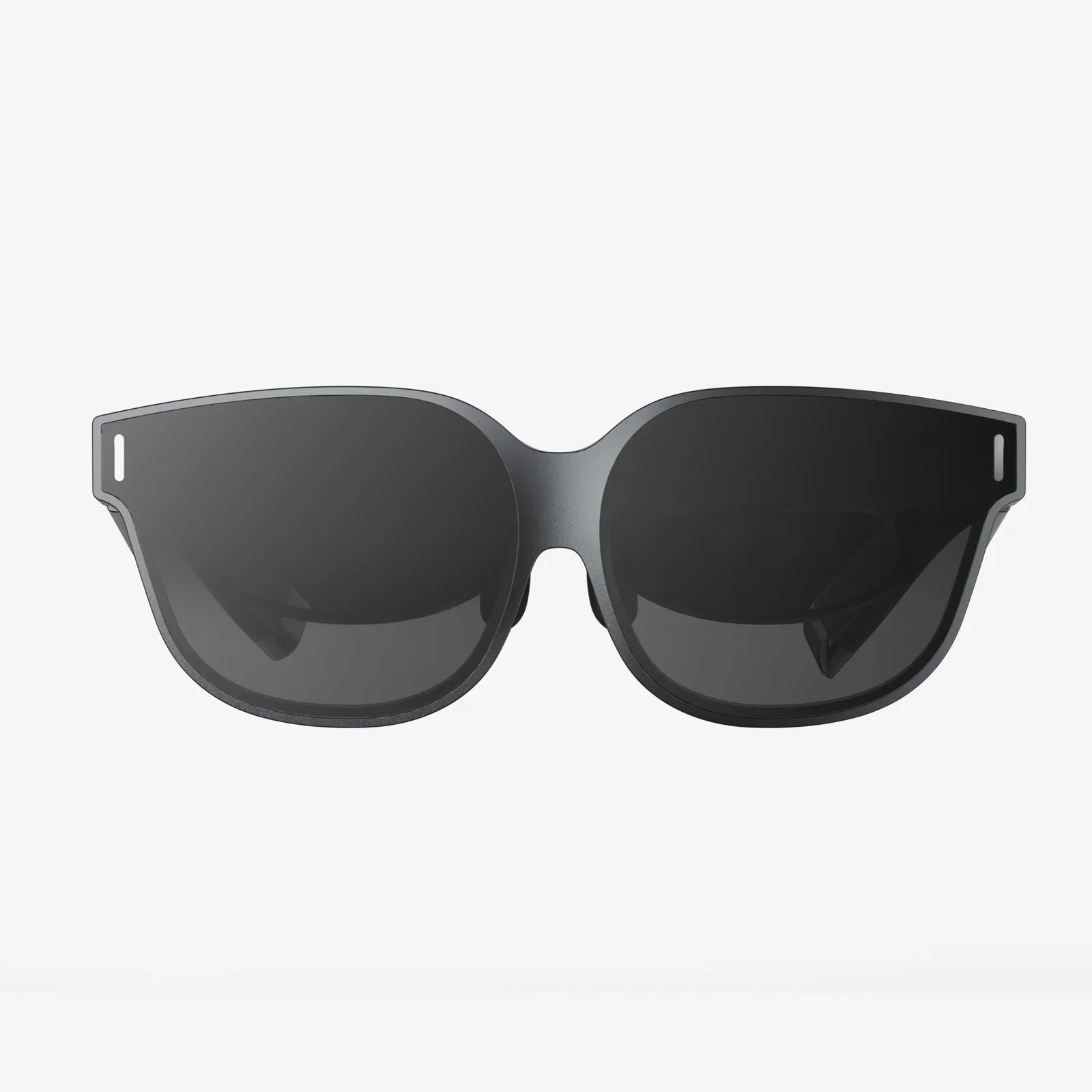
If you have ever ended a workday with burning eyes, a dull headache, and the sense that your screen is slowly draining your energy, you are not alone. The debate around computer glasses prescription vs regular prescription is no longer just a niche topic for tech workers; it affects anyone who spends hours on phones, laptops, or monitors. Understanding how these two types of prescriptions differ can mean the difference between constant eye strain and a clear, comfortable digital life.
Most people assume that one pair of glasses can do it all. However, the visual demands of staring at a screen for eight hours are very different from driving, reading a book, or walking around. That is where the question of computer glasses prescription vs regular prescription becomes critical. To make a smart, eye-friendly decision, you need to understand not just what each prescription does, but how your lifestyle, age, and work habits shape the kind of lenses you truly need.
Why the Debate Matters: Modern Life Is Built Around Screens
Digital screens have quietly become the center of daily life. Many people spend more time looking at screens than at the outside world. From remote work and online learning to streaming and social media, the average person can log anywhere from 6 to 10 hours of screen time each day.
This shift has created a new form of visual stress often called digital eye strain or computer vision syndrome. Typical symptoms include:
- Tired, heavy, or sore eyes after screen use
- Headaches, especially around the temples or behind the eyes
- Blurred or fluctuating vision when looking away from the screen
- Neck and shoulder pain from leaning toward the monitor
- Difficulty focusing when switching between distances
- Increased sensitivity to light
Because of these issues, eye care professionals increasingly distinguish between a computer glasses prescription vs regular prescription. The goal is not to complicate your life with extra pairs of glasses, but to match your lenses to the specific visual task you perform most often.
What Is a Regular Prescription?
A regular prescription is typically designed for general, everyday vision needs. It aims to give you the clearest possible vision at distance, and sometimes at near, depending on your age and visual condition.
Common purposes of a regular prescription include:
- Seeing clearly while driving or walking
- Watching television or a presentation at a distance
- Reading books or printed documents (for near prescriptions)
- Performing everyday tasks that involve frequent changes in focus
A standard prescription may take several forms:
- Single-vision distance lenses for nearsightedness or farsightedness
- Single-vision near lenses for reading or close work
- Progressive lenses that combine distance, intermediate, and near zones in one lens
- Bifocals that offer two distinct focal zones (usually distance and near)
While these lenses can technically be used for screen work, they are not always optimized for the specific distance and posture associated with computer use. This is one of the key differences when comparing a computer glasses prescription vs regular prescription.
What Is a Computer Glasses Prescription?
A computer glasses prescription is tailored specifically for intermediate distances, typically around 20 to 28 inches from the eyes, which is where most screens are positioned. Instead of maximizing clarity at far distances, computer lenses prioritize comfort, focus stability, and posture during extended digital tasks.
Key features of a computer-focused prescription often include:
- Modified lens power optimized for the typical computer viewing distance
- Enhanced intermediate zone that makes it easier to keep the screen in focus without strain
- Optional near support for reading documents or devices placed slightly closer than the monitor
- Coatings or treatments aimed at reducing glare and reflections from screens and indoor lighting
These lenses are not meant to replace every other type of glasses you own. Instead, they function as a task-specific tool, much like having different shoes for running and for formal events. When comparing computer glasses prescription vs regular prescription, it is helpful to think of the former as a specialized instrument designed for one primary job: prolonged, comfortable screen use.
Understanding Viewing Distances: The Heart of the Difference
The most important distinction between a computer glasses prescription vs regular prescription lies in the viewing distance each is optimized for.
Distance Vision (Regular Prescription Focus)
Regular distance prescriptions are designed for objects that are several feet away or more. The focus is on clarity at long range, such as road signs, presentation screens, or people across a room.
When you use distance lenses for computer work, the screen may fall into an intermediate zone that is not perfectly sharp. Your eyes then work harder to compensate, which can cause fatigue, especially over many hours.
Intermediate Vision (Computer Prescription Focus)
Computer glasses prescriptions treat the screen as the main target. The lens power is adjusted so that the intermediate distance where your monitor sits is the easiest to focus on.
This can have several benefits:
- Reduced effort to keep the screen clear
- Less need to lean forward or tilt your head
- More natural posture during long work sessions
- Fewer focus shifts that strain the eye muscles
Near Vision (Reading and Close Work)
Reading glasses and near sections in multifocal lenses are generally optimized for closer distances than a typical monitor, such as books, tablets held in the hands, or small print. Using pure reading lenses for a desktop screen can sometimes make the monitor feel “too far away,” leading to awkward posture or inconsistent focus.
When comparing computer glasses prescription vs regular prescription, it becomes clear that neither standard distance nor near-only lenses are ideal for the mid-range demands of screen work. Computer prescriptions bridge this gap.
How Age Changes the Equation
Your age plays a major role in whether you might benefit more from a computer glasses prescription vs regular prescription.
Under 40: Flexible Focusing, Hidden Strain
People under about 40 years old usually have strong focusing ability. Their eyes can easily adjust between distances, often masking underlying strain. They may feel tired or get headaches but still see clearly.
For this group:
- Regular distance prescriptions might seem “good enough” for screens.
- However, long hours of digital work can still cause fatigue, even if vision seems sharp.
- A computer-adjusted prescription can reduce the effort needed to maintain focus, especially for those who work on screens all day.
Over 40: Presbyopia and the Need for Specialized Help
After about age 40, the eye’s natural lens becomes less flexible, a process called presbyopia. This makes it harder to shift focus between distances, especially when looking at near or intermediate objects.
For this group:
- Regular distance-only glasses are often not enough for screen work.
- Progressive or multifocal lenses may help, but the intermediate zone can be narrow or positioned in a way that forces unnatural head posture.
- A computer-focused prescription can provide a wider, more comfortable intermediate area, making it easier to see the screen without constant head tilting or eye strain.
This is where the difference between computer glasses prescription vs regular prescription can feel dramatic. A tailored computer prescription can transform screen time from a daily struggle into a manageable, comfortable activity.
Lens Designs Commonly Used for Computer Work
Not every lens designed for computer use is the same. When considering a computer glasses prescription vs regular prescription, it helps to understand the main design options used for digital tasks.
Single-Vision Computer Lenses
These lenses are set to one specific power optimized for your screen distance.
Pros:
- Wide, clear area for the monitor
- Simple and easy to adapt to
- Often very comfortable for people who spend many hours at a single workstation
Cons:
- Not ideal for walking around or driving
- May be less convenient if you frequently need to see far distances during the day
Occupational or Office Lenses
These are specialized multifocal lenses designed for indoor use. They often emphasize intermediate and near zones, with limited or no distance vision.
Pros:
- Excellent for people who alternate between screens, desk work, and reading
- Can provide a natural posture for computer work
- More flexible than single-vision computer lenses for office environments
Cons:
- Not intended for driving or outdoor distance tasks
- May require a short adaptation period
Progressive Lenses with Enhanced Intermediate Zones
Some progressive designs place extra emphasis on the intermediate area to make computer work easier.
Pros:
- Can serve as an all-day pair for many people
- Offer distance, intermediate, and near in one lens
Cons:
- The computer zone may still be smaller than in dedicated computer lenses
- Head posture may need adjusting to keep the screen in the optimal area
When comparing computer glasses prescription vs regular prescription, these design choices influence how comfortable and practical your glasses feel during long work sessions.
Symptoms That Suggest You Might Need a Computer Prescription
It is not always obvious when a standard prescription is no longer enough for your digital routine. However, certain patterns can point strongly toward the need for a computer-focused solution.
You may benefit from a computer glasses prescription if you notice:
- Frequent headaches that start after a few hours of screen use
- Needing to lean forward or move closer to the monitor to see clearly
- Neck or upper back pain from adjusting your posture to find a clear zone in your lenses
- Blurred or fluctuating vision when shifting focus between the screen and other distances
- Burning, dry, or watery eyes during or after computer work
- Difficulty sustaining focus on the screen, even when your vision seems sharp at first
These signs reflect the mismatch between the visual task and the lenses you are using. When you weigh computer glasses prescription vs regular prescription, your symptoms are often the most honest indicator of what your eyes really need.
Blue Light, Glare, and Coatings: What Really Matters?
The discussion around computer glasses prescription vs regular prescription often overlaps with questions about blue light and lens coatings. While the prescription determines the focusing power, coatings and filters influence comfort and visual quality.
Glare and Reflections
Indoor lighting, overhead fixtures, and screen reflections can all contribute to eye strain. Many computer-oriented lenses include anti-reflective coatings to reduce glare, which can make it easier to see subtle text and reduce visual noise.
Benefits of anti-reflective coatings can include:
- Sharper, crisper vision in indoor environments
- Less distracting reflections on the lens surface
- Improved comfort during long work sessions
Blue Light Considerations
Digital screens emit a spectrum of light that includes blue wavelengths. There is ongoing research into how blue light affects eye comfort and sleep cycles. Some people report subjective comfort improvements with lenses that modify blue light transmission, especially when using screens late into the evening.
However, it is important to keep perspective:
- The core difference between computer glasses prescription vs regular prescription lies in lens power and design, not just in blue light filtering.
- Improper focusing demands and poor ergonomics often play a larger role in discomfort than blue light alone.
- Screen time habits, breaks, and room lighting also significantly influence eye comfort.
Coatings and filters can be useful additions, but they do not replace the need for an appropriate prescription tailored to your primary viewing distance.
Ergonomics: The Missing Piece in the Prescription Puzzle
Even the best computer glasses prescription can underperform if your workstation setup forces your eyes and body into awkward positions. When comparing computer glasses prescription vs regular prescription, it is wise to consider how your environment interacts with your lenses.
Key ergonomic guidelines include:
- Screen distance: Position the monitor about an arm’s length away.
- Screen height: The top of the screen should be at or slightly below eye level.
- Viewing angle: Aim to look slightly downward at the screen, not upward.
- Lighting: Reduce harsh overhead lights and avoid strong reflections on the monitor.
- Breaks: Follow a regular pattern of brief breaks to relax your eyes and body.
With proper ergonomics, a computer-focused prescription can deliver its full benefits. Without them, even a well-designed lens may not fully solve your discomfort.
How to Talk to Your Eye Care Professional About Computer Needs
Many people walk into an eye exam and simply say they “need new glasses,” without explaining how much of their day is spent on screens. This can lead to a regular prescription that looks perfect on paper but does not reflect real-world demands.
To get the most appropriate solution when weighing computer glasses prescription vs regular prescription, share details such as:
- How many hours per day you spend on computers, phones, or tablets
- The type of work you do (coding, design, writing, data entry, gaming, video calls)
- Your typical screen distance and whether you use one or multiple monitors
- Any symptoms you experience, such as headaches, blurred vision, or neck pain
- Whether you frequently switch between screen work and other tasks like driving or presentations
With this information, your eye care professional can better evaluate whether a dedicated computer glasses prescription, an adjusted regular prescription, or a multi-purpose solution is best for you.
Can One Pair Do It All?
Many people hope to find a single pair of glasses that works for every situation. While this is sometimes possible, it depends heavily on your age, visual needs, and daily routine.
A regular prescription may be enough if:
- You are younger, with strong focusing ability
- You only use screens for short periods
- You do not experience significant digital eye strain symptoms
A computer-focused solution may be better if:
- You spend most of your workday at a computer
- You are over 40 and notice difficulty with intermediate distances
- You experience repeated discomfort tied specifically to screen use
In many cases, people end up with more than one pair: a regular prescription for driving and general life, and a computer glasses prescription for work. While this requires a bit more planning, it can dramatically improve comfort and productivity.
Cost vs Benefit: Is a Computer Prescription Worth It?
When considering computer glasses prescription vs regular prescription, cost is often part of the decision. Adding another pair of glasses or specialized lens design can feel like a luxury, but the benefits often go beyond simple visual clarity.
Potential advantages include:
- Reduced headaches and eye fatigue, leading to more consistent productivity
- Improved comfort, making long workdays more bearable
- Better posture, which can help with neck and back issues
- Less time spent squinting, refocusing, or adjusting your position
For people whose livelihood depends on screen-based work, the practical value of a computer-focused prescription can be significant. When you compare the ongoing cost of discomfort and reduced efficiency with the one-time investment in task-specific lenses, the balance often tips in favor of specialized computer glasses.
Practical Steps to Decide What You Need
To make a confident decision in the computer glasses prescription vs regular prescription debate, you can follow a simple process:
- Track your screen time: Note how many hours a day you spend on computers and other devices.
- List your symptoms: Record when headaches, eye strain, or blurred vision occur and how long they last.
- Measure your setup: Check the distance from your eyes to your monitor and the height of your screen.
- Review your current glasses: Ask yourself whether your existing lenses feel most comfortable for distance, reading, or computer work.
- Discuss everything at your exam: Bring your notes to your eye care appointment and describe your daily routine in detail.
- Be open to a task-specific solution: If recommended, consider trying a dedicated computer prescription for a few weeks to see if your comfort improves.
This structured approach can turn guesswork into a clear decision based on your own experience and professional guidance.
Why Your Choice Today Shapes Your Vision Tomorrow
As digital tools continue to dominate work and leisure, the question of computer glasses prescription vs regular prescription will only grow more important. Ignoring subtle signs of strain may not cause immediate damage, but it can gradually erode your comfort, productivity, and overall quality of life.
Choosing lenses that match the way you actually live and work is a practical act of self-care. Instead of forcing your eyes to adapt to a one-size-fits-all solution, you can give them the precise support they need at the distance you use most. Whether that means adjusting your regular prescription to better handle screens or investing in dedicated computer glasses, the payoff can be felt every time you sit down to work and your vision simply cooperates.
If you are tired of finishing the day with sore eyes and a pounding head, it may be time to stop treating your glasses as a generic accessory and start viewing them as a customized tool. The difference between a computer glasses prescription vs regular prescription is not just a technical detail; it is a choice that can reshape how you feel, focus, and perform in a world built around screens.
Aktie:
Touch Pad Dimmer Light Control Ideas for Smarter, Cozier Lighting
Touch Pad Dimmer Light Control Ideas for Smarter, Cozier Lighting