


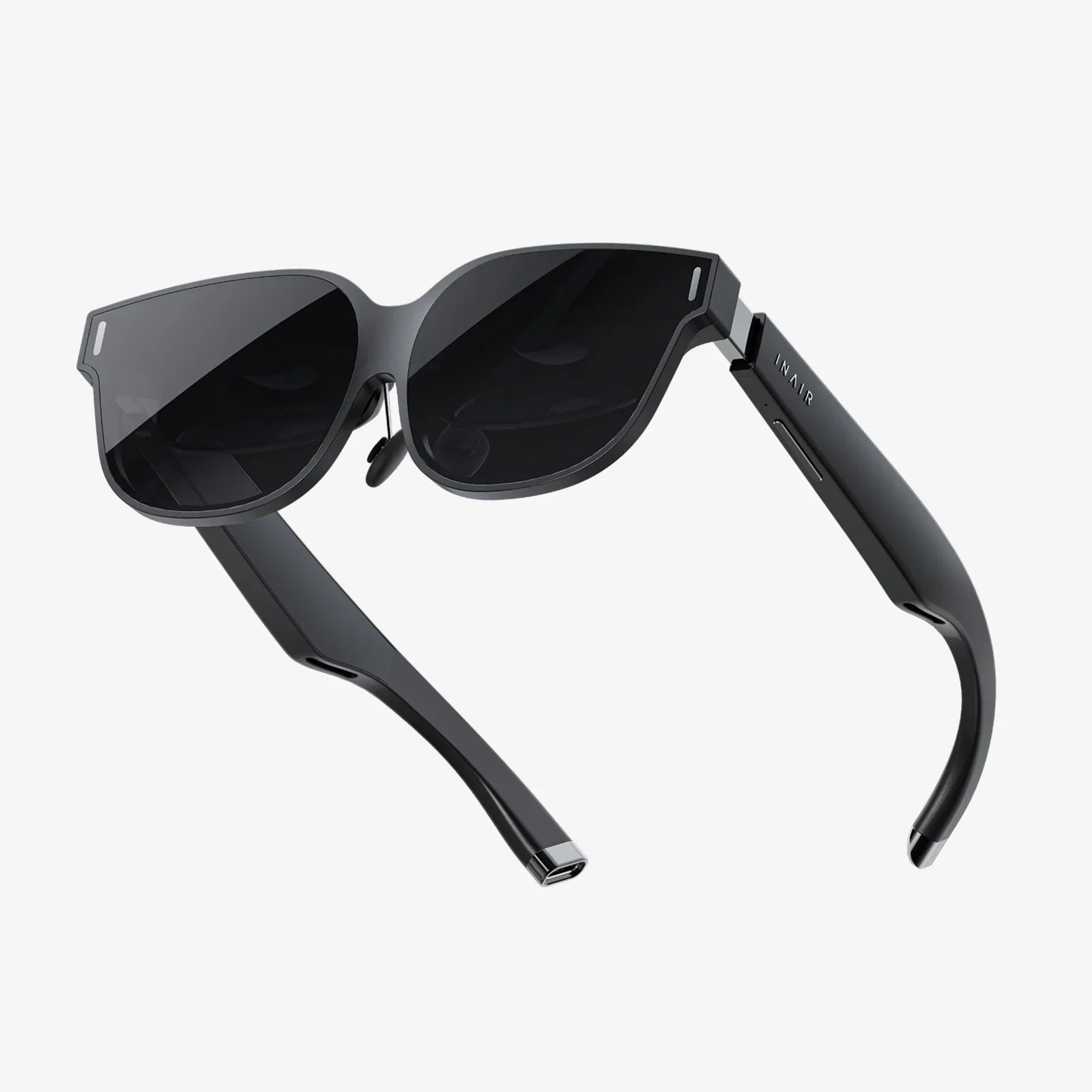
If you have ever ended a long workday with burning eyes, a dull headache, and a desperate urge to shut every screen off, you have probably wondered about the debate: computer glasses vs blue light glasses which is better for protecting your eyes and your productivity. With so many claims, marketing buzzwords, and conflicting advice online, it is easy to feel stuck and unsure what to buy or whether you need anything at all. This guide cuts through the confusion and gives you a practical, science-based way to decide what actually fits your eyes, your work, and your lifestyle.
What Are Computer Glasses and Blue Light Glasses?
Many people use the terms “computer glasses” and “blue light glasses” as if they were the same thing, but they are not identical. They can overlap, yet they are designed with different primary goals in mind.
Computer glasses: purpose and design
Computer glasses are specifically designed for intermediate viewing distances, usually the distance between your eyes and a computer monitor or laptop screen. They typically focus on:
- Optimized lens power for mid-range distance (not far distance, not reading distance)
- Reducing digital eye strain by easing focusing effort
- Improving clarity and comfort for long hours of screen work
They may include additional features such as:
- Anti-reflective coatings to reduce glare from screens and overhead lighting
- Mild magnification for people who do not need a full prescription but still struggle with small text
- Custom prescriptions for those who already wear glasses but need a dedicated “computer distance” pair
The main goal of computer glasses is to make focusing on digital screens easier and more natural, which can reduce symptoms like eye fatigue, blurred vision, and headaches.
Blue light glasses: purpose and design
Blue light glasses, on the other hand, are designed primarily to filter or block blue wavelengths of light, especially the higher-energy blue-violet range emitted by digital screens and some artificial lighting. Their key purpose is:
- Reducing exposure to blue light, particularly in the evening
- Supporting more natural sleep patterns by minimizing disruption to your circadian rhythm
- Potentially decreasing glare and visual discomfort from bright screens
Blue light glasses can be:
- Clear lenses with a subtle blue-light-filtering coating
- Lightly tinted lenses that filter more blue light
- Deep amber or orange lenses that block a large portion of blue light, often used in the evening
Some blue light glasses also include features of computer glasses, such as anti-reflective coatings or mild magnification, but their defining feature is blue light filtration.
Key Differences: Computer Glasses vs Blue Light Glasses
To decide which is better for you, it helps to understand the main differences in how they work and what problems they are meant to solve.
Primary function
- Computer glasses: Optimize focus at screen distance, reduce eye strain from sustained near work.
- Blue light glasses: Filter blue light to reduce potential circadian disruption and, in some cases, perceived glare.
Lens power and optical design
- Computer glasses: Often have a specific prescription or magnification for intermediate distance. They may be single-vision (one focal distance) or specialized lenses that prioritize the computer zone.
- Blue light glasses: Many are non-prescription with standard plano lenses (no correction), though prescription versions exist. Their defining feature is the coating or tint, not the lens power.
Who they are best suited for
- Computer glasses: Ideal for people who spend long hours at a computer and feel eye strain, blurred vision, or neck pain from leaning in or adjusting posture to see clearly.
- Blue light glasses: Often chosen by people who use screens late into the evening, struggle with falling asleep after screen time, or are sensitive to bright, cool-toned light.
What Does Science Say About Blue Light and Eye Health?
There is a lot of marketing around blue light glasses, and not all of it is supported by strong evidence. Understanding what research actually shows can help you avoid unrealistic expectations.
Blue light and eye strain
Many people assume that blue light itself is the main cause of digital eye strain. However, studies suggest that eye strain is more strongly linked to how we use screens than to blue light alone. Factors include:
- Not blinking enough while staring at screens
- Viewing screens at awkward distances or angles
- Uncorrected vision problems (like astigmatism or farsightedness)
- Glare from lighting and reflections
- Extended periods without breaks
Some users report subjective relief when wearing blue light glasses, but controlled studies have found mixed results regarding their ability to reduce digital eye strain. In many cases, improvements may be due to reduced glare or improved habits rather than blue light blocking alone.
Blue light and sleep
Where blue light does have a clearer impact is on sleep and circadian rhythm. Blue light, especially in the evening, can:
- Suppress melatonin production
- Shift your internal clock later
- Make it harder to fall asleep
Digital devices and bright LED lighting are common sources of this evening blue light. Research shows that reducing blue light exposure before bed can help some people fall asleep more easily and improve sleep quality. This can be done by:
- Wearing blue light glasses in the hours before bed
- Using night mode or warm color temperature settings on devices
- Reducing overall screen time at night
Blue light and long-term eye damage
Some marketing claims suggest that blue light from screens causes permanent eye damage or serious diseases. Current evidence does not strongly support the idea that typical screen use causes direct retinal damage from blue light in humans. The intensity of blue light from screens is significantly lower than from natural sunlight.
This does not mean blue light is harmless in every context, but it does mean that for everyday computer use, the main issues are more about comfort and sleep than about preventing long-term eye disease.
What Does Science Say About Computer Glasses and Eye Strain?
Computer glasses take a different approach: instead of focusing on blue light, they focus on optical comfort and reducing the strain of focusing at one distance for long periods.
Why screen distance matters
Your eyes have to constantly adjust focus (accommodate) to see clearly at different distances. When you stare at a screen for hours at a fixed distance, your eye muscles are engaged in a sustained way. Over time, this can lead to:
- Tired or sore eyes
- Blurred vision after long sessions
- Headaches, especially around the forehead and temples
If your regular glasses are set for distance vision (like driving) or close reading, they might not be optimized for the intermediate computer range. This mismatch can force your eyes and neck to compensate, leading to discomfort.
How computer glasses help
Properly designed computer glasses can:
- Match the focal distance to your screen, so your eyes do not work as hard to stay focused.
- Reduce the need to lean forward or tilt your head, easing neck and shoulder strain.
- Include anti-reflective coatings to cut glare from overhead lights and windows.
- Provide mild magnification for those who feel that text is just slightly too small or tiring to read.
Research on digital eye strain consistently highlights the importance of proper correction and ergonomics. When your prescription and working distance are correctly matched, many symptoms of eye strain can improve significantly.
Comparing Benefits: Computer Glasses vs Blue Light Glasses
To decide which is better for you, consider what problem you are primarily trying to solve. The benefits of each type of glasses can be grouped into several categories.
Reducing eye strain and discomfort
- Computer glasses: Highly effective for people whose discomfort is related to focusing effort, uncorrected vision, or poor ergonomics. They directly address the optical demands of screen work.
- Blue light glasses: May help some users who are sensitive to bright or cool-toned light, but evidence is mixed on whether blue light filtering alone significantly reduces eye strain for most people.
If your main complaint is tired eyes, blurred vision, or headaches during the day while working, computer glasses are usually the more targeted solution.
Improving sleep quality
- Computer glasses: Not specifically designed for sleep; they may or may not have blue light filtering.
- Blue light glasses: Can be helpful if you use screens at night and struggle to fall asleep. By reducing blue light exposure in the evening, they can support more natural melatonin production.
If your biggest issue is lying awake after late-night screen time, blue light glasses may be more beneficial, especially when combined with other sleep-friendly habits.
Reducing glare and reflections
- Computer glasses: Often include anti-reflective coatings that reduce glare from screens and overhead lights, which can significantly improve comfort.
- Blue light glasses: Some models include anti-reflective coatings, but this is not guaranteed. The benefit depends on the specific lens design, not just blue light filtering.
If glare and reflections bother you, look for lenses with high-quality anti-reflective coatings, whether they are computer glasses, blue light glasses, or a combination.
Versatility for everyday use
- Computer glasses: Optimized for one main distance (your screen). They may not be ideal for walking around, driving, or looking far away.
- Blue light glasses: Many are designed for general wear, with no special distance optimization. They can be worn throughout the day, especially if they are clear or lightly tinted.
If you want glasses you can wear all day, including away from the computer, blue light glasses may feel more versatile, as long as you do not need a specific computer-distance prescription.
Which Is Better for Different Types of Users?
The best choice depends heavily on your age, vision status, work habits, and symptoms. Here is how to think about it based on common scenarios.
Office workers and remote professionals
If you spend 6–10 hours a day at a computer, often with spreadsheets, documents, or design software, you are a prime candidate for computer glasses. They can:
- Reduce midday headaches
- Improve clarity at your monitor distance
- Help you maintain a more natural posture
If you also work late into the evening or check emails in bed, you might benefit from adding blue light filtering in the evening, either through a separate pair of glasses or device settings.
Students and heavy readers
Students often shift between reading printed materials, laptops, tablets, and phones. For them:
- Computer glasses can help if they experience eye strain while studying at a desk for long periods.
- Blue light glasses may be useful if late-night studying is affecting sleep quality.
Because students often work at varying distances, it is especially important to have the right prescription or magnification set for typical study distances.
Gamers
Gamers may spend many continuous hours focused on a screen, sometimes in dimly lit rooms. For them:
- Computer glasses can improve comfort and reduce fatigue over long sessions by optimizing focus and reducing glare.
- Blue light glasses can help if gaming continues late into the night and interferes with sleep.
A combination lens that includes both blue light filtering and computer-distance optimization can be particularly appealing to gamers who prioritize comfort and performance.
People over 40
As we age, the eye’s ability to focus up close (accommodation) naturally decreases, a condition known as presbyopia. People over 40 often begin to need reading glasses or multifocal lenses. For this group:
- Computer glasses can be extremely helpful because standard reading glasses may be too strong for computer distance, forcing you to lean in or tilt your head.
- Blue light glasses can be added if evening screen use is affecting sleep, but they are not a replacement for the right prescription.
For many people in this age group, a dedicated pair of computer glasses tailored to their monitor distance is often more impactful than blue light filtering alone.
How to Decide: Computer Glasses vs Blue Light Glasses Which Is Better for You?
Use the following step-by-step approach to match your needs with the right type of glasses.
Step 1: Identify your main problem
Ask yourself what bothers you the most:
- Daytime eye strain, blurred vision, or headaches during screen work? Computer glasses are likely the better starting point.
- Trouble falling asleep after using screens at night? Blue light glasses may help, especially in the evening.
- Both eye strain and sleep disruption? Consider a combination approach: computer-optimized lenses with blue light filtering, or separate pairs for day and night.
Step 2: Consider your current vision status
- If you already wear glasses or contacts: You may benefit from a dedicated computer prescription tailored to your monitor distance. Blue light filtering can be added as an option.
- If you do not currently wear glasses: Mild non-prescription computer glasses with magnification might help if you feel strain, but an eye exam is recommended to rule out underlying issues.
Step 3: Evaluate your daily screen habits
Think about:
- How many hours you spend at a computer each day
- How often you use screens in the last 2–3 hours before bed
- Whether your work involves frequent switching between near and far distances
If your workday is heavily screen-based, computer glasses often provide more noticeable daytime relief. If your main screen time is in the evening, blue light glasses may deliver more noticeable sleep benefits.
Step 4: Factor in ergonomics and habits
Glasses alone cannot fix poor habits. Regardless of which type you choose, you will get better results if you also:
- Follow the 20-20-20 rule: every 20 minutes, look at something 20 feet away for 20 seconds.
- Keep your screen about an arm’s length away and slightly below eye level.
- Adjust screen brightness to match the room lighting.
- Increase text size instead of squinting or leaning in.
These changes reduce strain and complement whatever eyewear you choose.
Can You Combine Computer Glasses and Blue Light Glasses?
You do not necessarily have to choose one or the other. Many lenses now combine the benefits of both designs.
Computer-distance lenses with blue light filtering
One option is to get computer glasses that also include a blue light filtering coating. This gives you:
- Optimized focus and comfort at screen distance
- Reduced glare from reflections
- Some protection against evening blue light, depending on the filter strength
This can be a strong choice for people who work long hours in front of screens and also use devices later in the day.
Daytime computer glasses and nighttime blue light glasses
Another approach is to use different glasses for different times:
- Daytime: Computer glasses optimized for comfort and productivity.
- Evening: Blue light glasses, possibly with a stronger tint, used 1–3 hours before bed.
This strategy can be especially useful if you prefer clear lenses during the day and do not want any noticeable tint while working or in meetings.
Common Myths About Computer and Blue Light Glasses
A lot of confusion comes from myths and exaggerated claims. Clearing these up can help you make a more rational decision.
Myth 1: Blue light from screens will permanently damage your eyes
Current evidence does not support the idea that typical screen use causes permanent retinal damage from blue light. The primary concerns are comfort, fatigue, and sleep disruption, not long-term structural damage in most everyday scenarios.
Myth 2: Blue light glasses are guaranteed to fix eye strain
Blue light glasses may help some people feel more comfortable, but they are not a universal cure for digital eye strain. Often, the root causes are uncorrected vision, poor ergonomics, and lack of breaks.
Myth 3: Computer glasses are only for people with strong prescriptions
Even people who have never worn glasses before can benefit from mild, well-designed computer glasses if they experience discomfort from long hours at a screen. The key is to get the right power and setup for your specific working distance.
Myth 4: Any cheap pair of glasses labeled “blue light” or “computer” will do
Not all lenses are created equal. The quality of the coatings, the accuracy of the prescription, and the fit of the frame all influence comfort and effectiveness. A poorly made pair, even with the right label, may not solve your problems.
Practical Tips Before You Buy
Before investing in any type of glasses, consider these steps to get the best results for your eyes and your budget.
Get a comprehensive eye exam
If you have not had an eye exam in the last one to two years, it is wise to schedule one. An exam can:
- Identify uncorrected vision problems contributing to eye strain
- Determine whether you need a specific computer-distance prescription
- Rule out underlying eye health issues
Bring information about your typical screen distance and work setup so your eye care professional can tailor recommendations.
Measure your working distance
Use a tape measure to find the distance from your eyes to your primary monitor when you are sitting comfortably. Knowing this distance can help ensure that your computer glasses are optimized for how you actually work, not just a generic assumption.
Decide on lens features that matter most
Consider which features are important for you:
- Anti-reflective coating for glare reduction
- Blue light filtering, especially if you use screens at night
- Scratch-resistant coating for durability
- Lightweight frames for comfort during long sessions
Prioritize features that align with your main symptoms and habits instead of chasing every possible add-on.
Test and adjust
Once you get your glasses, give yourself time to adapt. If something feels off after a reasonable adjustment period—such as persistent headaches, dizziness, or difficulty focusing—contact your eye care provider to check the prescription or fit.
So, Computer Glasses vs Blue Light Glasses Which Is Better?
After breaking down the differences, the answer depends on what you need most:
- If your primary concern is daytime eye strain, focusing difficulty, or headaches during work, computer glasses are usually the more effective and targeted choice.
- If your primary concern is sleep disruption from evening screen time, blue light glasses are often the better fit, especially when paired with good sleep hygiene.
- If you struggle with both, a combination approach—either through dual-purpose lenses or separate pairs for day and night—can give you the best of both worlds.
The most powerful step you can take is not just buying a pair of glasses, but matching the right type of lenses to your specific symptoms, work habits, and lifestyle. When you do that, glasses stop being a confusing purchase and become a tool that makes your days more productive, your evenings more relaxed, and your eyes far more comfortable.
If you have been hesitating between computer glasses vs blue light glasses, which is better becomes much easier to answer once you understand what your eyes are actually asking for. Take a moment to notice when your discomfort is worst—during long workdays, late-night scrolling, or both—and let that guide your choice. The right pair of lenses, backed by smart screen habits, can turn your screens from a daily strain into a space where your eyes feel clear, focused, and ready for whatever you need to get done.
Aktie:
glass computer desk argos buying guide and modern home office ideas
glass computer desk argos buying guide and modern home office ideas