


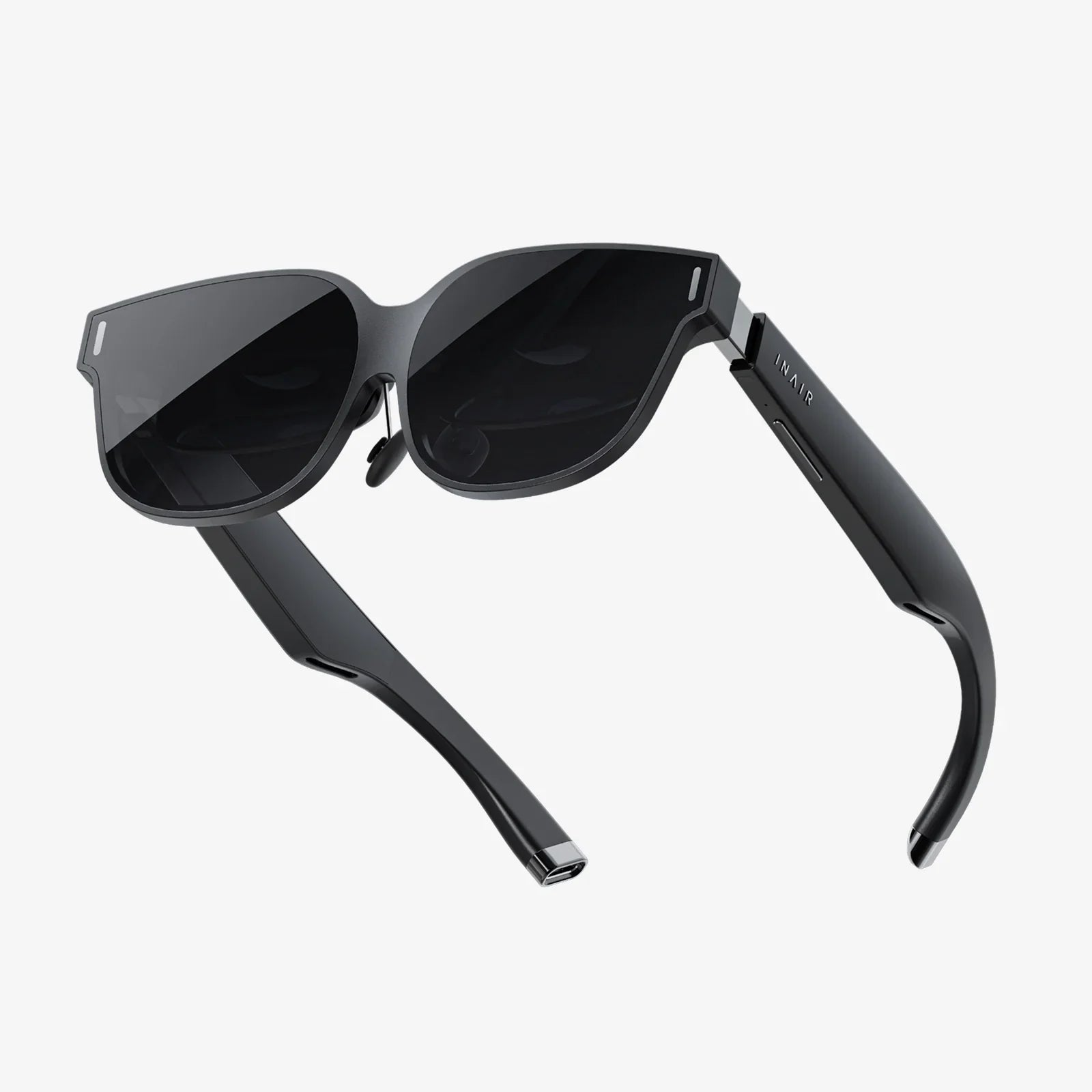
Imagine walking into a room where every transparent surface around you can light up, display information, harvest energy, and even adapt to your mood. That is the promise of g glass technology: a new generation of smart, responsive, and connected glass that turns windows, screens, and facades into intelligent interfaces. As this innovation moves from labs to real-world applications, it is quietly reshaping how we build, work, travel, and interact with our environments.
At its core, g glass technology refers to advanced glass systems enhanced with electronics, sensors, coatings, and connectivity that allow transparent surfaces to perform far beyond traditional roles. Instead of simply letting light in or keeping weather out, glass becomes a platform for data, energy, security, and immersive experiences. The shift may seem subtle at first glance, but its impact on architecture, transportation, consumer electronics, and sustainability is profound.
The foundations of g glass technology
To understand why g glass technology is so transformative, it helps to break down the underlying components. Modern smart glass solutions combine several key elements:
- Advanced glass substrates – High-strength, chemically treated, or laminated glass that can withstand stress, impact, and environmental exposure while remaining optically clear.
- Functional coatings and films – Thin layers that can control light transmission, reflect heat, filter ultraviolet radiation, or change transparency on demand.
- Embedded electronics – Transparent conductors, micro-LEDs, micro-sensors, and flexible circuits integrated into or onto the glass surface.
- Connectivity and control systems – Wireless modules, processors, and software that allow glass to respond to user input, environmental data, or automation rules.
- Energy management – Photovoltaic layers, low-power electronics, and smart power routing that enable glass to generate or efficiently use energy.
When these elements are combined, glass transforms from a passive material into an active, programmable surface. This evolution parallels the shift from basic mobile phones to smartphones: the physical form looks familiar, but the capabilities are radically expanded.
Key capabilities enabled by g glass technology
Modern g glass technology offers a wide range of capabilities that can be mixed and matched depending on the application. Some of the most impactful functions include:
Dynamic transparency and privacy control
One of the most recognizable features of smart glass is its ability to switch between clear and opaque states. Technologies such as electrochromic, suspended-particle, or liquid-crystal-based systems allow users to adjust transparency via a switch, an app, or automated controls.
- Privacy on demand – Glass partitions in offices or bathrooms can become frosted instantly, eliminating the need for blinds or curtains.
- Glare and brightness management – Windows can automatically tint to reduce glare, improving comfort and visibility.
- Adaptive aesthetics – Building facades can change their appearance throughout the day, enhancing design flexibility.
Integrated displays and interactive surfaces
G glass technology also enables transparent displays and touch-sensitive surfaces. When combined with micro-LEDs, projection systems, or transparent OLED layers, glass can function as a screen while still allowing light to pass through.
- Heads-up displays – Windshields and visors can show navigation, speed, or alerts without blocking the view.
- Interactive windows – Storefronts and office windows can show digital content, respond to touch, and engage passersby.
- Collaborative workspaces – Glass walls can function as large, digital whiteboards for meetings and presentations.
Energy efficiency and solar harvesting
Energy is a central theme in g glass technology. Smart coatings and integrated photovoltaic layers help buildings and vehicles manage heat and generate power.
- Thermal management – Low-emissivity coatings reduce heat transfer, keeping interiors cooler in summer and warmer in winter.
- Solar control – Dynamic tinting reduces cooling loads by blocking excess solar gain during peak hours.
- Power generation – Semi-transparent solar cells embedded in glass can convert sunlight into electricity while preserving visibility.
Sensing, safety, and data collection
When glass becomes a sensor platform, it can monitor its own structural health, detect environmental conditions, and contribute to broader data systems.
- Structural monitoring – Embedded strain or vibration sensors can detect cracks or stress before failures occur.
- Environmental sensing – Glass can track temperature, light levels, air quality, or occupancy for building automation.
- Security functions – Integrated alarms, break detection, and access control mechanisms enhance safety.
G glass technology in architecture and buildings
Among all sectors, architecture is one of the most visibly transformed by g glass technology. Buildings are increasingly designed with large glass surfaces, and smart glass allows these surfaces to be both visually striking and highly functional.
Responsive facades and climate control
Traditional glass facades often struggle with heat gain, glare, and energy inefficiency. Smart glass offers a dynamic alternative:
- Adaptive shading – Facades can automatically darken in response to sunlight, reducing the need for mechanical blinds.
- Zoned control – Different sections of a building’s glass envelope can adjust independently based on orientation, occupancy, or time of day.
- Reduced HVAC loads – By managing solar gain and insulation in real time, buildings can significantly reduce heating and cooling energy use.
These capabilities align with stricter energy codes and sustainability goals, making g glass technology attractive for both new construction and retrofits.
Interior spaces and flexible layouts
Inside buildings, g glass technology can reshape how spaces are divided and used:
- Switchable partitions – Glass walls can transition from transparent to opaque, allowing open-plan offices to become private meeting rooms in seconds.
- Acoustic and visual comfort – Laminated smart glass can combine sound-dampening properties with controllable transparency.
- Digital collaboration surfaces – Conference rooms can feature glass panels that double as interactive displays for presentations and brainstorming.
This flexibility is particularly valuable as workplaces evolve toward hybrid and activity-based models, where spaces need to support multiple functions.
Smart windows as information hubs
With embedded displays and sensors, windows can become information hubs rather than static openings.
- Contextual information – Residents or office workers can view weather, calendar reminders, or building alerts directly on the window.
- User customization – Occupants can adjust tint, privacy, and display settings through apps or voice control.
- Integration with building systems – Windows can communicate with lighting, heating, and security systems to optimize comfort and efficiency.
As buildings become smarter and more connected, g glass technology helps bridge the gap between digital systems and the physical environment.
G glass technology in transportation
Vehicles are another major arena where g glass technology is gaining traction. From cars and trains to aircraft and marine vessels, transparent surfaces are evolving into multifunctional interfaces.
Automotive applications
In vehicles, glass is central to safety, visibility, and user experience. G glass technology enhances these functions in several ways:
- Heads-up displays on windshields – Navigation cues, speed, and safety warnings can be projected directly into the driver’s field of view, reducing distraction.
- Smart sunroofs and windows – Dynamic tinting allows passengers to control brightness and heat without physical shades.
- Integrated antennas and sensors – Glass can house communication antennas, rain sensors, and driver-assistance cameras more seamlessly.
As vehicles move toward higher levels of automation, interior glass surfaces may also become entertainment and productivity screens for passengers.
Aviation and rail
In aircraft and trains, g glass technology offers both aesthetic and functional benefits:
- Electrochromic windows – Passengers can adjust window brightness without mechanical shades, improving comfort and reducing maintenance.
- Cabin information displays – Transparent partitions can show safety instructions, route maps, or ambient visual effects.
- Weight and efficiency gains – Integrating multiple functions into glass can reduce components and simplify cabin design.
These features contribute to a more pleasant travel experience while helping operators manage energy and maintenance costs.
Consumer electronics and everyday devices
Beyond buildings and vehicles, g glass technology is quietly entering everyday devices and consumer environments.
Smart home interfaces
In homes, glass surfaces can evolve into intuitive control points and information displays:
- Bathroom and kitchen mirrors – Reflective surfaces can show news, notifications, or health metrics while functioning as standard mirrors.
- Appliance doors – Glass fronts on appliances can display status, recipes, or controls, then turn transparent to show contents.
- Sliding doors and partitions – Smart glass can combine privacy, lighting control, and visual information in one surface.
These applications emphasize convenience and aesthetics, blending digital functions into familiar household elements.
Retail and public spaces
In commercial and public environments, g glass technology can enhance engagement and wayfinding:
- Interactive storefronts – Shop windows can display dynamic content, respond to gestures, and highlight products without blocking visibility.
- Digital signage – Transparent displays can overlay information on real-world views, ideal for museums, transit hubs, or exhibitions.
- Smart kiosks – Glass panels can combine touch interaction, payment systems, and contextual information in a sleek form factor.
By turning glass into a digital canvas, businesses can deliver richer experiences without cluttering spaces with traditional screens.
Manufacturing and materials innovations behind g glass technology
The rise of g glass technology is closely tied to advances in materials science and manufacturing. Several key innovations make it possible to integrate electronics and functionality into glass while preserving clarity and durability.
Transparent conductive materials
To embed electronics into glass, manufacturers rely on transparent conductive materials. These layers allow electrical signals to pass while remaining nearly invisible to the eye.
- Thin conductive oxides – Widely used in touchscreens and displays, these coatings support capacitive sensing and power delivery.
- Metal mesh and nanowires – Ultra-fine metallic structures can offer lower resistance and better flexibility than traditional coatings.
- Emerging materials – Research into new transparent conductors aims to improve performance, flexibility, and cost.
Choosing the right material involves balancing transparency, conductivity, durability, and manufacturing complexity.
Lamination and multi-layer structures
Many g glass technology products rely on laminated structures, where multiple layers are bonded together:
- Safety and security – Laminated glass can hold together when cracked, improving safety and enabling intrusion resistance.
- Integration of electronics – Sensors, wiring, and display elements can be embedded between layers to protect them from the environment.
- Tailored performance – Different layers can provide thermal, acoustic, optical, or structural functions.
Modern lamination techniques allow for precise alignment and minimal optical distortion, which is critical for high-end architectural and display applications.
Scalable manufacturing and cost considerations
To move beyond niche projects, g glass technology must be produced at scale. This requires:
- Roll-to-roll processing for films – Large-area coatings and flexible electronics can be produced more efficiently on continuous rolls.
- Automated handling and cutting – Robotics and precision tools reduce breakage and improve yields when working with large glass panels.
- Standardization – Common interface standards and modular designs help reduce costs and simplify integration into buildings and vehicles.
While advanced smart glass remains more expensive than traditional glass, costs are gradually decreasing as production scales and technology matures.
Sustainability and environmental impact
G glass technology plays a significant role in sustainability strategies, especially in the built environment where energy consumption is high.
Reducing operational energy use
The largest sustainability benefit often comes from lowering ongoing energy consumption:
- Lower heating and cooling demand – Dynamic shading and improved insulation reduce reliance on HVAC systems.
- Optimized daylighting – Smart glass can admit natural light while limiting glare, reducing the need for artificial lighting.
- Intelligent control – Integration with building management systems allows glass to respond to occupancy and weather in real time.
These improvements can significantly cut greenhouse gas emissions associated with building operations.
Embodied energy and recyclability
At the same time, it is important to consider the environmental impact of manufacturing and end-of-life handling:
- Material complexity – Multi-layer structures and embedded electronics can complicate recycling compared with standard glass.
- Durability – Longer service life can offset higher embodied energy if products remain functional for decades.
- Design for disassembly – Future-oriented designs may allow easier separation of glass, films, and electronics for recycling.
As sustainability regulations tighten, manufacturers and designers will need to address these challenges more explicitly.
Challenges and limitations of g glass technology
Despite its potential, g glass technology faces several practical and technical challenges that influence adoption.
Cost and return on investment
Advanced smart glass is still more expensive than conventional glass and shading systems. Decision makers must weigh upfront costs against long-term benefits:
- Energy savings – Reduced utility bills can offset capital costs over time, especially in large buildings.
- User comfort and productivity – Better lighting and climate control can improve occupant satisfaction and performance.
- Brand and aesthetic value – High-tech facades and interiors can enhance a building’s image and marketability.
The business case tends to be strongest in premium projects, but as costs fall, broader adoption becomes more feasible.
Reliability and maintenance
Embedding electronics in glass introduces new reliability considerations:
- Long-term performance – Coatings, seals, and electronic components must endure UV exposure, temperature swings, and mechanical stress.
- Repair complexity – Replacing or repairing smart glass can be more complex than swapping standard panes.
- Software and compatibility – Systems must remain compatible with evolving building automation and control platforms.
Manufacturers address these issues through rigorous testing and warranties, but buyers must still plan for lifecycle management.
Privacy and data security
When glass surfaces collect data or connect to networks, privacy and cybersecurity become important:
- Sensor data handling – Information about occupancy or behavior must be managed in compliance with privacy regulations.
- Secure connectivity – Glass-based devices should be protected against unauthorized access or tampering.
- User transparency – Occupants and visitors should understand what data is collected and how it is used.
As smart environments become more pervasive, clear policies and robust security practices will be crucial.
Future directions and emerging possibilities
The trajectory of g glass technology points toward even more integrated, intelligent, and interactive environments. Several emerging trends hint at what the next decade may bring.
Augmented reality and spatial computing
As augmented reality and spatial computing mature, glass surfaces could become key interfaces for blending digital content with the physical world:
- Context-aware displays – Windows could highlight points of interest in the outside view or overlay navigation directions.
- Collaborative AR workspaces – Glass walls might show shared 3D models or data visualizations that multiple people can manipulate.
- Adaptive learning environments – Classrooms could use smart glass to present interactive content tailored to different learning styles.
These scenarios rely on precise tracking, responsive rendering, and seamless integration with other devices, but the glass surface itself is a natural canvas.
More autonomous, self-powered glass systems
Future g glass technology may become more autonomous, relying less on external wiring and power:
- Integrated solar and storage – Glass could harvest enough solar energy to power its own electronics and sensors.
- Wireless communication – Low-power communication protocols can reduce wiring and simplify installation.
- Local intelligence – Onboard processors and machine learning could allow glass to adapt behavior based on patterns over time.
This evolution would make smart glass easier to retrofit into existing structures and more resilient in the face of network or power disruptions.
Customized and user-centric experiences
As personalization becomes standard in digital services, g glass technology may extend this trend into physical spaces:
- Profile-based settings – Glass in offices or vehicles could adjust transparency, lighting, and displayed content based on who is present.
- Health and wellness features – Smart glass might tune light spectra to support circadian rhythms or reduce eye strain.
- Accessibility enhancements – Visual overlays and adaptive contrast could assist users with visual impairments.
These capabilities will require careful design to balance convenience, inclusivity, and privacy.
How designers, builders, and technologists can prepare
For professionals who shape the built environment and digital experiences, g glass technology is not just a novelty; it is an emerging toolkit that can redefine what surfaces can do.
- Architects and designers – Learning how to specify, detail, and integrate smart glass into facades and interiors will open new design possibilities.
- Engineers and contractors – Understanding electrical, structural, and control requirements is essential for successful installation and commissioning.
- Technology developers – Creating interoperable software platforms and intuitive interfaces will determine how effectively users can interact with smart glass.
- Facility managers – Developing strategies for maintenance, updates, and performance monitoring will protect long-term value.
Cross-disciplinary collaboration will be key, since g glass technology sits at the intersection of materials science, electronics, software, and design.
If you picture the spaces where you live, work, and travel in ten or fifteen years, it is hard to imagine them without some form of intelligent, responsive glass. Windows that once only framed a view will filter, interpret, and enrich what you see. Partitions that once simply divided space will become collaborators in privacy, communication, and atmosphere. Vehicles and public spaces will use transparent surfaces to guide, inform, and entertain without crowding your field of vision.
G glass technology is quietly turning the world’s most familiar material into one of its most transformative platforms. The next time you look through a pane of glass, consider how it might soon do far more than separate inside from outside. The transparent surfaces that surround you are on the verge of becoming active participants in your daily life, and those who understand and embrace this shift will be best positioned to shape the luminous, data-rich environments of the future.
Aktie:
Tempered Glass Screen Protector for iPhone 14 Pro: The Complete Buyer’s Guide
Glass and Screen Repair Essentials Every Device Owner Should Know