


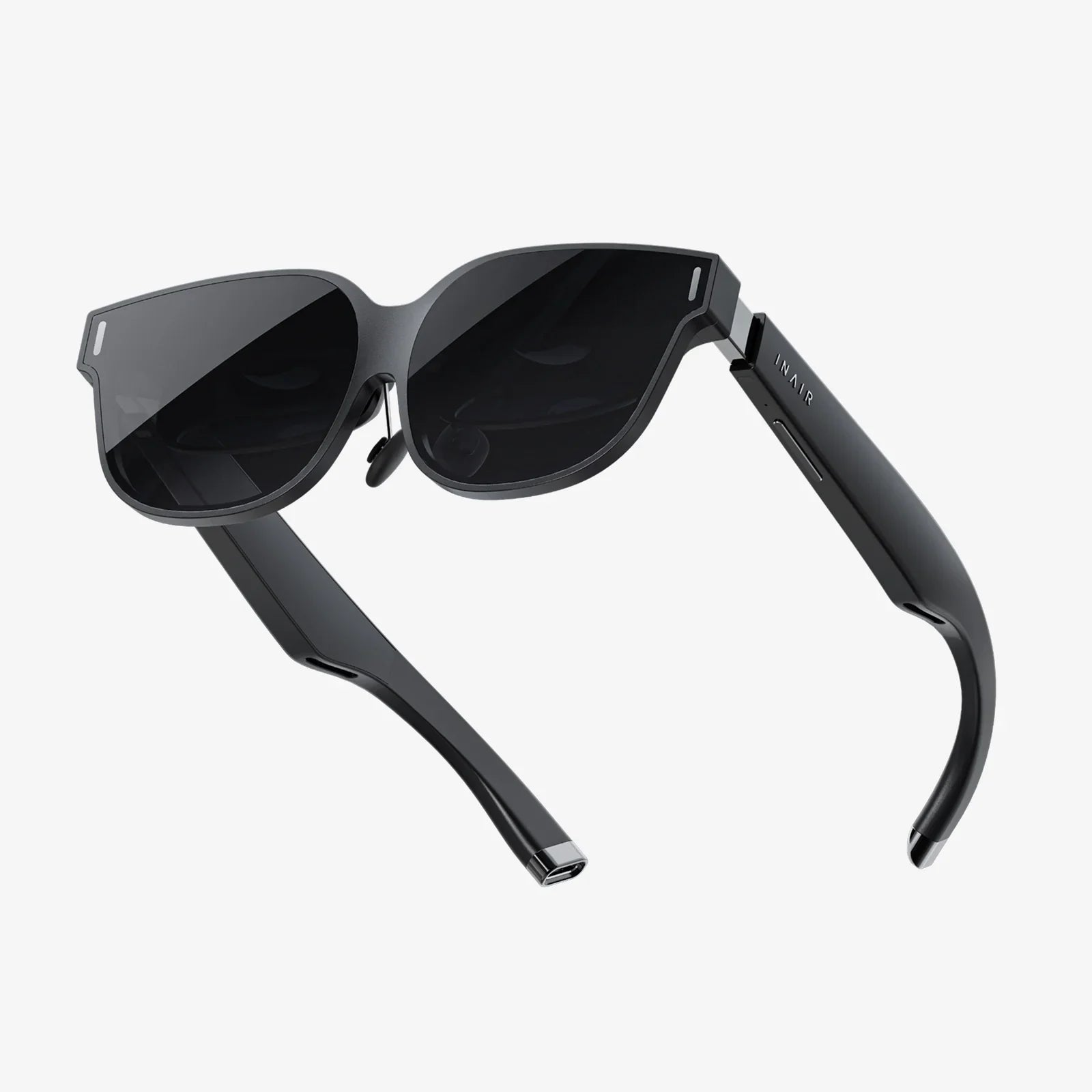
If you have ever ended a long gaming session with burning eyes, a pounding headache, or blurry vision, you are not alone. More players than ever are turning to gameing glasses to protect their eyes, sharpen their focus, and squeeze out every last bit of performance. Yet most people still do not really understand what these glasses do, how they work, or whether they are actually worth it. This guide breaks everything down so you can decide with confidence and maybe gain a real edge in your next match.
Gameing glasses are designed specifically for people who spend hours in front of digital screens. They are not just a fashion accessory or a gimmick. When chosen and used correctly, they can play a major role in reducing digital eye strain, improving visual comfort, and helping you stay locked in during long sessions. Whether you are a casual player, a content creator, or a competitive gamer, understanding how these glasses work can change the way you play.
What Are Gameing Glasses?
Gameing glasses are specialized eyewear designed to make extended screen time more comfortable and less harmful to your eyes. They typically feature lenses that filter or reduce certain wavelengths of light, especially high-energy blue light, while also optimizing contrast and reducing glare. Many designs also take into account the typical posture and viewing distance of gamers, offering frames that fit comfortably with headsets and stay secure during quick movements.
Unlike regular eyeglasses that are primarily focused on correcting vision, gameing glasses are built around visual ergonomics. They address how your eyes interact with screens, lighting, and long periods of concentration. Even people with perfect vision can benefit from them, because the goal is not only to see clearly but to see comfortably over time.
Why Blue Light Matters for Gamers
Modern displays, including monitors, laptops, tablets, and phones, emit large amounts of blue light. Blue light is part of the visible spectrum and is not inherently bad, but high-energy blue light can contribute to eye strain and interfere with sleep patterns, especially when you play late into the night.
Here are the main ways blue light affects gamers:
- Digital eye strain: Long exposure can lead to tired, dry, and irritated eyes, as well as headaches.
- Reduced contrast: Blue light is scattered more easily, which can make images appear hazier and less sharp.
- Sleep disruption: Blue light suppresses melatonin, the hormone that helps regulate sleep, making it harder to fall asleep after late-night sessions.
- Visual fatigue: Your eyes must work harder to maintain focus on bright, high-contrast screens, especially in dark rooms.
Gameing glasses are engineered to address these issues by selectively filtering blue light, enhancing contrast, and controlling the visual environment that your eyes experience during play.
How Gameing Glasses Work
The core function of gameing glasses lies in their lenses. These lenses use coatings, tints, and materials that interact with incoming light in specific ways. While the exact technology can vary, most models focus on three main goals: filtering blue light, reducing glare, and optimizing contrast.
Here is how they typically work:
- Blue light filtering: The lenses absorb or reflect a portion of high-energy blue light. Some lenses have a visible tint, while others look nearly clear but still filter specific wavelengths.
- Anti-reflective coatings: These coatings reduce reflections from the front and back surfaces of the lens, cutting down on glare from screens and overhead lighting.
- Contrast enhancement: Subtle tints can make colors appear richer and edges more defined, helping you distinguish details more quickly.
- Mild magnification (sometimes): Some gameing glasses include a slight magnification to reduce the effort needed to focus on near objects, such as screens.
When combined, these features can make your visual experience feel smoother and less tiring, especially during marathons of competitive play or streaming.
Key Benefits of Gameing Glasses
Gameing glasses offer a range of benefits that extend beyond simple comfort. For serious players, they can be part of a broader strategy to maintain health and performance over time.
Reduced Eye Strain and Fatigue
Digital eye strain, sometimes called computer vision syndrome, is extremely common among gamers. Symptoms include dry eyes, burning sensations, blurred vision, and headaches. By filtering blue light, reducing glare, and easing focus demands, gameing glasses can significantly cut down on these symptoms.
Less strain means your eyes stay fresher for longer. You are less likely to feel that heavy, tired sensation that makes it hard to track fast movements or read small text on the screen. This can be especially important in fast-paced genres where reaction times and visual clarity are crucial.
Better Focus and Visual Clarity
Gameing glasses can help you maintain a sharper focus over extended periods. By improving contrast and reducing visual noise, they make it easier to pick out important details, such as enemy silhouettes against complex backgrounds, subtle movement at the edge of your vision, or small interface elements.
When your eyes do not have to fight glare or strain to stay focused, your brain can devote more resources to decision-making and reaction. Over time, this can translate into smoother gameplay and more consistent performance.
Improved Comfort During Long Sessions
Comfort is a serious performance factor. Uncomfortable eyes, constant squinting, or adjusting to glare can distract you and break your concentration. Gameing glasses help create a more stable and comfortable visual environment, letting you stay immersed in the game.
For streamers and content creators who spend many hours on camera, this comfort can make a big difference in energy levels and on-screen presence. Less discomfort means you can play longer without feeling drained.
Support for Healthier Sleep Patterns
Many gamers play late into the night, often right before trying to sleep. Blue light exposure in the evening can delay the release of melatonin, making it harder to fall asleep and reducing sleep quality. Over time, poor sleep can affect reaction time, mood, and overall health.
Gameing glasses that filter blue light help reduce this impact. While they are not a magic fix for all sleep issues, they can be an important part of a healthier routine, especially when combined with other good habits like dimming lights and screens before bed.
Potential Performance Edge
Though gameing glasses will not instantly turn a casual player into a champion, they can support performance in subtle but meaningful ways. Less eye strain, better contrast, and improved comfort all contribute to more consistent play, especially during long sessions or tournaments.
In high-stakes situations, small advantages add up. If your eyes stay fresher longer than your opponent’s, you may maintain accuracy and reaction speed deeper into a match. For players who take competition seriously, this can be a compelling reason to adopt gameing glasses as part of their setup.
Types of Gameing Glasses
Not all gameing glasses are the same. Understanding the different types helps you choose the pair that best fits your needs, preferences, and gaming habits.
Blue Light Filtering Glasses
These are the most common type of gameing glasses. Their primary function is to filter out a portion of blue light emitted by screens. They may have lenses that are clear, slightly tinted, or noticeably tinted, depending on how aggressive the filtering is.
Typical features include:
- Lens coatings that block or absorb specific blue light wavelengths
- Anti-reflective coatings to reduce screen glare
- Optional mild magnification for close-up focus comfort
These glasses are suitable for most gamers and work well for general screen use, including work and browsing.
Tinted Gameing Glasses
Some gameing glasses use more noticeable tints, such as amber or yellow, to enhance contrast and reduce harsh brightness. These tints can make environments feel warmer and less glaring, especially in dark rooms with bright screens.
Benefits of tinted lenses include:
- Enhanced contrast, making it easier to distinguish objects and textures
- Reduced perceived brightness from white and blue tones
- Potentially stronger blue light filtering compared to clear lenses
However, the color shift may not appeal to everyone, and some users may prefer a more natural color balance.
Prescription Gameing Glasses
For gamers who already wear corrective lenses, prescription gameing glasses combine vision correction with blue light filtering and other visual enhancements. This allows you to enjoy the benefits of gameing glasses without layering them over regular glasses.
Features may include:
- Customized prescription lenses
- Blue light filtering coatings
- Anti-reflective surfaces
- Frames designed for comfortable use with headsets
These are ideal if you need vision correction and spend many hours gaming or working at a computer.
Clip-On Gameing Lenses
Clip-on lenses attach to your existing prescription glasses. They can be flipped up or removed when not needed, offering flexibility for those who do not want a separate pair of dedicated gameing glasses.
While clip-ons may not always look as sleek as dedicated frames, they are a practical and cost-effective way to add blue light filtering and glare reduction to your current eyewear.
Key Features to Look For in Gameing Glasses
When shopping for gameing glasses, it is important to look beyond simple marketing claims. Focus on the specific features that affect comfort, performance, and long-term usability.
Blue Light Filtering Level
Not all blue light filters are equal. Some lenses block a small portion of blue light, while others are designed for stronger filtering. The right level for you depends on how sensitive you are and when you usually play.
Consider the following:
- Mild filtering: Good for daytime use and people who prefer minimal color distortion.
- Moderate filtering: A balanced choice for most gamers, offering noticeable relief without extreme tints.
- High filtering: Often associated with stronger tints, better suited for night gaming or users who are very sensitive to blue light.
Lens Tint and Color Accuracy
Lens tint affects both comfort and how you perceive the game world. Some gamers love the warm, high-contrast look of amber or yellow tints, while others prefer clear lenses that preserve original colors as much as possible.
Think about your priorities:
- If you play visually rich games where color accuracy matters, you may prefer lighter tints or clear lenses.
- If your main concern is eye comfort and contrast, stronger tints may be worth the trade-off.
Anti-Reflective and Anti-Glare Coatings
Reflections on the lens surface can be distracting and reduce visual clarity. A good anti-reflective coating reduces reflections from both the front and back of the lens, improving contrast and reducing eye strain.
If you play in rooms with overhead lights, windows, or multiple screens, this feature becomes especially important. It also helps when streaming, as it can reduce visible reflections on camera.
Comfort and Fit
Even the best lenses will not help if the glasses are uncomfortable. Because gamers often wear headsets, the frame design matters a lot.
Look for:
- Lightweight frames that do not create pressure points on your nose or ears
- Thin, flexible arms that fit comfortably under or around headset ear cups
- Secure fit that stays in place during quick movements
- Nose pads that prevent slipping without digging into your skin
Durability and Build Quality
Gameing glasses will likely be used daily, so they should be sturdy enough to handle frequent wear, removal, and cleaning. Pay attention to hinge quality, frame material, and scratch resistance of the lenses.
While you do not need industrial-grade toughness, choosing a pair that feels solid and well-built will save you frustration and replacement costs over time.
Compatibility With Your Setup
Think about how the glasses will fit into your overall gaming environment. Consider:
- Headset size and shape
- Monitor distance and height
- Room lighting and screen brightness
Choosing glasses that complement your setup makes it more likely you will actually use them consistently, which is key to getting the full benefits.
How to Choose the Right Gameing Glasses for You
Selecting the right pair starts with understanding your own habits and needs. A thoughtful approach ensures you do not end up with glasses that look good on paper but do not match your reality.
Assess Your Gaming Habits
Ask yourself these questions:
- How many hours a day do you spend gaming or on screens?
- Do you mostly play during the day or late at night?
- Do you experience headaches, dry eyes, or blurred vision after sessions?
- Do you need prescription lenses?
Your answers will guide your priorities. For example, heavy late-night gamers may benefit from stronger blue light filtering, while daytime players may prefer lighter tints.
Decide on Lens Type
Based on your needs, choose between:
- Non-prescription gameing glasses: If your vision is fine but you want eye protection and comfort.
- Prescription gameing glasses: If you already wear glasses and want integrated blue light protection.
- Clip-on lenses: If you prefer to keep your existing frames and add gameing features when needed.
Consider Your Visual Sensitivities
If you are sensitive to bright light or prone to migraines, you may benefit from stronger filtering and more noticeable tints. If you rarely have issues but want preventive protection, a moderate filter with minimal tint may be enough.
Test for Comfort and Visual Feel
Whenever possible, try gameing glasses in a real or simulated gaming environment. Wear them while looking at a screen for at least 15 to 20 minutes to see how your eyes respond.
Pay attention to:
- Whether your eyes feel more relaxed or strained
- How the colors and contrast of the game appear
- Whether the frames remain comfortable with your headset on
Even small discomforts can become major irritations over long sessions, so do not ignore minor issues during testing.
Using Gameing Glasses Effectively
Owning gameing glasses is only half the equation. How you use them plays a big role in the benefits you experience. A few simple habits can dramatically increase their effectiveness.
Wear Them Consistently During Screen Time
To get the most from gameing glasses, wear them whenever you are gaming, streaming, or doing extended screen work. Inconsistent use makes it harder to tell whether they are helping and reduces their impact on eye strain and sleep.
Combine With Good Screen Habits
Gameing glasses work best when paired with smart screen habits. Consider these adjustments:
- Keep your monitor at a comfortable distance, typically an arm’s length away.
- Position the top of the screen at or slightly below eye level.
- Adjust brightness so the screen is not drastically brighter than the room.
- Use in-game and system settings to reduce excessive brightness or harsh contrast.
These changes reduce the workload on your eyes and allow the glasses to do their job more effectively.
Follow the 20-20-20 Rule
Even with gameing glasses, your eyes need breaks. A simple guideline is the 20-20-20 rule: every 20 minutes, look at something about 20 feet away for at least 20 seconds. This relaxes the focusing muscles in your eyes and helps prevent fatigue.
Set reminders or build this into natural pauses in your gameplay, such as between matches or during loading screens.
Keep Lenses Clean and Scratch-Free
Dirty or scratched lenses force your eyes to work harder and can cause extra reflections. Clean your gameing glasses regularly using a microfiber cloth and lens-safe cleaning solution. Avoid using rough fabrics or household cleaners that can damage coatings.
When not in use, store them in a protective case to prevent accidental scratches or bending.
Common Myths About Gameing Glasses
There is a lot of confusion and misinformation around gameing glasses. Understanding what they can and cannot do helps you set realistic expectations and avoid disappointment.
Myth 1: Gameing Glasses Instantly Make You a Better Player
Gameing glasses are not a cheat code for skill. They will not improve your aim, map awareness, or strategic thinking on their own. What they can do is support your performance by reducing strain, helping you stay focused longer, and making visual information easier to process.
Think of them as part of your overall setup, like a good chair or a high-refresh-rate monitor. They create better conditions for you to perform at your best, but the skill still has to come from you.
Myth 2: All Blue Light Is Bad
Blue light is not inherently harmful. It is part of natural daylight and plays a role in regulating your sleep-wake cycle. The concern is about overexposure, especially in the evening, from artificial sources like screens.
Gameing glasses aim to reduce excessive blue light at times when it is most likely to cause strain or sleep disruption, not eliminate it entirely from your life.
Myth 3: You Only Need Gameing Glasses If You Already Have Eye Problems
Even people with excellent vision can experience digital eye strain and sleep disruption from heavy screen use. Gameing glasses are a preventive and supportive tool, not just a corrective one.
If you spend many hours each day in front of screens, especially gaming at high intensity, gameing glasses can be useful even if you have never needed regular glasses.
Myth 4: Stronger Blue Light Filtering Is Always Better
More filtering is not automatically better. Extremely aggressive filters can distort colors and make the gaming experience feel unnatural. The best level is the one that balances comfort, color accuracy, and your specific sensitivity.
For many gamers, a moderate filter with good anti-glare properties offers the best overall experience.
Gameing Glasses and Long-Term Eye Health
Many gamers worry about the long-term impact of heavy screen use on their eyes. While research is ongoing, there are some important points to keep in mind regarding gameing glasses and eye health.
Digital eye strain is real and can significantly affect comfort and productivity, but it does not typically cause permanent damage by itself. However, chronic strain can lead to persistent discomfort, headaches, and reduced quality of life. Gameing glasses help manage this strain, making intense screen use more sustainable.
There is also concern about the potential cumulative effects of blue light exposure on the retina. While the evidence is not yet definitive, reducing unnecessary exposure, especially during long gaming sessions, is a reasonable precaution. Gameing glasses are one of several tools you can use to take that precaution without sacrificing your favorite hobby.
Regular eye exams remain essential. Gameing glasses are not a substitute for professional care. An eye care professional can check for underlying issues, update prescriptions, and advise you on the best way to integrate gameing glasses into your overall eye health strategy.
Integrating Gameing Glasses Into Your Setup
To make gameing glasses a natural part of your routine, treat them like any other important piece of gear. Keep them accessible, maintain them well, and build habits that support their use.
Here are some practical tips:
- Store them near your controller, keyboard, or headset so you remember to put them on before you start.
- Use a dedicated stand or case on your desk to prevent them from being misplaced or damaged.
- Include them in your pre-game ritual, just like adjusting your chair or checking your audio levels.
- If you stream, consider how they look on camera and choose a style you are comfortable wearing publicly.
When gameing glasses become part of your normal setup, you are more likely to benefit from them consistently rather than only using them occasionally.
Are Gameing Glasses Worth It?
Whether gameing glasses are worth it for you depends on your screen time, symptoms, and goals. For someone who plays casually for an hour or two a week, they might be a nice-to-have but not essential. For a player who spends several hours a day gaming, streaming, or working at a computer, they can become a valuable tool for comfort and performance.
Consider them an investment in your visual comfort and long-term habits. If you often end sessions with tired eyes, headaches, or difficulty winding down for sleep, the right pair of gameing glasses can make a noticeable difference. Combined with smart screen habits and regular breaks, they help you enjoy your favorite games without paying a heavy price in discomfort.
Your eyes are one of your most important assets in gaming. Protecting them is not just about avoiding pain today; it is about making sure you can keep playing at a high level for years to come. Gameing glasses give you a simple, effective way to support that goal, turning every session into a smarter, more comfortable experience instead of a strain-filled grind.
Aktie:
project looking glass usaf and the Future of Strategic Command
razer atlas tempered glass gaming mouse mat ultimate guide for gamers