


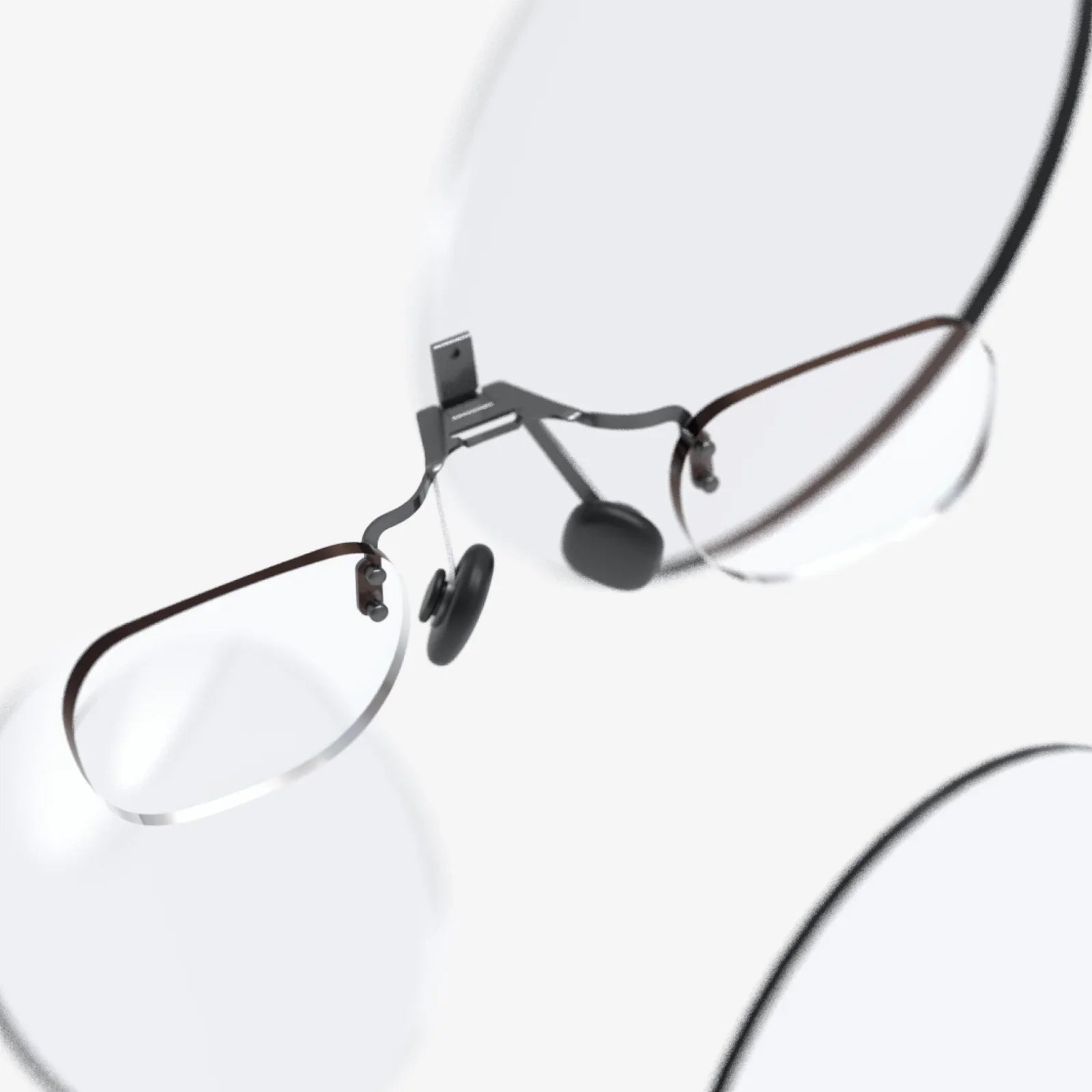
Imagine slipping on a pair of ordinary-looking glasses and instantly gaining navigation overlays, real-time translation, health monitoring, and hands-free computing. That is the promise of the modern glasses chip: a tiny, powerful brain embedded in eyewear that can turn simple lenses into an intelligent interface with the world. As these chips shrink in size and grow in capability, they are quietly reshaping how we work, learn, communicate, and even perceive reality.
The glasses chip sits at the intersection of optics, semiconductors, artificial intelligence, and human-computer interaction. It is more than a processor; it is the central hub that connects sensors, displays, microphones, cameras, and wireless networks into one seamless system worn directly on the face. Understanding how this technology works, where it is heading, and what it means for privacy, health, and society is key for anyone who wants to be ready for the next wave of computing.
What Is a Glasses Chip?
A glasses chip is a specialized integrated circuit designed to power smart glasses or augmented reality (AR) and mixed reality (MR) eyewear. Unlike general-purpose chips in laptops or phones, it must operate under extreme constraints: minimal size, low power consumption, limited heat output, and the need to process sensory data in real time while remaining comfortable and unobtrusive to the wearer.
At a high level, the glasses chip acts as:
- The processing unit that runs operating systems, apps, and AI algorithms
- The sensor hub that collects and fuses data from cameras, inertial sensors, microphones, and eye trackers
- The connectivity brain that manages wireless links to phones, networks, and cloud services
- The power manager that squeezes maximum battery life out of tiny cells
All of this must fit into a footprint small enough to hide in the temples or bridge of a pair of glasses, with careful attention to weight distribution so that the device feels as natural as traditional eyewear.
Key Components Inside a Glasses Chip
Although implementations vary, most glasses chip designs integrate several functional blocks on a single piece of silicon. These blocks are tightly optimized for the demands of wearable computing.
1. Central Processing Unit (CPU)
The CPU is the general-purpose workhorse of the glasses chip. It handles:
- Running the core operating system
- Managing applications and user interfaces
- Coordinating data flow between sensors, memory, and radios
To keep power usage low, glasses chip CPUs often use energy-efficient architectures and operate at lower clock speeds than smartphone processors. Multiple low-power cores can be used so that light tasks run on ultra-efficient cores, while heavier tasks temporarily wake more powerful cores.
2. Graphics and Vision Processing Units (GPU and VPU)
Smart glasses rely heavily on visual computing. The chip typically includes:
- GPU for rendering 2D and 3D graphics, overlays, and user interfaces
- VPU or ISP (Vision Processing Unit or Image Signal Processor) for handling camera input, image enhancement, and computer vision tasks
These units are crucial for AR experiences, where the system must recognize the environment, track the wearer’s head position, and accurately align digital content with the physical world. This must happen with minimal latency to avoid discomfort or motion sickness.
3. AI and Machine Learning Accelerators
Modern glasses chip designs often include dedicated AI accelerators. These blocks are optimized to perform neural network operations efficiently. They enable features such as:
- Real-time object recognition and scene understanding
- Hand and gesture tracking
- Voice recognition and natural language processing
- Personalized recommendations and context-aware assistance
By running AI workloads on-device instead of sending everything to the cloud, glasses chips can improve privacy, reduce latency, and continue functioning even when connectivity is poor.
4. Sensor Interfaces and Fusion Engines
Smart glasses typically integrate multiple sensors, including:
- Accelerometers, gyroscopes, and magnetometers for motion tracking
- Cameras for visual input and environment mapping
- Microphones for voice input and ambient sound analysis
- Eye-tracking sensors to detect gaze direction
- Optional health sensors, such as heart rate or skin temperature monitors
The glasses chip includes interfaces to communicate with these sensors and often a dedicated sensor fusion engine to combine their data. This fusion allows the system to build a coherent, stable model of the wearer’s orientation and environment, which is essential for accurate AR overlays and intuitive interactions.
5. Connectivity Modules
To stay connected, a glasses chip usually supports multiple wireless standards, such as:
- Short-range links to smartphones or controllers
- Wi-Fi for internet access
- Optional cellular connectivity in more advanced models
These radios must be carefully integrated to minimize interference with other components and to meet strict power budgets. Some designs offload heavy network tasks to a paired smartphone, using the glasses as a lightweight display and sensor platform.
6. Power Management and Thermal Control
Power and heat are two of the toughest challenges for any glasses chip. The device sits directly on the user’s face, so even moderate warmth can be uncomfortable. To address this, the chip integrates:
- Advanced power management controllers
- Dynamic voltage and frequency scaling
- Sleep states for idle subsystems
- Thermal sensors to monitor temperature
Smart algorithms constantly balance performance with battery life, turning off unused components and adjusting processing intensity based on current needs.
How the Glasses Chip Enables Augmented Reality
The most visible application of glasses chip technology is augmented reality. AR overlays digital information onto the real world, enhancing rather than replacing the physical environment. The chip is responsible for orchestrating the entire AR pipeline.
Environment Mapping and Tracking
Using cameras and motion sensors, the glasses chip performs simultaneous localization and mapping (often referred to as SLAM). This involves:
- Detecting features in the environment
- Estimating the wearer’s position and orientation in real time
- Building a 3D map of the surroundings
Accurate tracking allows digital objects to appear anchored to real-world surfaces. For example, a virtual note can be pinned to a physical wall and remain in place as the user moves.
Rendering and Display Control
Once the environment is mapped, the glasses chip calculates what should appear in the user’s field of view. It renders graphics and controls the display hardware, which may include:
- Waveguide-based transparent displays
- Microprojectors directing images onto the lenses
- MicroLED or OLED panels integrated into the frame
The chip must ensure that virtual objects are displayed at the correct depth and position, aligned with the user’s gaze. This requires precise synchronization between the GPU, eye-tracking sensors, and display drivers.
Interaction and Input Processing
Smart glasses are hands-free by design, so the glasses chip must interpret various forms of input, such as:
- Voice commands
- Head movements
- Eye gaze and blinks
- Hand gestures in front of the glasses
AI accelerators and sensor fusion algorithms work together to translate these signals into actions, such as selecting menu items, scrolling content, or launching applications. The goal is to create an interface that feels natural and requires minimal conscious effort.
Everyday Uses of Glasses Chip Technology
The potential applications of glasses chip technology span nearly every aspect of daily life. While some use cases are still emerging, others are already practical and compelling.
Navigation and Contextual Information
One of the most intuitive uses is navigation. With a glasses chip handling location and mapping data, users can see:
- Turn-by-turn directions overlaid on the street view
- Names of nearby streets, shops, or landmarks
- Real-time public transit information
This allows people to keep their heads up and eyes on their surroundings instead of constantly checking a phone screen. The chip can also provide contextual information, such as opening hours or crowd levels, directly in the field of view.
Real-Time Translation and Communication
With on-device AI, a glasses chip can support real-time translation. Possible features include:
- Displaying translated subtitles during conversations
- Translating signs, menus, and documents viewed through the lenses
- Transcribing speech to text for accessibility
This can break down language barriers and make travel or international collaboration much smoother, especially when combined with high-quality microphones and noise suppression.
Workplace Productivity and Remote Collaboration
In professional settings, glasses chip technology can transform how people work. Examples include:
- Field technicians seeing step-by-step repair instructions overlaid on machinery
- Architects and designers viewing 3D models at real-world scale on-site
- Remote experts seeing what a worker sees and annotating their view in real time
By keeping hands free and information in sight, smart glasses can reduce errors, shorten training times, and streamline complex tasks.
Health, Fitness, and Wellness
When combined with health sensors and AI, the glasses chip can act as a personal wellness companion. Potential uses include:
- Monitoring heart rate and stress indicators during the day
- Guiding posture and ergonomics with subtle visual cues
- Supporting fitness routines with real-time feedback on form and performance
Because glasses are worn near the eyes and temples, they are well-positioned to capture certain physiological signals unobtrusively. The chip can process this data locally and present insights without overwhelming the user.
Education and Training
Glasses chip technology can bring interactive learning into the real world. For instance:
- Students can see historical reconstructions overlaid on present-day locations
- Medical trainees can practice procedures with virtual overlays on physical models
- Language learners can get instant translations and pronunciation guidance as they explore
By blending digital content with physical context, smart glasses can make learning more engaging and memorable.
Design Challenges for Glasses Chips
Despite their promise, glasses chips face several difficult engineering challenges. These constraints shape what current devices can do and what future generations must overcome.
Power and Battery Life
Battery capacity is limited by the size and weight constraints of eyewear. The glasses chip must therefore be extremely energy-efficient. Key strategies include:
- Using low-power cores and hardware accelerators
- Offloading heavy tasks to paired devices when possible
- Employing aggressive power gating for idle components
- Adapting display brightness and refresh rates dynamically
Even with these techniques, continuous AR use can drain batteries quickly, so intelligent power management is central to the design.
Heat Management
Heat is not just a comfort issue; it also affects performance and component lifespan. The glasses chip must:
- Spread heat across the frame to avoid hot spots
- Limit sustained high-performance workloads
- Monitor temperature and throttle operations when necessary
Materials and mechanical design play a role, but at the core, efficient chip architecture is critical to keeping temperatures within safe and comfortable limits.
Form Factor and Weight
The chip and its supporting components must fit within a form factor that resembles conventional eyewear. This requires:
- System-on-chip integration to reduce the number of separate components
- Advanced packaging techniques to shrink size
- Careful placement of batteries and electronics for balanced weight
Users are unlikely to adopt glasses that feel bulky or heavy, even if they offer powerful features. Comfort remains a non-negotiable design requirement.
User Interface and Cognitive Load
Because the glasses chip can present information directly in the user’s field of view, there is a risk of overload or distraction. Designers must ensure that:
- Visual elements are minimal and contextually relevant
- Notifications respect the user’s focus and environment
- Interactions are intuitive and require little training
The chip’s AI capabilities can help by learning user preferences and adjusting the flow of information accordingly, reducing cognitive strain.
Privacy, Security, and Ethical Considerations
Embedding a powerful computing platform into everyday eyewear raises important questions beyond engineering. The glasses chip can see, hear, and analyze much of what the wearer experiences, which requires robust safeguards.
On-Device Processing vs. Cloud Dependence
One of the most significant trends in glasses chip design is the shift toward on-device AI. By processing data locally, the chip can:
- Reduce the need to send sensitive audio or video to remote servers
- Lower latency for real-time features
- Allow certain functions to work offline
However, some capabilities still benefit from cloud resources, such as large language models or global knowledge databases. Designers must balance convenience with privacy, clearly indicating what data leaves the device.
Data Protection and Access Control
The glasses chip often stores or processes personal data, including:
- Biometric identifiers from eye tracking
- Health-related metrics
- Location history and environmental recordings
To protect this data, the chip may incorporate:
- Hardware-based encryption engines
- Secure enclaves for sensitive computations
- Authentication mechanisms such as voice, gaze patterns, or passcodes
Transparent privacy controls and clear user consent are essential to building trust in glasses-based computing.
Social and Ethical Impact
Beyond technical security, the presence of cameras and sensors on glasses can affect social dynamics. People may feel uncomfortable being recorded without notice. Ethical deployment of glasses chip technology should consider:
- Visible indicators when recording is active
- Guidelines for use in sensitive environments
- Policies for data retention and sharing
Developers and users alike share responsibility for using such powerful tools in ways that respect others’ privacy and autonomy.
Future Directions for Glasses Chip Innovation
The glasses chip of today is only the beginning. Several trends are poised to significantly enhance what smart eyewear can do in the coming years.
More Efficient AI Hardware
New chip architectures are being developed to run complex AI models with far less power. This will enable:
- More accurate and context-aware assistants
- Continuous environment understanding without draining the battery
- Richer personalization that adapts to each user’s habits and preferences
As models become more specialized for on-device use, glasses chips will be able to provide sophisticated intelligence while remaining energy-frugal.
Advanced Displays and Optics Integration
Display technology is evolving alongside glasses chips. Improvements include:
- Higher brightness and contrast for outdoor visibility
- Wider fields of view for more immersive AR
- Better color reproduction and depth cues
As displays become more efficient and compact, the chip can drive richer visuals without a proportional increase in power consumption. Tight integration between optics and electronics will be essential to achieving natural, comfortable visual experiences.
Biometric and Health Monitoring Expansion
Future glasses chips may integrate more advanced health sensing capabilities, such as:
- Continuous monitoring of vital signs
- Detection of fatigue or drowsiness through eye patterns
- Early warnings of certain health conditions based on long-term patterns
With appropriate safeguards, smart glasses could become a valuable tool for preventive health and personalized wellness, giving users insights that were previously difficult to obtain in everyday life.
Integration with Other Wearables and the Internet of Things
Glasses chips will not operate in isolation. They are likely to become central nodes in a broader ecosystem of devices. Possible scenarios include:
- Seamless handoff of tasks between glasses, watches, and other wearables
- Context-aware control of smart home devices based on where the user is looking
- Coordinated AR experiences shared among multiple people in the same space
This interconnected future will rely on standardized communication protocols and robust security across devices.
How to Prepare for a World Powered by Glasses Chips
As glasses chip technology matures and becomes more accessible, it will likely follow a trajectory similar to smartphones: initially a niche, then an everyday necessity for many. Individuals, businesses, and developers can take steps now to prepare.
For Individuals
People curious about smart glasses can start by:
- Learning about privacy settings and data usage policies
- Thinking about which tasks might benefit from hands-free access
- Considering how visible technology on the face aligns with personal style and comfort
Understanding the basics of how a glasses chip works can also help users make informed choices when evaluating future devices.
For Businesses and Organizations
Companies can explore where glasses chip technology might add value, such as:
- Training and onboarding with AR-guided procedures
- Field service and maintenance support
- Remote inspections and expert consultations
Pilots and small-scale trials can reveal practical benefits and limitations, guiding larger deployments once the technology matures.
For Developers and Creators
Developers who want to build for glasses chips should focus on:
- Designing minimal, context-aware user interfaces
- Optimizing apps for low power and limited display space
- Leveraging on-device AI while respecting privacy
New interaction paradigms will emerge as creators experiment with gaze, gestures, and spatial computing, opening fresh opportunities for innovation.
The Transformative Potential of the Glasses Chip
The glasses chip is more than a component; it is a catalyst for a new era of computing where digital information is woven directly into the fabric of daily life. By combining processing power, AI, sensing, and connectivity in a form factor as familiar as eyewear, it promises to make technology less obtrusive yet more present than ever before.
As these chips become more capable and efficient, the line between the physical and digital worlds will blur in ways that are both exciting and challenging. Those who understand how glasses chips work, what they can do, and what responsibilities they entail will be better positioned to harness their benefits while navigating their risks. The next time you put on a pair of glasses, imagine the invisible circuitry that might one day live inside them—and how that tiny chip could reshape the way you see everything around you.
Aktie:
What Is An Interactive Window Station And How Does It Really Work
What Is An Interactive Window Station And How Does It Really Work