


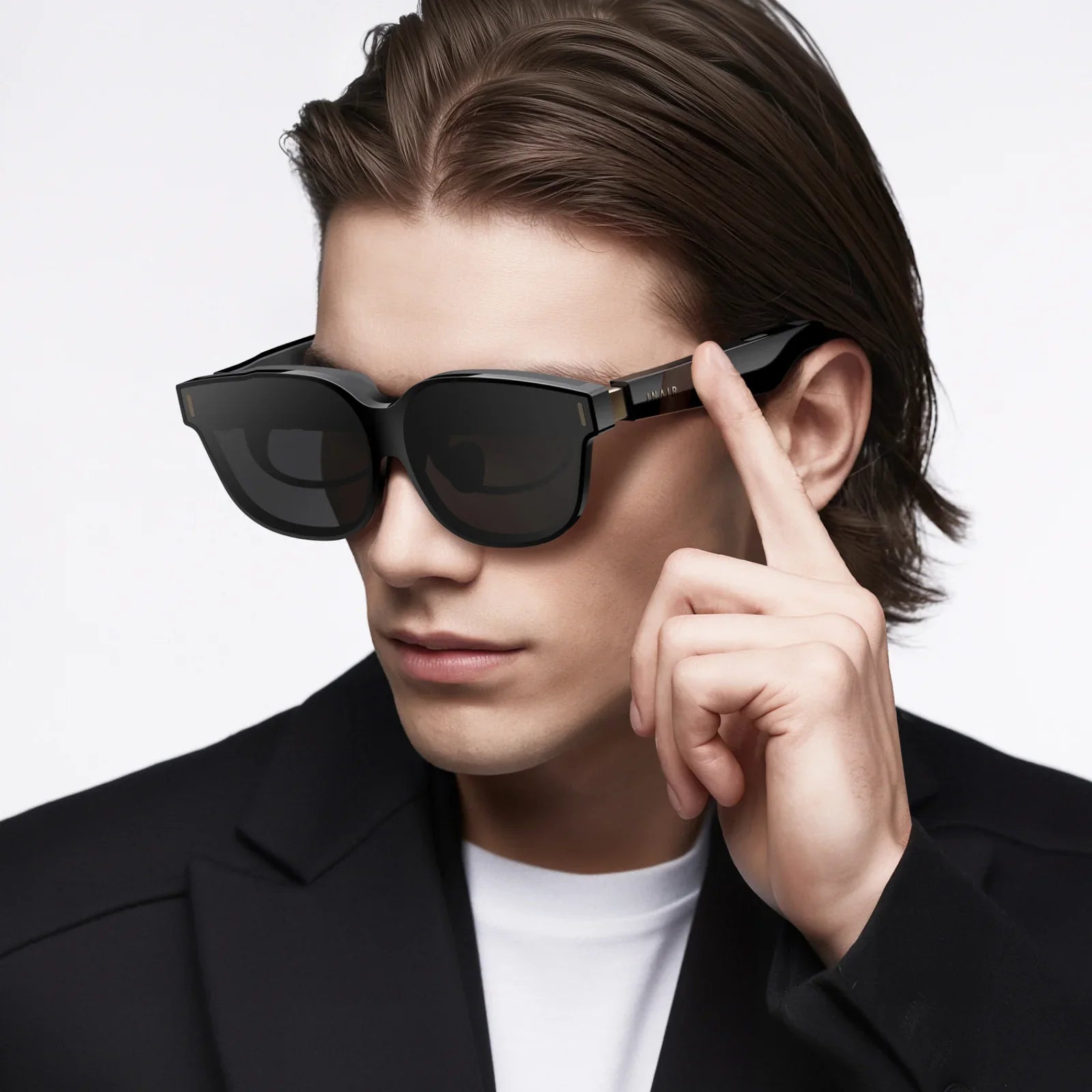
If you have ever wondered why some people rave about their glasses while others constantly battle glare, headaches, and blurry edges, the answer often lies in one powerful phrase: latest eyeglass lens technology. Modern lenses are no longer just pieces of glass or plastic that correct your prescription; they are precision-engineered tools that can transform how you see the world, how you work, and even how your eyes feel at the end of a long day.
Over the past decade, lens technology has quietly leaped forward. From ultra-customized digital designs to smart coatings that fight glare, scratches, and harmful light, the options available today can dramatically outperform the lenses you may be wearing right now. Whether you spend your day in front of screens, driving at night, or working outdoors, understanding these innovations can help you make smarter choices and get far more value from your next pair of glasses.
How Latest Eyeglass Lens Technology Redefines Vision Quality
Traditional eyeglass lenses used to be relatively simple: a basic shape ground into glass or plastic to match your prescription. The goal was straightforward correction of nearsightedness, farsightedness, or astigmatism. Today, the latest eyeglass lens technology goes far beyond that, aiming to optimize visual clarity, comfort, and eye health in a wide range of real-world situations.
Modern lenses are designed to address issues that older designs often ignored:
- Peripheral blur that can make the edges of your vision feel distorted
- Glare and reflections from screens, headlights, and overhead lighting
- Eye strain from long hours of close-up work or digital device use
- Light sensitivity in bright outdoor environments or shifting conditions
- Protection needs against UV radiation and high-energy visible light
To solve these challenges, lens manufacturers now use advanced digital design, computer-controlled surfacing, and sophisticated coatings. The result is a lens that can be tailored not only to your prescription, but also to how you use your eyes every day.
Digital Freeform Lenses: Custom Vision in High Definition
One of the most important advances in the latest eyeglass lens technology is digital freeform surfacing. Instead of relying on a few standard curves, digital lenses are designed and cut using computer-controlled machinery that can shape the lens surface with microscopic precision.
This technology offers several key advantages:
- Better peripheral vision: The lens design can reduce distortions at the edges, giving you a wider, clearer field of view.
- Sharper focus: The prescription can be fine-tuned across different parts of the lens to match how your eyes actually move and focus.
- Customization: Factors like frame shape, how the frame sits on your face, and your typical viewing distances can be built into the lens design.
Digital freeform lenses are especially valuable for complex prescriptions and multifocal designs, where traditional lenses often compromise clarity in certain zones. With digital surfacing, the lens can be optimized to reduce swim effects, distortions, and abrupt changes between distance and near vision.
For people who need sharp vision at multiple distances, this is a game-changer. Instead of feeling like you are constantly hunting for the “sweet spot” in the lens, the usable clear area can be significantly expanded, making day-to-day tasks feel more natural and less tiring.
Advanced Lens Materials: Thinner, Lighter, and More Comfortable
Material science plays a huge role in the latest eyeglass lens technology. Older lenses were often made of glass, which offered excellent optical clarity but was heavy and breakable. Most modern lenses are made from various plastics, but not all plastics are the same.
Key material innovations include:
- High-index materials: These materials bend light more efficiently, allowing the same prescription to be made in a thinner, lighter lens. This is especially important for strong prescriptions, which might otherwise look thick and feel heavy.
- Impact-resistant polymers: Some modern lens materials are highly resistant to shattering, improving safety for children, active adults, and anyone who needs durable eyewear.
- Enhanced optical clarity: Advanced plastics can minimize internal distortions and improve contrast, leading to crisper vision.
Choosing the right material can have a dramatic effect on comfort. A lighter lens reduces pressure on the nose and ears, while a thinner profile can look more aesthetically pleasing, especially in larger frames or high prescriptions.
Anti-Reflective and Anti-Glare Coatings: Clearer Vision, Less Strain
Coatings are a central part of the latest eyeglass lens technology. One of the most important is the anti-reflective (AR) or anti-glare coating. Without it, lenses can reflect light from both the front and back surfaces, creating distracting reflections and reducing clarity.
Modern AR coatings can:
- Reduce glare from headlights, streetlights, computer screens, and overhead lighting
- Improve contrast and visual sharpness, especially in low-light conditions
- Make lenses appear clearer to others, improving eye contact and aesthetics
Some advanced AR coatings also incorporate additional features:
- Hydrophobic layers that repel water, making raindrops and splashes easier to wipe away
- Oleophobic layers that resist smudges from skin oils and fingerprints
- Dust-repellent properties that help keep lenses cleaner for longer
The result is not just better vision, but also easier maintenance. Lenses with high-quality AR coatings often require fewer cleanings and maintain clarity throughout the day, which is especially important for people who are constantly on the move or working in challenging lighting environments.
Scratch-Resistant and Durable Coatings: Protecting Your Investment
No matter how advanced your lenses are, scratches can quickly ruin your visual experience. That is why scratch-resistant coatings are an essential part of the latest eyeglass lens technology. While no lens is completely scratch-proof, modern coatings can significantly improve durability.
These coatings typically include:
- Hardening layers that make the surface more resistant to everyday wear and tear
- Multi-layer structures that combine scratch resistance with anti-reflective and other functional coatings
For people who frequently remove and clean their glasses, place them in bags, or handle them in busy environments, these coatings can extend lens life and preserve clarity. When combined with proper care—such as using a microfiber cloth and appropriate cleaning solutions—scratch-resistant coatings help ensure your lenses stay in top condition for years.
Photochromic and Light-Adaptive Lenses: Smart Tints for Changing Conditions
Another standout feature in the latest eyeglass lens technology is the development of photochromic or light-adaptive lenses. These lenses automatically darken in response to sunlight and return to a clear state indoors.
Modern photochromic lenses offer:
- Faster activation and fading compared to earlier generations, making transitions smoother
- More consistent darkening across a wide range of temperatures and lighting conditions
- Availability in multiple colors to match style preferences and enhance contrast
For people who move frequently between indoor and outdoor environments, light-adaptive lenses can reduce the need to switch between regular glasses and sunglasses. They also provide continuous UV protection, which is crucial for long-term eye health.
While performance can still vary depending on temperature and the amount of direct UV exposure, the latest versions are far more responsive and reliable than earlier designs, making them a practical everyday solution for many wearers.
Blue Light Filtering: Support for Digital Lifestyles
With the rise of smartphones, tablets, and computer-based work, blue light has become a major focus in the latest eyeglass lens technology. Blue light is part of the visible spectrum, and while not all blue light is harmful, certain high-energy wavelengths may contribute to eye strain and discomfort, especially during prolonged screen use.
Blue light filtering lenses are designed to:
- Reduce exposure to specific high-energy visible wavelengths emitted by digital screens and LED lighting
- Improve visual comfort during extended computer sessions or nighttime device use
- Maintain natural color perception as much as possible while filtering targeted wavelengths
These lenses are often combined with anti-reflective coatings optimized for digital environments. For people who work long hours at a computer, study late at night, or frequently use multiple screens, blue light filtering can be a valuable tool to support comfort and reduce perceived fatigue.
It is important to note that research on blue light and long-term eye health is still evolving. However, many wearers report subjective benefits such as reduced eye strain, fewer headaches, and more comfortable screen use, making this technology a popular choice in modern lens designs.
Progressive and Multifocal Innovations: Seamless Vision at All Distances
For those who need help seeing both near and far—often starting in middle age—progressive and multifocal lenses are essential. Older designs sometimes forced wearers to tolerate narrow viewing zones, distorted side vision, and a “swim” effect when moving their head.
The latest eyeglass lens technology has dramatically improved this experience through:
- Digitally optimized progressive designs that smooth transitions between distance, intermediate, and near zones
- Wider usable fields of view for reading, computer work, and distance vision
- Personalized fitting parameters that account for head posture, reading habits, and frame geometry
Some modern progressive lenses are tailored for specific lifestyles. For example, there are designs optimized for office work, with expanded intermediate and near zones to make screen use and documents easier to view. Others are geared toward outdoor activities and driving, prioritizing distance clarity and peripheral awareness.
By precisely controlling how power changes across the lens surface, these advanced designs can reduce adaptation time and make multifocal wear feel more natural. People who previously struggled with progressive lenses often find that newer technology offers a noticeably more comfortable experience.
Task-Specific and Occupational Lenses: Designed for How You Work
Another important trend in the latest eyeglass lens technology is the rise of task-specific and occupational lenses. Instead of trying to make one lens design do everything, these lenses are optimized for particular visual demands.
Examples include:
- Office and computer lenses: Enhanced intermediate and near zones for multi-monitor setups, spreadsheets, and reading, reducing neck strain from tilting your head.
- Workshop or craft lenses: Designs that prioritize close-up clarity and mid-range focus for detailed manual work.
- Driving-focused lenses: Enhanced distance and peripheral vision, sometimes with contrast-boosting tints for low-light driving.
These specialized lenses can be invaluable for people whose work or hobbies demand specific visual tasks for long periods. Instead of compromising with a general-purpose lens, you can have a pair tailored to the way you actually use your eyes in those environments.
Smart and Connected Lens Features: The Emerging Frontier
While still an emerging area, smart features are beginning to appear in the latest eyeglass lens technology. These innovations focus on integrating lenses with digital systems and enhancing their functionality beyond simple vision correction.
Some developing directions include:
- Embedded sensors that monitor environmental light levels or eye movements
- Adaptive optics that can change focusing power electronically for different tasks
- Integration with wearable devices to provide more responsive visual support in augmented reality applications
While many of these concepts are still in early stages or limited to specialized applications, they signal a future in which eyeglass lenses may become active participants in your digital ecosystem, adjusting dynamically to your needs in real time.
UV Protection and Long-Term Eye Health: Invisible but Essential
Beyond clarity and comfort, the latest eyeglass lens technology places strong emphasis on eye health. Ultraviolet (UV) radiation from the sun is a known risk factor for several eye conditions, including cataracts and certain retinal issues.
Modern lenses often integrate:
- Full-spectrum UV protection that blocks harmful UVA and UVB rays
- UV-blocking materials built directly into the lens substrate, rather than just surface coatings
Many clear lenses now offer UV protection comparable to high-quality sunglasses, even when they look completely transparent. When combined with photochromic or tinted options, this gives wearers robust defense against long-term UV exposure, both indoors near windows and outdoors in direct sunlight.
Choosing the Right Lens Technology for Your Lifestyle
With so many options available, it can feel overwhelming to choose the best lens technology for your needs. A practical way to approach this is to think in terms of your daily routines and visual challenges.
Consider questions like:
- How many hours per day do you spend on digital devices?
- Do you drive frequently at night or in challenging weather?
- Are you often moving between indoor and outdoor settings?
- Do you perform detailed close-up work or use multiple monitors?
- Is your prescription mild, moderate, or strong?
Based on your answers, you can prioritize specific technologies:
- For heavy screen users: Digital freeform designs with blue light filtering and advanced anti-reflective coatings.
- For outdoor and active lifestyles: Impact-resistant materials with UV protection and photochromic or tinted options.
- For strong prescriptions: High-index materials with digital surfacing and high-quality AR and scratch-resistant coatings.
- For multifocal needs: Modern progressive lenses customized to your work habits and frame choice.
Discussing these factors with an eye care professional can help you match the latest eyeglass lens technology to your real-world needs, rather than simply choosing the most basic or the most expensive option by default.
Fitting, Measurements, and the Human Factor
Even the most advanced lens design will underperform if it is not fitted correctly. The latest eyeglass lens technology depends on precise measurements and careful alignment with your eyes and frame.
Important fitting factors include:
- Pupillary distance: The distance between your pupils, which must match the optical center of the lenses.
- Fitting height: The vertical position of multifocal or progressive zones relative to your pupils.
- Frame tilt and wrap: How the frame angles and curves around your face, affecting how light enters the lens.
- Vertex distance: The distance between the lens and your eye, which can influence effective prescription power.
Modern fitting techniques may use digital measuring devices, photographs, or 3D scanning to capture these parameters accurately. When combined with customized lens designs, this level of precision can significantly enhance comfort, clarity, and adaptation.
Caring for High-Tech Lenses: Simple Habits, Big Rewards
To get the most from the latest eyeglass lens technology, proper care is essential. Advanced coatings and materials can deliver outstanding performance, but they still need protection from rough handling and harsh chemicals.
Useful care tips include:
- Rinse lenses with clean water before wiping to remove dust and grit.
- Use a microfiber cloth rather than tissues or clothing, which can scratch.
- Avoid household cleaners or alcohol-based sprays that may damage coatings.
- Store glasses in a protective case when not in use.
- Handle frames with both hands to reduce stress on hinges and alignment.
These simple habits help preserve the performance of anti-reflective, scratch-resistant, and other functional coatings, ensuring your lenses continue to deliver crisp, comfortable vision over their full lifespan.
Why Upgrading Your Lenses Can Outperform Upgrading Your Frames
Many people focus on frame style when buying glasses, treating lenses as an afterthought. Yet the latest eyeglass lens technology often has a far greater impact on how you see and feel throughout the day than the frame design alone.
Upgrading your lenses can:
- Reduce headaches and eye strain from poor-quality optics and glare
- Improve night driving confidence with better contrast and reduced reflections
- Enhance comfort during long workdays at a computer or in bright environments
- Protect your eyes from UV and high-energy visible light
While stylish frames are enjoyable, investing in modern lens technology often delivers benefits you notice every waking hour. Clearer, more comfortable vision can influence your productivity, safety, and overall quality of life far more than most people realize.
The next time you consider new glasses, imagine what it would be like if your lenses truly matched your lifestyle: crisp vision edge to edge, minimal reflections, lenses that adapt to changing light, and coatings that keep them clean and clear with less effort. That is the promise of the latest eyeglass lens technology—and it is closer, more accessible, and more customizable than ever before. Taking the time to understand these options now can reward you with years of sharper, easier, and more enjoyable vision every time you put on your glasses.
Aktie:
skylight vs aura frame reddit: What Real Users Say and What Actually Matters
skylight vs aura frame reddit: What Real Users Say and What Actually Matters