


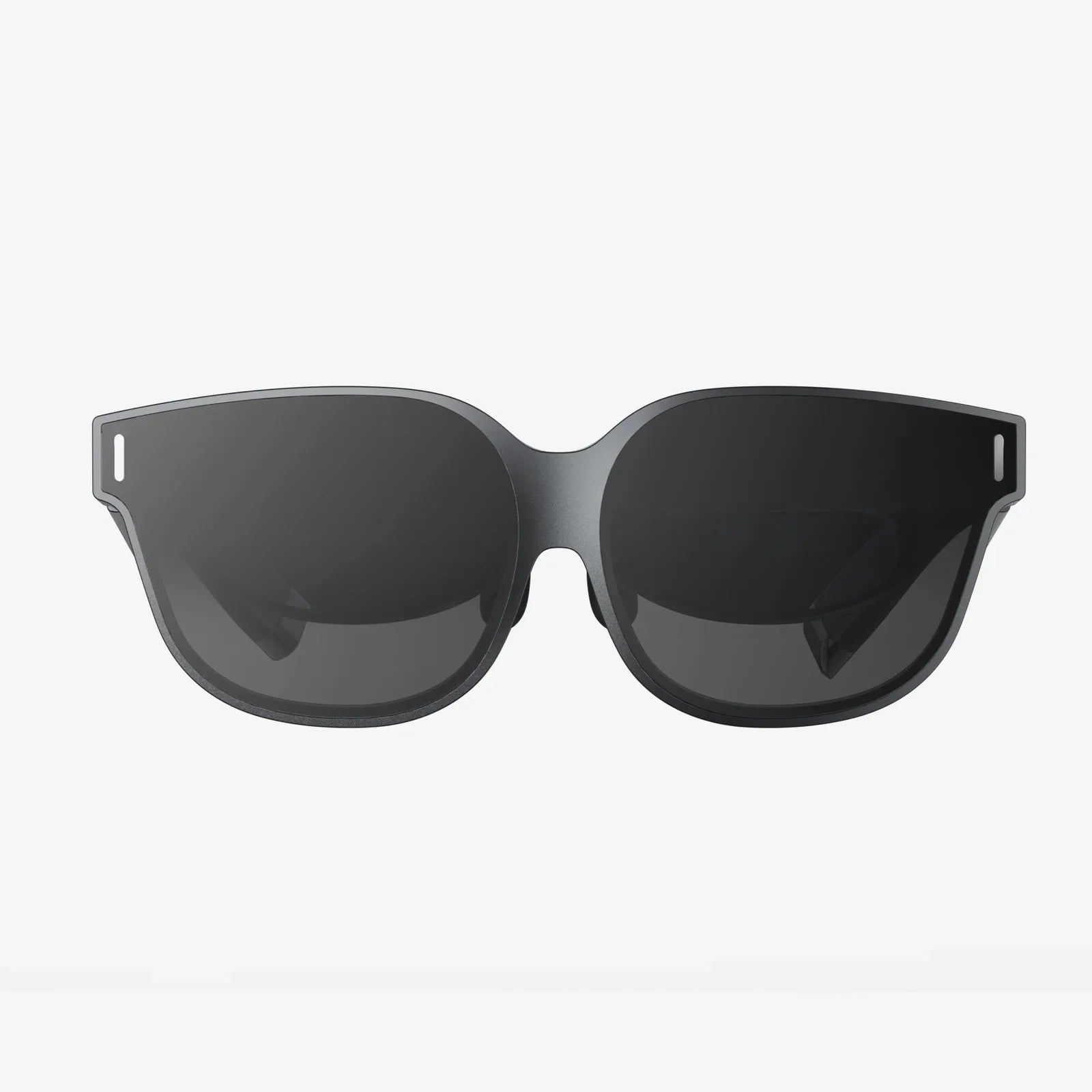
- von wangfred
lightweight wearable technology reshaping everyday life and performance
- von wangfred
lightweight wearable technology is quietly changing how people live, work, train, and even sleep, and the most surprising part is how easy it is to forget you are wearing it at all. From smart fabrics that feel like ordinary clothing to tiny sensors hidden in jewelry, the newest wearables are designed to disappear into your routine while delivering data that used to require bulky gadgets, appointments, or lab equipment. If you have ever wondered how far this trend can go, the answer is simple: as light and as invisible as possible, without sacrificing power.
What makes this new generation of devices so compelling is not just that they are digital, but that they are truly wearable. They are created to be comfortable for long hours, subtle enough for the office or a night out, and robust enough for intense workouts. Instead of strapping a heavy device to your body, you slip on a familiar garment or accessory that happens to be smart. That shift from gadget to garment is the core of the revolution.
The earliest wearables were often little more than miniaturized computers you had to strap to your wrist, chest, or head. They offered impressive features for their time, but they were frequently heavy, rigid, and awkward. Over the last decade, advances in materials science, microelectronics, and wireless connectivity have driven a transition from those bulky devices to lightweight wearable technology that feels like a natural extension of the body.
Several key trends have enabled this shift:
This evolution has turned wearables from obvious gadgets into integrated companions. Instead of announcing themselves as technology, they aim to blend into clothing, accessories, and even shoes, making the experience feel natural rather than intrusive.
To understand why some wearables are embraced and others abandoned in drawers, it helps to look at the design principles that guide successful lightweight wearable technology. These devices must balance technical capability with human comfort and aesthetics.
If a device is uncomfortable, it will not be worn consistently, and inconsistent use leads to incomplete data and reduced value. Designers focus on:
These seemingly small details determine whether a device can be worn for hours, days, or even continuously without irritation.
Many people prefer wearables that do not loudly advertise that they are tracking health or behavior. Lightweight wearable technology often emphasizes:
By looking like everyday items, these devices encourage continuous use in places where obvious gadgets might feel out of place, such as formal events or professional settings.
A device that needs constant charging quickly becomes a burden. Lightweight wearable technology therefore prioritizes low power consumption through:
Some experimental designs explore energy harvesting from body heat, motion, or ambient light. While these approaches are still developing, they point toward a future where wearables may need far less frequent charging, or even no charging at all for certain low-power applications.
Lightweight does not mean lightweight in performance. For these devices to be useful, they must collect accurate data and present it in a meaningful way. Designers focus on:
Ultimately, people do not want raw numbers alone; they want understandable insights and suggestions that help them make better decisions about their health, performance, or daily habits.
The potential uses of lightweight wearable technology extend far beyond simple step counting. As devices become more subtle and comfortable, they can accompany people through nearly every aspect of life, providing continuous context and feedback.
One of the most influential areas is personal health tracking. Wearables are increasingly capable of monitoring:
Lightweight devices that can be worn day and night give a more complete picture of health trends over time. Rather than relying on occasional checkups, individuals can observe patterns in their daily lives and discuss them with professionals when needed.
Athletes and fitness enthusiasts are early adopters of lightweight wearable technology because it lets them quantify performance without distracting from movement. Common uses include:
Because the devices are lighter and more flexible than in the past, they can be worn in more demanding environments, from long-distance races to contact sports, without restricting movement or causing discomfort.
In industrial, construction, and logistics environments, lightweight wearable technology can improve safety and efficiency. Examples include:
Because these devices are unobtrusive, workers are more likely to accept them as part of their standard gear. Over time, aggregated data can help organizations redesign workflows and workspaces to reduce risk and improve comfort.
Lightweight wearable technology also holds promise for older adults and people managing chronic conditions. Discreet devices can:
Because these devices can be integrated into familiar items like clothing or jewelry, they can support independence without making the wearer feel like they are in a medical environment. This balance of autonomy and safety is especially important for preserving dignity and quality of life.
Beyond health and safety, lightweight wearable technology can simplify daily tasks and enhance personal routines. Consider features such as:
The goal is to reduce friction, not add complexity. When wearables are light and intuitive, they can quietly support daily life without demanding constant attention.
The success of modern wearables depends heavily on advances in materials and engineering. Making devices lighter is not just about shrinking components; it is about rethinking how they are built and how they interact with the human body.
One of the most exciting developments is the integration of electronics directly into fabrics. Smart textiles, also known as e-textiles, incorporate:
These textiles can measure vital signs, track motion, or respond to environmental conditions while looking and feeling like ordinary clothing. Because the electronics move with the fabric, they are less likely to cause discomfort or restrict motion.
Traditional circuit boards are rigid, which makes them less suitable for devices that must conform to curved or moving surfaces. Flexible and stretchable electronics solve this by using:
These technologies enable sensors to be placed on joints, muscles, and other dynamic areas without compromising comfort or durability.
At the heart of lightweight wearable technology are sensors that detect physical, chemical, or biological signals. Common types include:
Actuators, such as small vibration motors or haptic elements, provide feedback without relying on screens or speakers. This is especially useful for discreet alerts and guidance.
Power remains one of the main constraints in wearable design. To keep devices light, engineers explore:
While no single solution has eliminated charging entirely, combining efficient electronics with smarter power management has significantly extended the usable life between charges, making continuous wear more realistic.
Even the most advanced technology fails if people do not adopt it or stop using it after a short time. Lightweight wearable technology must therefore align with human behavior, preferences, and concerns.
Many people enthusiastically adopt new devices only to abandon them weeks later because they are cumbersome or irritating. Lightweight designs reduce this risk by making wearables feel like normal clothing or accessories. When a device can be worn without conscious effort, it becomes part of the routine rather than an extra task.
Beyond comfort, ongoing engagement depends on how the device communicates value. Effective strategies include:
Lightweight wearable technology that offers small, timely nudges can influence behavior more effectively than devices that bombard users with complex charts and metrics.
Because wearables collect intimate data about the body and daily activities, trust is essential. Users may worry about who can access their information, how it is used, and whether it could be shared without consent. Responsible design includes:
Ethical questions also arise around workplace monitoring and insurance incentives. Striking a balance between potential benefits and individual autonomy will be a central challenge as adoption grows.
The current wave of devices is only the beginning. As research and development continue, lightweight wearable technology is likely to become even more integrated, intelligent, and personalized.
Future devices may be so small and subtle that they are almost invisible. Possible directions include:
As the boundary between technology and clothing blurs, the idea of putting on a separate device may fade, replaced by smart garments and accessories that are simply part of the wardrobe.
With improved sensors and algorithms, future wearables could move from descriptive to predictive insights. Potential capabilities include:
Such advances could shift healthcare toward prevention and early intervention, reducing the need for reactive treatments.
As devices gain better awareness of context, they can tailor their behavior more intelligently. For example:
This level of adaptation requires careful design to avoid feeling intrusive. When done well, it can make technology feel more like a helpful companion than a demanding tool.
As the number of wearable devices grows, so does concern about electronic waste and environmental impact. Future lightweight wearable technology will likely place greater emphasis on:
Balancing innovation with sustainability will be essential to ensure that the benefits of wearables do not come at an unacceptable environmental cost.
For individuals considering adding wearables to their daily lives, a few practical questions can help guide choices and avoid disappointment.
Different devices excel at different tasks. Before choosing, it helps to clarify whether the priority is:
Once the main goal is clear, it becomes easier to evaluate which features matter most and which are optional.
Whenever possible, trying on a device or a similar form factor can reveal whether it will be comfortable for long-term wear. Consider:
For garments or accessories, pay attention to how they integrate with existing clothing and whether they feel natural in everyday scenarios.
The device itself is only part of the experience. The software that interprets data plays a major role in long-term satisfaction. Useful apps typically offer:
Because lightweight wearable technology is meant to simplify life, the accompanying software should reduce complexity rather than add to it.
Before committing to a device, it is worth reviewing how it handles data. Key questions include:
Choosing solutions that align with personal comfort levels around privacy can prevent future concerns and build trust.
The shift toward lighter, more comfortable wearables is not just a matter of convenience; it is a fundamental change in how people interact with technology. Instead of reaching for a device, the device is already on the body, quietly gathering context and ready to respond when needed. This constant presence has the potential to make technology more supportive and less distracting, provided it is designed with care.
As lightweight wearable technology continues to evolve, it will likely become as commonplace as smartphones, yet far less noticeable. The most transformative devices may be the ones that are barely felt, silently helping people sleep better, move more, stay safer at work, manage health conditions, and navigate busy days with less friction. For anyone curious about the next wave of personal technology, paying attention to what can be worn effortlessly may be the most powerful way to glimpse the future.