


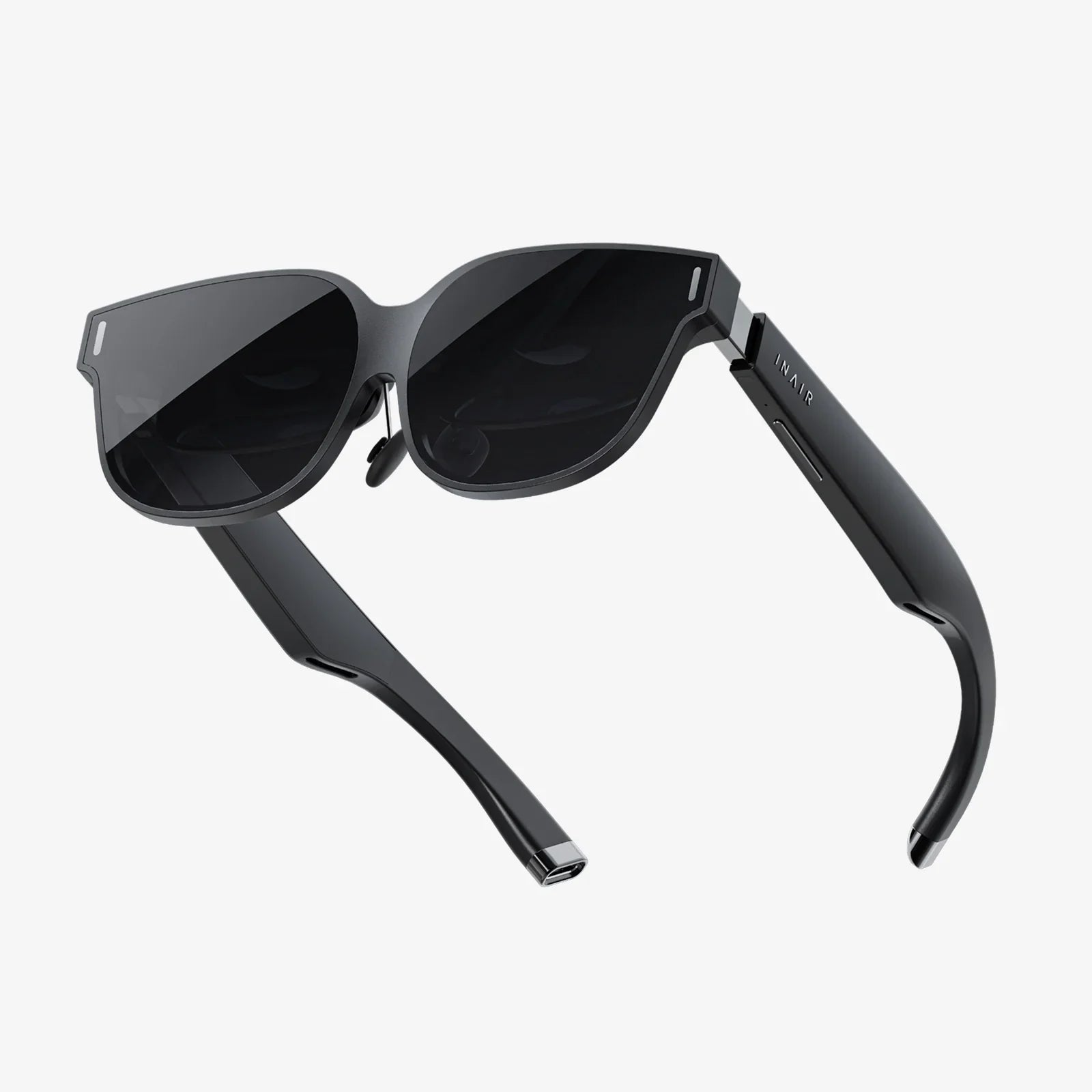
Microdisplay technologies are quietly rewriting the rules of how we see digital content, from immersive headsets and smart glasses to advanced vehicle dashboards and surgical systems, and understanding how they work today can give you a powerful glimpse of where visual innovation is heading next.
What Is a Microdisplay?
A microdisplay is a very small, high-resolution display device typically measured in fractions of an inch, designed to project or magnify images into a much larger apparent size. Unlike traditional screens that you view directly at arm’s length, microdisplays are often used with optics such as lenses, prisms, or waveguides to create virtual images that appear large and sharp even though the physical panel is tiny.
These devices are central to many emerging applications:
- Augmented reality and virtual reality headsets
- Head-up displays in vehicles and aircraft
- Digital viewfinders in cameras and optical instruments
- Compact projectors and wearable displays
- Medical and industrial imaging systems
The power of microdisplay technology lies in combining high pixel density, low power consumption, and compact size. This combination enables devices that can sit close to the eye or inside small enclosures while still delivering detailed, high-quality visuals.
Core Microdisplay Technologies
Several different architectures compete in the microdisplay space, each with its own strengths and trade-offs. The most common categories are:
- Liquid crystal on silicon (LCoS)
- Digital micromirror devices (DMD)
- Organic light-emitting diode (OLED) microdisplays
- Micro light-emitting diode (microLED) displays
LCoS Microdisplay Architecture
Liquid crystal on silicon is a reflective technology. It uses a silicon backplane containing the driving electronics, covered by a liquid crystal layer and a transparent electrode. Light from an external source is reflected off the silicon surface and modulated by the liquid crystal, which changes polarization or intensity to form the image.
Key characteristics of LCoS microdisplays include:
- High resolution: Very small pixels allow dense layouts with millions of pixels on a tiny chip.
- Good fill factor: The active area ratio is high, leading to smooth images with minimal screen-door effect.
- Color approaches: Can be implemented with color filters or sequential color using fast-switching liquid crystals.
- Use cases: Common in projectors, head-mounted displays, and viewfinders where reflective optics are acceptable.
LCoS is often chosen when designers need high resolution and good optical efficiency at a relatively mature cost point, especially in systems where an external light source is already part of the design.
DMD-Based Microdisplay Systems
Digital micromirror devices use arrays of tiny mirrors that tilt rapidly to reflect light either toward or away from the projection optics. Each mirror represents one pixel and can switch thousands of times per second. Brightness and gray levels are created by varying the time each mirror spends in the “on” position.
Important aspects of DMD microdisplay systems include:
- Extremely high brightness: Well-suited for projection where intense light sources are needed.
- Fast response: The mechanical switching of mirrors is very fast, minimizing motion blur.
- Robustness: The reflective architecture handles high light flux and heat better than many emissive technologies.
- Use cases: Projectors, head-up displays, and some industrial imaging systems.
While DMDs are not always referred to as microdisplays in consumer contexts, their pixel pitch and integration with optical systems place them firmly in the same technology family.
OLED Microdisplays
Organic light-emitting diode microdisplays are emissive devices, meaning each pixel generates its own light. A typical OLED microdisplay uses a silicon backplane with integrated driving circuits, topped by organic emissive layers and color elements.
OLED microdisplays are known for:
- High contrast ratios: True blacks are possible because pixels can be completely turned off.
- Wide color gamut: Rich, saturated colors that are well suited to immersive experiences.
- Thin form factor: No need for a separate backlight, allowing compact optical modules.
- Comfortable viewing: Smooth, high-quality images with low persistence modes for reduced motion blur.
These characteristics make OLED microdisplays a favorite in near-eye applications such as smart glasses, viewfinders, and high-end head-mounted displays, where visual quality and compactness are critical.
MicroLED Microdisplay Technology
Micro light-emitting diode displays are one of the most anticipated developments in the microdisplay landscape. Each pixel is a tiny inorganic LED that emits light directly, similar to conventional LEDs but at a much smaller scale.
Advantages of microLED microdisplays include:
- Exceptional brightness: Suitable for outdoor and high-ambient-light environments.
- High efficiency: Potential for lower power consumption at a given brightness level.
- Long lifetime: Inorganic materials typically offer better longevity than many organic emitters.
- Fast response times: Ideal for high frame rates and low latency applications.
However, microLED technology also faces challenges, particularly in manufacturing. Accurately placing and driving millions of tiny LEDs on a backplane is complex. As processes improve and costs fall, microLED microdisplays are expected to become central to advanced augmented reality and mixed reality systems.
Key Performance Metrics for Microdisplays
Not all microdisplays are created equal, and several technical metrics determine how well they perform in real-world applications. When evaluating or designing systems around these components, engineers and product teams focus on a core set of parameters.
Resolution and Pixel Density
Resolution refers to the total number of pixels, typically expressed as width by height (for example, 1920 x 1080). Pixel density, often measured in pixels per inch (PPI), indicates how tightly those pixels are packed.
In near-eye applications, pixel density is critical because the display is magnified and viewed close-up. High PPI reduces the screen-door effect, where visible gaps between pixels distract the user. Designers aim for pixel densities high enough that individual pixels are effectively invisible at typical viewing distances.
Brightness and Luminance
Brightness, measured in nits (candelas per square meter), describes how much light the microdisplay emits or reflects. Different use cases require different brightness levels:
- Indoor virtual reality headsets: Moderate brightness, focused on comfort and contrast.
- Outdoor augmented reality glasses: High brightness to overcome sunlight and reflections.
- Head-up displays: Sufficient luminance to remain readable against varying backgrounds.
Balancing brightness and power consumption is a central design challenge. Higher brightness demands more energy and can increase heat, which in turn affects both user comfort and device reliability.
Contrast Ratio and Black Level
Contrast ratio is the difference between the brightest white and the darkest black the microdisplay can produce. High contrast improves perceived sharpness, depth, and readability, especially in dark scenes or high dynamic range content.
Emissive technologies like OLED and microLED typically excel here, as they can turn off pixels completely, creating deep blacks. Reflective and transmissive technologies rely more on optical filters and liquid crystal performance, which can limit minimum black levels.
Color Gamut and Accuracy
Color gamut describes the range of colors a microdisplay can reproduce, while color accuracy reflects how closely those colors match reference values. For applications such as medical imaging, design, and cinema, accurate color reproduction is vital. In other contexts, a wide color gamut and vivid appearance may be more important than strict accuracy.
Microdisplays achieve color through various strategies:
- Color filters over subpixels
- Sequential color using time multiplexing
- Separate red, green, and blue emitters
Each approach involves trade-offs in efficiency, complexity, and potential artifacts such as color breakup during fast motion.
Response Time and Refresh Rate
Response time is how quickly a pixel can change from one state to another, while refresh rate measures how often the entire image is updated per second. Together, these factors influence motion clarity, latency, and overall visual comfort.
In head-mounted displays, slow response or low refresh rates can cause motion blur and contribute to discomfort or motion sickness. Technologies like OLED, microLED, and DMD typically offer very fast response times, making them well suited to dynamic content and interactive experiences.
Power Consumption and Thermal Management
Portable and wearable devices are constrained by battery capacity and thermal limits. Microdisplays that deliver high brightness and resolution with minimal power draw are particularly valuable.
Power consumption depends on:
- Display technology (emissive vs reflective)
- Driving electronics and duty cycles
- Brightness settings and content characteristics
Effective thermal management is essential to maintain performance, avoid image artifacts, and keep surfaces that contact the user within safe, comfortable temperature ranges.
Optical Systems Around Microdisplays
A microdisplay on its own is only part of the story. Optical components are required to turn the small image into something the user can see comfortably. The design of these optics strongly influences user experience, form factor, and overall system complexity.
Near-Eye Optics
In head-mounted displays and smart glasses, near-eye optics magnify the microdisplay and position the virtual image at a comfortable focal distance. Common elements include:
- Simple lenses or lens stacks
- Aspheric lenses for reduced distortion
- Fresnel lenses for thinner designs
- Waveguides that guide light through transparent materials
The goal is to create a wide field of view with minimal distortion and uniform brightness, while keeping the optics lightweight and compact. As display resolutions increase, optical quality must improve to fully leverage the underlying microdisplay performance.
Projection Optics
In projectors and head-up displays, optical systems take light from the microdisplay and project it onto a surface or into the user’s field of view. Design priorities include:
- Efficient light collection to maximize brightness
- Uniform illumination across the image
- Sharp focus at the desired projection distance
- Compactness for integration into dashboards or compact housings
Because microdisplays are small, projection optics can be smaller than those required for larger panels, enabling more compact systems with high image quality.
Applications of Microdisplay Technology
The versatility of microdisplay technology has led to its adoption in a wide range of industries. Each sector emphasizes different aspects of performance, from brightness and robustness to color fidelity and latency.
Augmented Reality and Virtual Reality
Head-mounted displays for augmented and virtual reality rely heavily on microdisplays. These devices must present wide fields of view, high resolution, and low latency to create convincing immersive experiences.
In virtual reality, microdisplays are typically used in pairs, one for each eye, to create stereoscopic depth. High pixel density reduces visible pixelation, while fast response minimizes motion blur as users move their heads and eyes. For augmented reality, microdisplays often work with waveguides or other see-through optics to overlay digital information on the real world. Brightness becomes especially important here, as virtual elements must remain visible against real-world backgrounds and ambient light.
As these technologies evolve, microdisplay advancements in resolution, brightness, and efficiency are directly tied to more comfortable and convincing immersive experiences.
Automotive and Aviation Displays
Microdisplays are increasingly used in head-up displays for vehicles and aircraft, where critical information is projected into the driver’s or pilot’s field of view. This approach improves situational awareness by allowing users to keep their eyes on the road or sky while still seeing navigation, speed, and warning indicators.
Key requirements in these environments include:
- High brightness to remain visible in sunlight
- Wide operating temperature ranges
- Robustness against vibration and shock
- Reliable long-term operation
Microdisplay-based head-up systems also enable more flexible layouts than traditional instrument clusters, allowing designers to rethink how information is presented within the cockpit.
Medical Imaging and Surgical Systems
In medical environments, microdisplays are used in surgical microscopes, endoscopic systems, and wearable displays that provide surgeons with real-time imaging and data overlays. High resolution and accurate color reproduction are vital, as subtle visual cues can influence diagnostic and procedural decisions.
Near-eye microdisplay systems can present patient data, imaging overlays, or guidance information without requiring surgeons to look away from the operative field. This can enhance precision and reduce cognitive load during complex procedures.
Industrial and Defense Applications
Industrial environments use microdisplay-based systems for inspection, remote operation, and training simulations. Wearable displays can provide technicians with hands-free access to schematics, instructions, or sensor data while working on complex equipment.
In defense contexts, microdisplays appear in helmet-mounted sights, targeting systems, and portable imaging devices. Here, durability, low latency, and performance under extreme conditions are critical. The ability to combine real-world views with sensor overlays makes microdisplay-based systems particularly valuable in demanding operational scenarios.
Consumer Electronics and Entertainment
Beyond specialized industries, microdisplay technology is making its way into mainstream consumer devices. Digital camera viewfinders, compact projectors, and wearable displays all benefit from the small size and high performance of modern microdisplays.
As resolutions increase and costs decrease, more consumer products can integrate high-quality, compact visual interfaces. This trend opens possibilities for new device categories that rely on subtle, context-aware visual feedback rather than large, power-hungry screens.
Design Challenges and Trade-Offs
While microdisplays enable impressive capabilities, they also introduce unique design challenges. Successful products must navigate these trade-offs carefully to meet user expectations and practical constraints.
Balancing Resolution, Field of View, and Optics
Higher resolution microdisplays can support wider fields of view and sharper images, but they also demand more complex optics and more powerful processing. As resolution increases, lens quality must improve to avoid blurring or distortion at the edges of the image.
Designers must balance:
- Desired field of view
- Acceptable device size and weight
- Processing power and battery capacity
- Manufacturing cost and complexity
Optimizing this balance is a key factor in making microdisplay-based products comfortable, affordable, and compelling to use.
Managing Power and Heat in Compact Devices
As microdisplay systems become more capable, they often draw more power, not only for the display itself but also for associated processors, sensors, and wireless modules. In compact enclosures, removing heat while maintaining user comfort is challenging.
Strategies to address these issues include:
- Efficient driving electronics and power management
- Adaptive brightness based on ambient light
- Thermal design that spreads or dissipates heat away from contact surfaces
- Low-power display modes for static or low-motion content
Effective thermal and power management can extend battery life and improve reliability, both of which are crucial for user satisfaction.
Manufacturing Complexity and Yield
Producing microdisplays involves advanced semiconductor processes, precise layering of optical materials, and tight tolerances for alignment. As pixel sizes shrink and resolutions rise, even small defects can impact yield and cost.
In the case of microLED microdisplays, transferring and aligning vast numbers of tiny emitters is particularly challenging. Improvements in manufacturing techniques, inspection, and repair processes are essential to make these technologies economically viable for large-scale deployment.
Emerging Trends in Microdisplay Development
The microdisplay landscape is evolving rapidly, driven by demand for more immersive, energy-efficient, and compact visual systems. Several trends are shaping the next generation of products and technologies.
Higher Resolutions and Smaller Pixels
There is ongoing pressure to push pixel densities even higher, allowing larger fields of view without visible pixelation. This trend is especially strong in head-mounted displays, where users can easily notice individual pixels at close range.
Advances in backplane design, lithography, and materials are enabling smaller pixels without sacrificing brightness or contrast. Over time, this will support more realistic visuals and more natural-feeling virtual environments.
Integration with Advanced Optics
Microdisplays are increasingly paired with sophisticated optical technologies such as waveguides, holographic elements, and varifocal systems. These combinations aim to solve longstanding challenges like narrow eye boxes, limited depth cues, and bulky lens assemblies.
As optics improve, microdisplay-based devices can offer more comfortable viewing across a wider range of users, with better accommodation of different eye positions and prescriptions.
Smart and Adaptive Displays
Future microdisplay systems are likely to become more intelligent, adjusting parameters in real time based on context and user behavior. Potential capabilities include:
- Dynamic brightness and contrast adjustments
- Eye-tracking-based foveated rendering to reduce processing load
- Automatic color calibration over device lifetime
- Content-aware power management
These features can improve visual quality while conserving power and extending hardware life, particularly in mobile and wearable devices.
Convergence of Display and Sensing
Another emerging direction is the integration of sensing elements with microdisplays. Combining displays with cameras, depth sensors, or eye-tracking modules can enable more interactive and responsive systems.
In applications such as mixed reality or industrial inspection, this convergence allows devices to not only show information but also understand the environment and user intent, enabling more intuitive interactions.
How to Evaluate Microdisplay Options for a Project
For teams planning to integrate microdisplays into new products, choosing the right technology requires a structured evaluation. Several practical considerations can guide this process.
Define Use Case and Environment
Start by clarifying where and how the device will be used:
- Indoor vs outdoor environments
- Typical ambient light levels
- Required viewing distance and field of view
- Expected usage duration and duty cycle
These factors directly influence necessary brightness, contrast, and power budgets.
Prioritize Performance Metrics
Different applications prioritize different metrics. For instance:
- Immersive consumer headsets may focus on resolution, latency, and comfort.
- Industrial systems may emphasize reliability, temperature tolerance, and robustness.
- Medical devices may require precise color accuracy and low latency.
Ranking these priorities helps narrow down suitable microdisplay technologies and architectures.
Consider System-Level Integration
Microdisplay selection cannot be separated from the rest of the system. Optics, processing hardware, power supply, and enclosure design all interact with display performance.
Key system-level questions include:
- How much space is available for optics and electronics?
- What is the allowable device weight for comfortable use?
- How will heat be managed within the enclosure?
- What interface standards and driving schemes are supported?
Addressing these considerations early can prevent costly redesigns and ensure that chosen microdisplays can be integrated efficiently.
The Future of Visual Experiences with Microdisplays
Microdisplay technology is rapidly becoming a foundational layer of modern visual systems, enabling experiences that were once confined to science fiction. From lightweight glasses that seamlessly overlay digital guidance on the world around you to compact projectors that turn any surface into a screen, the capabilities unlocked by these tiny displays are expanding every year.
As research and development continue, expect microdisplays to deliver sharper images, richer colors, and smarter adaptability, all while consuming less power and fitting into ever smaller devices. For innovators, engineers, and curious observers alike, keeping an eye on microdisplay advances is one of the most reliable ways to anticipate the next wave of breakthroughs in how we interact with digital information.
Aktie:
Wearable Vision And The Future Of How We See The World
Wearable Vision And The Future Of How We See The World