


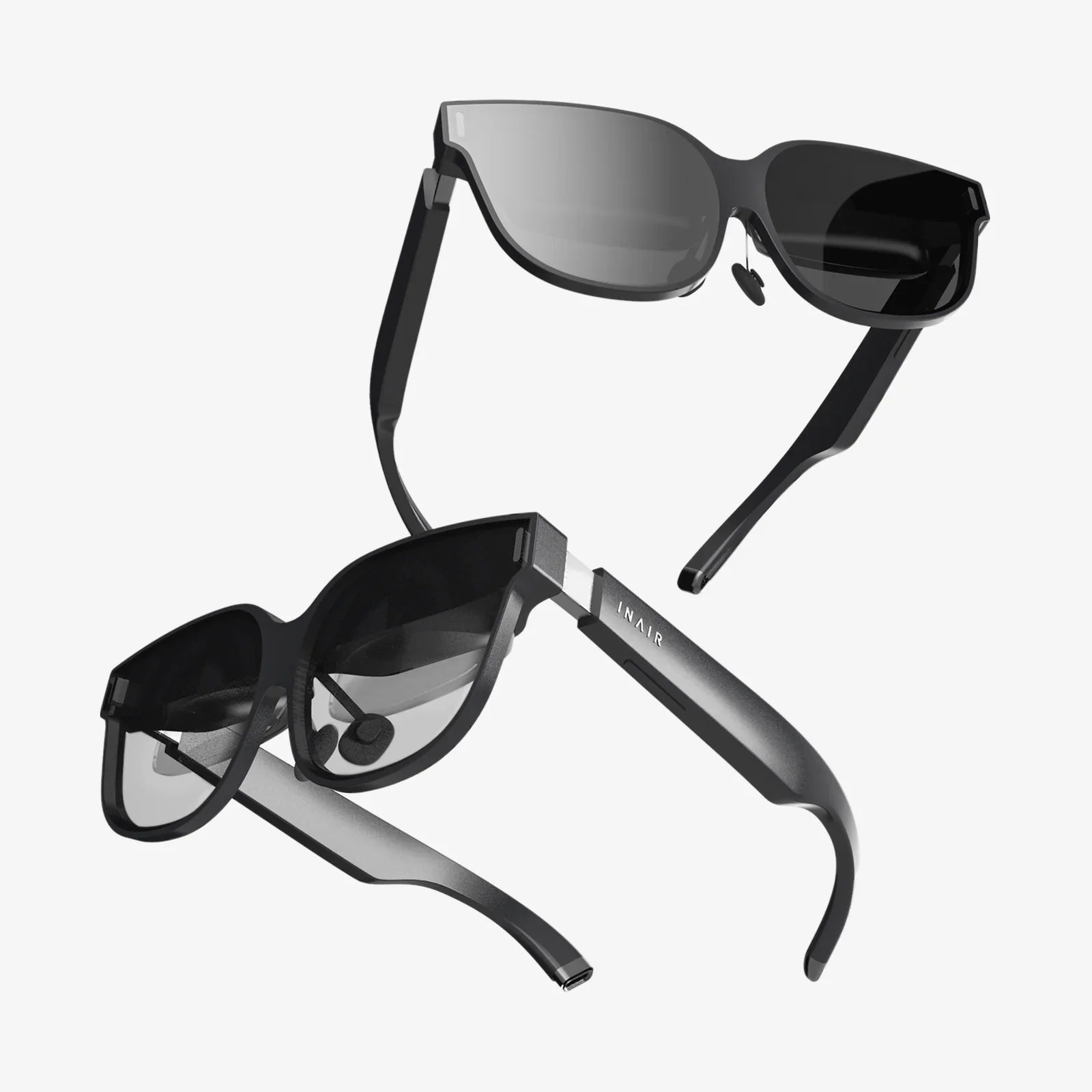
Reality sunglasses promise something that once sounded like science fiction: slipping on a stylish pair of shades and instantly seeing your world upgraded with digital layers of information, guidance, and entertainment. Imagine walking through a new city with floating arrows guiding you to a hidden cafe, or glancing at a building and seeing its history appear in your field of view. These glasses are not just a new gadget; they are a new way of experiencing reality itself, and the race to own this space is reshaping how we think about vision, work, and play.
To understand what makes reality sunglasses so compelling, it helps to see them as the next evolution of both eyewear and computing. Traditional sunglasses protect your eyes and maybe add a fashion statement; smartphones put a world of data in your pocket. Reality sunglasses merge those roles, turning your eyes into the primary interface for digital information. Instead of looking down at a screen, you look forward and see context-aware overlays that respond to where you are, what you are doing, and what you need in the moment.
What Are Reality Sunglasses?
Reality sunglasses are wearable devices that look like ordinary sunglasses but include embedded displays, sensors, processors, and connectivity. Their goal is to integrate digital content directly into your view of the real world, often using augmented reality (AR) techniques. Rather than immersing you in a fully virtual environment, they subtly enhance your surroundings with graphics, text, and interactive elements.
Most models aim to balance three competing demands: style, comfort, and functionality. They need to be light enough to wear all day, discreet enough to pass as normal eyewear, and powerful enough to deliver meaningful experiences. This balancing act is what distinguishes reality sunglasses from bulky headsets or specialized industrial smart glasses.
How Reality Sunglasses Work
Behind the sleek frames of reality sunglasses lies a complex mix of hardware and software. While designs vary, most share a common architecture that includes several core components working together.
Display Systems
The display is the heart of the experience. Reality sunglasses typically use one of three approaches:
- Waveguide displays: Tiny projectors send images into transparent lenses that redirect the light into your eyes. This allows digital content to appear as if it is floating in front of or within the real world.
- Micro-LED or micro-OLED projectors: Miniature displays embedded near the temple project images onto the lenses or directly into the eye via optical elements.
- Heads-up style overlays: A portion of the lens acts as a small screen, similar to a car heads-up display, placing information in a fixed area of your field of view.
The goal is to create overlays that are bright enough to see outdoors, yet transparent and unobtrusive so you can maintain situational awareness.
Sensors And Cameras
Reality sunglasses rely on sensors to understand both your environment and your actions. Common sensors include:
- Inertial measurement units (IMUs) combining accelerometers and gyroscopes to track head movement and orientation.
- Ambient light sensors to adjust display brightness and maintain readability in sun or shade.
- GPS and location sensors for navigation, mapping, and context-aware information.
- Cameras that capture the environment for object recognition, translation, or recording.
More advanced models may also include depth sensors or eye-tracking cameras to enable precise interactions and more stable overlays.
Onboard Computing And Connectivity
Miniaturized processors inside the frames handle tasks like rendering graphics, running apps, and processing sensor data. To keep the glasses light, some of the heavy computation is often offloaded to a paired smartphone or to cloud services.
Connectivity typically includes:
- Bluetooth for pairing with phones and accessories.
- Wi-Fi for internet access in known networks.
- Optional cellular links in more advanced devices for standalone operation.
This combination allows reality sunglasses to pull in real-time information, sync with your digital life, and stay updated without becoming bulky or hot.
Interaction Methods
Because tapping tiny buttons near your eyes is awkward and unsafe, reality sunglasses rely on more natural input methods. These can include:
- Voice commands for launching apps, starting navigation, or capturing photos.
- Touch-sensitive temples that respond to swipes and taps.
- Gesture recognition using cameras to detect hand motions in front of you.
- Eye tracking where available, letting you select items by looking at them.
The best experiences feel almost invisible: you speak, glance, or make a small gesture, and the world responds without forcing you to think about the device.
Key Features To Look For In Reality Sunglasses
Not all reality sunglasses are created equal. When evaluating options, several features make the difference between a novelty and a genuinely useful tool.
Comfort And Design
Sunglasses are fashion items as much as they are gadgets. Weight, balance, and style all matter. Look for:
- Lightweight frames that do not cause nose or ear fatigue after long wear.
- Balanced weight distribution so the front of the glasses does not feel heavy.
- Multiple frame styles to match different face shapes and fashion preferences.
- Prescription lens support if you need vision correction.
If the glasses are uncomfortable or look out of place, you simply will not wear them, no matter how advanced the technology is.
Display Quality
Display performance determines how usable the glasses are outdoors and in bright environments. Consider:
- Brightness high enough to remain visible in direct sunlight.
- Contrast and color to keep overlays legible without overwhelming your view.
- Field of view which affects how much of your vision can be enhanced at once.
- Transparency so digital elements do not obscure what is happening around you.
For many people, subtle overlays are preferable to full-screen effects, especially in public or while moving.
Battery Life
Battery life is a constant challenge for any wearable device. Reality sunglasses need enough power to last through a typical day without becoming bulky. Look for:
- All-day use under mixed conditions, such as navigation, notifications, and occasional media.
- Fast charging so short breaks can meaningfully top up the battery.
- Low-power modes that keep basic functions running while conserving energy.
Battery performance will also depend on how heavily you use features like video recording or continuous navigation.
Audio Capabilities
Many reality sunglasses include built-in audio, often using open-ear designs such as bone conduction or directional speakers. This allows you to hear alerts, navigation cues, or calls without blocking ambient sound.
Key considerations include:
- Audio clarity for speech and subtle sounds.
- Sound leakage to ensure your audio is not easily overheard.
- Microphone quality for clear voice commands and calls in noisy environments.
Audio can transform reality sunglasses from passive displays into active assistants that guide and inform you throughout the day.
Software Ecosystem
Hardware matters, but software determines what you can actually do. A strong ecosystem includes:
- Core apps like navigation, messaging, translation, and media controls.
- Developer support so third-party creators can build new experiences.
- Regular updates that improve performance, add features, and address security.
Reality sunglasses that tie into your existing digital life, including calendars, maps, and productivity tools, will feel far more useful than isolated gadgets.
Everyday Use Cases For Reality Sunglasses
The real test of any new technology is whether it fits naturally into daily life. Reality sunglasses shine when they quietly solve real problems instead of demanding constant attention.
Hands-Free Navigation
Navigation is one of the most compelling use cases. Instead of glancing down at a phone and risking missed turns or distractions, you can see:
- Floating arrows aligned with streets or pathways.
- Distance markers and estimated arrival times.
- Highlighted landmarks, transit stops, or points of interest.
For drivers, cyclists, and pedestrians alike, this heads-up guidance can make travel safer and less stressful, especially in unfamiliar cities.
Real-Time Translation And Travel Assistance
Travelers can benefit enormously from reality sunglasses. Imagine:
- Looking at a street sign or menu and seeing translated text appear over the original.
- Receiving subtle prompts about local etiquette or cultural notes.
- Getting visual cues to the correct train platform or bus stop in a busy station.
By reducing the friction of language barriers and navigation challenges, these glasses can make exploration more enjoyable and less intimidating.
Fitness And Outdoor Activities
For fitness enthusiasts, reality sunglasses can function as coaches and trackers. Potential features include:
- Overlayed running routes with pace and distance indicators.
- Real-time heart rate zones and performance metrics.
- Safety alerts about approaching vehicles or obstacles.
Because you no longer need to check a watch or phone, you can stay focused on your environment and your form.
Work And Productivity
In professional contexts, reality sunglasses can provide discreet access to information without breaking eye contact or interrupting tasks. Examples include:
- Seeing meeting agendas and talking points while presenting.
- Displaying step-by-step instructions for complex procedures.
- Showing notifications or messages in the corner of your vision without reaching for a device.
For field workers, technicians, and remote teams, this can translate into fewer errors, faster training, and improved collaboration.
Entertainment And Gaming
Reality sunglasses also open new doors for entertainment. Instead of staring at a flat screen, your surroundings become the canvas. You might:
- Play location-based games that place characters and objects in your environment.
- Watch videos on a virtual screen that appears to float in front of you.
- Experience interactive stories that unfold as you move through real spaces.
These experiences blur the line between physical and digital worlds, creating a sense of immersion without cutting you off from reality.
Reality Sunglasses And Social Interaction
Any device worn on the face inevitably affects how people interact with you. Reality sunglasses raise important questions about etiquette, trust, and social norms.
Social Acceptance And Style
Bulky headsets often signal that the wearer is elsewhere, mentally and visually. Reality sunglasses aim to avoid that by looking like ordinary eyewear. This makes it easier to wear them in public without drawing unwanted attention.
Still, subtle cues such as thicker temples or visible sensors may make others wonder whether they are being recorded or analyzed. Clear design signals, such as visible recording indicators, can help build trust.
Eye Contact And Presence
Because the displays are transparent, you can usually maintain eye contact during conversations. However, constant notifications or overlays might still distract you. Managing this requires:
- Thoughtful notification settings that minimize interruptions.
- Modes that temporarily disable overlays during important interactions.
- Personal discipline about when to engage with digital content.
The best experiences make the technology fade into the background so that human connection remains central.
Privacy, Security, And Ethical Concerns
Adding cameras, microphones, and sensors to everyday eyewear raises serious privacy and security questions. These must be addressed for reality sunglasses to gain broad acceptance.
Recording And Consent
One of the biggest concerns is whether people are being recorded without their knowledge. Important safeguards include:
- Visible recording indicators such as lights or on-screen prompts.
- Audible notifications when recording starts or ends.
- Clear policies about where and when recording is appropriate.
Users should be aware of local laws governing recording in public and private spaces, and developers should design systems that respect those boundaries.
Data Collection And Tracking
Reality sunglasses can collect sensitive data, including location history, audio snippets, and visual information about surroundings. This data can be valuable for improving services, but it also poses risks if misused or breached.
Best practices include:
- On-device processing for sensitive tasks where possible, reducing the need to send raw data to servers.
- Transparent privacy settings that let users control what is collected and how long it is stored.
- Strong encryption for data transmission and storage.
Users should take time to review permissions and ensure they are comfortable with how their information is handled.
Digital Overload And Mental Health
There is also a psychological dimension to constant augmentation. If your view of the world is always layered with alerts, metrics, and virtual objects, you may experience cognitive overload or reduced ability to focus.
Healthy use of reality sunglasses involves:
- Setting boundaries on notifications and app access.
- Using modes that limit overlays during certain times, such as meals or social gatherings.
- Being mindful of how constant digital input affects your mood and attention.
When used thoughtfully, these glasses can reduce friction and stress. When used carelessly, they can contribute to distraction and fatigue.
Choosing The Right Reality Sunglasses For Your Needs
With different designs and feature sets emerging, choosing the right pair depends on your priorities and lifestyle. A structured approach can help you make a smart decision.
Clarify Your Primary Use Cases
Start by identifying what you care about most. Common priorities include:
- Travel and navigation if you frequently explore new places or commute in busy cities.
- Fitness and outdoor activities if you spend a lot of time running, cycling, or hiking.
- Productivity and work if you want quick access to information without pulling out a device.
- Entertainment and gaming if you enjoy immersive experiences and interactive media.
Your primary use cases will shape which features matter most, such as battery life, display quality, or ruggedness.
Assess Comfort And Fit
Because these glasses may be on your face for hours, comfort is non-negotiable. When possible, try on different styles and pay attention to:
- Pressure points on the nose and behind the ears.
- How securely the glasses stay in place during movement.
- Whether the lenses provide adequate sun protection and clarity.
If you wear prescription lenses, verify whether the frames can accommodate your needs without compromising display performance.
Evaluate Software And Compatibility
Reality sunglasses are most powerful when they integrate smoothly with your existing devices and services. Check:
- Compatibility with your smartphone platform.
- Availability of key apps such as navigation, messaging, and translation.
- Frequency of software updates and long-term support plans.
Consider whether the device fits into a broader ecosystem you already use, making setup and daily operation more seamless.
Consider Longevity And Upgradability
Wearable technology evolves quickly, but eyewear tends to be a longer-term purchase. Look for:
- Modular components such as replaceable lenses or swappable frames.
- Battery replacement options if applicable.
- Roadmaps or commitments from the manufacturer regarding support.
While it is impossible to future-proof completely, choosing a device designed for longevity can extend its useful life.
The Future Of Reality Sunglasses
Reality sunglasses are still early in their evolution, but several trends suggest where the technology is heading and how it may reshape everyday life.
More Natural Visual Integration
Future models are likely to offer wider fields of view, higher resolution, and more seamless blending of digital and physical elements. As displays become more advanced, overlays will feel less like separate graphics and more like part of the environment.
We may see:
- Context-aware overlays that appear only when relevant, such as street names at intersections.
- Adaptive interfaces that respond to your focus and attention, reducing clutter.
- Visual enhancements for low-light or high-glare conditions that improve safety.
Smarter, More Contextual Assistance
With advances in artificial intelligence, reality sunglasses can become proactive assistants. Instead of waiting for commands, they might:
- Suggest alternate routes when traffic builds up ahead.
- Remind you of names and details during meetings, based on your calendar.
- Highlight objects or hazards you might not notice while distracted.
This shift from reactive to anticipatory assistance will make the glasses feel less like tools and more like companions that understand your routines and preferences.
Integration With Other Wearables
Reality sunglasses will not exist in isolation. They are likely to coordinate with other devices such as watches, earbuds, and health trackers. For example:
- A watch might handle detailed touch input and biometric tracking.
- Earbuds could provide rich audio while the glasses handle visual cues.
- Health sensors could feed data into overlays that guide your activity or stress management.
This network of devices will create a more holistic, personalized computing environment centered around your body and senses.
New Social Norms And Regulations
As reality sunglasses become more common, societies will develop new norms and rules around their use. Possible developments include:
- Designated spaces where recording is restricted or prohibited.
- Standardized visual indicators for active cameras or microphones.
- Guidelines for respectful use in social and professional settings.
These frameworks will help balance innovation with privacy, safety, and mutual trust.
Preparing Yourself For Augmented Vision
Stepping into the world of reality sunglasses is not just about buying a new device; it is about reshaping how you interact with information and your environment. To make the most of this shift, consider how you want technology to fit into your life rather than letting it dictate your habits.
Start small by identifying one or two areas where augmented vision could genuinely reduce friction or enhance enjoyment, such as safer navigation, more immersive workouts, or simpler travel. Experiment with features that support those goals, and be willing to dial back anything that feels distracting or intrusive. Over time, you can refine your settings and routines until the glasses feel like a natural extension of your senses.
The promise of reality sunglasses is not about living in a digital overlay, but about making the real world richer, safer, and more meaningful through subtle enhancements. As the technology matures and blends more seamlessly into everyday eyewear, the question will shift from whether to use augmented vision to how you want your personal reality to look and feel. Those who learn to shape that reality thoughtfully will be best positioned to thrive in a world where the line between seeing and computing grows thinner every day.
Aktie:
virtual augmented reality and the Future of Human Experience
Digital Interaction And The New Rules Of Human Connection