


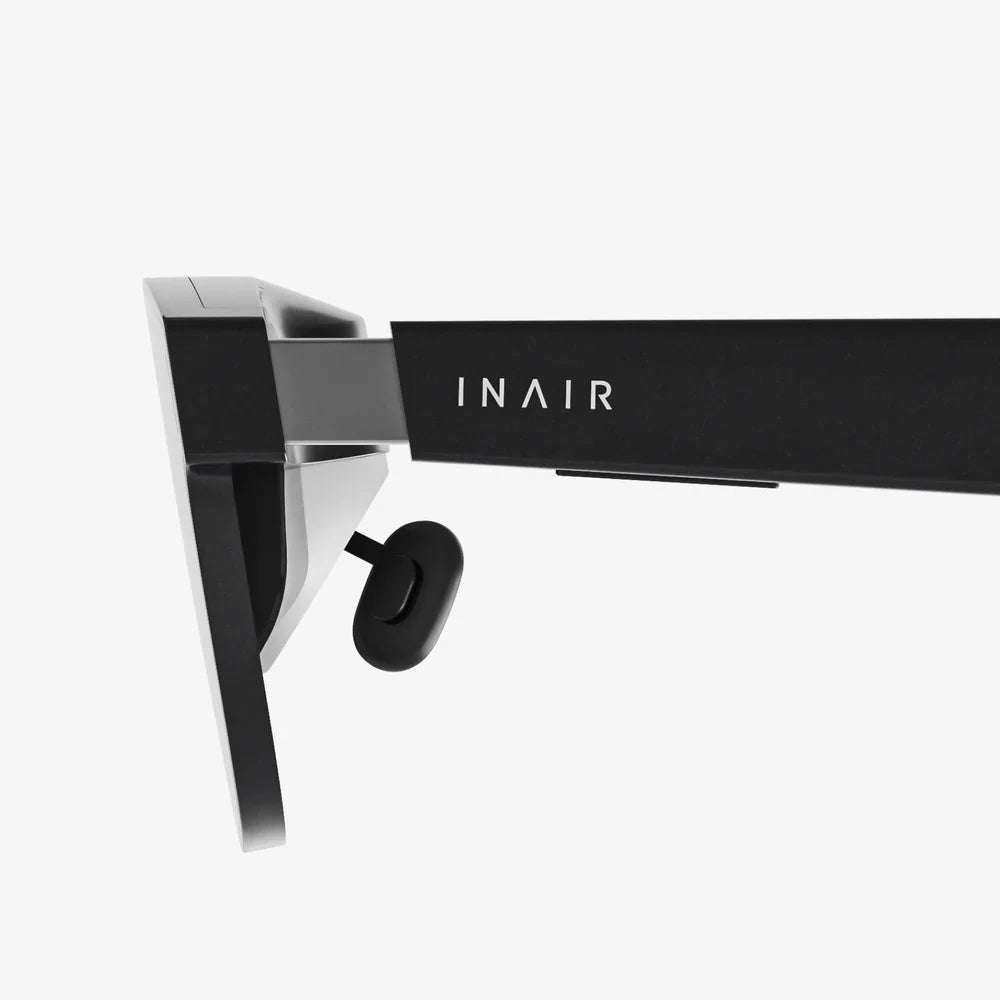
Imagine stepping outside, sliding on a smart sunglass, and instantly unlocking navigation, music, calls, fitness tracking, and live translation without ever pulling out your phone. This is not distant science fiction anymore; it is the reality of a rapidly evolving category that blends eyewear, wearable tech, and lifestyle design into one compelling package. If you have ever wondered whether a smart sunglass can genuinely improve your daily life rather than just add another gadget to charge, you are exactly where you need to be.
Smart sunglasses are reshaping how people interact with the world around them. They are no longer just about shielding your eyes from the sun; they are about enhancing your awareness, boosting productivity, and integrating digital tools into the most natural interface you have: your vision. From commuters and cyclists to remote workers and frequent travelers, more people are asking whether this technology deserves a place on their face instead of just in their pocket.
What Exactly Is a Smart Sunglass?
A smart sunglass is a pair of sunglasses that integrates electronic components and digital features into a familiar eyewear form. Instead of simply blocking UV rays, it offers functions such as audio playback, hands-free calls, fitness tracking, navigation prompts, or even visual overlays, depending on the model and design philosophy. The goal is to provide useful information and tools while keeping your hands and eyes free for real-world tasks.
Unlike traditional wearables that sit on your wrist or in your ears, smart sunglasses leverage a unique vantage point: right in front of your eyes. This position opens the door to subtle visual cues, spatial audio, and context-aware features that feel more natural and less intrusive than constantly checking a phone screen.
Key Components Inside a Smart Sunglass
To understand what makes a smart sunglass different from regular eyewear, it helps to look at the main components hidden in the frame and lenses:
- Micro speakers or bone-conduction drivers: These allow audio playback and calls without fully blocking your ears, letting you stay aware of your surroundings.
- Microphones: Typically placed in the temples or near the hinges, used for calls, voice assistants, and sometimes environmental sound processing.
- Sensors: Common sensors include accelerometers, gyroscopes, touch or tap sensors on the temples, and sometimes light or proximity sensors.
- Wireless connectivity: Usually Bluetooth for pairing with smartphones and other devices; some advanced designs may include Wi-Fi or other wireless protocols.
- Battery and charging interface: A compact battery housed in the arms, with charging achieved through magnetic connectors, USB ports, or dedicated charging cases.
- Optics and coatings: UV protection, polarization, photochromic lenses, and anti-reflective coatings to ensure they still function as high-quality sunglasses.
All of these elements must be carefully integrated into a frame that remains comfortable, balanced, and stylish enough for daily wear. That design challenge is one reason smart sunglasses are becoming a distinct category rather than simply a novelty add-on.
Why Smart Sunglasses Are Gaining Popularity
The growing interest in smart sunglasses is not just about tech enthusiasts chasing the next new gadget. Several broader trends are driving adoption:
- Hands-free lifestyles: People want to check directions, take calls, or listen to audio while walking, cycling, or commuting without juggling devices.
- Screen fatigue: With so many hours spent staring at phones and monitors, a device that reduces screen time while maintaining connectivity is appealing.
- Wearable acceptance: Smartwatches and wireless earbuds paved the way, making it more normal to wear technology as fashion.
- Outdoor and active lifestyles: Runners, cyclists, hikers, and urban commuters benefit from a device that merges eye protection with audio and navigation.
- Discreet tech: Smart sunglasses tend to look more like conventional eyewear than bulky headsets, making them easier to wear in public without drawing unwanted attention.
As these trends converge, smart sunglasses are moving from niche curiosity to a practical option for people who spend a lot of time outside or on the move.
Core Features to Look for in a Smart Sunglass
Not all smart sunglasses are built with the same priorities. Some focus on audio and calls, others on visual overlays or fitness tracking. When evaluating options, consider the following core features and how they match your lifestyle:
1. Audio Quality and Call Performance
Many smart sunglasses prioritize audio as their primary function. Small speakers or bone-conduction drivers are built into the arms, aiming sound toward your ears while letting ambient noise in. Key aspects include:
- Clarity and volume: Can you hear music and calls clearly in noisy environments like city streets or public transit?
- Sound leakage: How much of your audio can people nearby hear? This matters if you want privacy.
- Microphone quality: Are your calls clear to the person on the other end, even in wind or traffic?
- Latency: If you watch videos or play games, is there a noticeable delay between audio and visuals?
2. Comfort, Fit, and Weight
Comfort is critical because smart sunglasses are meant to be worn for extended periods. Look for:
- Balanced weight distribution: Extra hardware in the temples should not cause the glasses to slide down your nose.
- Adjustable nose pads or multiple sizes: A secure fit reduces pressure points and prevents slipping during activity.
- Materials: Lightweight yet durable materials such as certain plastics or metal alloys can improve long-term comfort.
- Clamping force: Arms that are too tight can cause headaches; too loose and they will not stay put.
3. Battery Life and Charging Convenience
Battery performance determines whether you actually use the smart features daily or treat them as occasional novelties. Consider:
- Playback time: How many hours of continuous audio or mixed use can you expect?
- Standby time: Can they last through a full day of intermittent use without dying?
- Charging speed: Quick-charge capabilities can be crucial if you forget to plug them in overnight.
- Charging method: Magnetic connectors or dedicated cases can be more convenient than exposed ports.
4. Lens Quality and Eye Protection
Regardless of how advanced the electronics are, a smart sunglass must excel at being a sunglass first. Pay attention to:
- UV protection: Full protection from UVA and UVB rays is non-negotiable for eye health.
- Polarization: Polarized lenses reduce glare from surfaces like roads and water, improving comfort and visibility.
- Tint options: Different tints suit bright sun, mixed conditions, or low-light environments.
- Prescription compatibility: If you need vision correction, check whether prescription lenses can be fitted.
- Photochromic options: Lenses that adjust to changing light can be valuable for all-day wear.
5. Controls and User Interface
The best smart sunglasses make interaction feel natural and minimal. Look for:
- Touch or tap controls: Swipes or taps on the temple to play, pause, skip tracks, or answer calls.
- Physical buttons: Some users prefer tactile buttons for reliability and precision.
- Voice assistant integration: Hands-free commands can be extremely useful while driving or cycling.
- Gesture recognition: Advanced models may interpret head gestures or other subtle movements.
6. Durability and Weather Resistance
Since sunglasses are often used outdoors, they must withstand real-world conditions:
- Water and sweat resistance: Look for an appropriate level of protection if you plan to use them during workouts or in light rain.
- Impact resistance: Frames and lenses should be robust enough for daily wear and occasional drops.
- Temperature tolerance: Electronics should function reliably in hot sun or cooler climates.
Types of Smart Sunglasses by Use Case
Different lifestyles demand different feature sets. Instead of hunting for a single "best" smart sunglass, it is more effective to identify the category that fits you:
Everyday Lifestyle and Commuting
For daily use around town, commuting, or casual social settings, you may prioritize:
- Comfortable, fashion-forward design that resembles regular sunglasses.
- Solid audio for music, podcasts, and calls.
- Reliable voice assistant access for quick tasks.
- All-day battery life under mixed usage.
These models often emphasize subtlety and versatility, aiming to blend seamlessly into your wardrobe and routine.
Fitness and Outdoor Sports
Runners, cyclists, hikers, and outdoor enthusiasts have different priorities:
- Secure fit that stays in place during vigorous movement.
- Sweat and weather resistance.
- Lightweight design to minimize fatigue.
- Glare reduction and high-contrast lenses for varied terrain.
- Audio cues for pace, distance, or navigation without looking at a screen.
These smart sunglasses often lean on audio coaching and safety, enabling awareness of traffic and surroundings while still delivering performance metrics.
Work, Productivity, and Remote Collaboration
For professionals and remote workers, smart sunglasses can support productivity in subtle ways:
- Clear, reliable microphones for calls and virtual meetings.
- Comfort for long wear during travel or work sessions.
- Discreet audio for listening to meetings or messages in public spaces.
- Potential integration with productivity apps and voice assistants.
In this context, the smart sunglass acts as a lightweight communication hub, especially useful when you are on the move or working from varied locations.
Augmented Reality and Visual Overlays
Some smart sunglasses experiment with visual elements, such as simple heads-up displays or augmented reality overlays. These can offer:
- Turn-by-turn navigation in your field of view.
- Contextual notifications, such as incoming calls or messages.
- Fitness metrics or performance data during workouts.
- Information overlays in specialized professional settings.
These features are still evolving, and designs that emphasize subtle, glanceable information tend to be more comfortable for long-term use than those that try to replace your phone screen entirely.
Practical Benefits of Using a Smart Sunglass
Beyond the technical specifications, it helps to understand how a smart sunglass can actually improve daily life. Here are some practical advantages that users often appreciate:
Reduced Screen Time Without Losing Connectivity
One of the biggest benefits is the ability to stay informed and reachable without constantly looking at your phone. A smart sunglass can handle:
- Audio notifications for calls and messages.
- Voice-controlled responses and quick replies.
- Navigation prompts spoken directly into your ears.
- Access to information through voice queries.
This shift helps reduce the compulsion to check a screen every few minutes, which can improve focus and decrease digital fatigue.
Safer Navigation and Commuting
For pedestrians, cyclists, and drivers, a smart sunglass can enhance safety by:
- Providing turn-by-turn directions via audio or subtle visual cues.
- Allowing you to keep your eyes on the road instead of your phone.
- Maintaining environmental awareness since your ears are not fully blocked.
When used responsibly, this can make commuting smoother and less stressful, especially in unfamiliar areas.
Enhanced Outdoor Experiences
Whether you are hiking, running, or simply relaxing at the beach, smart sunglasses can add value by:
- Streaming music or podcasts without separate earbuds.
- Delivering fitness metrics or coaching cues.
- Translating signs or spoken phrases through connected apps and audio feedback.
- Helping you capture moments hands-free if they integrate with a camera or phone controls.
Subtle, Always-Available Audio
Unlike headphones that fully cover or seal your ears, many smart sunglasses are designed to provide a more open audio experience. This can be beneficial when:
- You want background music but need to hear announcements or conversations.
- You are in environments where situational awareness is critical, such as city streets.
- You find in-ear devices uncomfortable for long periods.
Potential Drawbacks and Challenges
Smart sunglasses are not perfect, and understanding their limitations will help you make a more informed decision:
Battery and Charging Habits
Unlike traditional sunglasses that you can grab and go, smart sunglasses require regular charging. This adds another device to your daily charging routine. If you forget to charge them, you still have sunglasses, but the smart features become useless until you plug in again.
Privacy and Social Perception
Even when smart sunglasses do not include cameras, people around you may be unsure about what the device can do. This can raise questions about privacy and recording. Clear communication and considerate use are important, especially in social or professional settings.
Durability of Electronics
Traditional sunglasses can be fairly forgiving of drops, bumps, or being tossed into a bag. Smart sunglasses, with their embedded electronics and batteries, are more sensitive. You will need to treat them with additional care, store them in protective cases, and be cautious around water and extreme temperatures if they are not specifically rated for such conditions.
Cost Versus Value
Smart sunglasses typically cost more than standard sunglasses of comparable optical quality. To justify the investment, you need to realistically assess how often you will use the smart features. If you only occasionally listen to music outside, a separate pair of wireless earbuds might be more cost-effective. However, if you spend hours outdoors daily and rely on navigation, calls, and audio, the integrated experience can be worth the premium.
How to Choose the Right Smart Sunglass for You
Selecting the right smart sunglass is about aligning features with personal habits. Here is a simple decision framework:
Step 1: Define Your Primary Use Case
Ask yourself where and how you plan to use the device most:
- Daily commuting and city life.
- Outdoor sports and fitness.
- Travel and exploration.
- Work and remote collaboration.
Your primary use case will determine which features deserve the most weight in your decision.
Step 2: Prioritize Features
Based on your use case, rank the following in order of importance:
- Audio quality and call performance.
- Comfort and fit.
- Battery life.
- Lens quality and eye protection.
- Water and sweat resistance.
- Visual overlays or heads-up display.
- Voice assistant and app integration.
Focus on the top three priorities. A smart sunglass that excels in your top priorities but is average in others is usually more satisfying than one that tries to do everything but does not excel where you need it.
Step 3: Consider Style and Social Context
Because you wear smart sunglasses on your face, aesthetics matter. Consider:
- Frame shapes that suit your face (aviator, rectangular, round, wraparound, and so on).
- Colors and finishes that match your wardrobe and typical environments.
- How discreet or noticeable you want the technology to be.
If you feel self-conscious wearing them, you are less likely to use them regularly, no matter how advanced the features are.
Step 4: Test Fit and Controls Whenever Possible
If you have the opportunity, try on different models to evaluate:
- Pressure points on your nose and ears.
- Ease of reaching and using touch controls or buttons.
- How secure they feel when you move your head quickly.
- How natural the audio sounds in your typical environments.
A short in-person test can reveal comfort issues that are hard to judge from specifications alone.
Smart Sunglasses in Daily Scenarios
To better understand how a smart sunglass fits into real life, consider a few everyday scenarios:
Morning Commute
You put on your smart sunglasses as you leave home. A simple voice command starts your favorite news podcast. As you walk or ride public transit, you receive a notification for an incoming call. You answer with a tap on the temple, speak naturally, and finish the call before you arrive at the office, all without taking your phone out of your pocket.
Weekend Run
On a sunny weekend, you head out for a run. The smart sunglass protects your eyes from glare while providing audio cues about pace and distance. You can still hear traffic and other runners because your ears are not completely sealed. If you need to change your route, a quick voice command brings up navigation guidance through audio prompts.
Travel and Exploration
While exploring a new city, you rely on your smart sunglasses for walking directions and quick translations. You ask for restaurant recommendations and receive turn-by-turn guidance through your audio. You are able to look around, enjoy the architecture, and stay oriented without constantly staring at a map on your phone.
Remote Work on the Move
During a business trip, you take a call from a park bench between meetings. The microphones in your smart sunglasses pick up your voice clearly, and the person on the other end hears you as if you were in a quiet room. You review your schedule with a voice assistant, set reminders, and listen to messages while walking to your next appointment.
The Future Direction of Smart Sunglasses
The category of smart sunglasses is still evolving, and several trends suggest where it might go next:
- Improved miniaturization: Smaller, more efficient components will allow thinner frames and lighter designs.
- Better battery technology: Longer life and faster charging will reduce the friction of daily use.
- More advanced sensors: Additional sensors may enable health monitoring, more precise fitness tracking, or context-aware features.
- Refined visual overlays: Subtle, comfortable heads-up displays could become more common, especially for navigation and productivity.
- Deeper integration with digital ecosystems: Smart sunglasses may become a central interface for smart homes, vehicles, and personal devices.
As these developments mature, the line between eyewear and wearable computing will continue to blur, making smart sunglasses a more natural extension of daily life.
If you are still reading, you are probably weighing whether a smart sunglass deserves a place in your routine. The answer depends on how much you value hands-free convenience, reduced screen time, and seamless access to audio and information while on the move. For some, they will remain a niche accessory. For others, especially those who live active, outdoor, or highly mobile lifestyles, they will quietly become as indispensable as a smartwatch or wireless earbuds. The most compelling way to find out which group you belong to is simple: identify the moments in your day when you wish your technology would disappear into the background, and then imagine those moments with a smart sunglass doing the heavy lifting while you simply look up and live your life.
Aktie:
Front Glass Screen Door Ideas for a Brighter, Safer, Stylish Entryway
Front Glass Screen Door Ideas for a Brighter, Safer, Stylish Entryway