


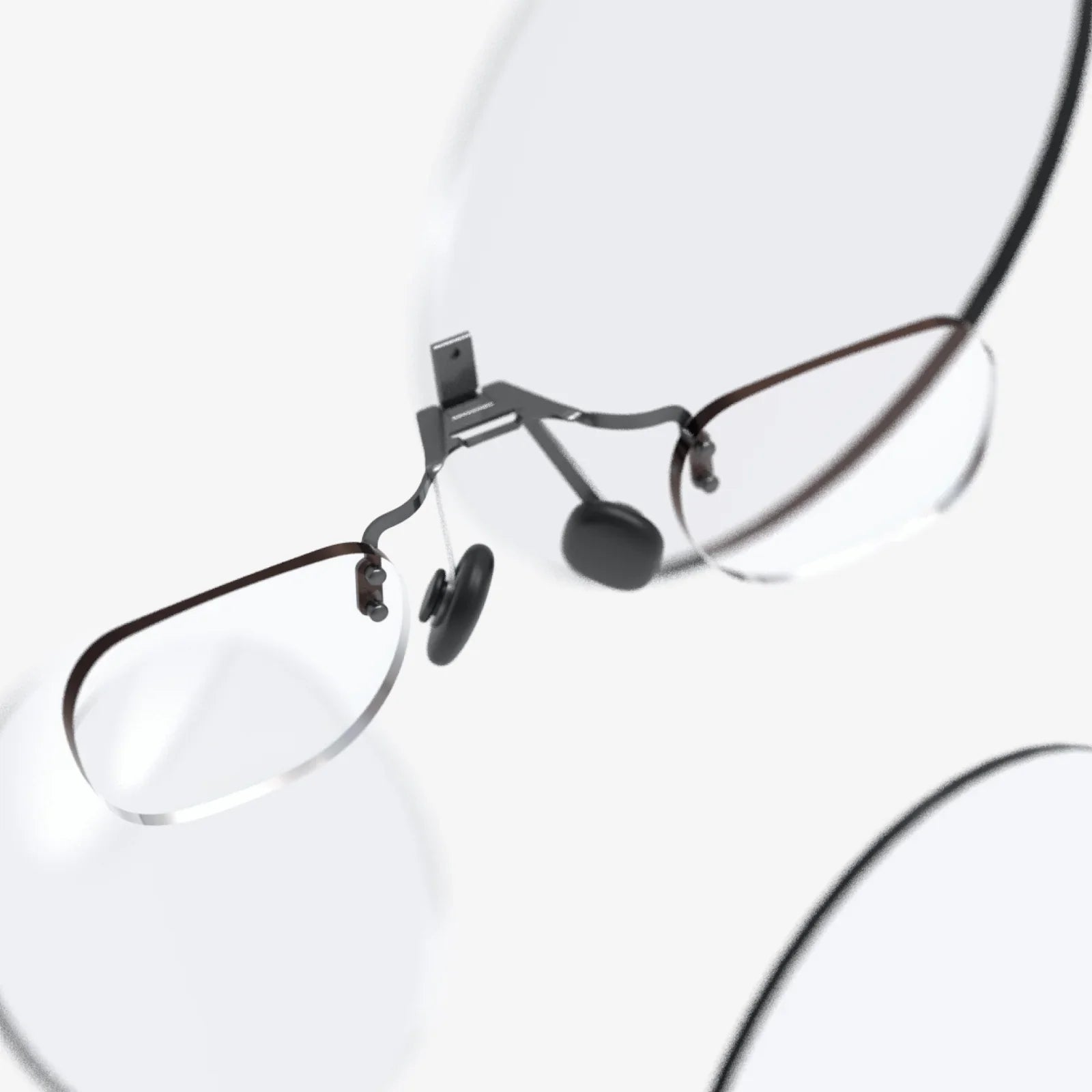
If you are searching for an ultra glass screen protector iPhone 16 Pro Max that truly matches the power and price of your new device, you are not alone. The iPhone 16 Pro Max is a serious investment, and one slip from your hand or scratch in your pocket can turn that gorgeous screen into a constant reminder of one unlucky moment. Before you risk using your new phone bare, it is worth understanding what ultra glass screen protection really means, how it works, and how to choose a protector that actually lives up to the name.
The display on the iPhone 16 Pro Max is more than just a piece of glass; it is the window to everything you do on your phone. From high‑refresh gaming and cinematic video to professional‑grade photo editing and productivity, the screen is the main interface between you and your digital life. That is why the idea of ultra glass protection has become so popular: it promises higher durability, better clarity, and a smoother touch experience than basic protectors. But not all protectors are created equal, and understanding the details can save you money, frustration, and even your screen itself.
Why Your iPhone 16 Pro Max Needs Ultra Glass Protection
The iPhone 16 Pro Max combines a large display with a slim, premium body. That combination is beautiful, but it also makes the device more vulnerable to impact and surface damage. Even though the built‑in glass is engineered for toughness, it is not indestructible. A single drop on rough ground, a sharp grain of sand in your pocket, or repeated contact with keys and coins can leave permanent marks.
Using an ultra glass screen protector can drastically reduce the risk of:
- Screen cracks from accidental drops – A tempered ultra glass layer absorbs impact energy before it reaches the display.
- Micro‑scratches and scuffs – Hard objects and abrasives can scratch the surface over time; a protector takes the damage instead of the screen.
- Fingerprints and smudges – Advanced coatings reduce oil buildup, making your phone look cleaner and easier to wipe.
- Costly repairs – Screen replacements on a flagship phone are expensive; a protector is a relatively small, preventive investment.
For a device as advanced as the iPhone 16 Pro Max, ultra glass protection is not just about preventing catastrophic shattering. It is also about preserving the day‑to‑day visual quality and touch performance that you paid for.
What “Ultra Glass” Really Means
The term “ultra glass” is often used in marketing, but there are technical characteristics behind it that you can actually look for when choosing a screen protector. For the iPhone 16 Pro Max, a high‑quality ultra glass protector will typically include the following traits:
Tempered Glass Construction
Most ultra glass protectors are made from tempered glass. This is glass that has been heated to high temperatures and then rapidly cooled, creating internal tension that increases its strength compared to regular glass. The benefits of tempered glass include:
- Higher impact resistance – It can absorb and disperse shock better than standard glass.
- Safer breakage pattern – If it does break, it tends to crumble into small pieces instead of sharp shards.
- Improved scratch resistance – It resists daily wear from contact with hard objects.
When you see the phrase “9H hardness” associated with an ultra glass screen protector, it refers to a rating on the pencil hardness scale. A 9H rating means the surface can resist scratching from a 9H‑grade pencil, which is one of the hardest in that scale. While this does not make the glass completely scratch‑proof, it does indicate a high level of durability.
Multi‑Layer Design
A quality ultra glass protector often uses multiple layers to balance strength, flexibility, and usability. Common layers include:
- Top oleophobic coating – Repels oils and fingerprints, making the surface easier to clean.
- Tempered glass core – Provides the main structural strength and scratch resistance.
- Shock‑absorbing layer – Helps disperse impact energy across the surface.
- Silicone or adhesive base – Bonds the protector to the screen without damaging the display.
This layered structure allows an ultra glass screen protector to deliver protection without compromising transparency or touch sensitivity.
Full Coverage vs. Standard Coverage
For the iPhone 16 Pro Max, you will find ultra glass protectors in both full‑coverage and standard‑coverage designs. Full‑coverage protectors extend closer to the curved edges and often include colored borders to match the phone’s frame. Standard‑coverage protectors usually stop short of the curve, leaving a small margin around the edges.
Full coverage can offer more comprehensive protection, especially against corner and edge impacts, but it must be precisely engineered to avoid interfering with cases. Standard coverage is often more case‑friendly, reducing the chance of lifting or bubbling where the case meets the screen.
Key Features to Look for in an Ultra Glass Screen Protector
When shopping for an ultra glass screen protector for your iPhone 16 Pro Max, paying attention to specific features will help you filter out low‑quality options. Here are the most important characteristics to evaluate:
1. Thickness and Durability
Ultra glass protectors commonly range from about 0.2 mm to 0.5 mm in thickness. Thicker glass often feels more solid and can absorb more impact, but if it is too thick, it might affect touch sensitivity or create a raised edge you can feel. For the iPhone 16 Pro Max, a protector in the 0.3 mm to 0.4 mm range usually offers a good balance between durability and seamless interaction.
Check for terms like “reinforced edges,” “double‑strength,” or “multi‑layer impact protection.” These can indicate that the protector is designed to withstand more than just minor bumps.
2. Clarity and Color Accuracy
The iPhone 16 Pro Max display is designed to deliver vivid colors, deep blacks, and high brightness. A poor‑quality protector can reduce clarity, introduce haze, or distort colors. Look for descriptions such as:
- High transparency – Usually 99% or higher light transmittance.
- Low reflectivity – Helps prevent annoying glare under bright light.
- True color or HD clarity – Indicates that the protector is engineered to preserve the display’s original color profile.
If you notice a milky look, rainbow patterns, or a duller display after applying a protector, it is a sign that the glass or coatings are not up to standard.
3. Touch Sensitivity and Response
The iPhone 16 Pro Max is built for smooth gestures, fast typing, and precise touch control. An ultra glass screen protector should feel almost invisible under your fingers. Features related to touch performance include:
- Ultra‑thin design – Helps maintain original touch response.
- Responsive touch or 3D touch support – Indicates compatibility with pressure‑sensitive or advanced touch features.
- Smooth surface finish – Ensures your finger glides easily across the screen.
After installation, swiping between screens, scrolling through content, and playing games should feel just as fluid as using the bare display.
4. Oleophobic and Hydrophobic Coatings
Fingerprints, smudges, and skin oils are unavoidable, but a good coating can make them less obvious and easier to clean. An oleophobic coating repels oils, while a hydrophobic coating repels water. Together, they help keep your iPhone 16 Pro Max screen looking clear.
With a strong coating, you should notice that smudges wipe off quickly with a microfiber cloth, and that your screen does not feel sticky or greasy after regular use.
5. Anti‑Shatter and Safety Features
A true ultra glass protector is designed not just to protect your phone, but also to break safely if it fails. Anti‑shatter film or similar layers keep broken glass pieces together, reducing the risk of cuts and preventing shards from scratching the underlying display.
When you read about “shatterproof” screen protectors, understand that no glass is completely unbreakable; the term usually means that the protector is engineered to crack in a controlled, safer way.
6. Edge Design and Case Compatibility
Edge design matters more than many people realize. On the iPhone 16 Pro Max, where cases often hug tightly around the display, the wrong edge shape can cause lifting or bubbling. Common edge designs include:
- 2.5D rounded edges – Slightly curved edges that feel smoother and are less likely to chip.
- Beveled edges – Angled edges that can improve comfort and reduce sharpness.
- Case‑friendly cut – Slightly smaller than the full screen to avoid contact with case lips.
If you use a protective case, choosing a case‑friendly ultra glass screen protector can significantly improve long‑term adhesion and reduce the chance of accidental peeling.
7. Privacy, Matte, and Specialty Options
While most ultra glass protectors focus on clarity and gloss, there are specialty variations that may fit your needs:
- Privacy glass – Limits viewing angles so people next to you cannot easily see your screen.
- Matte finish – Reduces glare and reflections, useful in bright environments or outdoors.
- Blue light filtering – Claims to reduce eye strain by filtering certain wavelengths of blue light.
These specialty features can be helpful, but be aware that privacy and matte finishes might slightly reduce sharpness or brightness compared to standard ultra‑clear glass.
How Ultra Glass Protectors Work During Real‑World Drops
Understanding what happens during an actual drop can help you appreciate the role of an ultra glass screen protector on your iPhone 16 Pro Max. When your phone hits a hard surface, the impact energy travels through the point of contact and spreads across the glass. If the stress exceeds the glass’s tolerance, cracks form.
An ultra glass protector is designed to absorb and distribute some of that energy before it reaches the phone’s own display. In many cases, the protector will crack while the screen underneath remains intact. This sacrificial behavior is exactly what you want: replacing a cracked protector is far cheaper and easier than replacing a cracked display.
However, there are limits. Extremely high drops, sharp objects, or impacts at specific angles (especially on corners) can still damage the screen beneath. That is why combining an ultra glass protector with a quality case offers the best overall protection strategy.
Installation: Getting a Perfect, Bubble‑Free Fit
Even the best ultra glass screen protector will not perform well if it is installed poorly. Dust, misalignment, and trapped air can cause bubbles, reduced sensitivity, and even peeling over time. Taking a few extra minutes during installation can dramatically improve the result.
Step‑by‑Step Installation Tips
- Prepare a clean environment – Choose a dust‑free area, such as a bathroom after a hot shower has settled dust in the air.
- Wash and dry your hands – This reduces the chance of transferring oils or debris to the screen.
- Clean the screen thoroughly – Use the provided alcohol wipe and microfiber cloth to remove fingerprints, dust, and residue.
- Use dust removal stickers – Carefully dab any remaining particles; even a single speck can create a bubble.
- Align carefully – Before peeling the backing, hold the protector over the screen to line up with the camera cutouts and edges.
- Apply from one edge – Peel the backing, then lower the protector slowly from one side to the other, allowing the adhesive to spread gradually.
- Press out bubbles – Use a card or provided tool to gently push any air toward the edges.
Many ultra glass protectors for the iPhone 16 Pro Max now include alignment frames or guides that snap around the phone, making it easier to position the glass perfectly centered. Using these tools can dramatically reduce installation errors.
Common Problems and How to Avoid Them
Even with careful installation, issues can arise. Knowing what to expect and how to fix it can save you from unnecessary replacements.
Persistent Bubbles
Small bubbles right after installation are common. Often, they disappear within 24 to 48 hours as the adhesive settles. If bubbles remain:
- Check for trapped dust; if a particle is visible, you may need to gently lift the protector, remove the dust with a sticker, and reapply.
- Ensure the protector is not pressing against a case edge, which can prevent full adhesion.
Peeling Edges
Peeling usually occurs when:
- The protector is too large for your case, causing the case to push against the edges.
- Moisture or dirt has gotten under the edges over time.
Choosing a case‑friendly ultra glass screen protector and avoiding frequent removal and reapplication will help prevent this.
Reduced Touch Sensitivity
Some users report reduced sensitivity after installing a protector. This can happen if:
- The protector is too thick or made with low‑quality adhesive layers.
- There are micro‑gaps or bubbles interfering with the touch sensors.
On the iPhone 16 Pro Max, a properly designed ultra glass protector should not significantly affect touch performance. If you notice lag or missed taps, checking for bubbles and ensuring a fully adhered surface is a good first step.
How to Maintain and Clean Ultra Glass on Your iPhone 16 Pro Max
Once installed, an ultra glass screen protector requires minimal maintenance. However, a few habits can extend its life and keep your iPhone 16 Pro Max looking pristine.
Regular Cleaning
Use a soft, dry microfiber cloth to wipe away fingerprints and smudges. Avoid paper towels or abrasive fabrics, which can introduce fine scratches over time. If needed, a slightly damp cloth or a screen‑safe cleaning spray can help with stubborn marks.
Avoid Harsh Chemicals
Household cleaners, alcohol sprays not designed for screens, and other harsh chemicals can degrade the oleophobic coating. Always use cleaning solutions specifically formulated for electronic displays, or just water and a microfiber cloth.
Check for Damage Regularly
Inspect your ultra glass protector periodically for cracks, chips, or deep scratches. Even if they do not immediately affect usability, they can compromise the protector’s structural integrity. When damage appears, consider replacing the protector to maintain optimal protection.
When to Replace Your Ultra Glass Screen Protector
An ultra glass screen protector is a consumable layer of protection. Over time, it will accumulate wear and tear. Knowing when to replace it keeps your iPhone 16 Pro Max properly shielded.
You should consider replacing your protector if you notice:
- Visible cracks or chips – Even small cracks can expand and weaken the protector.
- Deep scratches – These can scatter light and reduce clarity, especially in bright settings.
- Peeling or poor adhesion – Lifting edges allow dust and debris to get underneath.
- Significantly reduced oleophobic effect – If fingerprints cling more than they used to and are hard to wipe off.
Replacing an ultra glass protector is usually quick and inexpensive compared to dealing with a damaged screen. Treat it as routine maintenance, much like changing a case that has worn out.
Balancing Protection and Aesthetics on the iPhone 16 Pro Max
Some users hesitate to add any layer on top of the iPhone 16 Pro Max display because they love the look and feel of the bare glass. Ultra glass screen protectors are designed to minimize this trade‑off, but it is still worth thinking about your priorities.
If you want maximum protection with minimal visual impact, focus on ultra‑clear, high‑transparency glass that matches the curvature and dimensions of your screen as closely as possible. If you care more about privacy or glare reduction, consider specialized variants even if they slightly affect brightness or sharpness.
Remember that the goal is to preserve both the appearance and functionality of your iPhone over time. A thin, well‑designed ultra glass protector can be nearly invisible in daily use while quietly absorbing the abuse that would otherwise hit your screen.
Questions to Ask Before You Buy
To make a smart choice when selecting an ultra glass screen protector for your iPhone 16 Pro Max, ask yourself these questions:
- Do I prioritize maximum clarity, or do I need privacy or matte features?
- What kind of case am I using, and do I need a case‑friendly edge design?
- Am I comfortable installing it myself, or do I want an installation frame or professional help?
- How often do I drop my phone, and do I need extra‑reinforced glass or just standard protection?
- Is touch sensitivity critical for gaming, drawing, or professional use?
Your answers will guide you toward a protector that fits your lifestyle rather than just your device.
Why Ultra Glass Is Especially Important for a Flagship Device
The iPhone 16 Pro Max is not just another phone; it is a flagship device with a premium price tag and advanced display technology. The cost of repairing or replacing the screen is high, both in terms of money and inconvenience. Ultra glass screen protection is a relatively small step that can prevent a major headache later.
Beyond the financial aspect, there is also the daily experience. A scratched or cracked screen can be distracting, reduce resale value, and make everything from watching videos to reading text less enjoyable. By investing in a strong, clear ultra glass protector, you preserve the feeling of using a brand‑new device day after day.
Making Your iPhone 16 Pro Max Truly Yours
Choosing the right ultra glass screen protector for your iPhone 16 Pro Max is about more than just avoiding damage; it is about tailoring your device to the way you live and work. Whether you are constantly on the move, working in bright outdoor conditions, gaming for hours, or simply wanting your phone to look flawless for as long as possible, the right protector becomes an invisible partner in your daily routine.
By understanding what ultra glass really offers—tempered strength, advanced coatings, precise fit, and safety‑minded design—you can avoid low‑quality options and pick a protector that truly matches the performance of your phone. With a carefully chosen ultra glass screen protector in place, every swipe, tap, and glance at your iPhone 16 Pro Max can feel just as premium as the day you unboxed it, with the confidence that one unlucky drop will not instantly undo your investment.
Aktie:
Voice Command Robot Toy Guide: Smart Play, Learning, and Buying Tips
Storm Door With Screen And Glass Insert: The Complete Homeowner’s Guide