


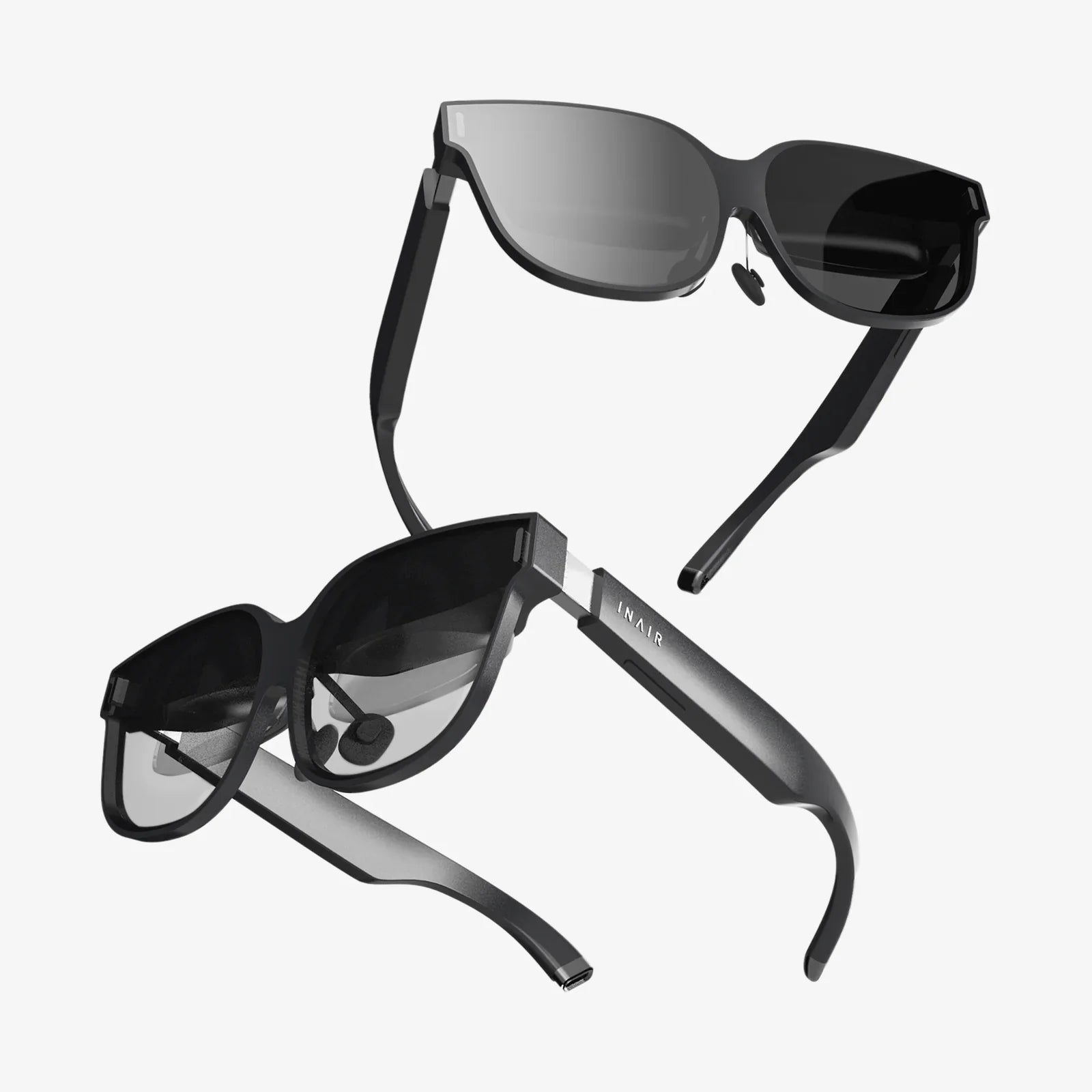
virtual reality status is changing faster than most people realize, quietly reshaping how we work, learn, play, and connect. What once looked like science fiction is now a growing layer of everyday life, from training surgeons and pilots to powering remote collaboration and immersive entertainment. If you want to understand where the next decade of digital experiences is heading, you need to understand what is really happening with virtual reality right now.
Today’s virtual reality landscape is a mix of impressive breakthroughs, stubborn limitations, and huge untapped potential. Headsets are becoming lighter and more affordable, software is more sophisticated, and use cases are expanding far beyond gaming. At the same time, adoption is uneven, content is fragmented, and many people still wonder whether VR is a passing fad or a foundational technology. Exploring the current virtual reality status reveals why the answer is far more exciting than many think.
The Core Technologies Behind Current Virtual Reality Status
To understand where virtual reality stands today, it helps to break down the core technologies that make modern immersive experiences possible. Each of these components has improved significantly in recent years, and together they define what users can see, feel, and do in virtual environments.
Display and Optics: Resolution, Field of View, and Comfort
Modern VR headsets rely on high-resolution displays and carefully engineered lenses to create a convincing sense of presence. The virtual reality status in display technology has advanced in several key ways:
- Higher resolution: Newer devices offer far more pixels per eye than early models, reducing the “screen door” effect where users could see the gaps between pixels.
- Improved refresh rates: Higher refresh rates minimize motion blur and reduce motion sickness, especially during fast movements.
- Wider field of view: A broader field of view increases immersion by filling more of a user’s visual field, making the virtual world feel more natural.
- Better lenses: Advances in lens design help reduce distortion and chromatic aberration, improving clarity and comfort.
Despite these improvements, the virtual reality status in optics is still evolving. Many users want even higher resolutions, lighter headsets, and more natural visual fidelity. Future developments such as foveated rendering and eye-tracking promise to push this further, but current systems already deliver experiences that feel surprisingly real.
Tracking and Input: From Controllers to Hand and Body Presence
Another defining aspect of virtual reality status is how accurately systems track user movement and translate it into the virtual world. Today’s VR relies on several tracking methods:
- Inside-out tracking: Cameras on the headset itself track the user’s position in space, removing the need for external sensors.
- Six degrees of freedom (6DoF): Users can move forward, backward, up, down, and rotate in all directions, enabling full room-scale experiences.
- Motion controllers: Handheld controllers with buttons, triggers, and motion sensors provide precise interaction with virtual objects.
- Hand tracking: Some systems now track bare hands using cameras and machine learning, allowing users to interact without physical controllers.
The current virtual reality status shows that tracking is more reliable and accessible than ever, but there is still room for improvement. Full-body tracking, more natural hand interactions, and haptic feedback that simulates touch are areas of active development. These advances will further blur the line between physical and digital actions.
Processing Power and Rendering Techniques
Under the hood, virtual reality demands significant computing power. The system must render two high-resolution images (one for each eye) at high frame rates with minimal latency. The virtual reality status in this area is shaped by two major trends:
- Standalone headsets: These devices integrate processors, graphics, and storage directly into the headset, eliminating the need for a powerful external computer.
- PC and console tethered systems: These setups use external machines to handle complex rendering, enabling more detailed graphics and larger virtual worlds.
Advanced rendering techniques such as foveated rendering, dynamic resolution scaling, and motion smoothing are increasingly common. These approaches optimize performance by focusing processing power where the user is actually looking and by intelligently managing visual complexity. As a result, the virtual reality status today is defined by a balance between visual fidelity and comfort.
Key Use Cases Shaping Virtual Reality Status Today
Virtual reality has moved beyond novelty and into practical, high-value applications. The most influential use cases reveal how VR is quietly embedding itself into many aspects of daily life and work.
Gaming and Entertainment: The Gateway to VR Adoption
Gaming remains the most visible driver of virtual reality status. Immersive games allow players to step inside digital worlds, interact with environments, and experience stories from a first-person perspective. Key aspects of VR gaming include:
- Room-scale experiences: Players move around a physical space that maps to a virtual environment, increasing immersion.
- Social multiplayer: VR games often feature voice chat, avatars, and shared spaces, creating a sense of presence with friends and strangers.
- Fitness and movement: Many VR titles require physical activity, turning gaming into a form of exercise.
Beyond games, VR entertainment includes immersive films, interactive narratives, virtual concerts, and 360-degree videos. These experiences demonstrate how virtual reality status is evolving from passive media consumption to active participation.
Training and Simulation: High-Stakes Learning in Safe Environments
One of the most powerful applications of VR is in training and simulation. The virtual reality status in this field is especially strong because VR can replicate complex, dangerous, or expensive real-world scenarios at a fraction of the cost and risk. Common uses include:
- Medical training: Trainees can practice procedures in realistic virtual operating rooms, receive feedback, and repeat scenarios as needed.
- Aviation and aerospace: Pilots and astronauts can rehearse emergency situations and complex maneuvers in virtual cockpits and spacecraft.
- Industrial and safety training: Workers can learn to operate heavy machinery, handle hazardous materials, or respond to emergencies without real-world danger.
Because of its ability to simulate high-stakes environments, VR is becoming a critical tool for skill development. The current virtual reality status in training suggests that more industries will adopt these methods as costs decrease and tools become easier to deploy.
Education and Learning: From Classrooms to Virtual Field Trips
Virtual reality is also transforming education. Instead of reading about historical events or scientific concepts, students can experience them firsthand in virtual environments. The virtual reality status in education includes:
- Virtual field trips: Learners can explore ancient ruins, visit distant planets, or dive into the ocean without leaving the classroom.
- Interactive labs: Science experiments and simulations can be conducted safely in VR, even when real-world resources are limited.
- Specialized training: Technical and vocational education can use VR to demonstrate complex systems and procedures.
These experiences can increase engagement, improve retention, and make learning more accessible. As hardware becomes more affordable and content libraries grow, the virtual reality status in education is likely to expand significantly.
Remote Work and Collaboration: Virtual Offices and Shared Spaces
The rise of remote work has pushed VR into a new role: enabling more natural collaboration across distances. The virtual reality status in this area is still emerging, but several patterns are clear:
- Virtual meeting rooms: Teams can gather in shared virtual spaces, use whiteboards, and manipulate 3D models together.
- Avatar-based presence: Representations of participants help convey body language and spatial relationships that are missing in traditional video calls.
- Co-creation environments: Designers, engineers, and artists can work on virtual prototypes in real time, regardless of location.
While not yet mainstream, these tools show how virtual reality status is evolving from entertainment to everyday productivity. As interfaces improve and workplaces become more distributed, VR collaboration may become a standard option alongside video conferencing and messaging.
Healthcare and Therapy: Healing in Immersive Environments
Healthcare is another domain where virtual reality status is gaining momentum. VR is being used for both physical and psychological interventions, including:
- Pain management: Immersive environments can distract patients during painful procedures or chronic pain episodes.
- Exposure therapy: Controlled virtual scenarios help patients confront phobias, anxiety, or post-traumatic stress in a safe setting.
- Rehabilitation: Gamified exercises in VR can support physical therapy and motor skill recovery.
These applications demonstrate that virtual reality is not just about entertainment; it can also improve health outcomes, reduce costs, and expand access to care.
Market Trends and Adoption Patterns in Virtual Reality Status
Understanding virtual reality status also means looking at the broader market: who is using VR, how often, and for what purposes. Several trends stand out.
Consumer Adoption: Enthusiasts, Casual Users, and Barriers
Consumer interest in VR has grown, but adoption remains uneven. The current virtual reality status among consumers can be summarized as follows:
- Enthusiasts: A dedicated segment invests in high-end systems, regularly buys new content, and experiments with new apps.
- Casual users: Many people have tried VR at events, arcades, or through friends but do not yet own a device.
- Non-users: A large portion of the population is aware of VR but has limited or no direct experience.
Barriers to broader consumer adoption include hardware cost, comfort issues, content variety, and the perception that VR is mainly for gaming. As prices fall, devices become more comfortable, and non-gaming applications grow, the virtual reality status among consumers is likely to shift toward mainstream usage.
Enterprise and Institutional Adoption
Businesses, governments, and educational institutions are increasingly adopting VR for training, design, and collaboration. The virtual reality status in enterprise environments is characterized by:
- Targeted deployments: Organizations often start with specific use cases, such as training programs or design reviews.
- Return on investment focus: Adoption is driven by measurable benefits like reduced training time, fewer errors, or faster product development.
- Integration challenges: VR must fit into existing workflows, security policies, and IT infrastructure.
As more case studies demonstrate tangible value, enterprise demand is expected to grow, further shaping the virtual reality status across industries.
Challenges and Limitations Holding Back Virtual Reality Status
Despite its progress, VR still faces significant challenges that influence its current status and future trajectory. Understanding these limitations is crucial for anyone interested in the technology’s long-term impact.
Comfort, Motion Sickness, and Accessibility
One of the most persistent issues in virtual reality status is user comfort. Common problems include:
- Motion sickness: When visual motion does not match the body’s sense of movement, some users experience nausea or dizziness.
- Physical fatigue: Wearing a headset for long periods can strain the neck and eyes, especially with heavier devices.
- Accessibility barriers: People with certain disabilities or visual conditions may find current VR systems difficult or impossible to use.
Manufacturers and developers are actively working on these issues through better ergonomics, improved software design, and more inclusive interfaces. However, the virtual reality status today still requires careful session design and user education to maintain comfort.
Content Fragmentation and Discoverability
Another challenge is the fragmentation of content across different platforms and stores. The virtual reality status in content ecosystems is marked by:
- Platform silos: Experiences are often tied to specific hardware, limiting reach and complicating development.
- Limited cross-platform support: Not all applications are available on every device, which can confuse or frustrate users.
- Discoverability issues: With many small titles and experiments, it can be difficult for users to find high-quality experiences.
Standardization, cross-platform development tools, and better recommendation systems could improve the virtual reality status in this area, making it easier for users to discover the best content.
Social Acceptance and Perception
Virtual reality still faces social and cultural hurdles. The current virtual reality status in public perception is influenced by:
- Misconceptions: Many people still view VR as a niche hobby or a gimmick rather than a serious tool.
- Isolation concerns: Some worry that VR will encourage people to withdraw from the physical world and relationships.
- Image and aesthetics: Wearing a headset can feel awkward or embarrassing, especially in social settings.
As more practical, collaborative, and socially meaningful applications emerge, these perceptions may shift. Demonstrations of VR’s benefits in education, healthcare, and work can help reshape virtual reality status in the public mind.
Privacy, Safety, and Ethical Questions
Virtual reality collects sensitive data, including movement patterns, voice, and sometimes biometric information. The virtual reality status in ethics and privacy is increasingly important because:
- Behavioral data: VR systems can track where users look, how they move, and how they react emotionally.
- Identity and impersonation: Realistic avatars and voice reproduction raise questions about identity theft and impersonation.
- Harassment and safety: Social VR platforms must address harassment, bullying, and inappropriate behavior in immersive spaces.
Clear policies, transparent data practices, and robust moderation tools are essential to maintain trust and ensure that virtual reality status evolves in a responsible direction.
Emerging Trends Redefining Virtual Reality Status
Even as VR addresses current challenges, new trends are pushing the technology into fresh territory. These developments are key to understanding where virtual reality status is heading next.
Blending Virtual Reality with Augmented and Mixed Reality
The lines between virtual reality, augmented reality, and mixed reality are increasingly blurred. The virtual reality status is shifting toward a continuum of immersive technologies where:
- Fully immersive VR: Users are completely surrounded by a digital environment.
- Augmented overlays: Digital information is layered onto the physical world, visible through headsets or other displays.
- Mixed reality interactions: Virtual and physical objects can interact in real time, creating more integrated experiences.
This convergence means that skills, content, and hardware developed for VR may also apply to other immersive technologies. As a result, the virtual reality status is increasingly connected to broader discussions about the future of spatial computing.
Social and Persistent Virtual Worlds
Another trend is the rise of persistent, shared virtual spaces where users can meet, work, and play over time. The virtual reality status here involves:
- Persistent environments: Virtual worlds that continue to exist and evolve even when individual users log off.
- User-generated content: Tools that let users build their own spaces, objects, and experiences.
- Economies and digital goods: Virtual items, services, and experiences that hold value within these worlds.
These developments hint at a future where virtual reality is not just a temporary escape but a long-term extension of social and economic life.
AI Integration and Intelligent Virtual Environments
Artificial intelligence is increasingly woven into virtual reality experiences. The virtual reality status in AI integration includes:
- Smarter non-player characters: Virtual characters can respond more naturally to user actions and dialogue.
- Adaptive environments: Worlds that adjust difficulty, content, or narrative based on user behavior and preferences.
- Creation tools: AI-assisted design tools that help developers and users create content more easily.
These capabilities can make VR experiences more engaging, personalized, and accessible, further enhancing the technology’s appeal.
What Today’s Virtual Reality Status Means for the Near Future
The current virtual reality status is a snapshot of a rapidly evolving landscape. Headsets are more capable, applications more diverse, and awareness higher than ever. At the same time, VR is still early in its overall trajectory, with many breakthroughs yet to come.
In the near future, several developments are likely to reshape how people experience and think about VR:
- Lighter, more comfortable devices: Advances in materials and optics will make headsets easier to wear for longer periods.
- Richer content ecosystems: More high-quality experiences across gaming, education, training, and social interaction will attract wider audiences.
- Deeper integration with daily life: VR will increasingly complement existing tools for work, learning, and communication rather than replacing them outright.
- Clearer value propositions: As success stories accumulate, organizations and individuals will better understand when and why to use VR.
For individuals, this means more opportunities to explore new worlds, learn new skills, and connect with others in ways that were not possible before. For businesses and institutions, the virtual reality status signals a chance to innovate, differentiate, and solve complex problems through immersive technology.
Ultimately, virtual reality status today represents a powerful inflection point. The technology has moved beyond early experimentation and hype into a phase of real-world impact, yet it has not come close to its full potential. Those who pay attention now, experiment thoughtfully, and invest in understanding VR’s strengths and limitations will be best positioned to shape and benefit from the immersive future that is quickly approaching.
Aktie:
What Is A Infinitely Screen And Why It Changes How We See Displays
fast virtual staging for real estate photos that sell properties quicker