


- von wangfred
Virtue Smart Glasses And The Future Of Seamless Digital Living
- von wangfred
Imagine stepping outside and instantly having directions, notifications, and real-time information appear in your field of view, all without pulling a phone from your pocket. That is the promise of virtue smart glasses: a subtle, wearable gateway to digital experiences that feel less like technology and more like an extension of your own senses. As these glasses evolve, they are quietly reshaping how we work, learn, socialize, and navigate the world—often in ways we barely notice until we try living without them.
Virtue smart glasses combine the familiar form of eyewear with integrated displays, sensors, microphones, and connectivity. Rather than demanding your full attention like a phone screen, they layer digital content over your surroundings, letting you stay present while still connected. This fusion of the physical and digital worlds is redefining what it means to be "online," and it is pushing us toward a future where information is always available, yet rarely intrusive.
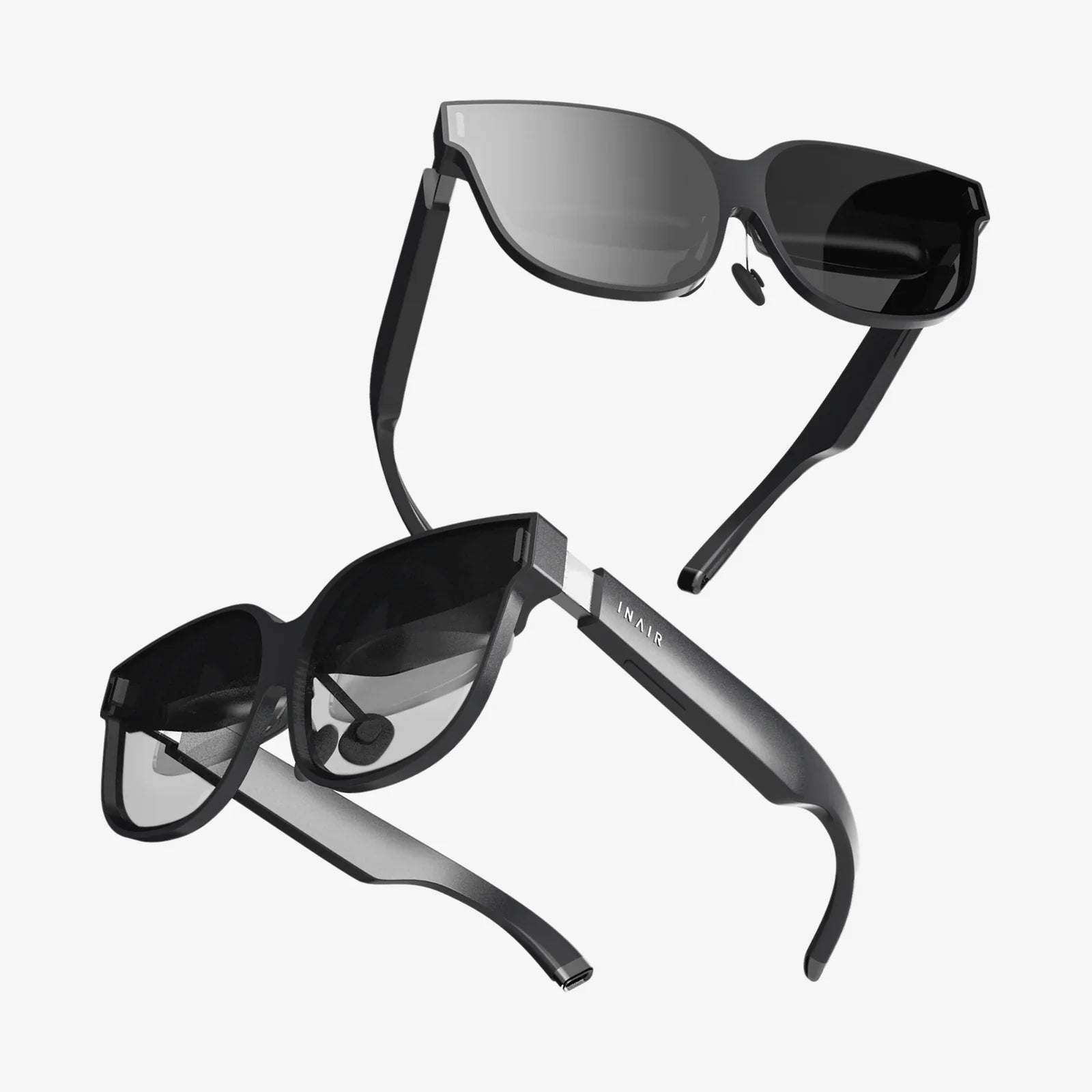
At their core, virtue smart glasses are wearable devices that look similar to regular glasses but incorporate miniature displays and electronics. They are designed to project or overlay digital content into your line of sight, often using transparent lenses or small projectors near the edge of the frame. Many models integrate:
Unlike traditional screens, virtue smart glasses are built around the idea of ambient computing. Instead of demanding your full attention in a single rectangle, they deliver small, context-aware snippets of information precisely when needed. This subtlety is what makes them powerful—and what differentiates them from earlier, more obtrusive wearable technologies.
To understand the potential of virtue smart glasses, it helps to look at the underlying technologies that make them possible. Several key components work together to create a seamless experience:
In practice, this means that when you glance at a street corner, your glasses can recognize your location, pull map data from your phone, and overlay an arrow pointing toward your destination. Or when a call comes in, a subtle notification appears near the edge of your vision, which you can accept or dismiss with a voice command or small gesture. The goal is to keep interactions simple, quick, and non-disruptive.
While the technology is impressive, the real impact of virtue smart glasses lies in how they change everyday life. Their value emerges not from flashy features but from small conveniences that add up over time.
One of the most obvious benefits is the ability to access information without pulling out a phone or opening a laptop. With virtue smart glasses, you can:
This hands-free access reduces friction in daily tasks. You stay more present in conversations and environments because you are not constantly shifting your attention to a separate device.
Virtue smart glasses are particularly powerful in professional settings. Workers in fields such as logistics, manufacturing, healthcare, and field services can benefit from:
By eliminating the need to switch between tools and screens, virtue smart glasses can reduce errors, improve training, and speed up complex tasks.
For health-conscious users, virtue smart glasses can serve as discreet wellness companions. They can:
Because the glasses are always within your field of view, these prompts feel more integrated and less like interruptions. Over time, they can help build healthier habits without requiring constant manual tracking.
Virtue smart glasses also offer new ways to experience entertainment and media. Instead of being confined to a physical screen, content can appear as floating windows or overlays in your environment. This can enable:
These experiences blur the line between passive consumption and active participation, making media feel more engaging and context-aware.
As virtue smart glasses grow more popular, the range of available models and capabilities is expanding. When evaluating options, several features can significantly influence your experience.
The display is the heart of any smart glasses experience. Important considerations include:
Comfort also matters. Lightweight frames, balanced weight distribution, and support for prescription lenses can make the difference between occasional novelty use and all-day wear.
How you control virtue smart glasses is just as important as what they display. Common interaction methods include:
The best systems offer a combination of these methods, allowing you to choose what feels most natural in different contexts. For example, voice commands might be ideal at home, while subtle touch gestures are better in quiet public spaces.
Battery life is a practical constraint for any wearable device. With virtue smart glasses, you should consider:
Balancing performance and endurance is crucial. Overly aggressive power saving can make the experience sluggish, while short battery life undermines the promise of all-day assistance.
Because virtue smart glasses can capture audio, video, and location data, robust privacy and security features are essential. Look for:
Responsible design helps protect both the wearer and those around them, making the technology easier to accept in social and professional settings.
Beyond general benefits, virtue smart glasses shine in specific real-world scenarios. These use cases illustrate how they can shift from novelty to necessity.
For travelers and commuters, virtue smart glasses can make getting around more intuitive. Instead of staring at a map app, you can see:
This not only reduces the cognitive load of navigating unfamiliar places but also helps you stay more aware of your surroundings, improving safety and confidence.
In collaborative environments, virtue smart glasses can connect on-site workers with remote experts. A technician, for example, can share their field of view with a specialist who annotates the scene in real time, highlighting components or steps. This kind of remote support can:
By turning the glasses into a shared visual workspace, organizations can bridge the gap between physical and digital collaboration.
Virtue smart glasses offer powerful tools for education at every level. Students and trainees can benefit from:
Because the information appears directly in context, learners can connect theory with practice more quickly. This context-aware learning can shorten training times and improve retention.
For people with disabilities or specific accessibility needs, virtue smart glasses can serve as powerful assistive devices. Potential applications include:
These capabilities can help promote independence and inclusion, turning smart glasses into more than just convenience tools—they become essential companions.
Despite their promise, virtue smart glasses also raise important questions and challenges that must be addressed for widespread adoption.
Wearing cameras and displays on your face can understandably make others uneasy. People may worry about being recorded without consent or feel uncomfortable interacting with someone whose attention might be divided. Developing norms and etiquette around smart glasses use is crucial. This includes:
As with smartphones, society will adapt over time, but thoughtful design and behavior can ease the transition.
One risk of always-available information is the temptation to overload users with notifications and overlays. Poorly designed experiences can become distracting or even dangerous, especially in situations like driving or operating machinery. To prevent this, virtue smart glasses should prioritize:
When used thoughtfully, the glasses can actually reduce distraction by eliminating the need to constantly check a phone. The key is restraint and intelligent filtering.
With sensors that can capture your surroundings, location, and interactions, virtue smart glasses naturally raise privacy concerns. Questions arise such as:
Addressing these concerns requires strong security practices, transparent policies, and giving users meaningful control over their information. Without this foundation, trust in the technology will be fragile.
For many people, eyewear is both a functional tool and a fashion statement. Virtue smart glasses must balance technological capability with aesthetics and comfort. Bulky frames, obvious electronics, or awkward designs can discourage everyday use. Progress in miniaturization and design will continue to make smart glasses more discreet and appealing, but it remains an ongoing challenge.
As hardware improves and software ecosystems mature, virtue smart glasses are likely to become more capable, more comfortable, and more deeply integrated into daily life. Several trends are shaping their future:
Over time, virtue smart glasses may evolve from optional accessories into fundamental interfaces, much like smartphones are today. They could become the primary way many people access digital services, with traditional screens playing a supporting role.
Not everyone needs virtue smart glasses right away, but certain users stand to benefit significantly from early adoption. You might be a good candidate if you:
Before committing, consider trying devices in real-world scenarios similar to your daily life. Focus less on flashy demos and more on how the glasses handle routine tasks: managing notifications, navigation, quick look-up of information, or guiding you through complex workflows.
As virtue smart glasses become more capable, it is important to maintain a healthy relationship with technology. This means using them to enhance life rather than dominate it. Helpful practices include:
By treating smart glasses as tools rather than crutches, you can harness their benefits while staying grounded in the real world.
Virtue smart glasses are quietly rewriting the rules of how we connect with information, each other, and our surroundings. They offer a vision of digital life that is less about staring at screens and more about enriching the moments we are already living. Whether you are drawn by the promise of seamless navigation, hands-free productivity, immersive entertainment, or accessible assistance, these glasses invite you to imagine what your days could look like when technology steps out of your hands and into your line of sight. Exploring them now could give you a front-row seat to a transformation in how we experience the world—one subtle overlay at a time.
Share:
AR Projection And The Future Of Immersive Digital Experiences
florida glass screen benefits, installation tips, and maintenance guide