


- von wangfred
vr life and the Future of Immersive Digital Living Explained
- von wangfred
vr life is no longer a distant sci-fi fantasy; it is quietly reshaping how people work, play, learn, and connect every single day. What was once a novelty for gamers has started to influence offices, classrooms, hospitals, and even how we think about our identities. If you have ever wondered whether you are late to this revolution, or how deeply it might change your daily routine, exploring vr life now could be one of the smartest moves you make for your future.
vr life refers to the growing portion of our existence that happens inside virtual reality environments. These are fully immersive spaces where you can look around in 360 degrees, interact with digital objects, and engage with other people represented as avatars. Unlike traditional screens, vr life surrounds your senses, making digital experiences feel more like physical reality.
In practice, vr life can mean:
What makes vr life different from traditional online life is immersion. You are not just looking at a screen; you feel present inside a digital environment, and that sense of presence changes how your brain processes the experience.
Remote work exploded in recent years, and vr life is taking it to a new level. Instead of staring at flat video calls, virtual reality can place you and your coworkers around a shared table, in a virtual office, or even inside a 3D model of a project you are building together.
Key ways vr life is reshaping work include:
Virtual offices allow teams from different countries to gather in a shared space that feels more natural than a grid of faces on a screen. You can walk up to a colleague, have a side conversation, draw on virtual whiteboards, or manipulate 3D prototypes in real time.
This can reduce travel costs, increase collaboration, and give remote employees a stronger sense of belonging. For freelancers and small businesses, vr life can offer professional environments without the cost of physical office space.
Training is one of the most powerful applications of vr life. Complex or risky tasks can be practiced safely in virtual environments until people are confident and skilled.
Examples of vr life in training include:
Because the brain often treats immersive experiences like real events, vr life can help people remember procedures better than traditional reading or video-based training.
As vr life expands, new roles are emerging, such as:
For professionals considering future-proof skills, understanding how vr life works and where it is heading can open doors to new and resilient career opportunities.
Entertainment was one of the first major drivers of vr life. Games, experiences, and interactive stories have shown what it feels like to step inside your favorite worlds instead of just watching them.
Traditional gaming involves controlling a character on a screen. In vr life, you become the character. You move your head to look around, use your hands to interact, and physically dodge, duck, or reach. That physicality makes gaming more intense and engaging.
Popular types of VR games and experiences include:
For many people, vr life gaming becomes a regular form of exercise and stress relief, blurring the line between entertainment and wellness.
One of the most exciting aspects of vr life is the ability to attend events that would be difficult or impossible in the physical world. Virtual concerts can place you right next to the stage, float you above the crowd, or surround you with visual effects that defy real-world physics.
Similarly, virtual theaters can host plays, comedy shows, and film screenings where the audience shares reactions in real time. Conferences and festivals can exist entirely in vr life, allowing attendees from around the world to network and explore exhibits without travel.
vr life is also changing how stories are told. Instead of passively watching a movie, you can walk through a narrative, interact with characters, and influence outcomes. This interactive storytelling can create powerful emotional experiences because you feel like a participant, not just an observer.
As tools become easier to use, more independent creators will build their own vr life stories, leading to a new wave of immersive art and narrative experiments.
One of the most surprising aspects of vr life is how real social connections can feel. Even though people appear as avatars, the combination of voice, body language, and shared spaces often creates a strong sense of presence and intimacy.
Virtual social platforms offer lounges, clubs, parks, and creative worlds where people can meet, talk, and explore together. You can join public events, attend meetups aligned with your interests, or host private gatherings with friends and family.
Common activities in vr life social spaces include:
For people who feel isolated, have mobility challenges, or live far from friends, vr life can offer an accessible way to maintain meaningful social contact.
Avatars in vr life can be realistic, stylized, or completely fantastical. This flexibility allows people to explore different aspects of their identity, experiment with appearance, and express themselves creatively.
Some users find it easier to be authentic in vr life than in physical settings. The ability to customize your avatar, choose your surroundings, and control how you present yourself can reduce social anxiety and encourage honest conversation.
Communities in vr life often form around shared interests: art, music, gaming, fitness, education, or specific topics. Over time, these communities can become tight-knit networks of support and collaboration.
People organize regular meetups, support groups, workshops, and collaborative projects entirely inside vr life. For many, these relationships are just as meaningful as offline friendships, and sometimes even more consistent and supportive.
Education is one of the most promising frontiers for vr life. Immersive learning taps into how the brain naturally understands the world: through spatial awareness, hands-on interaction, and multi-sensory experiences.
Virtual classrooms can place students and teachers in environments that match the subject matter. Instead of reading about history, learners can stand in a reconstruction of an ancient city. Instead of memorizing anatomy from diagrams, they can walk through a 3D human body.
Benefits of vr life in education include:
Beyond traditional classrooms, vr life supports vocational training and professional development. Learners can practice technical tasks, soft skills, and complex processes in realistic simulations.
Examples include:
Because these experiences can be repeated and adjusted, vr life allows for personalized learning paths that adapt to each person’s progress.
Any technology that deeply affects how we perceive reality will also influence our psychology. vr life is no exception, and understanding its mental and emotional effects is crucial for using it wisely.
When used thoughtfully, vr life can support mental well-being. Potential benefits include:
Some therapeutic applications of vr life are already being used in clinical and wellness contexts, showing promising results for certain conditions.
At the same time, vr life carries risks if boundaries are not managed carefully. Potential challenges include:
Because vr life can feel so real, negative experiences may have a strong emotional impact. Clear guidelines, moderation tools, and personal boundaries are essential to protect mental health.
A healthy vr life is about balance. Virtual experiences can enrich your world, but they should not completely replace physical interaction, movement, and offline responsibilities.
Practical strategies for balance include:
Used mindfully, vr life can complement and enhance your physical life rather than competing with it.
One of the most surprising trends in vr life is the rise of virtual fitness. What started as a side effect of active games has turned into a serious workout option for many people.
Fitness-focused vr life experiences turn exercise into an engaging challenge. Instead of counting reps in a gym, you might be:
Because your focus is on the game or environment rather than the effort, you may work harder and longer without feeling as bored or fatigued.
To make vr life sustainable, physical safety must be considered. Users should:
Over time, hardware is becoming lighter and more comfortable, but listening to your body remains essential when integrating vr life into daily routines.
As more people spend time in virtual environments, economic activity follows. vr life is slowly developing its own forms of commerce, work, and value exchange.
Inside vr life, people buy and sell virtual items such as:
For creators, this opens up new revenue streams. Artists, designers, and developers can build assets and experiences that others are willing to pay for, turning vr life into a viable marketplace.
Businesses are also experimenting with virtual storefronts, showrooms, and offices. Customers can explore products in 3D, attend demonstrations, or consult with representatives in immersive settings.
Virtual coworking spaces enable freelancers, entrepreneurs, and small teams to share an environment, network with others, and access resources without renting a physical office. This can reduce costs and expand opportunities, especially for people in regions with fewer local options.
With any powerful technology, ethical questions quickly arise. vr life collects new kinds of data and creates new types of interactions, making privacy and safety central concerns.
VR systems can track head movements, hand positions, and sometimes even eye movements and facial expressions. Combined with voice data and interaction patterns, this creates detailed behavioral profiles.
Key questions include:
Ethical vr life development requires clear policies, strong security, and user control over personal information.
Because vr life feels so immersive, negative social interactions can be especially distressing. Harassment, bullying, and unwanted contact must be taken seriously.
Effective safety measures in vr life include:
Users also play a role by choosing respectful environments, reporting harmful behavior, and setting boundaries for their own interactions.
Ethical vr life design should consider accessibility, inclusivity, and fairness. That means:
A thoughtful approach to ethics will determine whether vr life becomes a positive extension of society or a repetition of its worst problems.
vr life is still in its early stages, but several trends suggest how it may evolve over the next decade.
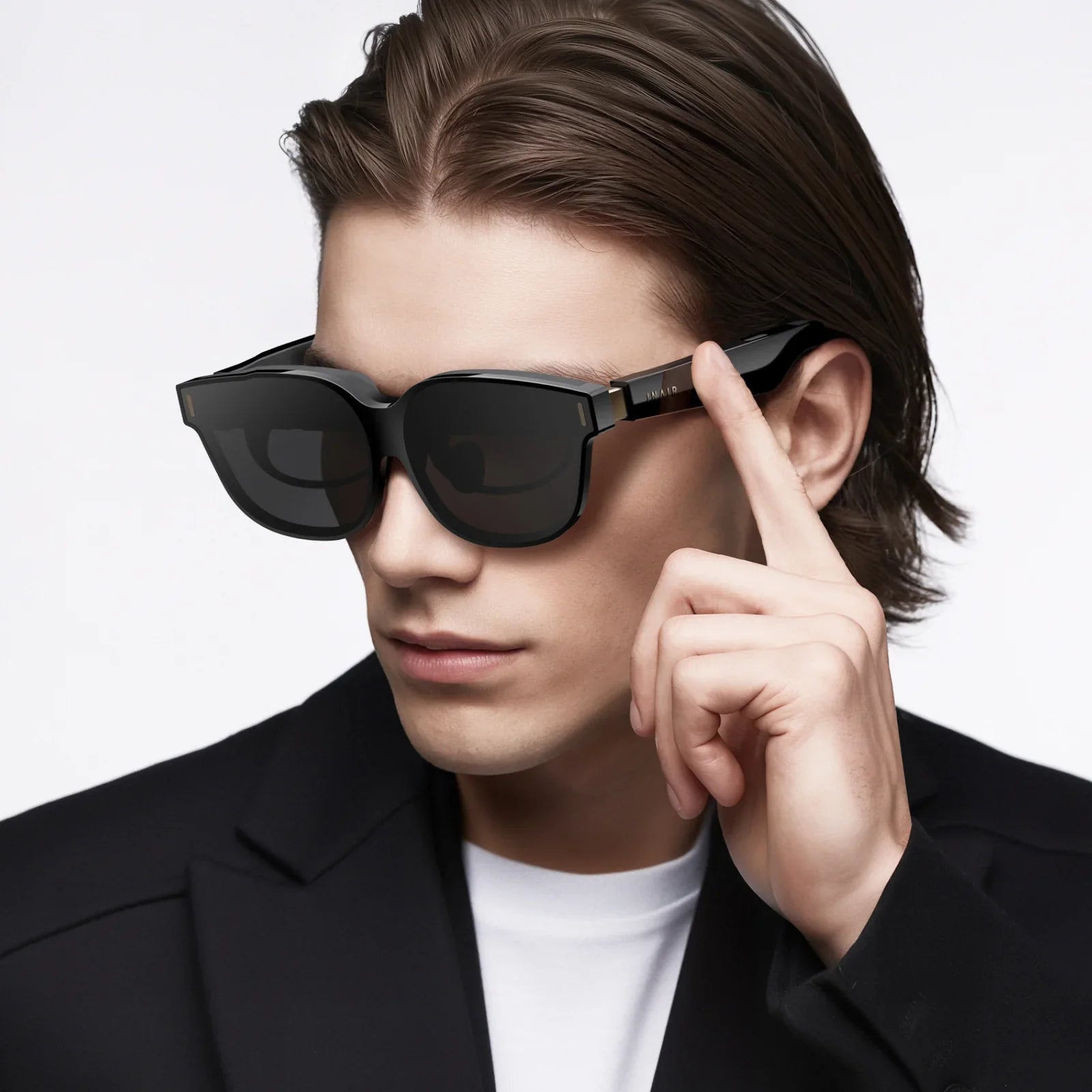
Hardware is steadily becoming smaller, lighter, and more affordable. Future devices are likely to resemble regular glasses more than bulky headsets, making vr life more comfortable for long sessions and more socially acceptable in public spaces.
vr life will increasingly overlap with augmented reality, which overlays digital content onto the physical world. Hybrid devices will let users switch between fully immersive vr life and semi-transparent overlays, depending on their needs.
This means you might attend a virtual meeting in your living room, see digital notes floating beside your real desk, or interact with 3D models while still aware of your surroundings.
Virtual environments will become more detailed, persistent, and interconnected. Instead of isolated apps, vr life may evolve into a network of shared spaces where your avatar, possessions, and social graph travel with you.
This persistent layer could function like a meta-layer of reality, where work, play, and social life coexist across many different worlds.
As more aspects of life gain virtual counterparts, vr life may touch nearly every domain:
The challenge will be to integrate these layers in ways that enhance human well-being rather than overwhelm it.
You do not need to be a tech expert to begin exploring vr life. A thoughtful, step-by-step approach can help you find meaningful uses without feeling lost or overwhelmed.
Before diving in, ask yourself what you want from vr life:
Knowing your goals will help you choose the right experiences and avoid wasting time on distractions that do not serve you.
Start small and expand as you grow comfortable. For example:
As you gain confidence, you can explore more complex worlds, events, and communities that align with your interests.
Because vr life is immersive, it is easy to lose track of time. Protect your well-being by:
These habits will help you enjoy vr life as a powerful tool instead of letting it dominate your day.
One of the most rewarding ways to engage with vr life is to create rather than only consume. You can:
By contributing to vr life, you help shape the culture, norms, and possibilities of this emerging world.
vr life is rapidly becoming one of the most influential forces in technology, culture, and everyday living. Whether you are seeking new career paths, deeper social connections, fresh ways to learn, or simply more engaging forms of entertainment and fitness, the doors of immersive digital reality are wide open. The people who take time now to understand and shape vr life will be the ones best positioned to thrive as the boundaries between physical and virtual worlds continue to blur. If you are ready to explore what your days could look like when reality itself becomes a canvas, vr life is waiting for you to step inside.