


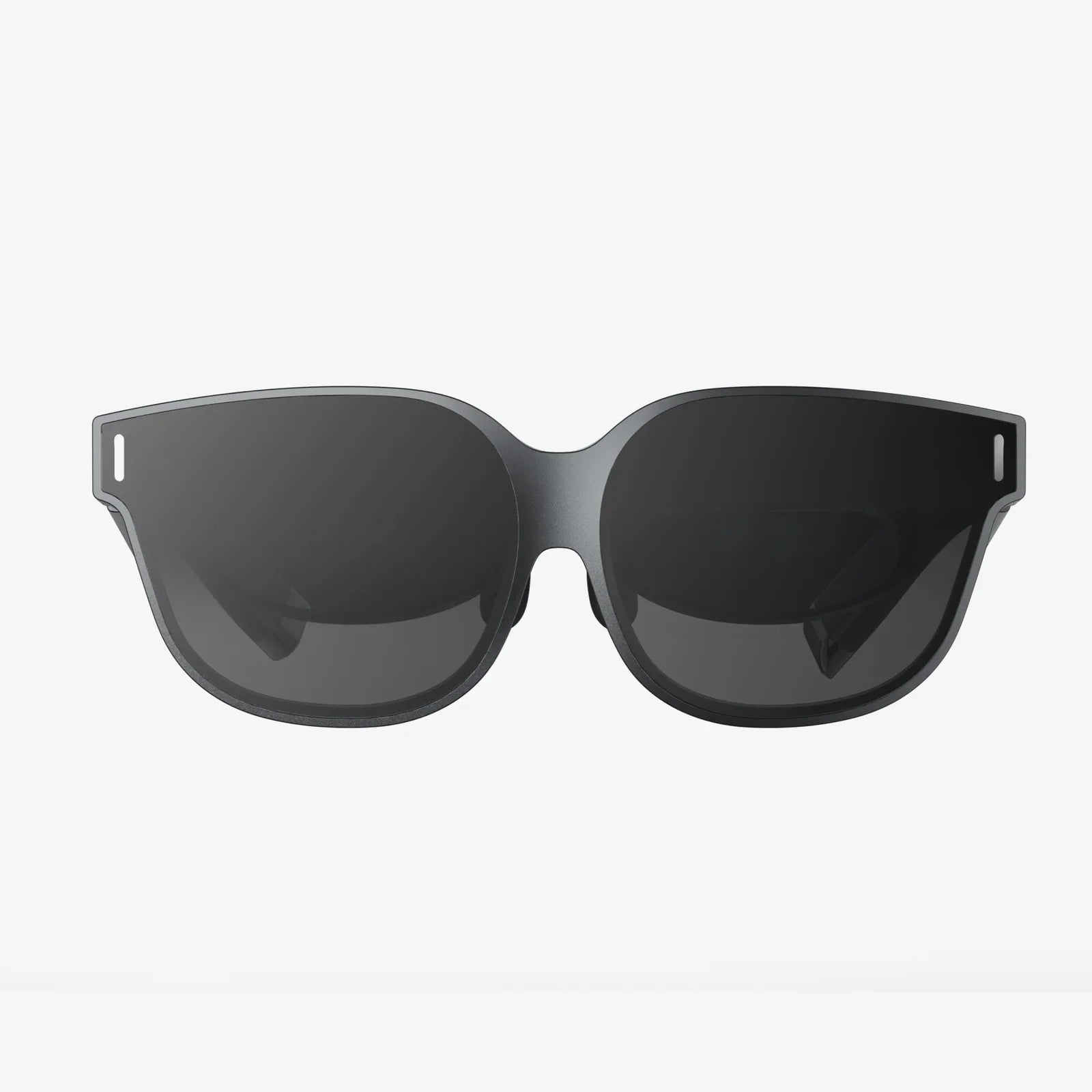
Imagine walking into a classroom where students are not just reading about ancient civilizations but standing in the middle of a bustling historical marketplace, hearing conversations, observing architecture, and interacting with artifacts as if they were truly there. This is not science fiction; it is the promise of VR technology in education, and it is already reshaping how learners of all ages engage with knowledge. As schools and universities search for ways to boost attention, motivation, and real-world skills, virtual reality is emerging as one of the most exciting and transformative tools in modern teaching.
What Is VR Technology in Education?
Virtual reality in education refers to the use of immersive, computer-generated environments that students can explore and interact with using headsets, controllers, or other devices. Unlike traditional screens, VR surrounds the learner with a 360-degree world, creating a powerful sense of presence. This presence makes abstract concepts tangible, distant locations accessible, and complex processes easier to understand.
In educational contexts, VR can be used for:
- Virtual field trips to historical sites, museums, outer space, or the deep ocean
- Simulations and role-play for science labs, medical training, business negotiations, or language practice
- Skill training in technical fields like engineering, construction, and aviation
- Concept visualization for subjects like physics, chemistry, and mathematics
- Creative exploration in art, design, and storytelling
Because VR can be tailored to different age groups and curricula, it is relevant in primary schools, secondary education, vocational training, and higher education. Its flexibility is one of the main reasons educators are paying close attention.
Why VR Technology in Education Is Gaining Momentum
Several trends are driving the rise of VR in classrooms and training centers:
- Greater accessibility: VR hardware and software have become more affordable and easier to use.
- Demand for engagement: Educators are searching for ways to capture attention in a world full of digital distractions.
- Focus on skills: Employers and institutions value practical, hands-on experience that VR can simulate safely and efficiently.
- Remote and hybrid learning: VR offers immersive experiences even when learners are not physically present in a classroom.
These forces combine to make VR technology in education more than a passing trend. It is becoming part of a broader shift toward experiential, learner-centered education.
Key Benefits of VR Technology in Education
1. Immersive Learning and Deep Engagement
One of the most powerful advantages of VR is its ability to fully immerse students in a learning environment. When learners put on a headset, distractions from the physical world fade away, and their attention is drawn into the virtual experience.
This immersion can lead to:
- Higher engagement: Students are more likely to participate actively when they feel part of the environment.
- Enhanced focus: The all-encompassing nature of VR reduces external interruptions and competing stimuli.
- Emotional connection: Being “inside” a scenario can evoke stronger emotional responses, which help with memory and understanding.
For example, instead of passively watching a video about climate change, students can stand on a melting glacier or witness the impact of rising sea levels on coastal communities. This emotional and sensory connection can turn abstract data into meaningful, memorable experiences.
2. Experiential and Hands-On Learning
Many students learn best by doing, not just by listening or reading. VR technology in education supports experiential learning by allowing students to manipulate objects, conduct experiments, and practice skills in a safe, controlled environment.
Examples include:
- Virtual science laboratories where students mix chemicals, observe reactions, and repeat experiments without safety risks or material costs.
- Engineering and technical training where learners assemble components, operate machinery, or troubleshoot systems without damaging real equipment.
- Medical and healthcare simulations that let students practice procedures, diagnose virtual patients, and refine decision-making.
This hands-on practice accelerates skill acquisition and builds confidence. Mistakes become learning opportunities rather than costly or dangerous incidents.
3. Safe Simulation of Risky or Hard-to-Reach Scenarios
Some learning experiences are too dangerous, expensive, or logistically complex to provide in real life. VR solves this by simulating scenarios that would otherwise be impossible or impractical.
With VR, learners can:
- Explore natural disasters, conflict zones, or extreme environments without physical risk.
- Practice emergency response, crisis management, or safety procedures in realistic conditions.
- Visit remote locations, from deep-sea ecosystems to outer space, that would be unreachable in a traditional field trip.
These simulations help learners prepare for real-world challenges, building both technical skills and situational awareness.
4. Personalized and Adaptive Learning Paths
VR platforms can track student behavior and performance in detail, from where they look to how they interact with objects. This data can be used to customize learning experiences.
Potential personalization features include:
- Adaptive difficulty, where tasks become easier or harder depending on student performance.
- Individual pacing, allowing learners to move quickly through familiar material and spend more time on challenging concepts.
- Targeted feedback based on specific actions, such as correcting a procedural mistake or highlighting missed observations.
By tailoring experiences to individual needs, VR technology in education supports diverse learners and can help close gaps in understanding.
5. Enhancing Collaboration and Social Learning
Contrary to the idea that VR isolates users, many educational VR environments are designed for collaboration. Students can enter a shared virtual space, represented by avatars, and work together on tasks, projects, or simulations.
Collaborative VR learning can include:
- Group problem-solving activities where learners manipulate shared objects or data.
- Role-playing exercises where participants take on different perspectives in a scenario.
- Global classrooms where students from different countries interact in a shared virtual environment.
This social dimension supports communication skills, teamwork, and cultural understanding, making VR a powerful tool for developing both academic and interpersonal competencies.
How VR Technology in Education Supports Different Subjects
STEM: Science, Technology, Engineering, and Mathematics
VR is particularly well-suited to STEM subjects, where abstract concepts and complex systems benefit from visualization.
In science classes, students can:
- Walk through the human body to observe organs and systems in 3D.
- Explore molecular structures and chemical reactions at the atomic level.
- Simulate astronomical phenomena, such as planetary orbits or black holes.
In mathematics, VR can help learners:
- Visualize geometric shapes and transformations in three dimensions.
- Interact with graphs, functions, and data in immersive environments.
- Connect mathematical concepts to real-world applications through simulations.
Engineering and technology students can benefit from virtual prototypes, interactive models, and simulated testing environments that mirror real-world conditions.
History, Geography, and Social Studies
VR technology in education can bring history and geography to life by transporting students to different times and places.
Examples include:
- Walking through historical cities, battlefields, or monuments reconstructed in detail.
- Experiencing daily life in past civilizations through immersive storytelling.
- Exploring landscapes, ecosystems, and cultural sites around the globe.
These experiences help students understand context, culture, and perspective. Instead of memorizing dates and locations, they gain a deeper sense of how people lived, what they believed, and how geography shaped societies.
Languages and Communication Skills
Language learning thrives on immersion and interaction, both of which VR can provide.
In a virtual environment, learners can:
- Practice conversations in realistic settings such as markets, airports, or cafes.
- Engage with characters who respond to their speech and actions.
- Receive immediate feedback on pronunciation, vocabulary, and grammar.
VR also supports communication skills more broadly, including public speaking, negotiation, and conflict resolution, by placing students in simulated social situations where they must adapt and respond.
Arts, Design, and Creativity
Creative disciplines benefit from VR’s ability to free learners from physical limitations.
Students can:
- Paint and sculpt in three-dimensional virtual spaces without material constraints.
- Design virtual architecture, products, or environments and explore them at full scale.
- Experiment with lighting, sound, and movement in immersive storytelling projects.
These opportunities encourage experimentation and innovation, allowing learners to iterate quickly and explore ideas that would be difficult or impossible to realize in the physical world.
Implementing VR Technology in Education: Practical Considerations
Hardware and Infrastructure Requirements
Before adopting VR, institutions need to consider the technical foundation.
Key aspects include:
- Headsets and controllers: Devices must be comfortable, durable, and appropriate for the age group.
- Computers or standalone systems: Some headsets require powerful computers, while others operate independently.
- Network capacity: Reliable, high-speed connectivity is important for downloading content and supporting multi-user experiences.
- Physical space: Classrooms need safe, open areas where students can move without obstacles.
Planning ahead helps avoid frustration and ensures that VR sessions run smoothly.
Content Selection and Curriculum Integration
VR experiences are only as valuable as the content and pedagogy behind them. Educators should align VR activities with clear learning objectives.
Effective content selection involves:
- Choosing experiences that directly support curriculum standards and desired outcomes.
- Ensuring that content is age-appropriate and culturally sensitive.
- Balancing visual engagement with substantive educational value.
Integration into lessons is crucial. VR should not be an isolated novelty but part of a structured learning sequence that includes preparation, guided exploration, and post-experience reflection or assessment.
Teacher Training and Support
Teachers are central to the success of VR technology in education. They need both technical skills and pedagogical strategies to use VR effectively.
Support can include:
- Professional development sessions on operating devices and managing VR classrooms.
- Workshops on designing VR-enhanced lessons and activities.
- Technical assistance for setup, troubleshooting, and maintenance.
When teachers feel confident and supported, they are more likely to experiment, adapt, and fully leverage VR’s potential.
Health, Safety, and Ethical Considerations
Responsible use of VR in education requires attention to health and ethics.
Important considerations include:
- Session duration: Limiting continuous use to avoid eye strain, fatigue, or motion sickness.
- Age guidelines: Following recommendations for younger learners and monitoring their comfort.
- Content sensitivity: Avoiding overly intense or disturbing experiences, especially for vulnerable students.
- Data privacy: Protecting student information collected by VR platforms and ensuring compliance with regulations.
Clear policies and informed consent help create a safe, supportive environment for VR learning.
Challenges and Limitations of VR Technology in Education
Cost and Resource Inequality
Despite decreasing prices, VR hardware and content can still be expensive, especially for schools with limited budgets. This raises concerns about unequal access to advanced learning tools.
Possible strategies to address this include:
- Starting with small pilot programs to demonstrate value and attract funding.
- Sharing resources across schools or districts through mobile VR labs.
- Using a mix of high-end and more affordable devices to reach more students.
Equity should be a guiding principle so that VR does not widen existing educational gaps.
Technical Issues and Reliability
Technical problems can quickly disrupt a lesson. Issues such as connectivity failures, software glitches, or hardware malfunctions can frustrate both teachers and students.
To minimize disruptions, institutions can:
- Schedule regular maintenance and updates.
- Keep backup devices or alternative activities ready.
- Provide basic troubleshooting training for staff.
Reliable infrastructure and support are essential for integrating VR into everyday teaching.
Risk of Overreliance on Technology
While VR is powerful, it should not replace all traditional teaching methods. Overreliance on immersive technology can reduce opportunities for offline collaboration, reading, writing, and hands-on activities with real materials.
Balanced use involves:
- Using VR when it clearly adds value beyond what other methods can provide.
- Combining virtual experiences with discussions, projects, and physical experiments.
- Encouraging critical thinking about digital media and simulations.
VR should be one tool in a diverse teaching toolkit, not the only one.
Motion Sickness and Physical Discomfort
Some users experience motion sickness or discomfort in VR environments, especially when movement in the virtual world does not match physical movement.
Mitigation strategies include:
- Choosing experiences designed with comfort in mind, using teleportation or gentle movement.
- Allowing students to take breaks and opt out if they feel unwell.
- Gradually increasing session length as learners adapt.
Listening to student feedback and adjusting accordingly helps maintain a positive experience.
Best Practices for Using VR Technology in Education
Start with Clear Learning Objectives
Every VR activity should begin with a clear understanding of what students are expected to learn. Objectives guide the selection of experiences and shape how teachers frame and debrief the session.
For example, a virtual field trip to a rainforest might aim to help students identify key species, understand ecosystem dynamics, or examine human impact on biodiversity. Knowing the goal helps students focus on relevant details rather than getting lost in novelty.
Prepare Students Before Entering VR
Orientation is crucial. Before putting on headsets, students should know:
- What they will see and do in the virtual environment.
- How to use controls and interact safely.
- What tasks or questions they should keep in mind while exploring.
Providing worksheets, guiding questions, or checklists can help structure their attention and ensure that learning remains central.
Facilitate Reflection and Discussion Afterward
Learning is reinforced when students reflect on their experiences. After a VR session, teachers can:
- Lead discussions where students share observations, insights, and questions.
- Assign written reflections, reports, or creative projects based on the experience.
- Connect the virtual experience back to textbook content, lectures, or real-world issues.
This reflection turns immersive moments into lasting understanding and helps students integrate new knowledge into their existing mental frameworks.
Encourage Student Agency and Exploration
VR environments often allow for open-ended exploration. Giving students some control over where they go and what they investigate can foster curiosity and ownership of learning.
Teachers can support agency by:
- Setting broad goals while allowing individual paths to reach them.
- Inviting students to pose their own questions and pursue answers in VR.
- Allowing learners to revisit experiences to deepen understanding or explore new angles.
When students feel like active explorers rather than passive viewers, engagement and motivation rise.
The Future of VR Technology in Education
Integration with Augmented Reality and Mixed Reality
VR is part of a broader family of immersive technologies that also includes augmented reality (AR) and mixed reality (MR). While VR fully immerses users in a virtual world, AR overlays digital information on the real world, and MR blends physical and virtual elements interactively.
In the future, classrooms may use a combination of these technologies, allowing students to:
- Switch between fully virtual environments and enhanced real-world views.
- Collaborate with peers who are in VR, AR, or physical spaces simultaneously.
- Access context-aware information and simulations aligned with physical objects.
This convergence will create even richer learning ecosystems where digital and physical experiences reinforce each other.
AI-Driven Personalization and Intelligent Tutoring
As VR platforms incorporate artificial intelligence, they will be able to offer more advanced personalization and support.
AI could enable:
- Virtual tutors that respond to student questions and adapt explanations in real time.
- Dynamic scenarios that change based on learner decisions and performance.
- Detailed analytics that help teachers identify strengths, weaknesses, and engagement patterns.
This combination of VR and AI has the potential to create highly responsive learning environments where each student receives individualized guidance within shared experiences.
Global Classrooms and Cross-Cultural Experiences
VR technology in education can erase geographic boundaries. As connectivity improves, more students will be able to join shared virtual classrooms with peers from around the world.
These global experiences can:
- Expose learners to diverse perspectives and cultures firsthand.
- Support collaborative projects on global challenges such as climate change or public health.
- Build empathy and understanding through shared immersive narratives.
By connecting learners globally, VR can help cultivate the skills and mindsets needed in an interconnected world.
Expanding Access Through Lower-Cost Solutions
As hardware becomes more affordable and software more optimized, VR will likely reach more schools, including those with limited resources. Cloud-based platforms, mobile VR, and shared device models can help reduce costs per student.
Open educational resources and community-developed content may also play a role, allowing educators to create and share experiences tailored to local curricula and languages without high licensing fees.
Why Now Is the Moment to Explore VR Technology in Education
Classrooms are changing rapidly, and students are growing up in a world saturated with digital media. Simply adding more screens or online worksheets is not enough to keep them engaged or prepare them for complex, real-world challenges. Immersive technologies offer a way to move beyond passive consumption toward active, experiential learning that feels meaningful and relevant.
VR technology in education is not a magic solution, and it comes with real challenges. Yet the potential rewards are hard to ignore: deeper understanding, stronger motivation, safer practice of high-stakes skills, and new opportunities for global collaboration. Institutions that begin exploring VR now can shape how it is used, develop best practices, and prepare their students for a future where immersive experiences are part of everyday life.
If you want your learners to not just read about the world but step inside it, if you want them to experiment, explore, and collaborate in ways that traditional classrooms cannot easily offer, then VR is no longer an optional curiosity. It is a powerful, evolving medium that can transform education from the inside out, one immersive lesson at a time.
Aktie:
one touch verio flex control solution guide for accurate glucose testing
gaming glass mouse pad advantages, setup tips, and buying guide