


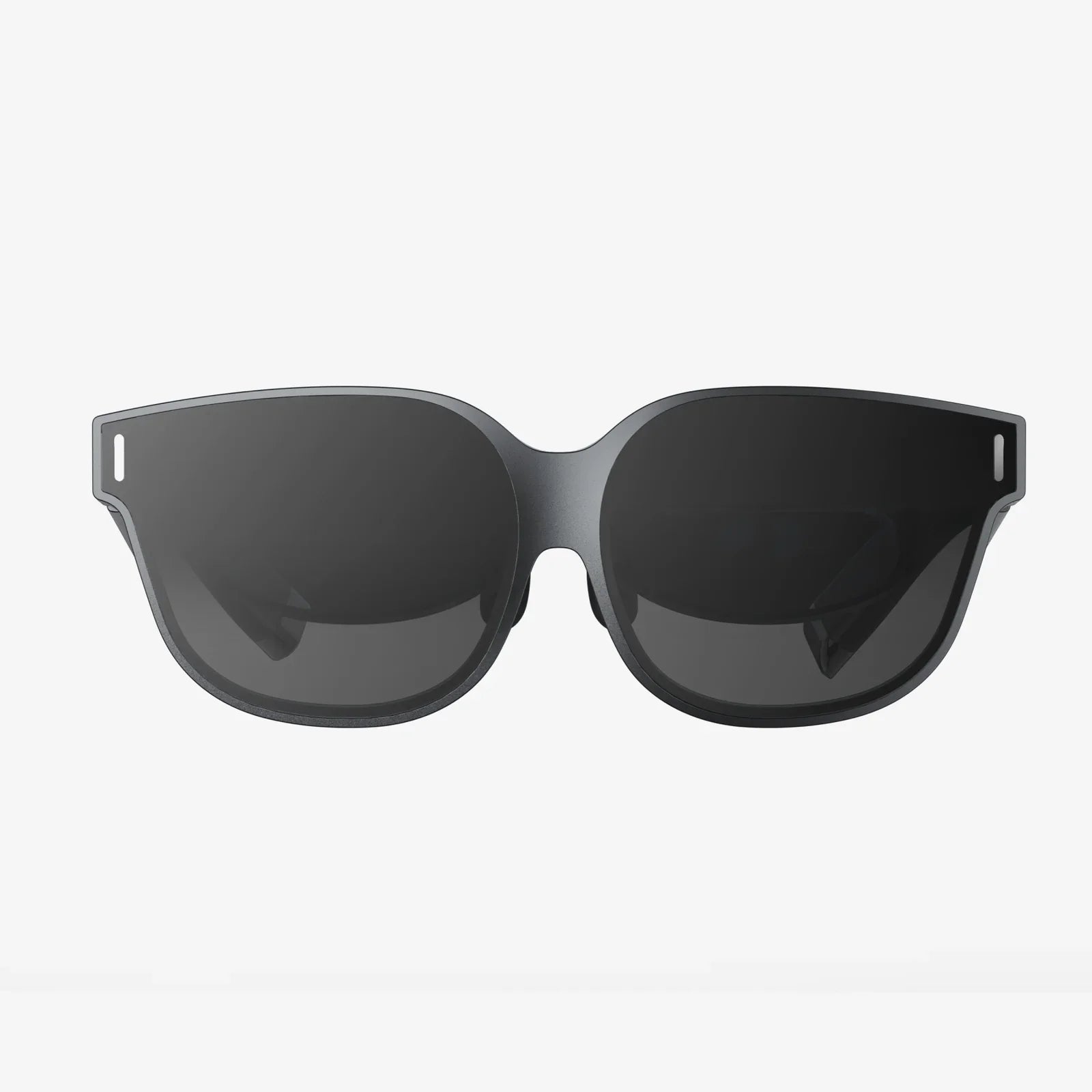
what customers buy ar glasses is no longer a futuristic question reserved for tech enthusiasts; it is a real-world puzzle that retailers, developers, and everyday buyers are trying to solve right now. As augmented reality moves from science fiction into daily life, people are asking themselves a simple but powerful question: are AR glasses finally worth buying, and if so, why? Understanding the motivations behind these purchases can help you make smarter decisions, avoid costly mistakes, and spot opportunities that others are missing.
Behind every purchase of AR glasses lies a mix of curiosity, practicality, status, and genuine problem-solving. Some buyers want to boost productivity, others want more immersive entertainment, and many simply do not want to miss the next big wave in personal technology. By unpacking how people think and feel before they click “buy,” you can better understand whether AR glasses fit your life, your work, and your budget.
How AR Glasses Fit into Everyday Life
To understand what customers buy AR glasses for, it helps to look at how they imagine using them each day. Most buyers are not looking for a toy they will use for a week and then abandon. They want a tool that blends into their routine, solves real problems, and feels natural to wear.
Many early adopters picture AR glasses as a hands-free extension of their smartphones or computers. Instead of constantly pulling a phone out of a pocket, they imagine glancing at floating information in their field of view. Navigation directions, messages, and reminders appear like subtle overlays on the real world, letting them stay present while still connected.
Others see AR glasses as a way to reimagine entertainment and learning. Watching videos on a virtual large screen, interacting with 3D educational content, or playing location-based games that merge digital characters with physical streets all appeal to people who want more immersive experiences without being fully cut off from reality.
In short, customers buy AR glasses when they believe these devices will become part of their daily habits, not just an occasional gadget. The more clearly they can visualize useful scenarios, the more likely they are to follow through with a purchase.
The Core Motivations Behind Buying AR Glasses
People rarely buy emerging technology for just one reason. With AR glasses, motivations tend to cluster into a few powerful themes.
Desire for Hands-Free Convenience
One of the biggest reasons customers buy AR glasses is the promise of hands-free access to information. Imagine cooking while following a recipe that hovers in front of you, repairing a bike while step-by-step instructions float beside each part, or walking through a new city while navigation arrows appear directly on the streets.
This convenience is especially attractive to people who feel overloaded by screens. They want to stay informed without constantly staring down at a phone. AR glasses offer the idea of a more natural relationship with technology: glance when needed, ignore when not.
Boosting Productivity and Performance
Another strong motivation is productivity. Customers who work in fields that require multitasking, quick decisions, or complex visual information often see AR glasses as a way to enhance performance.
- Professionals who need to reference documents or diagrams while using both hands.
- Remote workers who want virtual screens without setting up multiple physical monitors.
- Field technicians who benefit from real-time overlays showing measurements, part numbers, or warnings.
These buyers are not just chasing novelty; they are looking for measurable gains in efficiency, accuracy, or speed. When they believe AR glasses can help them do more in less time, the purchase starts to feel like an investment rather than an expense.
Curiosity and Early-Adopter Status
There is also a strong psychological pull around being first. Some customers buy AR glasses because they want to be ahead of the curve, to experience what is coming before it becomes mainstream. They enjoy experimenting, testing limits, and sharing discoveries with friends and colleagues.
This early-adopter mindset is powerful in the AR space. These buyers are often willing to tolerate imperfections, limited apps, or higher prices in exchange for the thrill of exploring new technology. Their feedback and enthusiasm can shape how products evolve and how the broader public perceives AR glasses.
Immersive Entertainment and Gaming
For many people, entertainment is the primary driver. They buy AR glasses to experience games, videos, and interactive content in a more immersive way than a phone or TV can provide. Instead of isolating themselves in a fully virtual world, they want digital elements layered onto their surroundings.
Examples include:
- Location-based games that place digital objects or characters in real spaces.
- Interactive stories that unfold around the user as they move through a room.
- Sports or fitness experiences that overlay performance metrics in real time.
This group is especially sensitive to content quality. Even powerful hardware feels pointless if there are not enough compelling experiences to justify wearing the glasses regularly.
Social Image and Future-Proofing
Some customers buy AR glasses to signal something about themselves: that they are tech-savvy, forward-thinking, or part of a certain community. Just as early smartphones and wireless earbuds once served as subtle status markers, AR glasses can play a similar role for certain people.
Alongside this, future-proofing is a common theme. Buyers worry that waiting too long means missing out on learning curves, career advantages, or long-term savings. They would rather start adapting now, even if the technology is not perfect, so they are ready when AR becomes more widely adopted.
Key Features Customers Look For in AR Glasses
Motivations explain why people want AR glasses, but features determine which model they actually buy. When comparing devices, customers tend to focus on a few core dimensions that strongly influence their final decision.
Comfort, Size, and Design
Comfort is often the first deal-breaker. No matter how advanced the technology, people will not wear AR glasses if they feel heavy, awkward, or embarrassing. Customers pay close attention to:
- Weight and balance on the nose and ears.
- Frame shape and how it fits different face sizes.
- Whether the design blends in with regular eyewear or looks obviously high-tech.
Buyers who plan to wear AR glasses in public often prefer subtle designs that do not draw too much attention. Those using them mainly at home may tolerate bulkier frames if they offer better performance.
Display Quality and Field of View
The visual experience is at the heart of what customers buy AR glasses for. People want clear, bright overlays that are easy to read and do not strain the eyes. Several elements matter here:
- Resolution: how sharp text and graphics appear.
- Brightness: whether the display is visible outdoors or in bright rooms.
- Field of view: how large the augmented area feels within the user’s vision.
A narrow field of view can make digital content feel like a small floating window rather than a natural part of the environment. Customers who want immersive experiences usually prioritize wider fields of view, even if it means higher cost or slightly bulkier hardware.
Battery Life and Performance
Battery life has a direct impact on how often AR glasses are used. If the device only lasts an hour or two, it becomes a special-occasion gadget rather than a daily companion. Customers compare:
- Typical usage time on a single charge.
- Charging speed and convenience.
- How performance changes as the battery drains.
They also care about responsiveness. Lag, stuttering, or slow loading can quickly destroy the illusion of augmented reality. Smooth tracking, fast gesture recognition, and reliable connectivity are all vital to a satisfying experience.
Interaction Methods and Ease of Use
How users control their AR glasses plays a huge role in satisfaction. Customers often prefer interaction methods that feel natural and do not require constant learning or awkward movements. Common options include:
- Voice commands for quick actions.
- Touch controls on the frame or a companion device.
- Gesture recognition for selecting, dragging, or resizing virtual objects.
New buyers tend to gravitate toward AR glasses that feel intuitive within the first few minutes. If the interface is confusing or the controls are unreliable, they may quickly regret the purchase.
App Ecosystem and Content Availability
No matter how advanced the hardware, customers buy AR glasses for what they can actually do with them. A rich ecosystem of apps, games, and tools often outweighs small differences in specifications. Buyers ask questions like:
- Are there productivity apps that integrate with their existing tools?
- Are there enough games or experiences to justify the price?
- Is new content being released regularly, or does the platform feel stagnant?
People are more likely to commit when they see an active developer community and a clear roadmap for future experiences.
Privacy, Security, and Social Acceptability
AR glasses raise unique questions about privacy and social norms. Customers worry about how cameras, microphones, and sensors might be used or misused. Common concerns include:
- Whether people around them will feel uncomfortable being recorded.
- How collected data is stored, processed, and protected.
- What control they have over permissions and access.
Some buyers avoid models that feel too intrusive or that do not clearly explain how they handle sensitive information. Others are cautious about wearing AR glasses in public spaces where recording may be restricted or frowned upon.
Different Types of Customers and Their Priorities
Not all buyers are the same. To understand what customers buy AR glasses for, it helps to look at distinct groups with different goals and expectations.
Tech Enthusiasts and Early Adopters
This group is driven by curiosity and passion for innovation. They tend to:
- Accept higher prices and early-stage limitations.
- Experiment with multiple apps and use cases.
- Share feedback in online communities and influence others.
They often prioritize cutting-edge features, wide fields of view, and developer-friendly platforms. For them, owning AR glasses is as much about exploration as it is about daily utility.
Professionals and Enterprise Users
Professionals who buy AR glasses focus on concrete benefits. They care about:
- Reliability and uptime.
- Integration with existing workflows and systems.
- Training, support, and long-term maintenance.
They may use AR glasses for remote collaboration, on-site guidance, training simulations, or visualizing complex data. For them, the purchase decision is often tied to measurable outcomes like reduced errors, faster training, or improved customer service.
Students, Educators, and Lifelong Learners
Another growing segment includes students and educators who see AR glasses as a way to make learning more engaging and interactive. They look for:
- Educational content that aligns with curricula or personal interests.
- Affordable devices or financing options.
- Tools for creating their own AR lessons or projects.
These buyers may use AR to explore virtual laboratories, historical reconstructions, language practice, or 3D models that bring abstract concepts to life.
Everyday Consumers and Casual Users
Casual buyers are the hardest to convince and the most critical for mass adoption. They are not interested in complex setups or niche features. They want:
- Simple, clear benefits like better navigation, notifications, or media viewing.
- Reasonable prices and easy setup.
- Comfortable, attractive designs they can wear without feeling self-conscious.
For these customers, AR glasses must compete not only with other AR devices but also with the convenience of just using a smartphone. Unless the glasses offer a noticeably better experience, they may not see a reason to switch.
Common Barriers That Stop Customers from Buying
Understanding why people do not buy AR glasses is just as important as knowing why they do. Several recurring barriers hold potential customers back.
High Prices and Uncertain Value
Cost is one of the biggest obstacles. Many AR glasses are priced above what the average consumer is willing to spend on a device that still feels experimental. Buyers ask themselves:
- Will I use this enough to justify the price?
- Will the technology become obsolete too quickly?
- Could I get similar benefits from cheaper devices I already own?
When the value is not clearly communicated or experienced firsthand, customers hesitate, waiting for prices to drop or for the next generation to arrive.
Concerns About Comfort and Long-Term Use
Even interested buyers worry about whether they will actually wear AR glasses for more than a few minutes at a time. Questions like these often come up:
- Will they cause headaches or eye strain?
- Will they fit over prescription lenses or require special inserts?
- Will they feel awkward to wear in public or at work?
If potential customers suspect the glasses will end up in a drawer after the initial novelty fades, they may decide not to buy at all.
Limited Content and Practical Use Cases
Another major barrier is the perception that there is not enough to do with AR glasses yet. People may be impressed by demos but struggle to imagine how the device will improve their everyday life. Without a clear set of compelling apps and experiences, even impressive hardware can feel empty.
Privacy, Safety, and Social Norms
Some customers are uneasy about wearing cameras and sensors on their faces. They worry about how others will react, whether they might be asked to remove the glasses in certain places, or whether they might accidentally record something they should not.
These concerns are not just technical; they are social and cultural. For AR glasses to become widely accepted, people must feel comfortable both wearing them and being around others who do.
How Customers Evaluate AR Glasses Before Buying
When deciding what customers buy AR glasses for and which model to choose, the evaluation process often follows a pattern.
Research and Recommendations
Most buyers start by searching online, watching videos, and reading reviews. They look for:
- Hands-on demonstrations that show real-life use, not just marketing claims.
- Comparisons between different models and price points.
- Feedback from users with similar needs or professions.
Recommendations from friends, colleagues, or trusted creators carry significant weight. If someone they respect has had a positive experience, they are more likely to consider buying.
Trying Before Buying
Because AR glasses are so personal, many customers want to try them on before committing. This might happen through:
- In-store demos.
- Events and exhibitions.
- Short-term rentals or trial programs.
These hands-on experiences can quickly turn curiosity into conviction—or reveal that the device does not feel as comfortable or useful as expected.
Balancing Trade-Offs
Few AR glasses excel in every category. Buyers usually have to balance trade-offs:
- Better display versus lighter weight.
- Longer battery life versus smaller size.
- More features versus easier setup and use.
Customers who know their priorities—such as comfort for all-day wear or high immersion for gaming—are better able to choose a device that fits their needs rather than chasing specifications that may not matter to them.
What Future Trends Mean for Buyers
The reasons why customers buy AR glasses today are already shaping how future models will evolve. As the technology matures, several trends are likely to make AR more appealing and accessible.
Lighter, More Stylish Designs
Manufacturers are working to make AR glasses look and feel more like ordinary eyewear. As components shrink and materials improve, customers can expect devices that are:
- Lighter and more comfortable for long-term use.
- Available in multiple styles to match personal taste.
- Less noticeable as specialized tech devices.
This shift alone can remove a major barrier for people who hesitate to wear obviously high-tech glasses in public.
Richer Content Ecosystems
As more developers and creators focus on AR, the range of available content will grow. Buyers will see:
- More specialized apps for different professions.
- Deeper, more polished entertainment experiences.
- Educational content that makes complex topics more accessible.
When customers can point to specific apps that they will use daily, the decision to buy becomes much easier.
Better Integration with Other Devices
Future AR glasses will likely work more seamlessly with phones, computers, and smart home devices. This means:
- Smoother sharing of notifications, files, and media.
- Consistent experiences across multiple screens.
- Less friction when switching between devices throughout the day.
Customers will be able to think of AR glasses as part of a connected ecosystem rather than a standalone gadget.
Clearer Privacy Standards and Social Norms
As AR glasses become more common, society will develop clearer expectations about when and how they should be used. This may include:
- Visual indicators when recording is active.
- Policies for wearing AR glasses in workplaces, schools, and public venues.
- Improved settings for controlling data collection and sharing.
These changes can help reassure customers who are currently hesitant due to privacy or social concerns.
How to Decide If AR Glasses Are Right for You
Knowing what customers buy AR glasses for is helpful, but the most important question is personal: do they make sense for your life and goals? A simple way to decide is to walk through a few key steps.
Identify Your Primary Use Cases
Start by listing specific things you want AR glasses to help you do. For example:
- Hands-free navigation and notifications during travel.
- Enhanced productivity with virtual screens and quick reference tools.
- Immersive games and interactive media at home.
- Learning new skills with guided overlays and tutorials.
The clearer your use cases, the easier it is to evaluate whether current devices can deliver what you need.
Set a Realistic Budget
Decide how much you are willing to invest, not just in the device but in the ecosystem around it. Consider:
- The cost of the glasses themselves.
- Potential accessories or prescription lens options.
- Paid apps or subscription services you might want.
If the total cost feels disproportionate to the benefits you expect, it may be wise to wait for prices to drop or for your needs to change.
Test Comfort and Experience Whenever Possible
If you have the opportunity, try AR glasses in person. Pay attention to:
- How they feel after several minutes of wear.
- Whether the display is easy on your eyes.
- How intuitive the controls and interface feel.
First impressions matter, but also imagine how you would feel using them regularly at home, at work, or in public.
Think About Longevity and Support
Ask yourself how long you expect to use the device and what kind of support you might need. Look for:
- Regular software updates and improvements.
- Clear documentation and customer support options.
- An active developer community creating new content.
These factors can significantly extend the useful life of your AR glasses and protect your investment.
The Real Reason AR Glasses Are Starting to Sell
Ultimately, what customers buy AR glasses for comes down to a simple idea: they want technology that feels less like a screen and more like a natural extension of how they already live, work, and play. The most satisfied buyers are not chasing hype; they are solving real problems and unlocking new experiences that were previously impossible or inconvenient.
If you are considering AR glasses, the most powerful step you can take is to look beyond the buzzwords and ask how they will change your daily routine. Picture yourself walking through your city, working at your desk, learning a new skill, or relaxing at home. When you can clearly see where AR glasses fit into those moments, you will know whether now is the right time to buy—or whether waiting for the next wave of innovation will serve you better.
As more people make that decision and share their stories, the answer to why customers buy AR glasses will keep evolving. The question is not just what the technology can do, but what you will choose to do with it once it is sitting on your nose and layering digital possibilities over the world you already know.
Aktie:
Advanced AI Technology Reshaping Work, Creativity, and Everyday Life
Digitale 3D-Filmbrillen: Der ultimative Leitfaden für moderne Kinomagie