


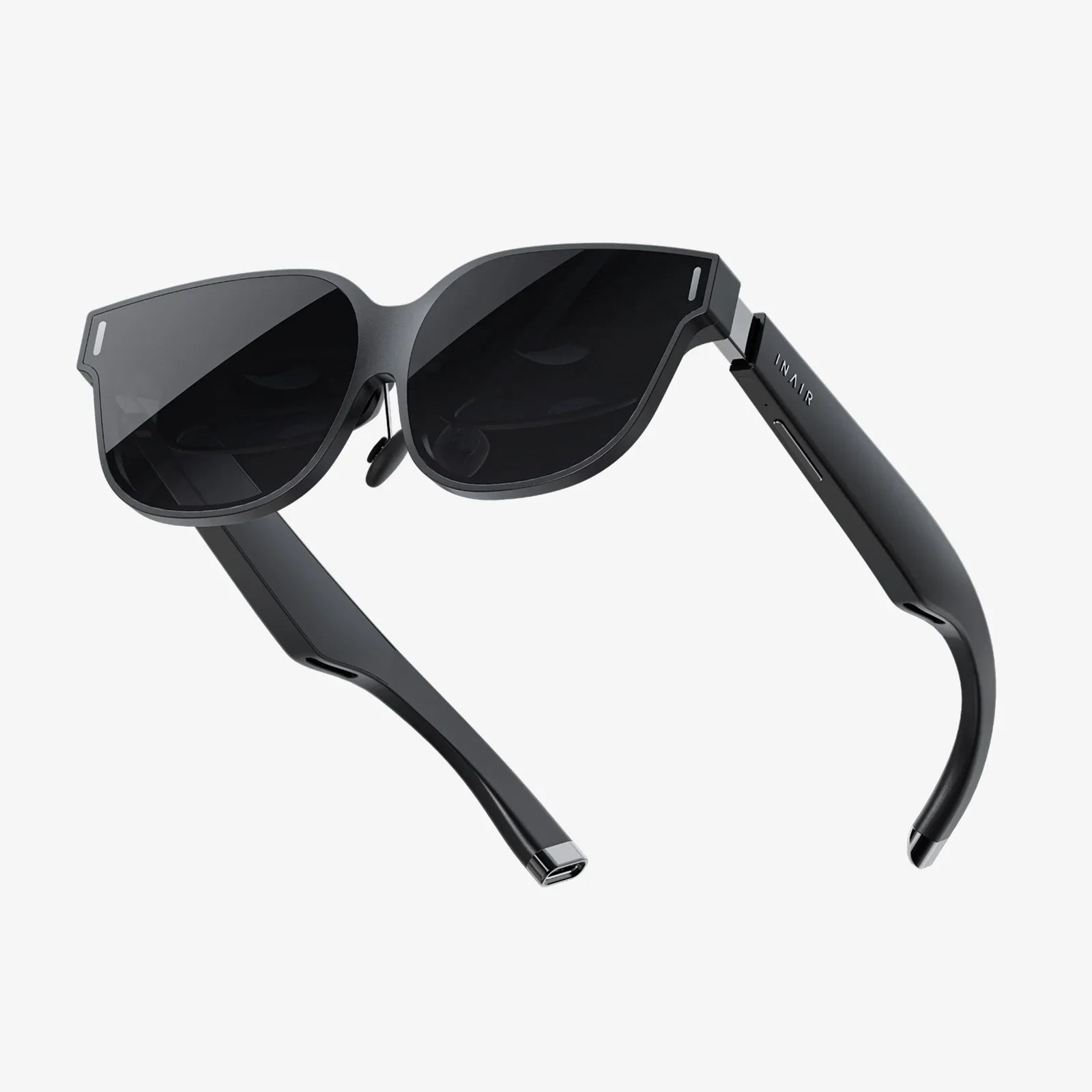
What does the future hold for virtual reality, and why are so many people convinced it will reshape almost every part of our lives? Imagine slipping on a lightweight headset and instantly stepping into a lifelike concert, a bustling virtual city, a collaborative workspace, or even a personalized dream world that responds to your thoughts and emotions. That is the direction virtual reality is heading, and the next decade will determine whether it becomes a niche technology or a central pillar of everyday life.
To understand where this technology is going, it helps to look beyond today’s bulky headsets and simple games. The real story lies in how virtual reality will merge with artificial intelligence, cloud computing, brain-computer interfaces, and a rapidly evolving digital culture. The result will not just be better graphics or more immersive entertainment, but entirely new ways to learn, work, socialize, and even perceive ourselves.
The Next Generation Of VR Hardware And Interfaces
The hardware at the core of virtual reality is undergoing a quiet revolution. The future of VR devices is not just about higher resolution or wider fields of view; it is about making the experience feel natural, effortless, and almost invisible.
Lighter, More Comfortable Headsets
One of the biggest barriers to widespread VR adoption is comfort. Many people experience fatigue, motion sickness, or simple annoyance after wearing a bulky headset for more than an hour. Future devices are expected to be:
- Much lighter: using advanced materials and compact optics to reduce weight.
- More breathable: with better ventilation and ergonomic designs that distribute pressure evenly.
- Highly adjustable: fitting a wide range of head shapes, hairstyles, and vision needs, including seamless integration with prescription lenses.
As these improvements arrive, the barrier between user and virtual world will shrink, making it easier to spend long stretches of time in fully immersive environments.
Inside-Out Tracking And Beyond
Current systems already use inside-out tracking, where cameras on the headset map the environment and track movement. Future tracking systems will go further by:
- Capturing full-body motion: without external sensors, allowing avatars to mirror subtle gestures and posture.
- Reading facial expressions: through inward-facing sensors, enabling avatars to show real-time emotions such as smiles, frowns, or raised eyebrows.
- Understanding context: recognizing objects and spaces around you to blend virtual content with physical surroundings more intelligently.
This level of tracking will make interactions inside VR feel more human and less robotic, which is crucial for social experiences, collaboration, and training.
Hand Tracking, Haptics, And Natural Interaction
In the future, controllers will not be the primary way to interact with virtual worlds. Instead, VR systems will rely increasingly on:
- Hand tracking: letting you grab, push, twist, and manipulate virtual objects with your bare hands.
- Advanced haptics: gloves, suits, or localized wearables that simulate pressure, texture, and resistance, making virtual objects feel solid.
- Voice and gesture commands: allowing you to navigate menus, summon tools, or communicate with AI assistants naturally.
These interfaces will help blur the line between physical and digital actions. Once interacting in VR feels as intuitive as moving through the real world, the technology will no longer feel like a gadget and more like an extension of your body and mind.
The Fusion Of VR, AI, And Cloud Computing
Hardware is only one side of the story. The future of virtual reality will be shaped just as much by software, especially artificial intelligence and cloud infrastructure that can deliver complex experiences on demand.
AI-Generated Worlds And Characters
Instead of manually designed environments, AI will increasingly generate entire virtual worlds in real time. This means:
- Personalized environments: VR spaces that adapt to your preferences, mood, and behavior.
- Dynamic storytelling: where narratives change based on your choices, actions, and emotional responses.
- Intelligent characters: non-player characters that remember your past interactions, learn from your behavior, and respond in nuanced ways.
These AI-driven experiences will make VR feel less scripted and more like a living, breathing universe that evolves with you.
Cloud-Powered VR Streaming
Running high-end VR experiences requires significant processing power. In the future, much of this compute load will move to the cloud. As a result:
- Lightweight headsets: will act more like displays and sensors than full computers.
- Instant access: to complex experiences without long downloads or expensive hardware at home.
- Shared environments: where thousands or even millions of users can inhabit the same persistent virtual spaces.
Low-latency networks will be essential, but as connectivity improves globally, cloud-based VR could become as accessible as streaming video is today.
Intelligent Assistants Embedded In VR
AI assistants will not just live in smart speakers or chat windows. In virtual reality, they will appear as guides, mentors, or companions inside the environment itself. They may:
- Help you navigate complex virtual cities or workspaces.
- Offer real-time coaching during training simulations.
- Assist with language translation in social VR spaces.
- Adapt the environment to reduce discomfort or motion sickness.
The combination of AI and VR will create experiences that feel tailored, responsive, and deeply interactive, far beyond what static applications can offer today.
The Future Of VR In Entertainment And Gaming
Entertainment remains the most visible driver of VR adoption. Over the next decade, the way we play, watch, and participate in media will shift dramatically as virtual reality becomes more mainstream.
From Solo Games To Persistent Virtual Worlds
Today’s VR games often feel like isolated experiences. The future will bring:
- Persistent worlds: virtual cities, planets, or universes that continue to evolve even when you are offline.
- Massive social spaces: where thousands of players can interact, form communities, and build shared histories.
- User-generated content: tools that allow players to create quests, buildings, or entire regions within these worlds.
These environments will blur the line between games, social networks, and digital economies, creating new forms of entertainment and livelihood.
Immersive Cinema And Live Events
Virtual reality will also transform how we experience movies, concerts, and live events. Possible developments include:
- Interactive films: where viewers can change perspective, follow different characters, or influence outcomes.
- Virtual concerts and festivals: with front-row views, backstage access, and fantastical stage effects impossible in real life.
- Immersive sports viewing: letting fans watch from the sidelines, the stands, or even the point of view of athletes.
As these experiences become more compelling, the distinction between attending an event physically and virtually will fade, especially for people who live far away or face mobility challenges.
VR At Work: The Future Of Collaboration And Productivity
Work is already becoming more remote and flexible. Virtual reality will push this trend further by replacing flat video calls with shared 3D spaces where people feel present with their colleagues, even when continents apart.
Virtual Offices And Meeting Spaces
Future workplaces may exist partly or entirely in virtual environments. In these spaces, you might:
- Walk through a virtual office with customizable desks and meeting rooms.
- Collaborate on 3D models, documents, or data visualizations in real time.
- Use spatial audio to have side conversations, just as in a physical office.
These environments can be designed to support focus, creativity, or relaxation, depending on the task. They also offer companies flexibility, reducing the need for expensive physical offices while still maintaining a sense of shared presence.
Training And Simulation Across Industries
Virtual reality is especially powerful for training in complex, high-risk, or high-cost environments. The future will see VR training become standard in many fields, such as:
- Healthcare: practicing surgeries, emergency responses, and patient interactions in realistic simulations.
- Aviation and transportation: training pilots, drivers, and operators in safe, controlled environments.
- Manufacturing and construction: rehearsing assembly processes or safety procedures before stepping onto a real site.
- Customer service and management: role-playing difficult conversations or scenarios with AI-driven virtual characters.
The ability to repeat scenarios, receive instant feedback, and track performance metrics will make VR training both cost-effective and highly effective.
Design, Engineering, And Digital Twins
VR will also play a central role in design and engineering through the concept of digital twins: virtual replicas of real-world objects, systems, or environments. Teams will be able to:
- Walk through virtual models of buildings before construction begins.
- Test how machines behave under different conditions without physical prototypes.
- Collaborate across borders on complex designs in real time.
This approach will speed up innovation, reduce errors, and cut costs by catching problems early in the design process.
Education And Lifelong Learning In VR
Education is another area where virtual reality could be transformative. Instead of reading about history, biology, or physics from textbooks, students will be able to step inside the subject matter.
Immersive Classrooms And Field Trips
Future classrooms may combine physical and virtual spaces. Students could:
- Visit ancient civilizations, walking through historical cities reconstructed in 3D.
- Explore the human body at cellular scale, observing processes like circulation or neural activity.
- Travel to distant planets, underwater ecosystems, or abstract mathematical spaces.
These experiences make learning more engaging and memorable by turning abstract concepts into tangible experiences.
Personalized Learning Paths
Virtual reality, combined with AI, will allow for highly personalized education. Systems will be able to:
- Adjust difficulty based on student performance and behavior.
- Offer alternative explanations or perspectives when a learner struggles.
- Provide real-time feedback, highlighting strengths and areas for improvement.
Whether for school-age children, university students, or adults learning new skills, VR will support lifelong learning tailored to individual needs and goals.
Healthcare, Therapy, And Well-Being In VR
Beyond entertainment and productivity, virtual reality will play an increasingly important role in health and well-being, both physical and mental.
Pain Management And Rehabilitation
VR has shown promise in reducing pain perception by distracting patients with immersive environments. In the future, this could be expanded to:
- Guided experiences for chronic pain management.
- Rehabilitation programs that turn repetitive exercises into engaging games.
- Remote physical therapy sessions with real-time monitoring and guidance.
By making treatment more engaging and less intimidating, VR can improve adherence and outcomes.
Mental Health And Emotional Support
Virtual reality can also support mental health through:
- Exposure therapy: controlled simulations that help people gradually confront fears or traumatic memories.
- Relaxation environments: calming virtual landscapes designed to reduce stress and anxiety.
- Social support spaces: group sessions or peer communities that feel more present than text or video chats.
As long as privacy and ethical guidelines are carefully followed, VR could become a powerful tool in the mental health toolkit, especially for people with limited access to in-person care.
Social Life, Identity, And Virtual Communities
One of the most profound changes virtual reality may bring is in how we relate to each other and ourselves. Social VR platforms already allow people to meet, talk, and play together in shared spaces. The future will expand these possibilities dramatically.
Persistent Social Worlds
Instead of logging into isolated chat rooms or games, people will spend time in persistent virtual communities where:
- Friends can meet spontaneously, just as they might in a local cafe or park.
- Communities organize events, from art exhibitions to workshops and festivals.
- Identity is expressed through customizable avatars, spaces, and creative contributions.
These worlds will become important social hubs, especially for people who feel isolated or marginalized in their physical environments.
Avatars And The Future Of Identity
Virtual reality will make identity more fluid and expressive. People may choose avatars that:
- Look like idealized versions of themselves.
- Represent entirely different ages, genders, or species.
- Change depending on context, such as work, play, or artistic expression.
This flexibility can be liberating, allowing people to explore aspects of themselves they may not feel safe expressing offline. At the same time, it raises questions about authenticity, trust, and the psychological impact of switching between multiple digital selves.
Economies, Workflows, And Ownership In Virtual Worlds
As more time and value shift into virtual spaces, economic systems will evolve to support digital work, goods, and services.
Virtual Goods And Services
In future VR ecosystems, people will:
- Buy and sell virtual clothing, furniture, and decorations for avatars and spaces.
- Offer services such as coaching, teaching, design, or entertainment entirely in VR.
- Participate in creator economies where users build and monetize their own experiences.
These economies will not be separate from the real world; they will intertwine with traditional jobs and markets, creating new career paths and business models.
Digital Ownership And Interoperability
One key question is whether items purchased in one virtual world can be used in another. The future of virtual reality will likely involve:
- Standards for interoperable assets, allowing some level of portability between platforms.
- Systems for verifying ownership and provenance of digital items.
- Debates over rights, licensing, and the longevity of virtual purchases.
How these issues are resolved will shape whether users feel confident investing time and money into virtual identities and possessions.
Ethical, Social, And Psychological Challenges
As virtual reality becomes more powerful and pervasive, it will bring serious challenges that society must address thoughtfully.
Privacy And Data Protection
VR systems collect highly sensitive data, including:
- Eye movements and facial expressions.
- Body posture and gestures.
- Biometric signals such as heart rate or pupil dilation.
This information can reveal emotions, preferences, and even health conditions. Protecting this data from misuse, surveillance, or manipulation will be essential. Strong regulations, transparent policies, and secure technologies will be needed to maintain user trust.
Addiction, Escapism, And Balance
When virtual environments become more engaging than everyday life, some people may struggle to maintain balance. Potential risks include:
- Spending excessive time in VR at the expense of physical health or responsibilities.
- Using virtual worlds primarily to avoid real-world challenges.
- Developing unhealthy attachments to virtual identities or relationships.
Addressing these issues will require education, thoughtful design choices, and possibly built-in tools that help users monitor and manage their time and habits.
Equity And Access
If virtual reality becomes central to education, work, and social life, unequal access could deepen existing inequalities. Key questions include:
- Who can afford high-quality VR devices and reliable connectivity?
- How can public institutions support access for underserved communities?
- What happens if critical services or opportunities are available primarily in virtual spaces?
Ensuring that VR benefits are widely shared will be crucial to avoiding a future where only certain groups enjoy the advantages of immersive technology.
Brain-Computer Interfaces And The Far Horizon Of VR
Looking further ahead, virtual reality may integrate with brain-computer interfaces, enabling direct communication between the brain and digital systems. While this technology is still in early stages, its potential implications are enormous.
Thought-Controlled Interfaces
Instead of using hands or voice, future VR users might control actions with their thoughts. Potential applications include:
- Hands-free interaction for people with mobility impairments.
- Faster, more intuitive control of complex systems.
- New forms of creative expression, where ideas translate directly into virtual art or environments.
Even partial brain-computer integration could make VR feel more seamless and responsive than any interface we have today.
Blending Physical And Virtual Perception
Advanced systems may not only read signals from the brain but also send information back, influencing perception. This could lead to experiences where:
- Virtual sensations feel indistinguishable from physical ones.
- Users can inhabit entirely different bodies or perspectives.
- The boundary between waking experience and virtual simulation becomes increasingly thin.
Such possibilities raise profound ethical and philosophical questions about reality, identity, and consent. They highlight the need for careful governance as the technology advances.
What The Next Decade Of VR Could Look Like
Bringing all these threads together, the next decade of virtual reality is likely to feature several overlapping trends:
- Normalization: VR becomes a common tool for work meetings, classes, and social gatherings, not just a novelty.
- Convergence: VR merges with augmented reality, AI, and other technologies to create seamless mixed experiences.
- Specialization: industries such as healthcare, education, and manufacturing adopt VR in tailored ways to solve specific problems.
- Cultural shifts: virtual identities, communities, and economies gain legitimacy and influence.
- Regulation and ethics: governments, organizations, and communities develop guidelines to protect users and encourage responsible innovation.
The exact path will depend on many factors: technological breakthroughs, business decisions, cultural trends, and policy choices. But the direction is clear: virtual reality is moving from the edges of entertainment toward the center of how we live, learn, and connect.
So what does the future hold for virtual reality in practical terms for you? It could mean attending school from a virtual campus that feels as real as any physical building, working with colleagues from around the world in a shared 3D office, receiving medical care in immersive therapeutic environments, or building a side career designing virtual spaces and experiences. It might also mean learning to balance richly compelling digital worlds with the irreplaceable texture of physical life. The most exciting part is that this future is not fixed; it will be shaped by the choices of developers, policymakers, educators, companies, and everyday users who decide how to build and inhabit these new realities. If you are curious, creative, or simply open to experimentation, you will not just witness the next chapter of virtual reality—you will help write it.
Aktie:
ar glasses for gaming for sale: How to Choose the Best Pair Now
What Are The Different Types Of Artificial Intelligence And How They Work