


- von wangfred
what is vr used for in the real world today
- von wangfred
Curious about what is vr used for beyond flashy sci-fi movies and gaming trailers? You are not alone. Virtual reality has quietly slipped from novelty status into a practical tool that reshapes how people learn, work, heal, design, and even socialize. If you have ever wondered whether VR is just a passing trend or a genuine shift in how we experience digital worlds, the real-life uses emerging right now might surprise you.
At its core, virtual reality places you inside a computer-generated environment, allowing you to look around, move, and interact as if you were physically there. This sense of presence is exactly why VR is being adopted across industries. From surgeons practicing complex procedures to students walking through ancient cities, the question is no longer only what is vr used for, but how far it will go in transforming everyday life.
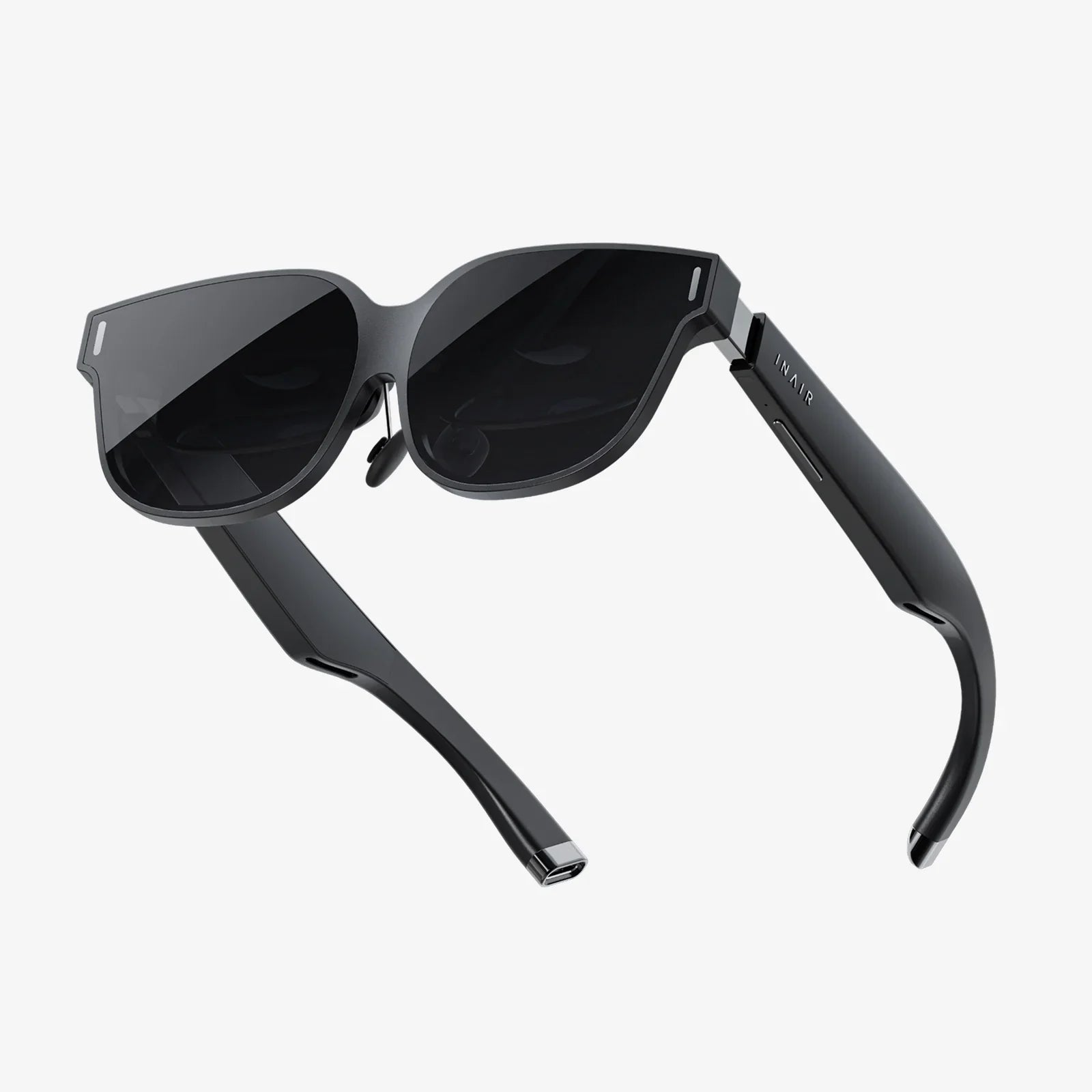
Before looking at specific uses, it helps to understand what virtual reality actually does. VR typically involves a headset that covers your eyes and tracks your head movements. Many systems also track your hands or full body, and some add sound, vibration, or even scent to deepen immersion.
The key idea is immersion: the feeling that you are inside the virtual environment rather than simply watching it on a screen. This immersion triggers natural reactions. If you stand on the edge of a virtual cliff, your heart may race. If someone throws an object at you in VR, you might instinctively flinch. These reactions are what make VR so powerful for training, education, therapy, and more.
Another important concept is interactivity. You do not just look; you can act. You can pick up objects, press buttons, move around, and influence the environment. This makes VR much more than a passive viewing experience.
Gaming is often the first thing people think of when they ask what is vr used for, and for good reason. Games were among the earliest and most visible VR applications, and they continue to push the technology forward.
In VR games, players can:
Beyond traditional gaming, VR is used for immersive storytelling and interactive experiences. Users can step into virtual escape rooms, explore haunted houses, or participate in interactive narratives where their choices affect the outcome.
VR is also transforming the way people experience media and events. Examples include:
These entertainment uses show how VR can turn passive consumption into active participation, making experiences feel more personal and memorable.
One of the most transformative answers to what is vr used for lies in education. Traditional classrooms often rely on textbooks, lectures, and two-dimensional images. VR replaces these with immersive environments that students can explore, manipulate, and experience firsthand.
In VR-based learning, students can:
VR also supports experiential learning. For example, language learners can practice speaking in a virtual marketplace, restaurant, or office setting, interacting with virtual characters. Geography students can stand on the edge of a volcano, dive into the ocean, or observe different ecosystems.
For higher education and specialized fields, VR can simulate complex environments that are difficult or expensive to access in real life, such as:
By turning abstract concepts into tangible experiences, VR can boost engagement and retention, making learning more effective for many students.
When asking what is vr used for in healthcare, the range of applications is surprisingly broad. VR is being used not only for medical training but also for therapy, pain management, and rehabilitation.
VR allows medical students and professionals to practice procedures in a safe, controlled environment. They can:
This kind of practice can improve skills, reduce errors, and help professionals gain confidence before operating on real patients.
VR is also used in mental health treatment, especially for conditions that benefit from exposure or controlled environments. Common uses include:
Because VR environments can be carefully controlled and adjusted, therapists can tailor experiences to each individual’s needs and progress.
Another powerful use of VR in healthcare is pain management. Patients undergoing medical procedures or dealing with chronic pain can be immersed in engaging virtual worlds that distract their attention, reducing perceived pain levels.
In physical rehabilitation, VR can turn repetitive exercises into interactive games. Patients recovering from injuries or strokes can:
These applications show that VR is not just about entertainment; it can play a practical role in improving health outcomes and patient experiences.
As remote work and distributed teams become more common, another answer to what is vr used for is collaboration and communication. Video calls can feel flat and tiring, especially for long meetings. VR offers an alternative: virtual spaces where people feel like they are in the same room even when they are thousands of miles apart.
In business settings, VR can be used to:
Sales and marketing teams can also use VR to create immersive demonstrations. For example, instead of showing a flat presentation, they can invite potential customers into a virtual showroom, building, or environment where features can be explored interactively.
Training is another major business use. Companies can simulate real work scenarios, such as dealing with customers, handling conflicts, or operating complex equipment, in a repeatable and measurable way. This reduces costs and risks while giving employees hands-on practice.
Beyond corporate offices, VR is widely used for professional training in high-risk or high-cost fields. When someone asks what is vr used for in serious industries, the answer often revolves around safety, realism, and repeatability.
In industrial settings, VR can simulate:
Employees can practice procedures without risking injuries, equipment damage, or production downtime. Mistakes become learning opportunities instead of costly incidents.
Emergency responders, such as firefighters, paramedics, and rescue teams, can use VR to train for dangerous scenarios. They can:
Such training environments would be difficult, expensive, or unsafe to recreate in the real world, but VR makes them accessible and repeatable.
VR is also used in aviation and transportation training. Pilots and drivers can learn to handle complex vehicles and unexpected situations, such as:
While full-motion simulators remain important, VR offers a more portable and flexible way to provide immersive training at scale.
Another powerful answer to what is vr used for is design visualization. Architects, engineers, and product designers use VR to see and experience their creations before they are built.
In architecture, VR allows stakeholders to:
This can speed up decision-making, reduce costly changes during construction, and improve client satisfaction.
In product design and engineering, VR can be used to:
By experiencing designs in VR, teams can catch problems earlier, collaborate more effectively, and refine products before physical prototypes are created.
When people cannot travel, VR can bring the world to them. One growing answer to what is vr used for is virtual tourism and cultural exploration.
VR travel experiences can include:
Although VR cannot fully replace the sensations of real travel, it can offer a taste of destinations, help people plan trips, or provide access to places that might be too far, too expensive, or physically inaccessible.
Museums and cultural institutions also use VR to create interactive exhibits. Visitors can step into reconstructed historical environments, view artifacts in context, or participate in guided tours with virtual narrators.
Beyond individual experiences, another key answer to what is vr used for is social interaction. Social VR platforms allow people to meet in shared virtual spaces using avatars that represent their presence.
In these environments, users can:
Social VR can be especially meaningful for people who are geographically distant, have mobility challenges, or simply enjoy connecting in imaginative environments. Instead of staring at a grid of video windows, participants feel like they are standing or sitting together in the same space.
Educational and professional communities also gather in VR for study groups, workshops, and networking events. These spaces blend social interaction with practical collaboration tools.
Retailers and service providers are experimenting with VR to answer what is vr used for in commerce. The goal is to make shopping more interactive and informative.
Examples of VR in retail include:
These experiences help customers make more confident decisions by letting them see how products look and feel in context rather than relying on flat images or text descriptions.
Some service industries also use VR to demonstrate what a service will deliver, such as previewing event setups, interior renovations, or landscaping projects.
Sports and fitness provide another compelling answer to what is vr used for. VR can turn exercise into an engaging, game-like experience while offering data and feedback.
In fitness-focused VR experiences, users can:
For athletes, VR can be used to:
By combining physical movement with immersive visuals, VR can make training more enjoyable and targeted.
Virtual reality is not only practical; it is also a creative medium. Artists, storytellers, and performers are exploring what is vr used for in terms of expression and narrative.
In VR art tools, creators can:
Storytellers can create narratives where the audience is not just watching but participating. Instead of following a fixed camera, viewers can move through scenes, focus on different characters, and influence the story’s path.
These creative uses highlight VR as a new kind of canvas, one that surrounds the audience and invites them to step inside the work.
Another meaningful answer to what is vr used for involves accessibility and inclusion. VR can open experiences to people who might otherwise face barriers in the physical world.
Examples include:
VR can also help designers and planners understand accessibility challenges by simulating different physical or sensory conditions. For instance, they can experience environments from the perspective of someone using a wheelchair or with limited vision, leading to more inclusive designs.
Even as we explore what is vr used for in positive ways, it is important to recognize the limitations and challenges. VR is powerful, but it is not perfect.
Common limitations include:
There are also ethical and social questions, such as:
Addressing these concerns will be crucial as VR becomes more widespread and deeply integrated into daily life.
Looking at all the current answers to what is vr used for, it is clear that virtual reality is already more than a novelty. Yet many of its most significant impacts may still be ahead.
Possible future developments include:
As these advances unfold, VR could become a standard tool for learning, working, creating, and connecting, much like the smartphone is today.
So, what is vr used for right now? It is used to train professionals, teach students, heal patients, entertain audiences, connect communities, and visualize ideas in ways that were once impossible. The next time you see a VR headset, remember that it is not just a gadget for games; it is a doorway into a growing range of real-world applications that are reshaping how people experience information, each other, and the world itself. The most exciting part is that many of the most impactful uses may still be waiting to be imagined.
Share:
vr is life: How Virtual Worlds Are Redefining Reality
vr is life: How Virtual Worlds Are Redefining Reality