


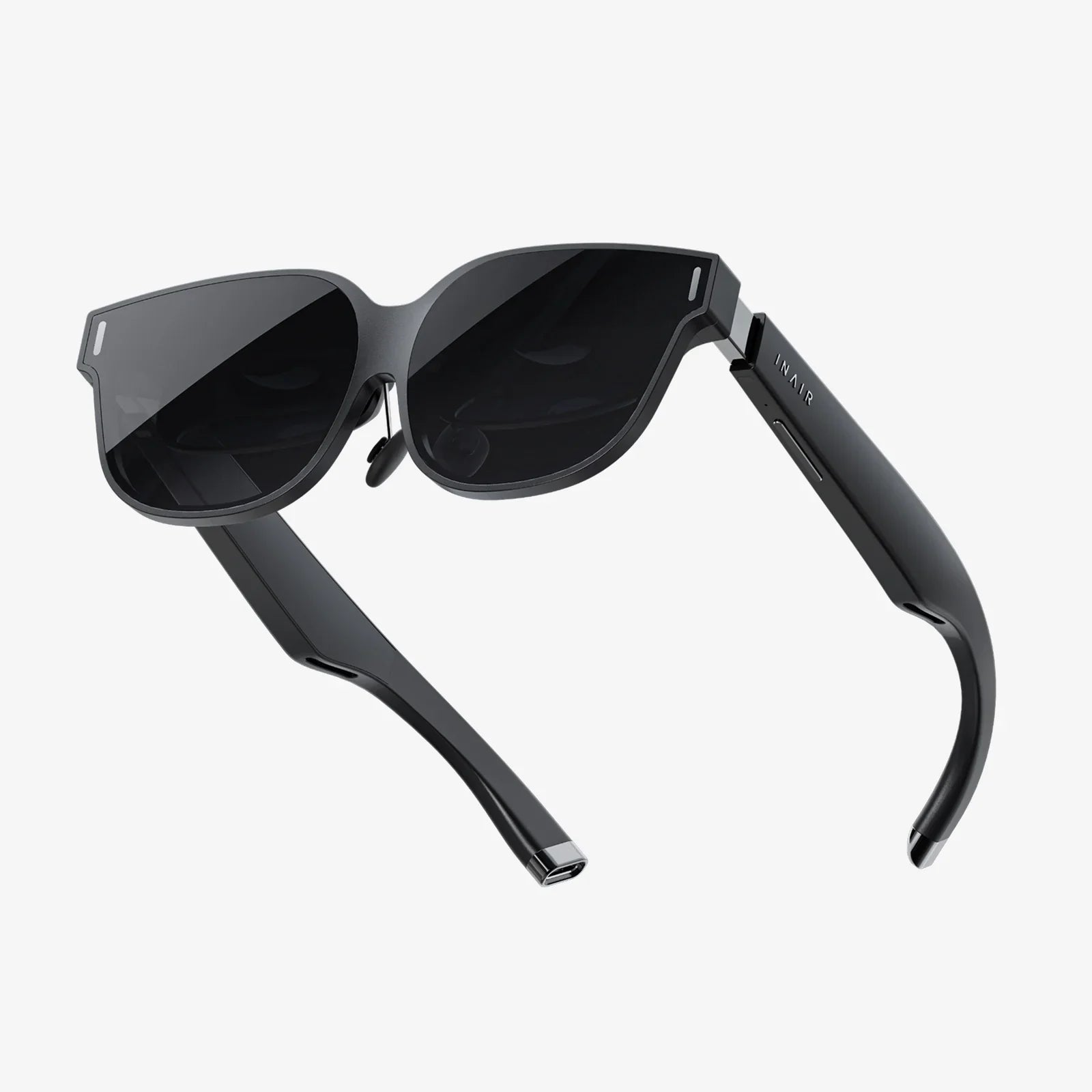
Your voice is my command is no longer a dramatic line from a sci-fi movie; it is quietly becoming the default interface for how we live, work, and move through the world. Every time you talk to a device and it listens, learns, and responds, you are experiencing one of the most powerful technology shifts of our time. And the most surprising part is how invisible it feels: you simply speak, and things happen.
What was once a novelty is now woven into phones, cars, homes, offices, and even appliances. Voice technology is changing how children learn, how older adults maintain independence, how professionals stay productive, and how people with disabilities access the digital world. Yet few people really understand what happens between the moment you say a command and the moment the system obeys.
This article pulls back the curtain on the world behind the phrase your voice is my command. You will see how the technology works, where it is heading, how it affects your privacy, and how to use it to your advantage without surrendering more control than you intend. By the end, you may never speak to your devices the same way again.
The Meaning Behind "your voice is my command" Today
The phrase your voice is my command captures a powerful idea: spoken language becoming a remote control for the digital and physical environment around you. It reflects a shift from tapping and typing to simply talking. That shift is bigger than convenience; it changes how we think, how we behave, and how companies design products and services.
Modern voice systems do far more than recognize a few basic commands. They can:
- Understand natural, conversational sentences instead of rigid phrases
- Handle follow-up questions and context
- Control complex systems like home automation or business tools
- Learn from your habits to personalize responses
When people say your voice is my command, they are really talking about a network of technologies working together: microphones, cloud computing, artificial intelligence, and data analysis. Understanding this stack is the first step to using it wisely.
How Voice Technology Actually Works
It feels magical when you speak and get an immediate response, but under the surface, there is a clear process. Each time you say a command, several key stages occur.
1. Wake Word and Always-Listening Mode
Most voice-enabled devices stay in a low-power listening mode, waiting for a specific wake word or phrase. Until that word is detected, they are designed to ignore background sound, though they still process audio locally to detect the trigger.
Once the wake phrase is recognized, the device starts recording and transmitting your speech to a server for deeper processing. This is where your voice is my command truly begins.
2. Speech-to-Text: Turning Sound into Words
The first major step is automatic speech recognition (ASR). This system converts the waveform of your voice into a sequence of words. It uses:
- Acoustic models to interpret sounds
- Language models to guess which word sequences are most likely
- Noise reduction to filter out background sounds
Accuracy depends on many factors: your accent, microphone quality, background noise, and the language model used. Modern systems have become remarkably good, especially for widely spoken languages and common phrases.
3. Natural Language Understanding: Interpreting Meaning
Once your words are transcribed, the system needs to understand what you meant. This is the job of natural language understanding (NLU). It identifies:
- The intent (what you want to do, such as play music, set a reminder, or control a device)
- The entities (details like time, date, device name, or contact name)
For example, if you say, "Remind me to pay the electricity bill next Friday at 8 pm," the system must extract:
- Intent: create reminder
- Task: pay the electricity bill
- Time: next Friday at 8 pm
Only after this step can the system decide what action to take.
4. Action and Response
Once the intent is clear, the system connects to the appropriate service: a calendar, a music library, a smart home hub, or a search engine. It performs the requested action and then generates a response.
This response is converted from text back into speech using text-to-speech (TTS) technology. The voice you hear is the final layer in the chain, but it is often the only part users consciously notice.
5. Learning from Interactions
Many systems improve over time by learning from your behavior. They may adjust to your pronunciation, preferred phrasing, or typical choices. This personalization makes your voice is my command feel smoother and more intuitive, but it also raises questions about data usage and privacy, which we will explore later.
Where "your voice is my command" Is Changing Everyday Life
Voice interfaces are spreading far beyond phones. They are being embedded in almost every environment where people interact with digital systems. The phrase your voice is my command is becoming a literal description of how we control our surroundings.
Smart Homes: Talking to Your Environment
In many homes, voice assistants act as a central hub. Common uses include:
- Adjusting lighting and temperature with simple commands
- Locking doors or checking whether they are locked
- Controlling televisions and speakers
- Managing kitchen appliances, such as timers and cooking modes
- Checking cameras and doorbells
Instead of learning a different app for every device, you simply speak. This can be especially helpful for children, guests, and older adults who might otherwise struggle with complex interfaces.
Cars and Transportation: Safer, Hands-Free Control
Driving is one of the most important places where your voice is my command can literally save lives. Voice controls allow drivers to:
- Set navigation destinations
- Make calls or send messages
- Adjust music or radio
- Control climate settings
By keeping hands on the wheel and eyes on the road, voice interfaces reduce the temptation to touch screens or phones. As vehicles become more connected and eventually more autonomous, voice will likely become the primary way to interact with in-car systems.
Workplaces and Productivity: Talking to Your Tools
In professional settings, voice can streamline repetitive tasks and free up mental bandwidth. Common uses include:
- Dictating emails, reports, or notes
- Scheduling meetings and setting reminders
- Searching documents or knowledge bases
- Controlling presentation slides during meetings
For workers in the field, warehouses, or healthcare, voice interfaces are especially powerful because they allow hands-free access to information. A technician can ask for instructions while using tools; a nurse can update records while focusing on patient care.
Education and Learning: Voice as a Teaching Partner
Voice technology is increasingly used in education for:
- Helping students practice reading and pronunciation
- Answering factual questions and supporting research
- Guiding language learning with interactive conversation
- Providing instant feedback on quizzes or exercises
Children often find it natural to talk to devices, and this can make learning feel more playful and less intimidating. However, it also raises questions about screen time, dependency, and the quality of information provided by voice systems.
Accessibility: When "your voice is my command" Is Life-Changing
For people with mobility challenges, visual impairments, or certain neurological conditions, voice interfaces are not just convenient; they are essential. They can enable:
- Independent control of home devices without needing to physically reach them
- Access to information, communication, and entertainment without screens
- Voice-based text entry for those who cannot use keyboards
- Hands-free operation of phones and computers
In this context, your voice is my command is more than a slogan; it is a pathway to autonomy and participation in digital life.
The Benefits of Living in a "your voice is my command" World
Why is voice technology spreading so quickly? Because it offers a combination of advantages that few other interfaces can match.
Natural and Intuitive Interaction
Speaking is one of the first skills humans develop and one of the most natural ways to communicate. Unlike learning a new app or menu system, using your voice requires almost no training. This lowers the barrier to entry for people of all ages and abilities.
Speed and Efficiency
Many tasks are faster when spoken than when typed or tapped. Saying "Set a reminder for 3 pm to call the dentist" is often quicker than navigating through multiple screens. For busy people, small time savings add up across the day.
Hands-Free Convenience
Voice is ideal when your hands are occupied: cooking, driving, exercising, or working with tools. It lets you interact without stopping what you are doing. This is one reason your voice is my command is so popular in kitchens, cars, and workshops.
Reduced Screen Dependence
Voice interfaces can help reduce the need to constantly look at screens, which may ease eye strain and support healthier digital habits. While voice does not eliminate screens, it can shift some interactions away from visual interfaces.
Personalization and Context
As systems learn from your commands, they can adapt to your preferences: preferred music, typical routes, favorite contacts, and common routines. This personalization makes interactions feel smoother and more relevant.
The Hidden Costs and Risks of Voice Technology
Despite the benefits, a world where your voice is my command comes with serious trade-offs. Many of them are subtle and easy to overlook, especially when the technology feels so convenient.
Privacy: Who Hears Your Voice?
Voice assistants often rely on cloud processing, which means your audio is sent to remote servers. Key questions include:
- How long is your audio stored?
- Is it linked to your identity?
- Is it used to train algorithms?
- Who inside a company can access it?
Occasional reports of accidental recordings or employees reviewing snippets of audio have raised public concern. Even when companies offer privacy controls, many users never adjust them, leaving default settings in place.
Security: When Your Voice Becomes a Key
As more systems accept voice commands for sensitive actions (like unlocking doors or authorizing transactions), the stakes rise. Potential risks include:
- Unauthorized commands from someone else in the room
- Recordings or imitations of your voice being used to trigger actions
- Malicious audio played through speakers to manipulate devices
Some systems use voice recognition to identify individual users, but this is not foolproof. Treat voice commands for sensitive operations with caution.
Data Profiling and Behavioral Tracking
Every command you give can reveal something about your habits, interests, and routines. Over time, companies can build detailed profiles: when you wake up, what you listen to, what you ask about, and how you move through your day.
These profiles can be used to personalize services, but they can also feed into marketing, recommendation systems, or other forms of data analysis that you may not fully understand or control.
Bias and Unequal Performance
Not all voices are treated equally. Voice recognition systems often perform better for some accents, languages, and speech patterns than others. This can lead to:
- Frustration for users whose speech is frequently misinterpreted
- Unequal access to the benefits of voice technology
- Reinforcement of existing social and linguistic biases
As your voice is my command becomes the default interface, people whose voices are less accurately recognized may be left behind.
Over-Reliance and Reduced Skills
When voice systems handle more tasks, people may become less practiced at doing them manually. Examples include:
- Relying on voice navigation instead of learning routes
- Using voice reminders instead of building memory habits
- Letting voice search replace deeper research skills
Technology always changes how we use our minds. The question is whether we are comfortable with the trade-offs we are making.
Practical Tips for Using Voice Assistants Wisely
You do not need to reject voice technology to protect your privacy and security. Instead, you can adopt a more deliberate approach. If you want your voice is my command to work for you instead of against you, consider these practical steps.
1. Review and Adjust Privacy Settings
Most voice-enabled systems offer privacy controls, though they may be buried in menus. Look for options to:
- Disable or limit saving of voice recordings
- Delete stored audio history periodically
- Restrict use of your data for training or personalization
- Control which devices are linked to your account
Make it a habit to check these settings whenever you start using a new voice-enabled device.
2. Use Voice for Low-Risk Tasks
Reserve voice commands for actions where the consequences of a mistake or data leak are low, such as:
- Playing music or podcasts
- Setting timers and alarms
- Controlling lights or temperature
- General information queries
For sensitive tasks like financial transactions, account changes, or door locks, consider whether you prefer a more secure method.
3. Be Mindful of Shared Spaces
In homes or offices where multiple people are present, remember that:
- Others may hear your commands, including private information
- Some systems may act on commands from anyone within range
- Guests may not realize they are being recorded after a wake word
Consider placing voice devices away from highly sensitive conversations or using mute functions when needed.
4. Periodically Audit Connected Devices
Over time, it is easy to forget which devices and services are linked to your voice assistant. Regularly:
- Review the list of connected devices and apps
- Remove access for ones you no longer use
- Check what permissions each integration has
This reduces the attack surface and limits how widely your voice commands are propagated.
5. Teach Family Members Smart Habits
If children or older relatives use voice assistants, help them develop safe habits:
- Explain which kinds of information should not be spoken aloud to devices
- Show them how to mute or disable the microphone
- Discuss the idea that a device that responds to your voice is still a computer, not a person
These conversations can build digital literacy and reduce the risk of oversharing.
The Future of "your voice is my command"
Voice technology is still in its early stages. The phrase your voice is my command will mean even more in the coming years as systems become smarter, more integrated, and more proactive.
More Natural Conversations
Future voice systems will likely handle longer, more complex conversations, remembering context across multiple turns. You might be able to say:
- "Book me a trip to visit my parents next month."
- "Make it a long weekend."
- "Find something cheaper, and avoid early-morning flights."
The assistant would understand that all these commands refer to the same task and refine the options accordingly.
Multimodal Interaction: Voice Plus Everything Else
Voice will increasingly combine with other inputs: touch, gesture, gaze, and physical controls. For example:
- You glance at a device and say, "Open that" to select it
- You point at a light and say, "Dim this to 30 percent"
- You see options on a screen and refine them by voice
In such environments, your voice is my command becomes part of a larger, fluid interaction rather than a standalone channel.
On-Device Processing and Edge AI
To address privacy and latency concerns, more voice processing is moving onto the devices themselves. This means:
- Faster responses without needing a constant internet connection
- Less audio sent to remote servers
- Greater potential control over your data
As hardware improves, powerful language models can run locally, allowing more private and responsive voice experiences.
Voice Biometrics and Identity
Voice recognition can be used not only to understand what you say but also to identify who you are. This may lead to:
- Personalized responses based on which family member is speaking
- Voice-based authentication for certain actions
- More targeted services and recommendations
However, voice biometrics also raise serious security and ethical concerns, especially as synthetic voices become more realistic.
Ethical and Regulatory Debates
As voice technology becomes more pervasive, society will continue debating:
- What limits should exist on recording and storing voice data?
- How should companies disclose voice data usage?
- What rights should individuals have over their voice profiles?
- How can we ensure fair performance across languages and accents?
The phrase your voice is my command will not only describe a technical capability but also reflect legal and ethical choices made by governments, companies, and citizens.
How to Get the Most from Voice Technology Right Now
Even as the technology evolves, you can start shaping your own relationship with voice systems today. Think of it as designing your personal rules for when and how your voice should be a command.
Define Your Comfort Zones
Decide in advance where you are comfortable using voice and where you are not. For example:
- Comfortable: music control, timers, general questions
- Maybe: smart home control, calendar management
- Not comfortable: banking, sensitive messages, unlocking doors
These boundaries can change over time, but having them helps you avoid unconscious overuse.
Use Voice to Support, Not Replace, Your Skills
Instead of letting voice technology take over entire tasks, use it to enhance your abilities. For example:
- Dictate a rough draft of an email, then refine it manually
- Ask for quick facts, but still verify them through deeper research for important decisions
- Use reminders to support, not replace, your own memory techniques
This approach lets you benefit from speed and convenience without losing important cognitive skills.
Experiment with Routines and Automations
Many voice systems support routines where a single command triggers multiple actions. For instance, saying a specific phrase could:
- Turn off lights
- Lock doors
- Adjust the thermostat
- Start playing relaxing sounds
By designing routines carefully, you can make your environment respond to your voice in ways that genuinely simplify your day.
Stay Informed About Updates
Voice platforms evolve rapidly. New features can improve privacy, security, and functionality. Make it a habit to:
- Check release notes or announcements for major updates
- Revisit settings after significant changes
- Explore new capabilities that align with your comfort zones
Staying informed keeps you in control rather than letting the system evolve around you unnoticed.
Why Your Relationship with Voice Tech Matters
Every time you say your voice is my command, whether out loud or in your mind, you are participating in a quiet negotiation between convenience and control. You are deciding how much of your daily life to hand over to systems that listen, interpret, and act on your words.
Used thoughtfully, voice technology can free your hands, reduce friction, and open doors for people who have long been excluded from digital experiences. It can turn complex systems into something as simple as a spoken request. It can help you move through your day with less tapping, less scrolling, and fewer small obstacles.
Used carelessly, it can expose your private moments, create detailed behavioral profiles, and make you dependent on systems you do not fully understand. It can make it easier for companies and algorithms to shape what you see, hear, and do, all through the most natural interface you have.
The next time a device responds as if your voice is my command, pause for a moment. Ask yourself what you are gaining, what you are giving up, and what boundaries you want to set. If you can answer those questions clearly, you will not just be talking to your technology; you will be directing it on your own terms. And that is when your voice truly becomes a command worth giving.
Aktie:
Bedside Table Lamps Touch Control for Effortless Nighttime Lighting
How To Voice Command Siri For Effortless Everyday Productivity