


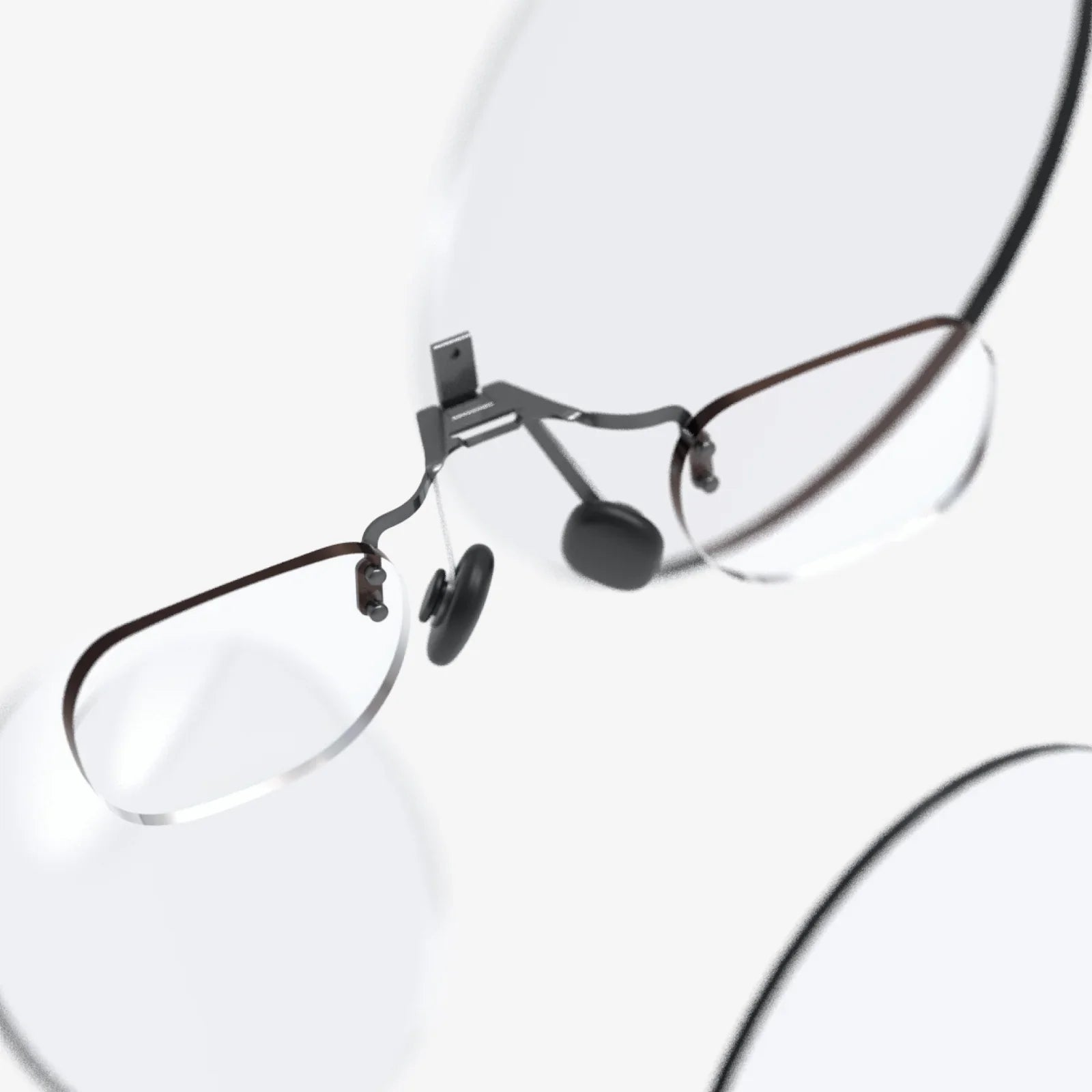
Advancements in VR are no longer a distant promise; they are here, rapidly reshaping how people play, learn, work, and connect. The headsets are slimmer, the graphics are sharper, the worlds feel more alive, and the line between digital and physical life is getting thinner. If you have ever wondered whether virtual reality is finally ready to move beyond niche gaming and become part of everyday life, the latest wave of innovation provides a clear answer: the VR revolution has quietly begun, and it is accelerating.
What makes this moment so compelling is not just the technology itself, but the way it touches nearly every corner of modern life. From immersive classrooms and realistic job training to virtual offices and lifelike social spaces, VR is evolving into an ecosystem of experiences that are more accessible and more meaningful than ever before. Understanding how these advancements in VR work, and where they are headed next, can help you decide how and when to step into this new dimension of digital life.
The New Era of VR: From Novelty to Necessity
Virtual reality began as a futuristic concept, then became a niche hobby for enthusiasts with powerful computers and bulky headsets. Today, advancements in VR have pushed the technology into a new phase where it is increasingly practical, portable, and relevant to everyday tasks. Several factors are driving this shift:
- Improved hardware that is lighter, more comfortable, and more affordable
- Better graphics, displays, and tracking systems for realistic immersion
- Standalone headsets that do not require a separate computer or console
- A rapidly growing library of games, experiences, and productivity tools
- Integration with broader digital ecosystems, including mobile and cloud services
These developments are turning VR from an occasional novelty into a tool that can be used for entertainment, education, work, creativity, and social connection. The result is a technology that is starting to feel less like science fiction and more like a natural extension of the digital world people already inhabit.
Hardware Breakthroughs: Comfort, Clarity, and Freedom
One of the most visible areas of progress is the hardware itself. Early VR systems were heavy, tethered, and limited in resolution. Recent advancements in VR hardware have transformed that experience:
- Lighter headsets: New designs use lighter materials and better weight distribution, reducing neck strain and making longer sessions more comfortable.
- Higher resolution displays: Modern screens deliver sharper images with higher pixel density, reducing the “screen door” effect and making text and distant objects easier to see.
- Improved lenses: Advanced lens designs help minimize distortion, enlarge the sweet spot of clarity, and support wider fields of view for a more natural sense of presence.
- Standalone processing: Many headsets now include built-in processors, storage, and tracking, removing the need for external computers or consoles and allowing users to move freely.
- Inside-out tracking: Cameras on the headset track movement in space, eliminating the need for external sensors placed around the room.
These changes may sound technical, but their impact is very human. A comfortable, high-quality headset encourages regular use, and the freedom to move without cables makes virtual worlds feel less like simulations and more like places you can truly inhabit.
Input and Interaction: Hands, Eyes, and Voice
Advancements in VR are not only about what you see; they are also about how you interact. The evolution of input methods is making virtual environments feel more intuitive and responsive:
- Refined motion controllers: Modern VR controllers track hand position and rotation with high accuracy and feature responsive triggers, buttons, and haptics that simulate touch and impact.
- Hand tracking: Some systems can detect and track your hands directly, allowing you to pinch, grab, and gesture without holding a controller.
- Eye tracking: Built-in eye tracking can detect where you are looking, enabling foveated rendering (which improves performance and visual quality) and more natural interactions such as eye-based selection or realistic avatar eye contact.
- Voice input: Voice recognition allows users to issue commands, dictate text, or control interfaces without navigating complex menus.
Combined, these input methods move VR closer to natural human communication. Instead of learning complicated button combinations, people can use their hands, eyes, and voice in ways that mimic real-world behavior. This makes VR more accessible for newcomers and more powerful for advanced users.
Visual and Audio Realism: Building Believable Worlds
Immersion depends on more than just resolution. Advancements in VR rendering and audio have dramatically improved how virtual worlds look and feel:
- Advanced lighting and shading: Modern graphics techniques simulate realistic lighting, shadows, and reflections, making environments more convincing.
- High refresh rates: Higher frame rates reduce motion blur and discomfort, helping users feel present without dizziness.
- Spatial audio: 3D audio engines simulate sound from specific directions and distances, so footsteps behind you or voices to your left feel convincingly placed.
- Positional audio cues: Subtle sound design helps users navigate, locate objects, and sense the scale of environments.
These improvements are not just cosmetic. When visuals and audio align with expectations, the brain is more willing to accept the virtual environment as a coherent reality. This sense of presence is what makes VR uniquely powerful for training, therapy, storytelling, and collaboration.
Advancements in VR Gaming: Beyond Simple Entertainment
Gaming remains one of the strongest drivers of VR adoption, and advancements in VR have transformed what virtual games can offer. Instead of sitting and pressing buttons, players step into the game world and interact physically. Some key trends include:
- Full-body experiences: Games that encourage players to dodge, swing, kneel, or stretch turn play into an active, physical experience.
- Room-scale environments: Tracking systems allow players to walk around a room-sized area, exploring spaces naturally rather than teleporting with a joystick.
- Cooperative and social gameplay: Multiplayer titles let friends and strangers share the same virtual space, coordinating strategies, communicating with voice and gestures, and building communities.
- Immersive storytelling: Narrative-driven experiences place the player at the center of the story, using gaze, motion, and interaction to shape the plot.
These developments make VR gaming more than a novelty. It becomes a way to engage the body, mind, and emotions simultaneously, offering a level of immersion that traditional screens cannot match. This depth of engagement also explains why VR techniques are spreading into non-gaming fields.
Virtual Workspaces and Remote Collaboration
One of the most promising areas for advancements in VR is the workplace. As remote and hybrid work models have expanded, companies and individuals are exploring VR as a tool to recreate the benefits of physical presence without requiring everyone to be in the same location.
Virtual workspaces can include:
- Virtual meeting rooms: Participants appear as avatars in shared spaces, where they can present slides, brainstorm on virtual whiteboards, and hold discussions that feel more natural than flat video grids.
- Immersive collaboration tools: 3D models, data visualizations, and prototypes can be manipulated in real time by multiple people, enabling more intuitive design and problem-solving.
- Focus environments: Individuals can enter quiet, distraction-free virtual offices tailored to their preferences, helping them concentrate while still remaining reachable.
These virtual workspaces can help bridge the gap between remote and in-person collaboration. When avatars convey body language and spatial audio simulates natural conversation, meetings can feel more engaging and less fatiguing than traditional video calls. Over time, as avatars become more expressive and tools more refined, VR could become a standard part of professional workflows in design, engineering, research, and knowledge work.
Training and Simulation: Practicing Without Real-World Risk
Training is one of the clearest examples of how advancements in VR translate into measurable real-world benefits. Simulated environments allow learners to practice complex tasks without the cost, danger, or logistical challenges of physical setups. Some key applications include:
- Industrial and technical training: Workers can learn to operate machinery, handle hazardous materials, or perform maintenance procedures in a safe virtual environment.
- Emergency response practice: Firefighters, medics, and other responders can rehearse high-pressure scenarios with realistic visuals and sound, improving decision-making and coordination.
- Soft skills development: VR scenarios can simulate customer interactions, negotiations, or leadership challenges, allowing users to practice communication and emotional intelligence.
Because VR training can be repeated, customized, and measured, organizations can track performance and refine lessons over time. This leads to more consistent outcomes, faster learning, and better preparedness for real-world tasks.
Education and Learning: Classrooms Without Walls
Advancements in VR have also opened new possibilities for education. Virtual reality can make abstract concepts tangible and distant places accessible. Instead of reading about a topic or watching a video, students can step into the subject matter and interact with it directly.
Examples of VR in education include:
- Virtual field trips: Learners can explore historical sites, natural wonders, or outer space without leaving the classroom.
- Interactive science labs: Students can conduct experiments in virtual laboratories, manipulating molecules, circuits, or ecosystems in ways that would be difficult or expensive in reality.
- Language immersion: VR environments can simulate markets, streets, or social gatherings where learners practice language skills with native speakers or AI-driven characters.
- Specialized skill training: From anatomy exploration to engineering design, VR can provide hands-on practice that complements textbooks and lectures.
These immersive experiences can increase engagement and retention by appealing to multiple senses and learning styles. They also help level the playing field by giving students from different backgrounds access to similar high-quality experiences, regardless of their physical location.
Healthcare and Therapy: Healing Through Immersion
Healthcare is another field where advancements in VR are having a profound impact. Virtual reality is being used not only for training medical professionals but also for direct patient care and therapy.
Key uses of VR in healthcare include:
- Pain management: Immersive environments can distract patients during painful procedures or chronic pain episodes, reducing reliance on medication.
- Mental health therapy: VR scenarios can help treat phobias, anxiety, and post-traumatic stress by gradually exposing patients to controlled, safe simulations.
- Physical rehabilitation: Patients recovering from injuries or surgeries can perform guided exercises in engaging virtual settings, increasing motivation and adherence.
- Medical training: Students and professionals can practice surgeries or diagnostic procedures on realistic virtual patients, gaining experience without risk.
Because VR can be customized to each patient and their specific needs, it offers a flexible tool for personalized care. As hardware becomes more accessible and software more sophisticated, VR-based therapies are likely to expand into new areas of mental and physical health.
Social VR: New Ways to Meet, Share, and Belong
Advancements in VR are also reshaping how people socialize and build communities online. Social VR platforms allow users to create avatars, meet in virtual spaces, attend events, and share experiences in ways that go beyond traditional messaging or video chat.
Some of the most compelling aspects of social VR include:
- Shared presence: Being in the same virtual room as others, with spatial audio and body language, creates a sense of togetherness that text and video often lack.
- Creative self-expression: Users can customize avatars, build virtual homes or worlds, and host gatherings that reflect their personalities and interests.
- Global communities: People from different countries and cultures can meet and interact in shared spaces without the barriers of distance.
- Events and performances: Concerts, comedy shows, lectures, and meetups can be held in VR, allowing participants to attend from anywhere.
These social experiences can be especially valuable for those who feel isolated or who have limited opportunities to travel. At the same time, they raise important questions about identity, safety, and digital well-being that will shape the future of VR culture.
Creative Tools: Designing, Building, and Storytelling in VR
Beyond consuming content, advancements in VR are empowering people to create. Immersive creative tools allow artists, designers, and hobbyists to build 3D objects, environments, and narratives from within the virtual world itself.
Creative VR applications often support:
- 3D sculpting and painting: Users can shape and color objects in three dimensions, walking around them and adjusting details from any angle.
- Environment design: Entire scenes or worlds can be assembled, textured, and lit in VR, giving creators an immediate sense of scale and atmosphere.
- Storyboarding and animation: Directors and storytellers can block out scenes, position characters, and experiment with camera angles in immersive space.
- Collaborative creation: Multiple users can work together in the same virtual studio, building and editing projects in real time.
These tools lower the barrier to entry for 3D creation by making it more intuitive. Instead of learning complex software interfaces on a flat screen, creators can rely on spatial intuition and natural gestures. This shift could lead to a surge in user-generated content and new forms of immersive art and media.
Accessibility and Inclusive Design in VR
As VR becomes more widespread, making it accessible to a diverse range of users is increasingly important. Advancements in VR design are beginning to address the needs of people with different physical abilities, sensory preferences, and comfort levels.
Some approaches to inclusive VR design include:
- Customizable locomotion: Users can choose between teleportation, smooth movement, or seated experiences to reduce motion sickness and accommodate mobility limitations.
- Adjustable interfaces: Text size, contrast, and control layouts can be modified to suit different visual and motor needs.
- Alternative input methods: Voice commands, simplified controls, and adaptive devices can help users who cannot rely on standard controllers.
- Comfort settings: Options for vignette effects, reduced motion, and safety boundaries help users gradually acclimate to VR.
Thoughtful accessibility features not only broaden the potential audience but also improve the experience for everyone. As more developers prioritize inclusive design, VR can become a space where more people feel welcome and empowered.
Technical Challenges and Ethical Considerations
Despite rapid progress, advancements in VR bring challenges that must be addressed carefully. Some are technical, while others are ethical and social.
Technical challenges include:
- Motion sickness: Mismatches between visual motion and physical sensation can cause discomfort, especially for new users.
- Battery life and heat: Standalone headsets must balance performance with power consumption and comfort.
- Network requirements: High-quality multiuser experiences depend on reliable, low-latency connections.
Ethical and social considerations include:
- Privacy: VR systems can collect detailed data about movements, gaze, and interactions, raising concerns about data protection.
- Safety and moderation: Social VR spaces need tools to prevent harassment, abuse, and harmful content.
- Digital well-being: As VR becomes more engaging, users and developers must consider healthy usage habits and avoid excessive immersion.
Addressing these issues will require collaboration among technologists, policymakers, educators, and communities. Responsible development can help ensure that the benefits of VR are widely shared while minimizing potential harms.
The Future of VR: Blending Real and Virtual Worlds
Looking ahead, advancements in VR are likely to intersect with other emerging technologies such as augmented reality, artificial intelligence, and high-speed connectivity. Over time, the distinction between VR and other digital experiences may blur as devices become more versatile and environments more adaptive.
Possible future directions include:
- Mixed reality: Headsets that seamlessly blend virtual content with the physical world, allowing users to move between fully immersive and partially augmented experiences.
- Smaller, more natural devices: Lighter headsets, improved optics, and perhaps eventually glasses-like form factors that can be worn comfortably for extended periods.
- AI-driven worlds and characters: Intelligent virtual characters and dynamic environments that respond to user behavior in rich, personalized ways.
- Persistent virtual spaces: Shared worlds that continue to evolve even when individual users log off, creating a sense of continuity and community.
As these trends converge, VR could become a routine part of how people learn, work, relax, and socialize. The most significant change may not be any single feature, but the way immersive technology becomes woven into daily life.
Advancements in VR are building a bridge to experiences that once seemed impossible: walking through distant cities from your living room, learning complex skills through hands-on practice without risk, collaborating with colleagues around a virtual table, or sharing a concert with friends scattered across the globe. Whether you are a gamer, a professional, a student, or simply curious, exploring VR today offers a glimpse of how digital life will feel tomorrow. The next step is yours to take: slip on a headset, step into a new world, and see firsthand how far virtual reality has already come—and how much further it is about to go.
共有:
Wireless PC VR Streaming: The Complete Guide to Lag-Free Freedom
ai smart glasses with ar display: The Next Screenless Revolution