


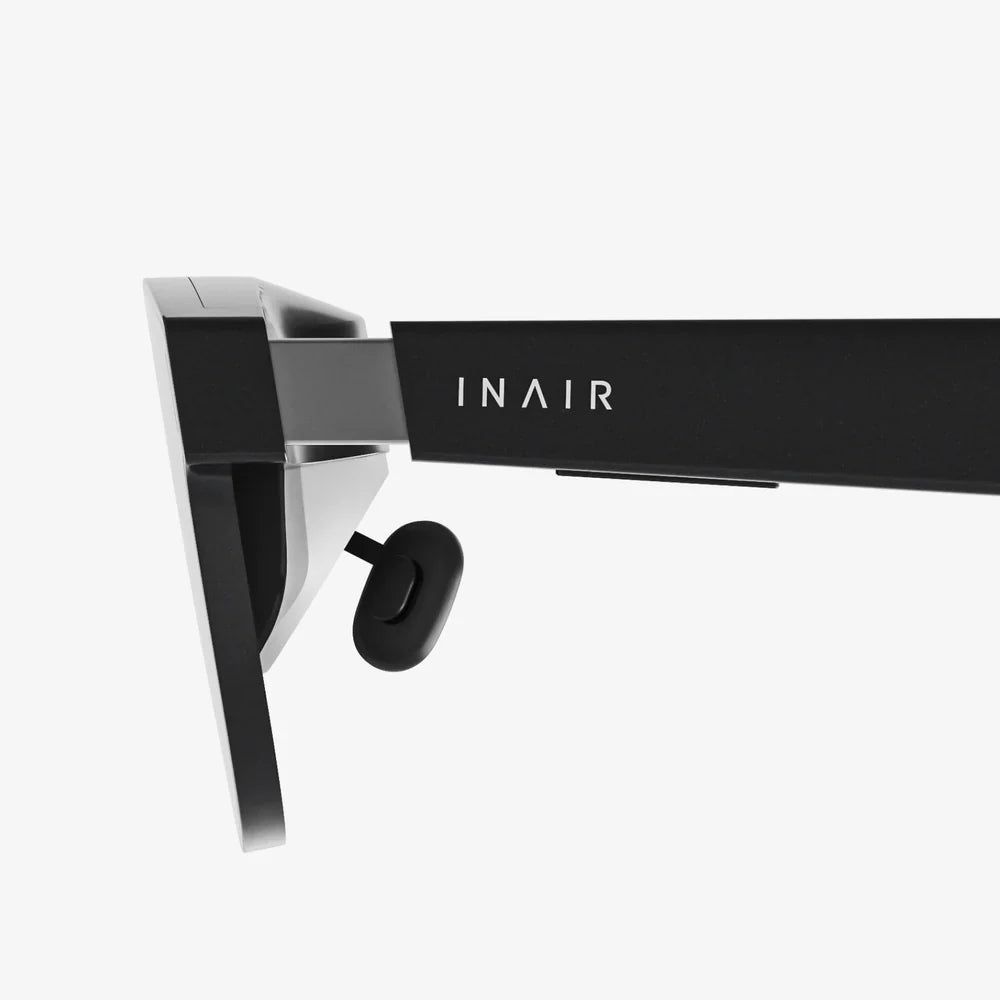
Imagine stepping into a room where information appears exactly where you need it, digital tools float at your fingertips, and intelligent systems understand not just what you say, but where you are, what you are looking at, and what you are trying to do. That is the promise of the AI Spatial Computer: a new class of technology that fuses artificial intelligence with spatial computing to transform how we see, interact with, and shape the world around us. If you want to understand where computing is really headed next, this is where the story gets exciting.
At its core, an AI spatial computer is a system that understands space, context, and human intent. It does not live inside a flat screen; it lives in 3D environments, anchored to real objects and places. It uses sensors, computer vision, and advanced AI models to recognize rooms, surfaces, gestures, and voices, then overlays digital information in ways that feel natural and intuitive. Instead of you going to a device, the device comes to you, blending seamlessly with your physical surroundings.
What Is An AI Spatial Computer?
An AI spatial computer is an intelligent computing environment that:
- Understands 3D space using cameras, depth sensors, and mapping algorithms
- Tracks your position, gaze, gestures, and voice in real time
- Anchors digital content to physical locations and objects
- Uses AI to interpret context, predict intent, and adapt interfaces
- Blends virtual interfaces with real-world surroundings in a persistent way
Unlike traditional computers that rely on windows, icons, and flat screens, AI spatial computers treat the world as their canvas. Your living room wall can become a dashboard, your desk can host virtual screens, your kitchen counter can display step-by-step recipes, and your office can transform into a 3D collaboration space. AI ties it all together by making the system aware, adaptive, and proactive.
Key Technologies Behind AI Spatial Computers
Several technological pillars make AI spatial computing possible. Understanding these helps clarify why this shift is so profound.
Computer Vision And Spatial Mapping
Computer vision enables the system to see and understand the world. Spatial mapping algorithms create a 3D model of the environment in real time. Together, they allow the AI spatial computer to:
- Recognize walls, floors, tables, and objects
- Detect surfaces suitable for placing virtual content
- Build a persistent map of rooms and buildings
- Track movement and update virtual elements accordingly
This mapping is not just about geometry; it is about semantics. Over time, the system learns that a certain flat surface is your desk, that a certain area is your kitchen, and that certain objects are tools, screens, or personal items. This semantic understanding is what makes interactions feel natural rather than mechanical.
Artificial Intelligence And Context Awareness
AI is the brain of the spatial computer. It interprets the data from sensors and uses models to infer context and intent. Key AI capabilities include:
- Natural language understanding: Interpreting voice commands and conversational queries
- Intent prediction: Anticipating what you might want to do next based on patterns
- Scene understanding: Recognizing activities like working, cooking, exercising, or presenting
- Personalization: Adapting interfaces and content to your preferences and habits
Instead of rigid menus and buttons, the AI spatial computer can respond to prompts like “set this up for focused work” or “help me compare these two designs” while understanding the spatial context of where you are and what you are interacting with.
Spatial Interfaces And Interaction Models
Spatial computing introduces new interaction models beyond mouse, keyboard, and touch. These include:
- Hand and gesture tracking: Pinching, grabbing, pointing, and swiping in mid-air
- Eye tracking: Selecting and focusing on objects by looking at them
- Voice commands: Controlling interfaces conversationally
- Body movement: Navigating and manipulating content by moving around in space
AI is crucial here because human gestures and speech are messy and ambiguous. The system must interpret incomplete gestures, overlapping commands, and multi-user interactions while maintaining a sense of fluidity and control.
Cloud Connectivity And Edge Computing
AI spatial computers rely on a hybrid of local processing and cloud services. Edge computing handles low-latency tasks like tracking, rendering, and immediate input processing, while the cloud supports:
- Heavy AI model inference and training
- Synchronization of spatial data across devices and users
- Access to large knowledge bases and content libraries
- Collaboration in shared virtual spaces
This distributed architecture allows the system to be responsive, powerful, and always up to date without overwhelming local hardware.
How AI Spatial Computers Transform Work
The workplace is one of the first domains where AI spatial computers will have a deep impact. They fundamentally change how we use space, collaborate, and access information.
From Desks And Monitors To Spatial Workstations
Traditional work setups are constrained by physical screens and fixed layouts. An AI spatial computer can replace or augment these with virtual workstations that:
- Provide multiple resizable virtual displays anchored around your desk
- Place reference documents on one side of the room and communication tools on another
- Adapt the layout based on your current task (writing, coding, designing, analyzing)
- Remember your preferred arrangement in each physical space
Instead of juggling windows, you can distribute your tools and data around you in 3D. AI helps by automatically organizing and suggesting layouts that match your workflow, reducing cognitive load and context switching.
Immersive Collaboration And Remote Presence
Remote work often feels flat and disconnected. AI spatial computers enable richer forms of collaboration by creating shared spatial environments. Teams can:
- Meet in virtual rooms that mimic familiar office spaces or purpose-built environments
- Stand around virtual whiteboards, pin notes to walls, and rearrange ideas spatially
- Review 3D models together, walking around them and annotating in real time
- Use spatial audio so voices come from the location of each participant
AI enhances this by capturing summaries of discussions, tracking decisions, highlighting unresolved topics, and retrieving relevant documents based on what is being discussed and pointed at. The result is a collaboration experience that can feel more engaging than traditional video calls.
Task Guidance And Expert Assistance
For complex or technical work, AI spatial computers can act as intelligent guides. In fields like engineering, maintenance, manufacturing, or healthcare, the system can:
- Overlay step-by-step instructions directly onto equipment
- Highlight components that need inspection or replacement
- Validate that procedures are followed in the correct sequence
- Connect remote experts who can see what you see and annotate your view
This reduces training time, minimizes errors, and enables less experienced workers to perform tasks that previously required years of expertise. AI continuously learns from these interactions, improving its guidance and recognizing patterns of mistakes or inefficiencies.
AI Spatial Computers In Everyday Life
Beyond the workplace, AI spatial computers have the potential to reshape daily routines, entertainment, and personal productivity.
Smart Homes That Truly Understand You
Smart home devices today often operate in isolation: a thermostat here, a speaker there, a camera in the corner. An AI spatial computer can unify and orchestrate them with spatial awareness. In a home environment, it can:
- Recognize who is in which room and adjust lighting, temperature, and media accordingly
- Display contextual information on walls or surfaces only when relevant
- Guide you through tasks like cooking, repairs, or workouts with spatial instructions
- Coordinate household schedules by showing shared calendars and reminders in communal spaces
Instead of hunting through apps, you interact with your home through natural gestures and conversations, with the AI understanding not just what you say but where you are and what is around you.
Immersive Entertainment And Storytelling
Entertainment will become more interactive and spatially anchored. AI spatial computers can transform your living room into:
- A stage for immersive stories where characters appear around you
- A game environment that uses your real furniture and layout as part of the level design
- A personalized theater where virtual screens adapt to your viewing position
AI can adjust difficulty, narrative branches, and visual effects in real time based on your reactions and behavior. It can also generate content dynamically, blending pre-authored experiences with AI-created elements that respond to your choices.
Personal Productivity And Focus
Distraction is one of the biggest challenges in modern digital life. AI spatial computers can help you regain control of your attention by:
- Creating distraction-free zones where only essential tools are visible
- Temporarily hiding notifications and apps that are not relevant to your current task
- Providing gentle prompts when you drift into unproductive patterns
- Structuring your environment to support habits like deep work, reading, or exercise
Because the system can see your environment and track how you move and work, it can offer more effective support than a simple timer or app blocker. Over time, it learns when you are most productive and how to configure your space to support that.
Education And Training In Spatial Environments
Education stands to be transformed by AI spatial computers, especially in areas where physical context and hands-on practice are important.
Learning By Doing, Not Just Watching
Instead of reading about concepts in a textbook or watching videos, learners can engage directly with interactive spatial simulations. Examples include:
- Exploring historical events by walking through reconstructed environments
- Visualizing complex scientific phenomena in 3D around them
- Practicing technical skills with virtual equipment overlaid on real tools
- Receiving real-time feedback from AI tutors that observe their actions
This form of embodied learning can significantly improve retention and understanding. AI tailors the difficulty, pacing, and type of assistance to each learner’s needs, making education more personalized and effective.
Professional Training And Simulation
In fields like medicine, aviation, construction, and emergency response, realistic training is critical but often expensive and logistically challenging. AI spatial computers can provide:
- High-fidelity simulations of rare or dangerous scenarios
- AI-driven virtual agents that behave like real patients, clients, or team members
- Detailed performance analytics and replay tools
- Scenario authoring tools that allow experts to design new training modules
Because these simulations are spatial and interactive, they can mimic the stress, complexity, and nuance of real-world situations more effectively than traditional training materials.
Design, Architecture, And Creativity
Creative disciplines are especially well-suited to spatial computing. Designers, architects, and artists can use AI spatial computers to think and create in three dimensions.
Designing Directly In Space
Instead of sketching on paper or modeling on a flat screen, creators can:
- Draw, sculpt, and arrange objects directly in the air around them
- Walk through full-scale virtual prototypes of buildings and products
- Experiment with materials, lighting, and layouts in real time
- Invite collaborators to co-create in the same spatial environment from different locations
AI assists by generating variations, suggesting improvements, and enforcing constraints like structural stability or ergonomic comfort. It can also analyze how people might move through a space and highlight potential bottlenecks or usability issues.
Blending The Physical And Digital In Creative Work
AI spatial computers make it easier to merge physical and digital media. An artist might:
- Overlay digital animations on physical sculptures
- Use spatial soundscapes that respond to viewer movement
- Transform a gallery into an evolving mixed-reality experience
AI can adapt these experiences in response to audience behavior, creating dynamic, living works that change over time. This opens up entirely new genres of interactive and generative art.
Healthcare And Wellness Applications
Healthcare is another domain where AI spatial computers can deliver tangible benefits, both in clinical settings and at home.
Clinical Support And Visualization
For clinicians, AI spatial computers can:
- Overlay patient data and imaging directly onto the body during examinations
- Provide spatial visualizations of anatomy for planning procedures
- Offer checklists and reminders anchored to specific steps in a process
- Support remote consultations where specialists see the same spatial context as local staff
AI helps interpret data, flag anomalies, and suggest next steps based on best practices, while the spatial interface keeps attention focused on the patient rather than on separate screens.
Rehabilitation, Therapy, And Home Care
At home, AI spatial computers can support rehabilitation and wellness by:
- Guiding patients through physical therapy exercises with real-time posture feedback
- Turning daily activities into measurable progress toward recovery goals
- Providing calming or stimulating environments tailored to mental health needs
- Helping caregivers monitor adherence to treatment plans in a privacy-conscious way
Because the system understands space and movement, it can track subtle improvements or regressions over time and adjust guidance accordingly.
Technical And Ethical Challenges
Despite the promise, AI spatial computers raise serious technical, ethical, and social questions that must be addressed thoughtfully.
Privacy, Surveillance, And Data Ownership
To function, AI spatial computers collect highly sensitive data: room layouts, object locations, movement patterns, biometrics, and conversational content. This raises key concerns:
- Who owns the spatial data of your home or workplace?
- How is this data stored, encrypted, and shared?
- Can third parties infer intimate details about your life from spatial patterns?
- What happens if such systems are compromised or misused?
Robust privacy protections, transparent data policies, and user control over what is recorded and retained are essential. Local processing and on-device AI can reduce the need to send sensitive data to remote servers, but governance and regulation will also play a crucial role.
Safety, Comfort, And Human Factors
Spending long periods in mixed or virtual reality environments can cause discomfort or disorientation for some people. Designers of AI spatial computers must consider:
- Visual ergonomics and motion sickness prevention
- Clear boundaries between virtual and physical objects to avoid accidents
- Break reminders and modes that reduce sensory overload
- Accessibility for people with disabilities or different sensory needs
AI can help by monitoring signs of fatigue, adjusting visual parameters, and adapting interaction modes to each user’s comfort level.
Bias, Fairness, And Inclusivity
AI models can inherit biases from the data they are trained on, leading to unequal treatment or misrecognition. In spatial computing, this might manifest as:
- Poor tracking or recognition for certain body types or mobility aids
- Voice recognition that struggles with certain accents or speech patterns
- Content recommendations that reinforce narrow cultural assumptions
Developers must actively test and refine systems across diverse populations, incorporate feedback loops, and provide ways for users to correct the system when it gets things wrong.
Dependency And Digital Overreach
As AI spatial computers become more integrated into daily life, there is a risk of over-dependence. Questions arise such as:
- Will people lose certain skills if the system always guides them?
- How do we maintain agency when environments adapt themselves automatically?
- What boundaries should exist between personal, work, and public spatial data?
Healthy use patterns, clear controls, and education about the technology can help ensure that AI spatial computing augments human capabilities rather than replacing them.
Design Principles For Human-Centered AI Spatial Computers
To realize the potential of AI spatial computers while avoiding pitfalls, certain design principles should guide their development.
Transparency And Explainability
Users should understand why the system behaves as it does. This can be supported by:
- Clear indicators of when sensors are active and what they are capturing
- Simple explanations of why certain suggestions or adaptations are made
- Logs or timelines showing how spatial configurations have changed
Explainable AI reduces confusion and builds trust, especially in critical domains like healthcare or work.
Control, Consent, And Customization
People must feel in control of their environments. That means:
- Granular settings for what is recorded, stored, and shared
- Easy ways to pause, limit, or disable certain features
- Customizable interaction modes and visual styles
- Clear separation between personal spaces and shared or public spaces
Consent should be ongoing, not a one-time agreement buried in fine print.
Seamless Integration With The Physical World
The best AI spatial computers will respect and enhance the physical world rather than trying to replace it. Good design will:
- Use subtle overlays that complement existing objects and architecture
- Preserve sightlines and awareness of real-world hazards
- Support social norms, such as eye contact and shared attention
Ultimately, the goal is not to escape reality but to enrich it with context-aware intelligence.
Preparing For An AI Spatial Future
As AI spatial computers move from early adopters to broader use, individuals, organizations, and societies can take steps to prepare.
Skills And Mindsets To Develop
Useful skills for navigating an AI spatial world include:
- Spatial literacy: thinking and organizing information in 3D
- Conversational interaction: effectively communicating with AI systems
- Critical digital literacy: understanding how AI systems work and where they can fail
- Collaboration skills in mixed physical-digital environments
Equally important is a mindset of experimentation, curiosity, and ethical awareness. The people who benefit most from AI spatial computers will be those who can shape them to fit their values and goals.
Organizational Readiness
Organizations considering adopting AI spatial computing should:
- Assess where spatial interfaces can genuinely improve workflows
- Invest in training and change management, not just hardware
- Establish clear policies for data governance and privacy
- Pilot use cases with diverse teams and gather feedback iteratively
Rushing into flashy deployments without thoughtful planning can lead to wasted resources and employee frustration. A measured, human-centered approach will yield better long-term results.
Why AI Spatial Computers Matter Now
The shift toward AI spatial computing is not just another product cycle; it represents a deeper change in how we relate to technology. For decades, we have adapted ourselves to screens, keyboards, and rigid interfaces. AI spatial computers offer a chance to reverse that relationship, allowing technology to adapt to human bodies, spaces, and intentions.
This matters because so many of our biggest challenges are spatial and contextual in nature: designing sustainable cities, coordinating complex supply chains, training skilled workers, delivering healthcare in constrained environments, and creating inclusive spaces for learning and collaboration. Tools that understand space, context, and human intent can help us tackle these problems in more intuitive and powerful ways.
As this new era unfolds, the most important question is not just what AI spatial computers can do, but how we choose to use them. Will they become another source of distraction and surveillance, or a platform for deeper focus, creativity, and connection? The answer will depend on the choices made by designers, developers, policymakers, and everyday users.
If you are curious about where computing is headed next, now is the time to pay attention. AI spatial computers are moving from concept to reality, and the habits, skills, and expectations we build today will shape how this technology transforms our homes, workplaces, and public spaces tomorrow. The next time you look around the room you are in, imagine what it would mean if the walls, tables, and empty air could think with you. That is the frontier that AI spatial computing is opening, and it is closer than it might appear.
共有:
Community Center Batesville AR: Your Complete Guide to Activities and Amenities
AutoZone Batesville AR: Your Complete Guide to Local Auto Parts and Service