


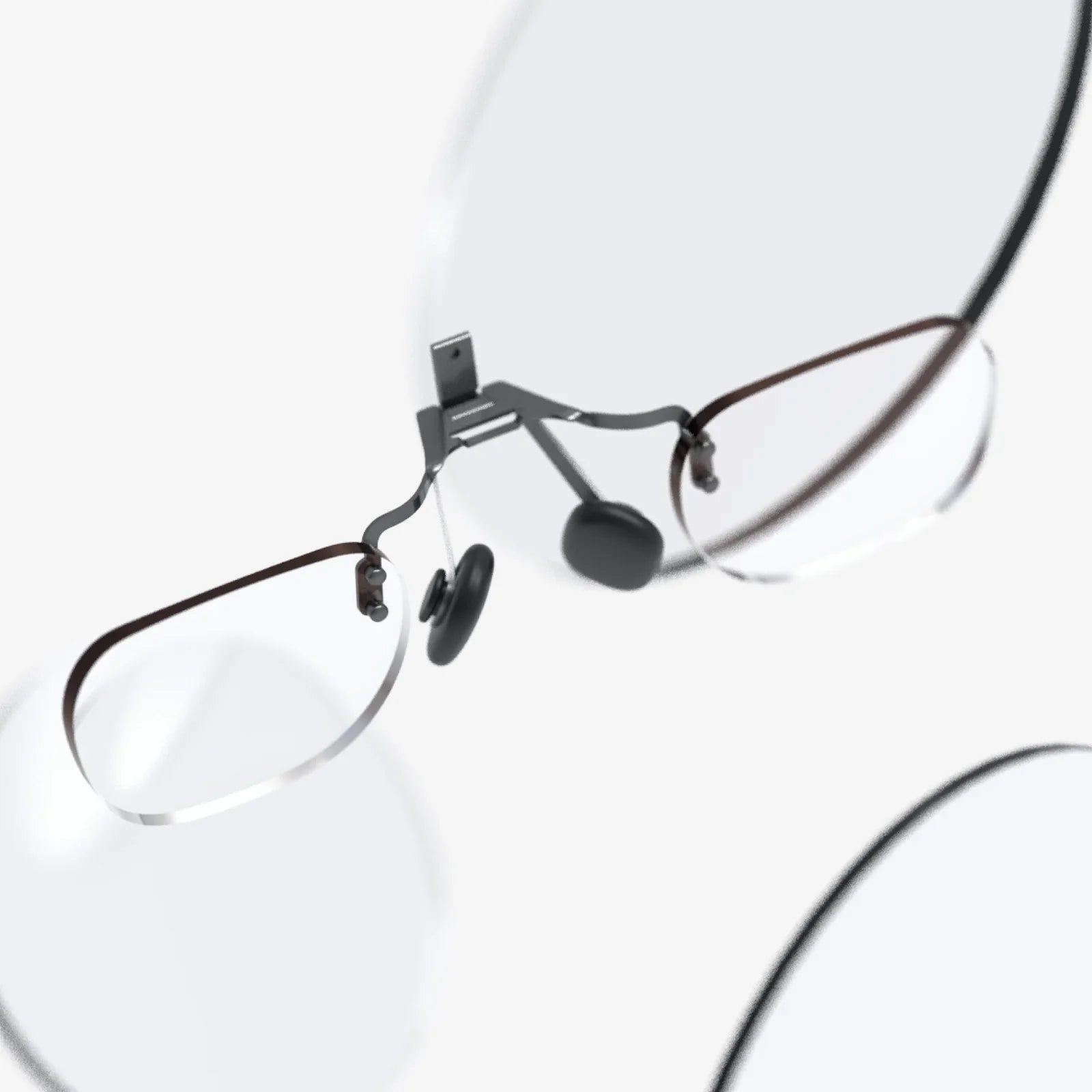
ai sunglasses are quietly turning into the next must-have gadget, blending the style of classic eyewear with the brains of a portable computer. Instead of juggling your phone, earbuds, and fitness tracker, you can simply put on a pair of glasses and get navigation, calls, translation, and even health insights right in front of your eyes. If you have ever wished your regular sunglasses could do more than just block sunlight, the rise of ai sunglasses is exactly the shift you have been waiting for.
What Are ai sunglasses?
ai sunglasses are eyewear that combine traditional sunglasses with embedded electronics and artificial intelligence software. They typically include components such as:
- Microphones for voice commands and calls
- Speakers or audio transducers for discreet sound
- Cameras for capturing photos, videos, or visual data
- Sensors like accelerometers, gyroscopes, and sometimes heart-rate monitors
- Wireless connectivity, usually Bluetooth and Wi-Fi
- A small processor that runs ai algorithms locally or connects to cloud-based ai
Unlike simple smart glasses that just show notifications, ai sunglasses rely on artificial intelligence to interpret your environment and your voice, then respond in context. This means they can do everything from understanding natural language commands to recognizing objects or translating signs you look at.
Key Features You Can Expect from ai sunglasses
Modern ai sunglasses vary widely, but many share a core set of capabilities that define this emerging category.
Hands-Free Voice Control
Voice interaction is at the heart of ai sunglasses. Instead of reaching for your phone, you can use simple wake words or tap gestures to trigger a voice assistant. Common functions include:
- Placing and receiving phone calls
- Sending and reading text messages
- Setting reminders, timers, and calendar events
- Requesting weather, news, or sports updates
- Controlling music playback and volume
The ai component enables the glasses to understand more natural speech, handle follow-up questions, and sometimes even work offline for basic commands.
Context-Aware Assistance
What makes ai sunglasses more than just a wearable microphone is their ability to understand context. With onboard sensors and sometimes cameras, they can tailor responses based on where you are and what you are doing. Examples include:
- Offering walking directions as you move through a city
- Detecting when you are driving and switching to a simplified interface
- Recognizing when you are exercising and automatically tracking your workout
- Adjusting audio volume based on ambient noise levels
This contextual awareness is powered by ai models trained to detect patterns in your location, movement, and usage habits.
Audio-Only or Visual Augmented Reality
ai sunglasses can be roughly divided into two functional styles:
- Audio-first ai sunglasses that look almost identical to regular sunglasses and use speakers to deliver information.
- Display-enabled ai sunglasses that incorporate small displays or projection systems to overlay digital content on your field of view.
Audio-first models are more discreet and lightweight, while display-enabled versions move closer to full augmented reality experiences, such as showing arrows for navigation or text translations in your line of sight.
Fitness and Health Tracking
Many ai sunglasses integrate health and activity features similar to fitness wearables. These may include:
- Step counting and distance estimation
- Calorie burn approximation based on movement
- Heart-rate monitoring with sensors in the frame or nose pads
- Workout recognition such as walking, running, or cycling
The ai system analyzes sensor data to present insights about your activity patterns, sometimes offering coaching suggestions or progress summaries.
Smart Photography and Video
Some ai sunglasses include front-facing cameras. While this raises important privacy questions, it also opens up powerful use cases:
- Hands-free photo and video capture from your point of view
- Automatic stabilization and exposure adjustment
- Scene recognition that optimizes settings for landscapes, portraits, or low light
- Real-time object recognition for educational or accessibility purposes
ai can enhance images in real time, filter out noise, and even suggest the best moments to snap a photo during an activity.
How ai sunglasses Enhance Everyday Life
To understand the real value of ai sunglasses, it helps to look at how they fit into specific scenarios throughout the day.
Commuting and Travel
During your daily commute or while traveling, ai sunglasses can dramatically reduce friction:
- Turn-by-turn directions spoken into your ears or shown subtly in your field of view
- Public transit alerts, such as delays or platform changes, without checking your phone
- Hands-free ticket and boarding pass retrieval via voice commands
- Real-time translation of signs or simple phrases when visiting foreign countries
Because ai sunglasses keep your hands free and your eyes mostly on the real world, they can be safer and more convenient than constantly glancing at a screen.
Work and Productivity
ai sunglasses can support productivity in subtle but meaningful ways:
- Reading out calendar reminders as you move between meetings
- Recording voice notes or transcribing quick ideas without opening a laptop
- Joining conference calls via built-in microphones and speakers
- Displaying minimal heads-up information, such as the time or your next appointment
For professions that require hands-on work, such as technicians, field workers, or creatives, ai sunglasses can offer on-the-spot guidance, checklists, or reference material while leaving both hands available.
Fitness, Sports, and Outdoor Activities
Outdoor enthusiasts and athletes can benefit significantly from ai sunglasses:
- Real-time stats, like pace, distance, and heart rate, delivered through audio prompts
- Route guidance for running, cycling, or hiking trails
- Coaching cues based on your performance metrics
- Weather and UV index alerts to inform your training decisions
Because sunglasses are already a natural part of outdoor gear, adding ai functions turns them into a powerful training companion without extra devices.
Accessibility and Assistance
One of the most impactful applications of ai sunglasses lies in accessibility:
- Describing surroundings for users with low vision using object recognition and scene analysis
- Reading out printed text from signs, menus, or documents
- Providing subtle prompts about faces or expressions in social situations
- Offering audio cues for navigation within buildings or unfamiliar environments
These features rely heavily on computer vision and natural language processing, areas where ai continues to advance rapidly.
Entertainment and Leisure
ai sunglasses also add a new layer of enjoyment to everyday moments:
- Listening to music or podcasts with open-ear audio that keeps you aware of your surroundings
- Receiving recommendations for nearby points of interest as you explore a city
- Capturing spontaneous photos or short videos during social events
- Playing simple location-aware games that blend the digital and physical worlds
Because they are always on your face, ai sunglasses can offer entertainment that adapts fluidly to where you are and what you are doing.
The Technology Powering ai sunglasses
Behind the sleek frames of ai sunglasses lies a complex stack of hardware and software working together to deliver intelligent experiences.
Embedded Sensors and Processors
Most ai sunglasses include a combination of the following hardware elements:
- Microcontrollers or system-on-chip processors that manage inputs, outputs, and basic ai tasks
- Motion sensors like accelerometers and gyroscopes for tracking movement and orientation
- Ambient light sensors to adjust display brightness or audio cues
- Touch or gesture sensors on the temples for manual controls
- Battery modules optimized to fit within the arms of the glasses
These components must be carefully balanced to maintain comfort and style while still delivering enough power for meaningful ai functions.
On-Device AI vs Cloud AI
ai sunglasses typically rely on a mix of on-device processing and cloud-based services:
- On-device AI handles tasks that require low latency, such as wake-word detection, simple voice commands, and basic sensor analysis.
- Cloud AI handles more complex tasks, including advanced speech recognition, language translation, and large-scale computer vision.
This hybrid approach allows ai sunglasses to feel responsive while still tapping into powerful models that would be too large to run entirely on the glasses themselves.
Connectivity with Smartphones and Other Devices
ai sunglasses rarely operate in complete isolation. They typically pair with smartphones or other devices to extend their capabilities:
- Using the phone’s internet connection for cloud-based ai
- Syncing notifications, calls, and messages
- Storing photos, videos, and activity data
- Managing settings through a companion app
This dependence on a nearby device helps keep the sunglasses lighter and more comfortable, while still giving access to a rich ecosystem of services.
Design and Comfort Considerations
Because ai sunglasses are worn on the face, design and comfort are just as critical as technical features.
Weight and Balance
Extra components add weight to the frame, but thoughtful design can distribute this weight so it does not cause pressure points on the nose or ears. When evaluating ai sunglasses, consider:
- The total weight of the glasses
- How evenly the weight is balanced across the frame
- Whether the arms feel bulky or intrusive
Even small differences can determine whether you are comfortable wearing them all day.
Lens Quality and Sun Protection
Despite their high-tech features, ai sunglasses still need to function as effective eyewear. Look for:
- UV protection ratings suitable for your environment
- Polarized options if you spend time near water or reflective surfaces
- Interchangeable or prescription-compatible lenses if needed
Cutting-edge ai is not useful if the lenses strain your eyes or fail to provide adequate protection.
Style and Social Acceptance
One of the challenges for any smart eyewear is social acceptance. Bulky or obviously high-tech designs can make people self-conscious. Modern ai sunglasses aim to resemble regular sunglasses as closely as possible, with:
- Classic frame shapes that blend into everyday fashion
- Subtle indicators instead of bright lights or large cameras
- Color choices that match different personal styles
The more they look like normal sunglasses, the more likely people are to wear them consistently.
Privacy and Ethical Questions Around ai sunglasses
ai sunglasses raise important privacy and ethical concerns that both users and bystanders should consider.
Always-Listening Microphones
To respond to voice commands, ai sunglasses often keep microphones active for wake-word detection. While this does not mean all audio is constantly recorded, it can still create discomfort. Key questions include:
- What audio is processed locally versus sent to the cloud?
- Are there clear indicators when audio recording is active?
- Can users disable microphones or use physical switches?
Understanding these details helps you decide whether a particular pair aligns with your comfort level.
Cameras and Bystander Consent
Cameras built into ai sunglasses can capture people who have not consented to being recorded. Ethical design should address this by:
- Including visible indicators when recording is active
- Limiting background capture where possible
- Offering clear privacy settings and usage guidelines
Users also bear responsibility for respecting local laws and social norms around photography and video.
Data Security and AI Training
Data collected by ai sunglasses, such as voice recordings, location history, and visual content, can be sensitive. It is important to consider:
- How data is stored and whether it is encrypted
- Whether data is used to train ai models and under what conditions
- What controls users have over data deletion and export
Choosing devices that prioritize transparency and user control can reduce the risk of misuse.
How to Choose the Right ai sunglasses for You
With more models appearing on the market, selecting the right ai sunglasses requires a bit of planning. Here are key factors to weigh.
Define Your Primary Use Cases
Start by clarifying what you actually want from ai sunglasses. Common priorities include:
- Hands-free calls and messaging
- Navigation and travel assistance
- Fitness tracking and coaching
- Photography and video capture
- Accessibility support
Your top use cases will guide which features matter most, such as camera quality, battery life, or display capabilities.
Evaluate Battery Life and Charging
Because ai sunglasses are compact, battery capacity is limited. Consider:
- Expected hours of typical use per charge
- How quickly they recharge
- Whether the case includes extra battery capacity
- Impact of heavy features like video recording on battery life
If you plan to wear them all day, prioritize models optimized for efficient power use.
Check Comfort and Fit
No amount of ai power compensates for an uncomfortable fit. When possible, test:
- How they feel on the bridge of your nose after extended wear
- Whether the arms press too tightly against your temples
- If the frame slips during movement or exercise
Some designs include adjustable nose pads or different frame sizes to accommodate various face shapes.
Assess Audio Quality and Transparency
Audio quality is crucial for calls and media. Look for:
- Clear voice reproduction and minimal distortion
- Noise reduction for microphones during calls
- Open-ear designs that keep you aware of your surroundings
- Volume levels that work in noisy environments without leaking too much sound
The balance between privacy and situational awareness will depend on where and how you plan to use them.
Understand the Software Ecosystem
The long-term value of ai sunglasses depends heavily on software support and updates. Consider:
- How often the software is updated with new features
- Compatibility with your smartphone platform
- Integration with your existing apps and services
- Availability of developer tools or third-party extensions
A strong ecosystem can extend the life of your ai sunglasses and adapt them to new use cases over time.
Future Trends Shaping ai sunglasses
ai sunglasses are still in the early stages of their evolution. Several trends are likely to shape their future over the next few years.
More Powerful On-Device AI
As processors become more efficient, ai sunglasses will be able to run larger models locally. This could enable:
- Faster and more accurate voice recognition without cloud access
- Real-time translation directly on the device
- Enhanced privacy by keeping more data on the glasses
- Smarter context detection and personalized responses
Improved on-device ai will make these devices more reliable in areas with poor connectivity.
Richer Augmented Reality Experiences
Display-enabled ai sunglasses will move closer to full augmented reality, with:
- Higher-resolution overlays that are easier to read outdoors
- More accurate alignment of digital content with real-world objects
- Interactive elements controlled by gaze, gestures, or voice
- Specialized applications for education, training, and navigation
These advances will blur the line between simple notifications and fully immersive information layers.
Better Integration with Other Wearables
ai sunglasses will increasingly work as part of a broader wearable ecosystem, alongside smartwatches, earbuds, and health sensors. This integration can enable:
- Shared health and activity data for more accurate insights
- Seamless handoff of calls or media between devices
- Coordinated notifications that appear on the most appropriate device
- Richer context awareness by combining data from multiple sources
Instead of a single gadget trying to do everything, each device can focus on what it does best.
Stronger Privacy Controls and Standards
As ai sunglasses become more common, public expectations and regulations around privacy will likely evolve. This may lead to:
- Clearer visual indicators when recording is active
- Standardized privacy settings across different brands
- More robust on-device encryption and data minimization
- Guidelines for responsible use in public spaces
Manufacturers that prioritize user trust will be better positioned as the market matures.
Practical Tips for Getting the Most from ai sunglasses
Once you decide to adopt ai sunglasses, a few practical strategies can help you get real value instead of just another gadget to charge.
Start with a Few Core Routines
Instead of trying every feature at once, focus on two or three routines, such as:
- Using voice commands for calls and messaging during commutes
- Tracking your daily walks or runs with audio updates
- Relying on navigation assistance when exploring new areas
As these routines become natural, you can gradually explore more advanced capabilities.
Customize Notifications
Too many alerts can quickly become overwhelming. Adjust settings so that your ai sunglasses only interrupt you for:
- Important calls and messages
- Time-sensitive reminders and calendar events
- Relevant travel or safety alerts
This keeps the device helpful rather than distracting.
Learn Voice Commands and Shortcuts
Spending a few minutes learning common voice commands and touch gestures pays off quickly. Practice:
- Initiating calls or messages by voice
- Controlling media playback with simple phrases
- Switching modes, such as from normal use to workout tracking
The smoother your interactions, the more natural the device feels.
Be Mindful of Social and Privacy Norms
When wearing ai sunglasses around others, be transparent about what your device can do, especially if it includes a camera. Simple habits help maintain trust:
- Announcing when you are taking a photo or recording
- Respecting no-recording zones or requests
- Using privacy modes that disable cameras and microphones in sensitive environments
Responsible use makes it easier for these devices to be accepted in everyday settings.
Why ai sunglasses Are Poised to Become Everyday Essentials
ai sunglasses sit at the intersection of fashion, function, and intelligent computing. They offer a way to access digital tools without constantly staring at a screen, and they can quietly enhance everything from your morning commute to your evening workout. As the technology inside them grows more capable and less obtrusive, these smart glasses are set to shift from niche gadgets to everyday essentials.
If you have been curious about wearable technology but hesitant to adopt bulky headsets or complex devices, ai sunglasses provide an inviting middle ground. They look and feel familiar, yet they unlock a layer of assistance that travels with you everywhere you go. Taking the time to understand their features, limitations, and responsibilities now will put you ahead of the curve as intelligent eyewear moves from experiment to everyday reality.
共有:
Technology Glasses And The Future Of Everyday Vision
Screen Spectacles And The New Rules Of Digital Eye Comfort