


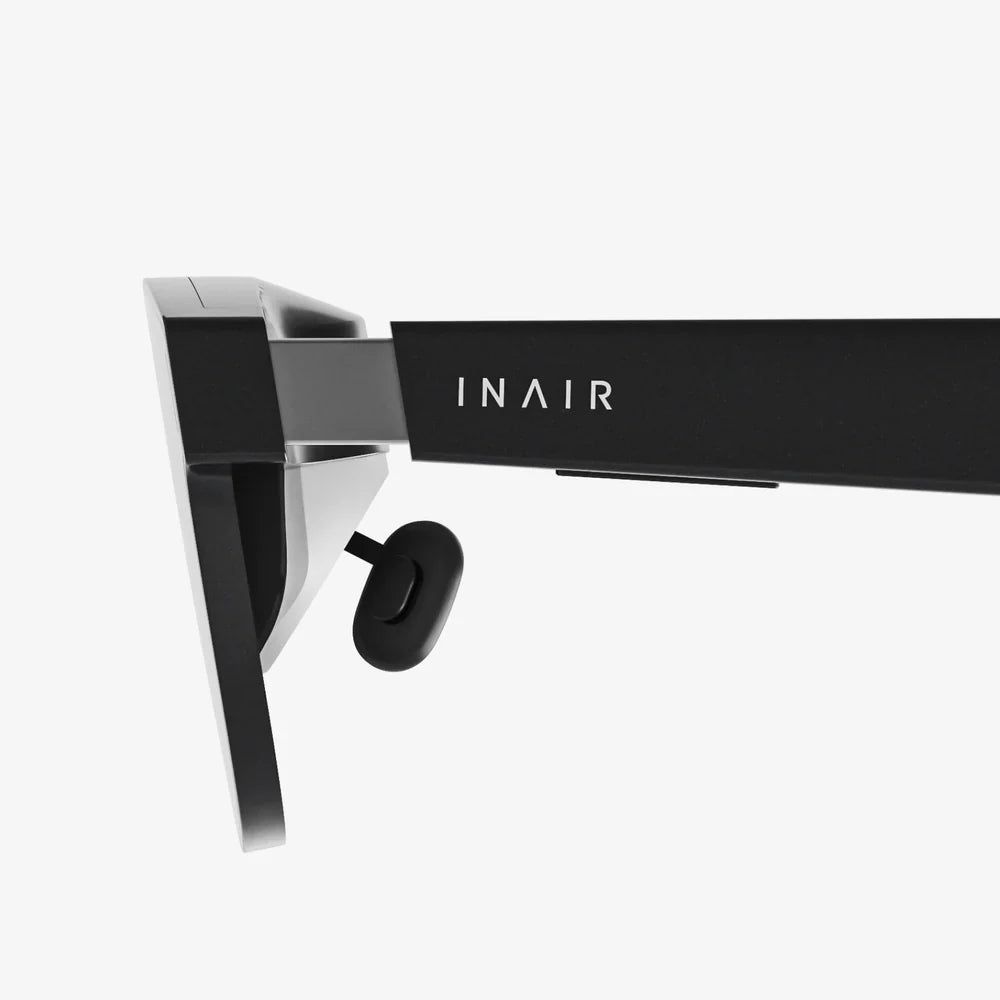
Imagine walking down the street and seeing directions floating in front of you, your messages hovering beside your field of view, and rich 3D content seamlessly blended with the real world. That is the promise of ar mixed reality glasses, and the shift they are driving is bigger than the jump from desktop computers to smartphones. If you want to understand where digital life is heading, you need to understand these glasses.
As ar mixed reality glasses move from experimental gadgets to everyday tools, they are reshaping how we work, learn, shop, socialize, and play. The devices on the horizon will not just sit in your pocket; they will live on your face, continually interpreting your surroundings and enhancing them with contextual information. This article dives deep into how they work, what they can do, the challenges they face, and how you can prepare for a world where digital and physical reality are inseparable.
What Are AR Mixed Reality Glasses?
Ar mixed reality glasses are wearable devices that overlay digital content onto the real world while allowing you to remain aware of your physical surroundings. They combine elements of augmented reality (AR), which adds information to what you see, and mixed reality (MR), which anchors virtual objects into the environment so that they appear to interact with real-world surfaces and lighting.
Unlike traditional virtual reality headsets that fully immerse you in a digital environment and block the outside world, ar mixed reality glasses are designed for continuous, everyday use. They are typically transparent or semi-transparent, enabling you to see your actual environment with digital enhancements layered on top. The long-term vision is simple but radical: instead of looking down at a screen, you look through your world, and the world itself becomes your interface.
Key Technologies Behind AR Mixed Reality Glasses
The magic of ar mixed reality glasses is the result of several advanced technologies working together in real time. Understanding these building blocks helps explain both the potential and the current limitations of these devices.
Optics and Display Systems
At the heart of ar mixed reality glasses is the display system that projects digital images into your eyes while letting you see the real world. Common approaches include:
- Waveguide displays: Thin, transparent layers embedded in the lenses that channel light from tiny projectors into your eyes. They allow for sleek designs that resemble conventional glasses.
- Birdbath or combiner optics: Semi-reflective surfaces that reflect virtual images toward your eyes while still letting you see through to the real world.
- Micro displays: Small, high-resolution screens (such as microLED or OLED) that generate the images sent through the optical system.
These systems must balance brightness, clarity, color accuracy, and field of view while remaining compact and lightweight. Achieving this balance at a consumer-friendly price is one of the biggest engineering challenges.
Sensors and Environmental Awareness
Ar mixed reality glasses need a deep understanding of your surroundings to place virtual objects convincingly in the real world. To do this, they rely on an array of sensors, such as:
- Depth sensors to measure distances and map surfaces.
- RGB cameras to capture visual information about the environment.
- Inertial measurement units (IMUs) to track head movement and orientation.
- Eye-tracking sensors to determine where you are looking, enabling more natural interactions and power savings through foveated rendering.
By combining these inputs, the glasses can build a 3D model of the environment, recognize objects, and maintain stable, realistic placement of virtual elements.
Spatial Computing and SLAM
Spatial computing is the software layer that interprets sensor data to understand space and movement. A key technology is SLAM (Simultaneous Localization and Mapping), which allows the glasses to map an environment while tracking their own position within it.
SLAM enables features such as:
- Anchoring virtual objects to real-world locations so they stay in place as you move.
- Recognizing surfaces like walls, floors, and tables, so virtual objects can sit on or bounce off them.
- Supporting multi-room experiences where virtual content persists across spaces.
The more accurate and efficient the spatial computing, the more convincing and comfortable the mixed reality experience becomes.
On-Device Processing and Connectivity
To feel natural, ar mixed reality glasses must process data quickly with minimal latency. Many devices use a combination of on-board processors and cloud computing:
- On-device chips handle tasks that require ultra-low latency, such as head tracking, rendering, and basic environmental mapping.
- Cloud or edge computing can offload heavier tasks like advanced object recognition, large-scale mapping, and complex simulations.
Fast wireless connections, especially low-latency networks, are critical for seamless experiences. As connectivity improves, glasses can become lighter and more energy-efficient by relying more on remote processing.
User Interaction Methods
Ar mixed reality glasses are redefining how we interact with digital content. Instead of tapping on a screen, users can rely on:
- Hand and gesture tracking: Pinching, pointing, or swiping in the air to manipulate virtual objects.
- Eye-based selection: Looking at an object to highlight or select it, often combined with a simple gesture or voice command to confirm actions.
- Voice commands: Speaking to control apps, search, or trigger actions.
- Physical controllers: In some scenarios, handheld devices provide precise input for gaming or professional tasks.
The most successful systems will feel intuitive, requiring minimal learning while allowing complex tasks to be performed efficiently.
Everyday Uses of AR Mixed Reality Glasses
While much of the attention focuses on futuristic demos, the most transformative impact of ar mixed reality glasses will come from everyday tasks. Here are some of the most promising use cases.
Work and Productivity
Ar mixed reality glasses can turn any space into a personalized digital workspace. Potential scenarios include:
- Virtual monitors: Instead of multiple physical screens, you can pin large virtual displays around your desk, adjust their size and position, and carry your workspace anywhere.
- Context-aware information: When looking at a machine, document, or object, relevant data, instructions, or analytics can appear beside it.
- Remote collaboration: Colleagues can appear as life-size avatars or floating windows, sharing 3D models, annotations, and content that everyone can see in their own space.
- Task guidance: Step-by-step instructions can overlay directly on machinery or equipment, reducing training time and errors.
For knowledge workers, this means greater flexibility and focus. For field workers and technicians, it means hands-free access to critical information.
Education and Training
Education stands to be transformed by immersive and interactive learning experiences. Ar mixed reality glasses can enable:
- 3D visualizations of complex concepts such as molecular structures, historical events, or astronomical systems, making abstract topics tangible.
- Virtual field trips that bring distant locations, ecosystems, or historical sites into the classroom.
- Skill training where learners practice procedures on realistic virtual overlays before working on real equipment.
- Personalized learning paths where content adjusts to the learner’s pace and understanding, with real-time feedback.
By blending hands-on interaction with contextual information, ar mixed reality glasses can make learning more engaging and effective across age groups and disciplines.
Healthcare and Medical Applications
In healthcare, precision and access to real-time information are critical. Ar mixed reality glasses can support:
- Surgical assistance, where patient data, imaging, and guidance are overlaid in the surgeon’s field of view.
- Remote consultations, allowing specialists to see what a local practitioner sees and provide guidance as if they were in the same room.
- Medical training, with realistic simulations and overlays on mannequins or real patients for practice.
- Patient education, showing visual explanations of conditions or procedures to support informed decisions.
These applications can improve outcomes, reduce errors, and expand access to high-quality care in underserved areas.
Industrial, Construction, and Field Work
For industries that rely on complex equipment, large sites, or intricate procedures, ar mixed reality glasses are a powerful tool:
- Assembly and maintenance instructions displayed directly on equipment, highlighting parts and steps.
- Real-time diagnostics with overlays showing performance metrics, warnings, or fault locations.
- Construction visualization, where digital blueprints are overlaid on physical sites to compare plans with reality and detect conflicts early.
- Remote support from experts who can annotate the worker’s field of view and guide problem-solving.
These capabilities can increase efficiency, reduce downtime, and improve safety in demanding environments.
Retail, Shopping, and Customer Experiences
Shopping will look very different once ar mixed reality glasses become common. Possible experiences include:
- Virtual try-ons of clothing, accessories, or cosmetics with realistic lighting and movement.
- Product information overlays when looking at items in a store, including specifications, reviews, and personalized recommendations.
- Home visualization of furniture, decor, or appliances at true scale before making a purchase.
- Guided navigation inside large stores or malls, with highlighted paths to items on your list.
By making shopping more informed, personalized, and efficient, ar mixed reality glasses can reshape both online and in-store experiences.
Entertainment, Gaming, and Social Interaction
Entertainment is one of the most obvious and exciting applications. With ar mixed reality glasses, you could:
- Play mixed reality games where virtual characters and objects interact with your actual environment.
- Watch media on massive virtual screens positioned anywhere in your room.
- Attend virtual events such as concerts, sports, or theater performances with friends, represented as avatars sharing the same virtual space.
- Augment social gatherings with shared digital experiences, such as collaborative art, interactive stories, or ambient visual effects.
These experiences blur the lines between physical and digital social spaces, potentially redefining how people connect and spend leisure time.
Benefits of AR Mixed Reality Glasses
The broad range of applications leads to several key benefits that explain why so many companies and innovators are investing heavily in ar mixed reality glasses.
Hands-Free, Heads-Up Computing
One of the most powerful advantages is the shift from handheld devices to hands-free, heads-up computing. Instead of constantly looking down at a phone, users can:
- Keep their eyes on their surroundings, improving awareness and safety.
- Use both hands for tasks while still accessing digital information.
- Reduce the cognitive load of switching between physical tasks and digital screens.
This is particularly impactful in professions that require mobility, precision, or safety-critical operations.
Contextual and Spatial Intelligence
Ar mixed reality glasses can understand where you are, what you are looking at, and what you are doing. This context enables:
- Just-in-time information that appears when and where you need it.
- Reduced clutter because only relevant content is displayed in your field of view.
- More natural workflows that align digital tools with real-world objects and actions.
This context-aware intelligence is a major step beyond the app-centric model of smartphones.
Enhanced Learning and Skill Development
By combining visual, auditory, and kinesthetic learning in one medium, ar mixed reality glasses can accelerate skill acquisition and improve retention. People can:
- Practice procedures repeatedly in safe, simulated environments.
- Receive personalized feedback based on their performance and behavior.
- Engage with content that adapts to their learning style and pace.
This has implications not just for formal education, but for corporate training, vocational programs, and lifelong learning.
New Forms of Creativity and Expression
Ar mixed reality glasses open up entirely new creative canvases. Artists, designers, and storytellers can:
- Blend digital art with physical spaces in ways that change as viewers move.
- Create interactive installations that respond to gestures, gaze, or group behavior.
- Design experiences that persist in specific locations, turning cities into layered, living galleries.
As tools become more accessible, everyday users will also be able to create and share their own spatial content.
Challenges and Limitations
Despite the excitement, ar mixed reality glasses face significant hurdles before they become truly mainstream. Understanding these challenges helps set realistic expectations.
Hardware Constraints
To be widely adopted, ar mixed reality glasses must be lightweight, comfortable, stylish, and affordable, while still delivering high-quality visuals and long battery life. Current constraints include:
- Battery life: Powerful processing and bright displays consume energy quickly, limiting usage time.
- Heat management: Compact designs make it difficult to dissipate heat without making the device bulky.
- Field of view: Many current systems have a limited visible area for digital content, which can break immersion.
- Weight and ergonomics: Even small differences in weight distribution can cause discomfort during long sessions.
Progress is steady, but reaching the ideal balance of performance and comfort remains a major engineering challenge.
Visual Comfort and Health Concerns
Extended use of ar mixed reality glasses raises questions about visual comfort and health. Potential issues include:
- Eye strain from focusing on virtual objects at fixed focal distances.
- Motion discomfort if head tracking or rendering is not precise and low-latency.
- Attention and distraction concerns, particularly in environments where situational awareness is critical.
Developers are exploring solutions such as variable focus optics, improved rendering techniques, and thoughtful experience design to minimize these risks.
Privacy and Security
Ar mixed reality glasses introduce new privacy challenges because they often include cameras and sensors that continuously scan the environment. Key concerns include:
- Recording without consent in public or private spaces.
- Data collection about what users look at, where they go, and how they interact with their surroundings.
- Security vulnerabilities that could expose sensitive spatial maps or personal information.
Addressing these concerns requires a combination of technical safeguards, transparent policies, user controls, and evolving legal and social norms.
Social Acceptance and Etiquette
Wearing computers on your face is not just a technical issue; it is a social one. Adoption will depend on:
- Design that feels natural and aesthetically acceptable in everyday settings.
- Clear signals when recording or capturing data, to respect others’ comfort and privacy.
- New etiquette about when and where it is appropriate to wear and use ar mixed reality glasses.
As with smartphones, society will gradually develop norms, but missteps in early adoption could slow acceptance.
Content and Ecosystem
Even the best hardware is only as compelling as the experiences it enables. For ar mixed reality glasses to thrive, they need:
- Robust development tools that make it easier to create spatial applications.
- Compelling use cases that justify wearing the device daily, not just occasionally.
- Interoperability between platforms so users are not locked into isolated ecosystems.
Building this ecosystem takes time and requires collaboration between hardware makers, software developers, content creators, and enterprises.
How to Choose AR Mixed Reality Glasses
If you are considering adopting ar mixed reality glasses, whether for personal use or for an organization, there are several factors to evaluate beyond the marketing claims.
Define Your Primary Use Cases
Start by clarifying what you actually want to achieve. Common categories include:
- Professional productivity: virtual monitors, remote collaboration, data visualization.
- Field work and training: guided workflows, remote support, inspections.
- Education: interactive lessons, simulations, visualization of complex concepts.
- Entertainment and gaming: mixed reality games, media consumption, social experiences.
Your priorities will influence the importance of factors like field of view, ruggedness, battery life, and available apps.
Evaluate Comfort and Design
Because these devices are worn on the face, comfort is critical. Consider:
- Weight and balance: Heavier devices may be acceptable for short sessions but not for all-day wear.
- Fit and adjustability: Nose pads, straps, and lens positioning should accommodate different head shapes and prescription inserts if needed.
- Aesthetics: Whether the design feels acceptable in your intended environment, from offices to public spaces.
Whenever possible, test devices in person for at least 20 to 30 minutes to assess real-world comfort.
Assess Visual Quality
Visual quality is not just about resolution. Key aspects include:
- Field of view: A wider field of view allows more immersive experiences and more content in your peripheral vision.
- Brightness and contrast: Important for use in various lighting conditions, including bright outdoor environments.
- Color accuracy and clarity: Critical for design, medical, or content creation tasks.
- Visual artifacts: Look for issues like blurring, color fringing, or misalignment between eyes.
High-quality optics reduce eye strain and improve overall usability.
Interaction and Input Options
Consider how you will interact with the device day to day:
- Does it support comfortable, accurate hand tracking?
- Are voice commands reliable in noisy environments?
- Is there support for external keyboards, controllers, or other peripherals?
- How intuitive is the user interface for non-technical users?
The right combination of input methods will depend on your environment and tasks.
Software Ecosystem and Integration
Check whether the device supports the applications and workflows you need:
- Are there mature productivity, collaboration, or industry-specific apps available?
- Does it integrate with your existing tools, such as project management, design, or communication platforms?
- Is there a strong developer community and documentation for custom applications?
A thriving ecosystem can significantly extend the value of your investment.
Security, Privacy, and Management
For organizations, security and manageability are non-negotiable. Evaluate:
- Device-level encryption and secure boot capabilities.
- User authentication options, such as biometrics or secure tokens.
- Remote management tools for deploying, updating, and monitoring devices.
- Clear policies and controls for data collection, storage, and sharing.
These factors are essential for scaling deployments in regulated or sensitive environments.
Preparing for a Mixed Reality Future
Ar mixed reality glasses are on track to become the next major computing platform. Whether you are an individual user, a business leader, or a developer, there are steps you can take now to prepare.
Experiment with Early Use Cases
Even if you are not ready for large-scale adoption, small pilots can reveal valuable insights. Consider:
- Testing virtual monitor setups for specific teams.
- Running a training module using mixed reality guidance.
- Exploring educational content for specialized courses.
- Prototyping a mixed reality experience related to your products or services.
These experiments help identify where ar mixed reality glasses deliver immediate value and where they still fall short.
Invest in Spatial Skills and Content
As spatial computing grows, skills related to 3D design, interaction design, and spatial storytelling will become increasingly important. Organizations and individuals can:
- Learn or support training in 3D modeling and animation.
- Explore spatial design principles, such as how content should be arranged in a 3D environment.
- Develop internal guidelines for mixed reality content that emphasize usability, safety, and accessibility.
Building these capabilities early positions you to take advantage of future hardware advances.
Shape Policies and Culture
Because ar mixed reality glasses touch so many aspects of daily life, they require thoughtful policies and cultural norms. Organizations should:
- Define where and when mixed reality devices can be used, especially in sensitive areas.
- Establish clear guidelines for recording, data handling, and privacy.
- Communicate with employees and stakeholders about the benefits and responsibilities associated with these technologies.
Proactive policy-making can prevent misunderstandings and build trust as adoption grows.
Monitor Standards and Interoperability
The long-term potential of ar mixed reality glasses depends on open standards and interoperability across devices and platforms. Staying informed about:
- Emerging standards for spatial mapping, content formats, and interaction models.
- Cross-platform development frameworks that reduce fragmentation.
- Industry collaborations aimed at building shared infrastructure for spatial computing.
Awareness of these developments can guide technology choices that remain relevant as the ecosystem matures.
Why AR Mixed Reality Glasses Are Worth Your Attention Now
Ar mixed reality glasses are not just another gadget; they represent a shift in how humans and computers relate to the world around them. Instead of forcing you to adapt to flat screens and rigid interfaces, they adapt digital experiences to your environment, your body, and your context.
Today’s devices are only the beginning. As optics, processors, and software improve, ar mixed reality glasses will become lighter, more capable, and more affordable. Workplaces will integrate spatial workflows, classrooms will use immersive content as naturally as textbooks, and entertainment will spill out of screens into the spaces we inhabit.
If you start exploring now, even in small ways, you will be better prepared for the moment when these glasses become as common as smartphones. Whether you want to boost productivity, reimagine customer experiences, or simply be ready for the next wave of digital life, ar mixed reality glasses are a technology you cannot afford to ignore. The world you see today is about to gain a powerful new layer, and those who learn to design, navigate, and thrive in that layer will shape the future everyone else inhabits.
共有:
best ai tools for taking notes during meetings 2025: A Practical Guide
透明OLED ARグラス:あなたの世界とデジタル宇宙を融合