


ar reality is no longer a sci-fi promise reserved for futuristic movies; it is quietly sliding into your daily life through your phone, your car, your workplace, and even the way you shop. Every time you point a camera at your surroundings and see digital information layered on top, you are stepping into a new kind of world where the physical and digital merge. Understanding how this shift works, where it is headed, and how you can benefit from it could be one of the most valuable tech insights you gain this decade.
What Is ar reality, Really?
At its core, ar reality (augmented reality) is a technology that overlays digital elements onto the real world in real time. Unlike virtual reality, which immerses you in a completely digital environment, ar reality keeps you grounded in your physical surroundings while enhancing them with information, graphics, sound, and interactive objects.
This enhancement can take many forms:
- Visual overlays: Text, icons, 3D models, or animations placed on top of real-world scenes.
- Audio cues: Spatial sound or spoken instructions tied to specific locations or objects.
- Haptic feedback: Vibrations or other tactile responses that correspond to virtual interactions.
ar reality can be experienced through several types of devices:
- Smartphones and tablets: The most common entry point, using the camera and screen.
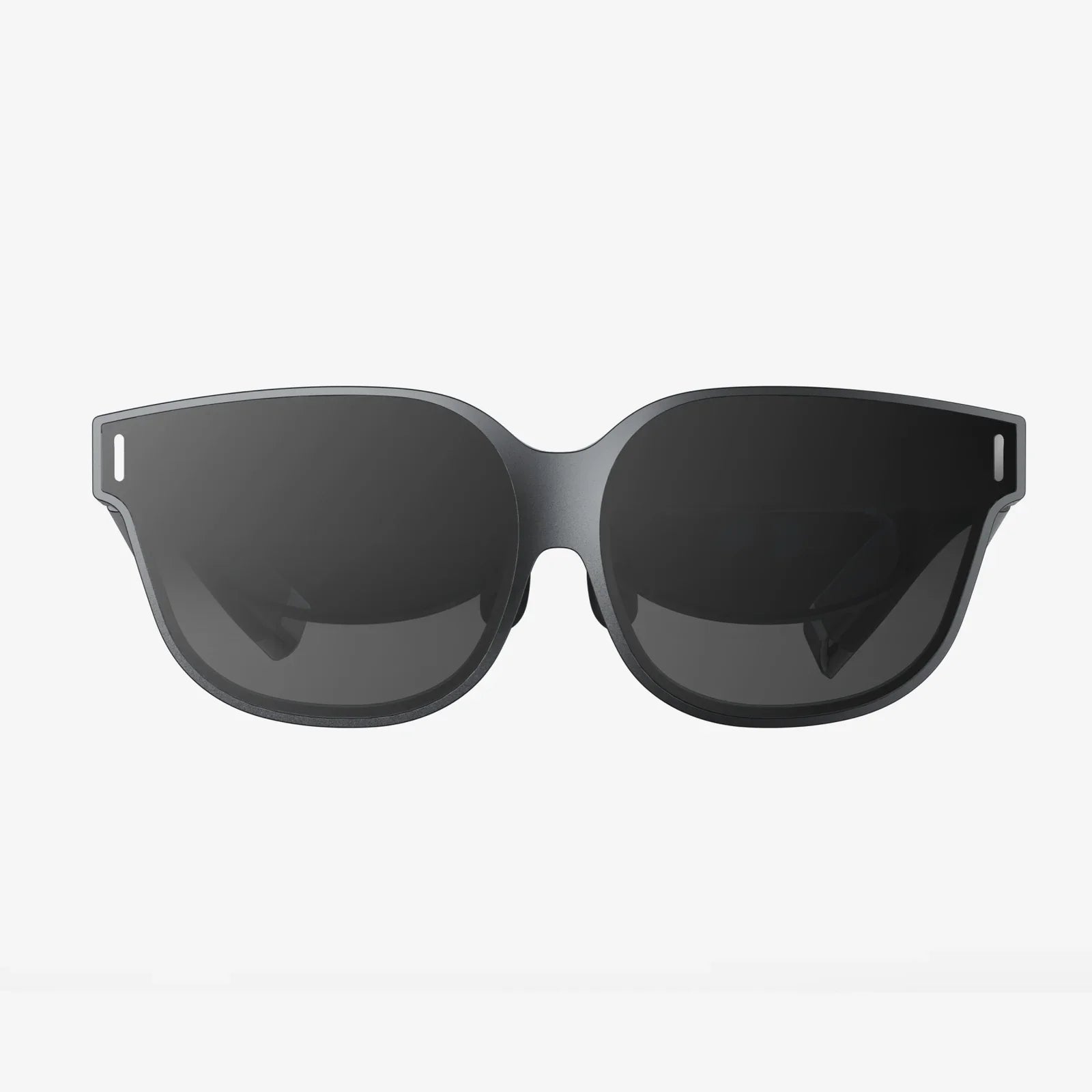
- Smart glasses and headsets: Wearable devices that project digital content into your field of view.
- Heads-up displays: Integrated into car windshields or helmets to show navigation and status information.
What makes ar reality powerful is not just the visual effect, but the way it can understand and respond to the environment. Modern AR systems use sensors, cameras, and algorithms to detect surfaces, recognize objects, estimate depth, and track your position, enabling digital content to appear stable and believable in the physical world.
The Core Technologies Behind ar reality
To appreciate where ar reality is going, it helps to know what makes it work. Several key technologies cooperate behind the scenes:
- Computer vision: Algorithms that interpret what the camera sees, identifying planes, edges, and objects so that virtual elements can be properly anchored.
- Simultaneous localization and mapping (SLAM): Techniques that allow a device to build a map of an unknown environment while tracking its own position within that environment.
- Depth sensing: Using specialized sensors or multiple cameras to estimate the distance to surfaces and objects, improving realism and occlusion (where real objects can block virtual ones).
- 3D rendering: Graphics engines that draw and animate virtual objects in real time, matching lighting and perspective to the real scene.
- Cloud connectivity: Remote servers that store 3D maps, object models, and shared experiences so that multiple users can see the same augmented content.
These components are becoming more efficient and accessible, which is why ar reality is moving from novelty to everyday utility.
How ar reality Is Changing Everyday Life
ar reality is already influencing daily habits, often in subtle ways. You may not think of it as advanced technology when you use it, but the impact is real.
Navigation and Wayfinding
Maps used to be flat, abstract representations of space. ar reality turns navigation into a direct visual guide layered onto your surroundings. Instead of glancing between your screen and the street, you can see arrows, labels, and directions aligned with the real world.
Typical uses include:
- Pedestrian navigation: Arrows and markers floating along sidewalks, showing you exactly where to turn.
- Indoor navigation: Guidance through complex buildings like airports, malls, and hospitals, with overlays pointing to gates, stores, or departments.
- Heads-up directions in vehicles: Speed, lane guidance, and upcoming turns projected into your field of view.
This shift reduces cognitive load: you spend less time translating abstract map symbols and more time simply following what you see.
Communication and Social Interaction
ar reality is also reshaping how people communicate and express themselves. Filters, effects, and virtual objects can be shared in real time during video calls, live streams, or recorded clips. While these often seem playful, they represent a deeper change: your physical appearance and environment are becoming editable layers.
Beyond visual effects, shared AR spaces allow multiple users to interact with the same digital objects in the same physical location. This opens the door to collaborative art, shared note-taking, group games, and new forms of social storytelling.
ar reality at Work: From Training to Remote Assistance
The workplace is one of the most promising arenas for ar reality, because the technology directly addresses practical problems: how to train people faster, reduce errors, and maintain complex systems.
On-the-Job Training
Traditional training relies on manuals, videos, and classroom sessions. ar reality can place instructions directly on the equipment or environment where a task is performed. For example:
- Step-by-step overlays showing which component to adjust, which button to press, or which cable to connect.
- Color-coded highlights indicating safe zones, hazards, or attention areas.
- Interactive simulations that let trainees practice procedures on virtual objects before touching real equipment.
This approach accelerates learning, reduces mistakes, and supports people with varying experience levels.
Remote Expert Assistance
ar reality is also transforming how experts support field workers. Instead of traveling to a site, an expert can see what a local technician sees through a camera feed and overlay annotations directly onto the shared view. They can draw arrows, highlight parts, or place virtual notes that remain fixed in space.
This model reduces downtime, cuts travel costs, and allows scarce expertise to be distributed more flexibly across locations and time zones.
Design, Prototyping, and Collaboration
In design-heavy fields such as architecture, engineering, and product development, ar reality enables teams to visualize and manipulate 3D models at full scale in real environments. Instead of imagining how a structure will look from a blueprint or screen, stakeholders can walk around a virtual model placed on a construction site or inside an existing building.
Key benefits include:
- Identifying design conflicts early, before physical construction or manufacturing.
- Testing multiple layouts or configurations quickly.
- Allowing non-technical stakeholders to understand complex designs intuitively.
This can shorten decision cycles and reduce costly changes later in a project.
ar reality in Education and Learning
Education is being quietly reimagined through ar reality, turning passive content into interactive experiences that can adapt to different learning styles.
Interactive Textbooks and Lessons
Printed pages and static diagrams can only go so far. With ar reality, a student can point a device at a page or object and see additional layers of information:
- 3D models of molecules, historical artifacts, or mechanical systems that can be rotated and explored.
- Animations showing processes such as cell division, planetary motion, or fluid dynamics.
- Contextual quizzes and hints that appear next to relevant content.
This makes abstract concepts more concrete and memorable, helping learners build deeper understanding.
Field Trips Without Leaving the Classroom
ar reality can bring distant places into the classroom. Students can walk around a virtual reconstruction of an ancient city anchored to the classroom floor, or explore the interior of a volcano mapped onto a playground. Unlike traditional videos, AR experiences can be interactive, letting students choose where to look and what to examine.
These experiences are not limited to schools. Museums, science centers, and cultural institutions are using AR layers to add stories, reconstructions, and behind-the-scenes information to physical exhibits, enriching visits for all ages.
Skill-Based and Vocational Training
Beyond academic subjects, ar reality supports vocational training in fields like healthcare, manufacturing, and logistics. Trainees can practice procedures in realistic, risk-free scenarios:
- Simulated medical procedures overlaid on training mannequins or virtual patients.
- Assembly and maintenance tasks guided by step-by-step overlays.
- Warehouse operations with visual cues for picking, packing, and routing.
By combining repetition, feedback, and realistic context, AR-based training can build confidence and competence more quickly than traditional methods alone.
ar reality in Healthcare and Well-Being
Healthcare is one of the most sensitive and impactful domains for ar reality. When used carefully, the technology can support diagnosis, treatment, and patient education.
Surgical Planning and Guidance
Surgeons can use ar reality to visualize internal structures based on imaging data, projected onto a patient’s body. This can help with planning incisions, avoiding critical structures, and understanding spatial relationships during complex procedures.
In some setups, real-time overlays can assist during surgery, showing depth, orientation, or reference points without requiring the surgeon to look away from the operative field.
Rehabilitation and Therapy
ar reality can make rehabilitation exercises more engaging and precise. Patients can be guided through movements by following virtual targets or paths, with the system measuring performance and providing feedback. This can be applied to physical therapy, occupational therapy, and even cognitive rehabilitation.
Mental health applications are emerging as well. AR experiences can support exposure therapy, mindfulness practices, or stress reduction by creating controlled, responsive environments that blend with the real world rather than fully replacing it.
Patient Education and Empowerment
Medical information is often complex and intimidating. ar reality can help patients understand their conditions and treatment options by visualizing anatomy, procedures, or medication effects in an intuitive way. For example, a patient might see a 3D representation of how a treatment works inside the body, anchored to a simple model or even their own silhouette.
Better understanding can lead to more informed decisions and stronger adherence to treatment plans.
Entertainment, Gaming, and Storytelling in ar reality
Entertainment is where many people first encounter ar reality in a memorable way. Games and interactive stories that blend with the real world can create a sense of magic that traditional media cannot match.
Location-Based Games and Experiences
Location-based AR games encourage exploration of physical spaces. Players move through real streets, parks, and landmarks to interact with virtual characters, objects, or challenges. This merges exercise, discovery, and social interaction into a single experience.
Beyond games, cultural experiences can use similar mechanics. Walking tours can be enhanced with historical reconstructions, fictional narratives, or layered commentary that appears as you move through a city.
Interactive Stories in Your Living Room
ar reality enables stories to unfold in your own environment. Characters can appear on your floor or table, objects can emerge from your walls, and scenes can adapt to the layout of your home. This creates a personalized stage where each viewer’s experience is slightly different.
Storytellers can play with perspective, scale, and proximity in new ways. A towering creature might lean over you, or a miniature world might unfold on a coffee table. These experiences can be educational, playful, or emotionally rich.
Shopping, Retail, and the Future of Commerce
ar reality is quietly rewriting the rules of shopping by reducing uncertainty and friction in the buying process. When you can see how something fits, looks, or functions before you purchase, your decision becomes more confident.
Visualizing Products in Context
One of the most practical uses of ar reality is visualizing products in your own space. You can place virtual furniture in your living room, test colors on your walls, or see how decor items look on a shelf. This reduces guesswork and returns, and helps you refine your style.
Similarly, apparel and accessories can be virtually tried on, giving a sense of fit, proportion, and style without a physical fitting room. While not perfect, these experiences are improving rapidly as body tracking and modeling technologies advance.
Enhanced In-Store Experiences
Physical stores can use ar reality to layer information and experiences onto shelves, displays, and products. Shoppers can point a device at an item to see additional details, usage ideas, or complementary products. Interactive guides can lead customers through a store, highlighting promotions or curated collections.
For complex products, AR can demonstrate features, show internal components, or simulate use cases, turning a static display into an interactive learning experience.
Key Challenges and Risks of ar reality
Despite its promise, ar reality raises important questions and challenges that need to be addressed thoughtfully.
Privacy and Data Collection
ar reality systems often rely on detailed mapping of environments and, in some cases, recognition of faces, objects, and behaviors. This creates a rich stream of data about where people are, what they do, and what their surroundings contain.
Concerns include:
- How environment maps and visual data are stored and secured.
- Whether individuals are recorded or recognized without consent.
- How usage patterns are analyzed and monetized.
Clear policies, strong encryption, and transparent controls are essential to maintain trust and prevent misuse.
Information Overload and Cognitive Strain
ar reality can easily flood users with information. Too many overlays, notifications, or visual elements can distract from the real world, reduce situational awareness, and cause fatigue.
Designers must prioritize:
- Minimalism: showing only what is necessary at a given moment.
- Context-awareness: adapting content to the user’s task, location, and state.
- Safety: avoiding overlays that obscure critical real-world cues, especially while driving or operating equipment.
Physical and Social Side Effects
Extended use of ar reality can lead to eye strain, discomfort, or motion-related issues if the system is not well calibrated. Ergonomics of wearable devices also matter: weight, balance, and heat can limit how long people want to wear them.
Socially, the presence of AR devices can raise questions about etiquette and boundaries. When it is hard to tell whether someone is recording or what they are looking at, trust can be affected. Clear signals and norms will be needed to navigate shared spaces.
Design Principles for Effective ar reality Experiences
To unlock the full potential of ar reality, creators need to follow principles that respect human perception, attention, and context.
Anchor to Real Needs
Novelty wears off quickly. The most valuable AR experiences solve real problems or create meaningful delight. Before adding an overlay or interaction, designers should ask:
- What decision or action does this help the user make?
- Is AR the best way to deliver this information?
- Does this reduce friction, confusion, or risk?
Respect the Real World
ar reality should enhance, not replace, the physical environment. That means:
- Avoiding clutter that hides important real-world details.
- Matching lighting and perspective so virtual objects feel coherent.
- Allowing users to easily toggle, filter, or remove overlays.
Design for Comfort and Safety
Motion, brightness, and interaction patterns should be tuned to minimize discomfort. Smooth transitions, stable tracking, and clear feedback help users feel grounded. Safety-critical contexts require extra caution, with strict limits on how much visual attention AR can demand.
How to Prepare Yourself and Your Organization for ar reality
If you want to be ready for a world where ar reality is woven into daily life, there are practical steps you can take now.
For Individuals
- Experiment: Try a variety of AR apps for navigation, learning, creativity, and entertainment to understand what feels useful versus gimmicky.
- Develop spatial thinking: Practice visualizing 3D structures and layouts; this skill becomes more valuable as digital content moves into physical space.
- Protect your privacy: Learn how AR apps handle data, and adjust permissions, camera access, and location sharing according to your comfort level.
- Observe your habits: Notice when AR truly helps you and when it distracts you, and adjust your usage accordingly.
For Businesses and Organizations
- Identify high-impact use cases: Look for tasks that are visual, spatial, or procedural, where AR guidance or visualization could save time or reduce errors.
- Start with pilots: Run small, focused experiments with clear metrics rather than trying to transform everything at once.
- Invest in content: Effective AR requires accurate 3D models, maps, and instructions; building and maintaining this content is a strategic asset.
- Train your workforce: Provide not just technical training, but also guidelines for safe, respectful, and ethical use of AR tools.
- Plan for integration: Ensure that AR systems connect to existing data sources, workflows, and security frameworks.
What the Future of ar reality Might Look Like
Looking ahead, ar reality is likely to evolve from an optional layer into a default interface for many tasks. Several trends point in this direction:
- Lighter, more natural wearables: As smart glasses and similar devices become smaller, more comfortable, and more stylish, wearing AR-capable hardware in public will feel normal.
- Persistent digital layers: Places and objects may have enduring digital counterparts, so that information, notes, and experiences stay attached to them over time.
- Context-aware assistance: AR systems will better understand what you are doing and offer timely, relevant support without manual prompts.
- Shared reality: Multiple people will see and interact with the same digital content in the same physical space, blending collaboration and communication in new ways.
This future is not guaranteed to be comfortable or equitable by default. Choices made now about privacy, accessibility, and design will shape how inclusive and empowering ar reality becomes.
ar reality is quietly rewriting how you see, learn, work, shop, and play, one overlay at a time. The line between the physical and digital worlds is becoming less like a wall and more like a window you can look through, adjust, and personalize. If you pay attention today, experiment thoughtfully, and demand experiences that respect your time, attention, and privacy, you will be better positioned to thrive in a world where reality itself is something you can actively tune. The next time you lift your phone and see information floating over the world around you, remember: this is not just a clever trick; it is a preview of how your everyday reality is being augmented, layer by layer.
共有:
Smart Glasses Technology And The Future Of Seamless Digital Living
Augmented Reality Displays Transforming How We See the Digital World