


- by wangfred
Augmentality VR Arcade Experiences That Redefine Immersive Entertainment
- by wangfred
Augmentality VR arcade venues are quietly rewriting the rules of entertainment, turning ordinary nights out into mind-bending journeys through virtual worlds that feel startlingly real. Whether you are dodging digital arrows, solving puzzles on a floating island, or exploring alien landscapes with friends, these next-generation arcades combine cutting-edge technology with social, physical gameplay in a way that traditional gaming simply cannot match. If you have ever wondered what it would be like to step inside your favorite game or movie universe, augmentality VR arcade experiences are the closest thing available today.
At its core, an augmentality VR arcade is a location-based entertainment space where virtual reality headsets, motion tracking, and interactive environments are used to create fully immersive adventures. Unlike playing VR at home, these arcades offer larger play areas, high-end equipment, and curated experiences designed for groups. The result is a blend of gaming, fitness, socializing, and storytelling that feels more like an event than a casual pastime.
An augmentality VR arcade is a venue dedicated to immersive, interactive virtual reality experiences. Visitors pay for time or sessions, put on a headset, and are transported into digital worlds that can be explored alone or with others. These spaces often feature multiple game stations, free-roam arenas, and themed rooms that support different types of experiences, from cooperative missions to competitive battles.
The term "augmentality" captures the fusion of augmented and virtual realities with physical space. While the experiences are primarily virtual, they are anchored in real-world locations and movement. Players walk, duck, reach, and sometimes even feel physical props that correspond to in-game objects. This blend makes the experiences feel far more tangible than sitting on a couch with a controller.
Behind the scenes, augmentality VR arcade experiences are powered by a carefully orchestrated set of technologies and design choices. Several core components work together to deliver the sense of presence and immersion that keeps visitors coming back.
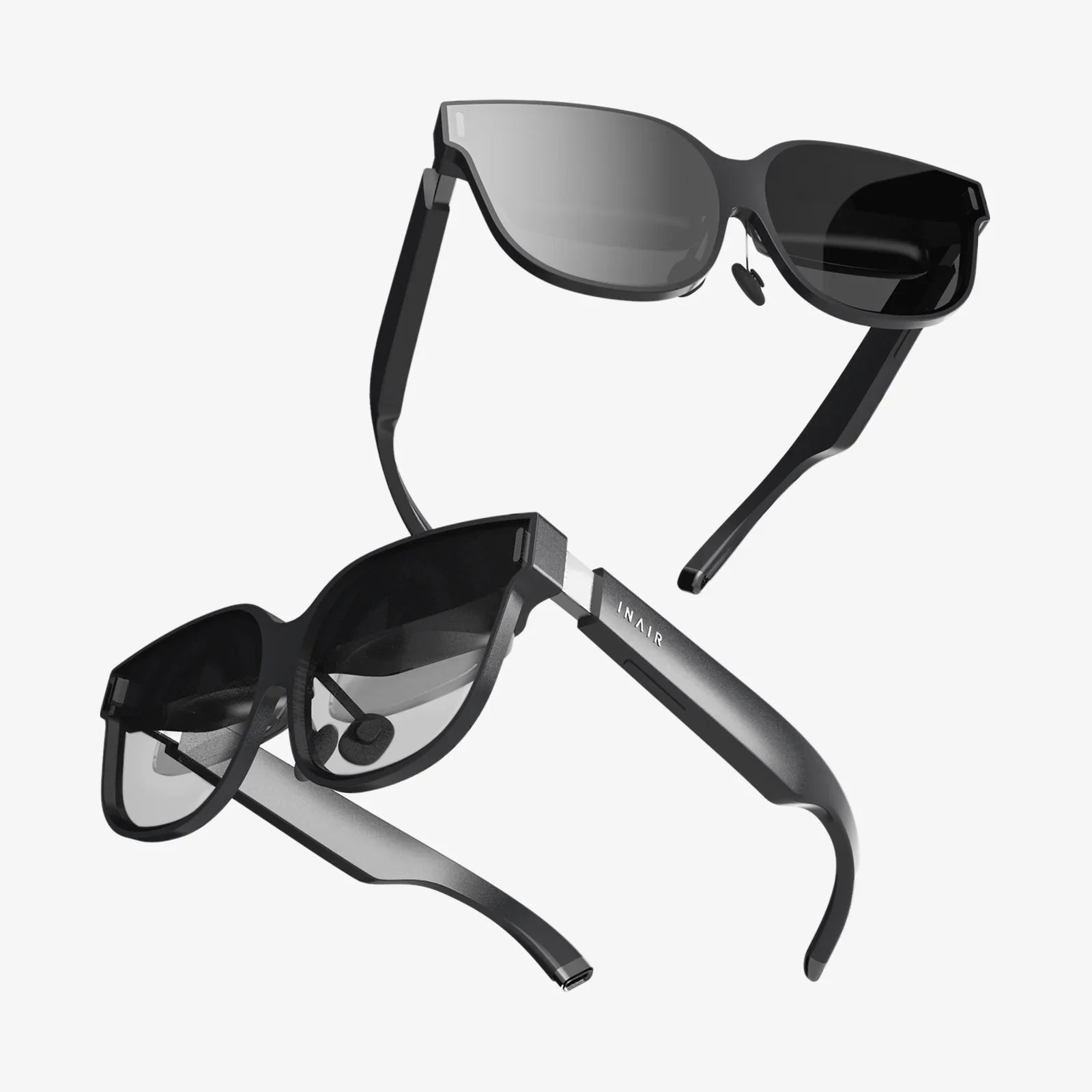
The most visible piece of hardware is the headset. High resolution displays, wide fields of view, and precise tracking are essential to minimize motion sickness and make virtual worlds feel sharp and convincing. Paired with motion controllers or hand tracking, players can naturally interact with objects, weapons, tools, and user interfaces in the virtual environment.
Augmentality VR arcade spaces are typically designed for room-scale or free-roam tracking, meaning players can move around a physical area while their virtual avatars move correspondingly in the digital world. Sensors and tracking systems monitor position and orientation, allowing for:
This physical movement adds a layer of realism and excitement that is difficult to replicate in a living room.
Some augmentality VR arcade setups incorporate haptic vests, rumble devices, or physical props to deepen immersion. When you feel a subtle vibration as a virtual door slams shut or a jolt when your avatar takes damage, the experience becomes more visceral. Physical props, such as mock weapons, steering wheels, or tool handles, can be tracked and mapped to virtual objects so that what you hold in your hands matches what you see in the headset.
A strong augmentality VR arcade is defined by its content. Venues typically offer a curated library of experiences tailored to different age groups, skill levels, and preferences. Categories often include:
This variety allows visitors to choose experiences that match their interests, whether they want high-intensity action or low-key exploration.
Trained staff members are crucial to the operation of an augmentality VR arcade. They help guests put on equipment, explain controls, monitor experiences, and ensure safety. Clear boundaries, cable management, and real-time supervision help prevent collisions or accidents. Many venues also incorporate virtual boundaries that appear in the headset when players approach the edge of the play area.
The appeal of augmentality VR arcade experiences goes beyond novelty. Several powerful psychological and social factors make them an attractive option for individuals, families, and groups.
Presence is the feeling of "being there" in a virtual environment. High-quality VR, combined with physical movement and interactive elements, can trick the brain into accepting the virtual world as temporarily real. Standing on a narrow ledge above a virtual canyon can make your palms sweat, even though you know you are in a safe room. This sense of presence is thrilling and memorable, turning each visit into a story worth telling.
Augmentality VR arcade experiences are inherently social. Many games are designed for teams, encouraging communication, coordination, and shared problem-solving. This makes them ideal for:
Unlike traditional arcades where players stand side by side, VR arcades place groups in the same virtual world, allowing them to see each other as avatars, exchange gestures, and collaborate in real time.
VR arcade experiences often involve standing, walking, reaching, and dodging. While it is not a full workout, the physical engagement is a refreshing contrast to sedentary screen time. Visitors may find themselves sweating after an intense mission or competitive match, making the experience feel more active and energizing.
One of the strengths of augmentality VR arcade design is accessibility. Many experiences use intuitive gestures and simple controls, making them approachable for people who rarely play video games. Instead of memorizing complex button combinations, visitors can simply reach, point, grab, or move naturally. Staff guidance and tutorial segments further reduce barriers, ensuring that even first-timers can enjoy themselves quickly.
Not all VR arcade experiences are the same. Different formats cater to different tastes, group sizes, and comfort levels. Understanding these categories can help visitors choose the right experience for their needs.
Free-roam adventures allow groups to move together through a shared virtual environment, often in a dedicated arena. Players can see each other as avatars, communicate via voice, and collaborate on objectives. Typical scenarios include:
These experiences emphasize teamwork, strategy, and immersion, making them ideal for groups of friends or colleagues.
VR escape rooms combine the puzzle-solving and time pressure of traditional escape games with the limitless possibilities of virtual worlds. Instead of being confined to a single physical room, players might find themselves:
These experiences reward observation, communication, and creative thinking, and they can be less physically intense than action-oriented games.
For visitors who thrive on competition, augmentality VR arcade venues often host arena-style games and tournaments. Players face off in virtual arenas, using strategy, aim, and movement to outplay opponents. Game formats may include:
Some venues organize regular events, leagues, or leaderboards, encouraging repeat visits and fostering local VR esports communities.
Not every augmentality VR arcade experience involves intense action. Many venues offer family-friendly content focused on exploration, creativity, or learning. Examples include:
These experiences can be especially appealing to parents looking for educational outings or to groups with mixed ages and interests.
To get the most out of an augmentality VR arcade trip, it helps to plan ahead and understand what makes a session truly memorable. Several factors influence how enjoyable and impactful the experience will be.
Consider the preferences and comfort levels of everyone in your group. Questions to ask include:
Matching the experience to the group ensures that everyone feels included and has fun, rather than some players feeling overwhelmed or left behind.
VR can be physically and mentally intense, especially for newcomers. Simple steps can improve comfort:
Modern VR systems and careful content design have reduced motion sickness for most users, but listening to your body and pacing yourself is still important.
One of the biggest advantages of an augmentality VR arcade visit is the opportunity to share the adventure with others. To make the most of this social aspect:
When groups treat the session as a shared story rather than a solo challenge, the memories tend to last longer and feel more meaningful.
Running an augmentality VR arcade requires more than just buying headsets and opening the doors. Successful venues must manage technology, safety, staffing, and customer experience with precision.
Reliable, high-performance systems are essential. Venues typically invest in:
Smooth performance is critical to immersion; even minor stutters or tracking errors can break the spell and increase discomfort.
To keep visitors engaged and encourage repeat business, augmentality VR arcade operators must regularly refresh their content libraries. This may involve:
Curating a balanced selection that appeals to diverse audiences is an ongoing challenge, but it is also a key differentiator between venues.
Staff members at augmentality VR arcade venues must be comfortable with both technology and customer service. They need to:
Friendly, knowledgeable staff can transform a good experience into a great one, especially for first-time visitors who may feel nervous or unsure.
As technology continues to evolve, augmentality VR arcade experiences are poised to become even more immersive, accessible, and diverse. Several emerging trends are likely to shape the next generation of venues.
Advances in hand tracking, eye tracking, and full-body motion capture will allow players to interact with virtual worlds more naturally. Instead of relying solely on controllers, visitors will be able to:
These improvements will deepen the sense of presence and make social interactions in VR feel more lifelike.
Future augmentality VR arcade spaces may integrate augmented reality elements, allowing virtual content to overlay the physical venue. Imagine seeing digital creatures running across real floors or virtual interfaces appearing on physical walls. This hybrid approach could enable:
The line between the arcade and its virtual worlds will become increasingly blurred.
While entertainment is the primary focus today, augmentality VR arcade technology has potential applications in other fields. Venues could host:
By leveraging existing infrastructure and expertise, arcades can expand their role in local communities and reach new audiences.
As systems become more sophisticated, augmentality VR arcade experiences may adapt dynamically to individual players. Personalized difficulty levels, tailored storylines, and adaptive challenges could respond to:
This personalization would help ensure that each visitor feels appropriately challenged and engaged, whether they are seasoned gamers or complete beginners.
Augmentality VR arcade experiences sit at the intersection of technology, storytelling, and social connection, offering something that cannot be replicated at home or through traditional entertainment. As hardware becomes more advanced and content more sophisticated, the gap between ordinary gaming and these immersive venues continues to widen.
For anyone curious about the future of interactive entertainment, there has never been a better moment to step into an augmentality VR arcade and see what the buzz is about. Whether you are planning a unique date night, organizing a team-building event, or simply looking for a fresh way to spend an afternoon with friends, these venues offer a rare chance to leave the everyday world behind and inhabit extraordinary realities together. The next unforgettable story you tell might begin the moment you lower a VR headset over your eyes and take that first step into a world where imagination and reality collide.