


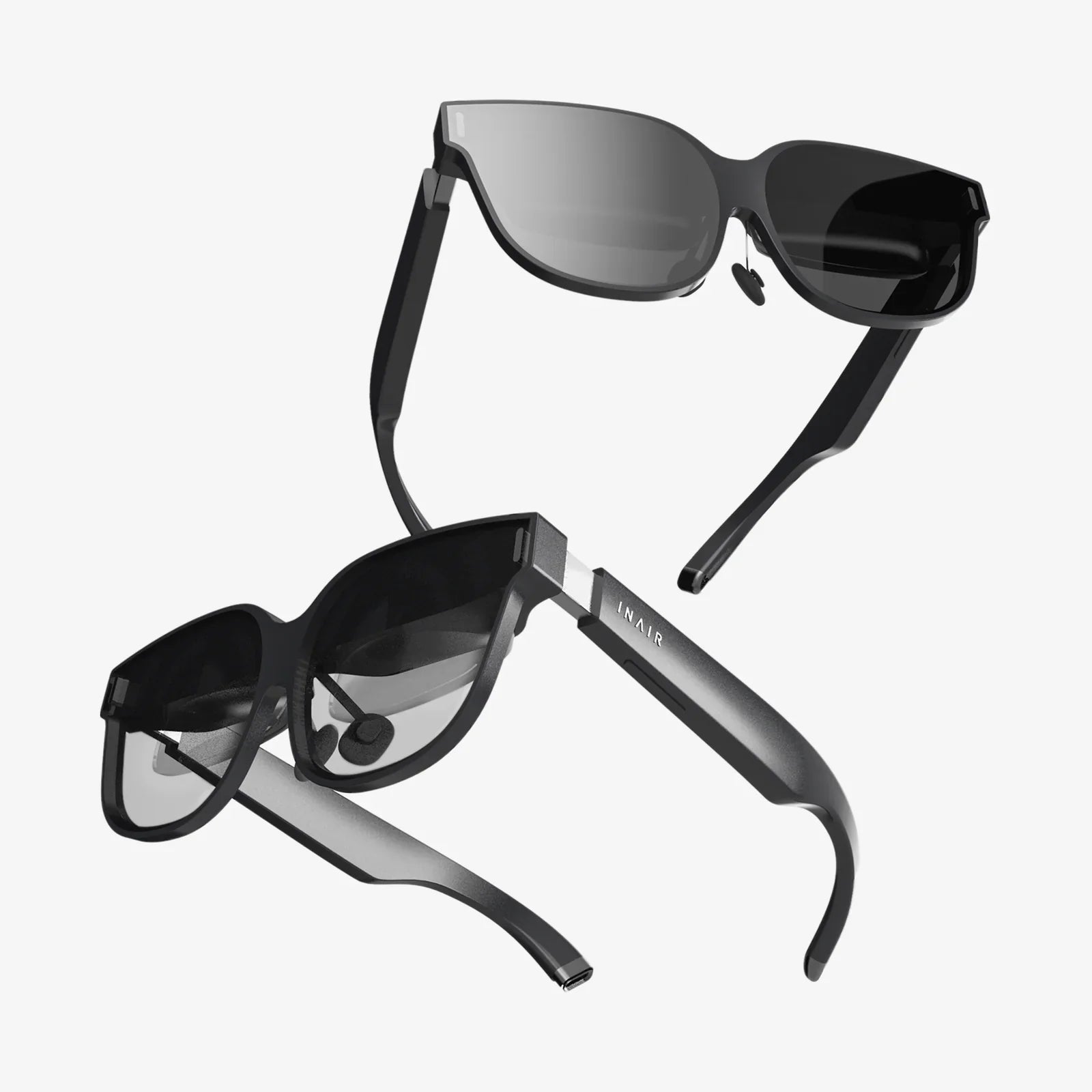
A curved glass screen can turn an ordinary device into something that feels futuristic, luxurious, and surprisingly more natural to use. Whether you are scrolling through content, gaming, or simply admiring your device on a desk, that smooth flowing curve changes how light, touch, and information interact. Yet behind the sleek look is a complex mix of engineering choices, trade-offs, and design strategies that can either elevate your experience or quietly frustrate you. Understanding what a curved glass screen really offers will help you choose better devices, protect them more effectively, and appreciate where display technology is heading next.
What Is a Curved Glass Screen?
A curved glass screen is a display panel covered by glass that bends along at least one axis instead of remaining completely flat. The curve can be subtle or dramatic, and it can run along the edges, across the entire face, or wrap slightly onto the sides of the device.
While the underlying display layer can be various technologies, the defining feature is the shaped glass on top. This glass is carefully engineered so that even when bent, it remains transparent, responsive to touch, and resistant to daily wear.
Common Types of Curved Glass Screen Designs
Not all curved glass screens are the same. Designers use several general styles to balance aesthetics, usability, and durability:
- Edge-curved screens: The central area is mostly flat, while the left and right edges curve downward. This creates an illusion of a borderless display and can allow content or interface elements to spill over the sides.
- Full-face curved screens: The entire front surface is gently curved, often horizontally. This can make the device feel more immersive and ergonomic in the hand.
- Waterfall-style curves: The glass extends further down the sides, making the display appear to cascade toward the back. These designs emphasize visual drama and minimal bezels.
- Subtle 2.5D curves: The glass is mostly flat but slightly rounded at the edges, improving comfort and reducing sharp transitions between screen and frame.
How Curved Glass Screens Are Manufactured
Creating a curved glass screen demands more precision than cutting a flat panel. The process typically involves:
- Glass selection: Manufacturers choose glass compositions that can be heated, shaped, and cooled without losing clarity or structural integrity.
- Thermal forming: Sheets of glass are heated until they reach a pliable state, then pressed or allowed to sag into molds that define the desired curvature.
- Strengthening: After shaping, the glass is chemically or thermally strengthened to resist scratches and impacts.
- Precision finishing: Edges are polished, cutouts are formed, and coatings are applied to support touch sensitivity, reduce glare, or resist fingerprints.
This complexity explains why devices with a curved glass screen often cost more and why replacement parts can be significantly pricier than flat alternatives.
Why Designers Choose a Curved Glass Screen
Designers rarely add a curved glass screen just for show. There are strategic reasons why this type of display has become so common in modern devices.
Visual Impact and Premium Feel
A curved glass screen instantly signals a premium, modern design. The curve catches light differently, creating subtle reflections and highlights that make the device stand out. The illusion of a borderless front surface also makes digital content feel more integrated with the physical object.
From a design perspective, the curve allows the front glass to blend more smoothly into the frame, reducing the visual bulk of the device and making it appear thinner and more refined.
Ergonomics and Comfort in the Hand
Devices with a curved glass screen often feel more comfortable to hold. The rounded edges reduce pressure points in the palm and fingers, especially when gripping larger screens. This ergonomic benefit is particularly noticeable during extended use, such as reading, gaming, or watching videos.
Even minor curves can make swiping from the edge more natural, as your finger glides over a smooth transition rather than a sharp corner.
Enhanced Immersion and Field of View
Curved screens can subtly enhance immersion by wrapping content closer to your peripheral vision. While the effect is more dramatic on large displays, even handheld devices can create a sense that content is floating closer to the surface of the glass.
For media consumption and gaming, this can make the experience feel more cinematic and engaging, especially when combined with high-resolution displays and rich color reproduction.
Practical Benefits of a Curved Glass Screen
Beyond aesthetics and feel, a curved glass screen can offer tangible functional benefits. However, these advantages depend heavily on how the hardware and software are designed to work with the curve.
Improved Gesture Navigation
Modern interfaces rely heavily on edge gestures: swiping in from the side to go back, open menus, or switch apps. A curved glass screen can make these gestures smoother and more intuitive.
Because your finger naturally follows the curve, it can be easier to perform consistent swipes without catching on a sharp edge or frame. This is particularly useful when using the device one-handed.
Additional Display Real Estate on the Edges
Some devices use the curved edges as functional display zones. Potential uses include:
- Showing notifications or status icons along the side while the main screen is off
- Displaying quick-access tools like volume sliders, shortcuts, or app launchers
- Highlighting alerts or incoming calls with light effects along the curve
When implemented thoughtfully, these features can add convenience without cluttering the main screen area.
Better Light Reflection and Glare Management
The way light hits a curved glass screen can reduce harsh reflections at certain angles. Instead of reflecting a single bright hotspot directly back at your eyes, the curved surface can spread reflections more softly across the glass.
Combined with anti-reflective coatings, this can make the display more legible in varied lighting conditions, though the improvement depends heavily on the exact curvature and environment.
Drawbacks and Trade-Offs of Curved Glass Screens
For all their appeal, curved glass screens come with compromises that buyers should understand before committing to them.
Durability Concerns and Drop Protection
A curved glass screen exposes more of its surface area, especially along the edges, which can be more vulnerable during drops or impacts. While strengthened glass and protective coatings help, the geometry itself can make certain types of damage more likely.
When a curved device lands on a corner or edge, the stress can concentrate along the curved section, increasing the risk of cracks. This is one reason why protective cases and screen protectors are more critical for curved devices.
Challenges with Screen Protectors and Cases
Protecting a curved glass screen is more complicated than protecting a flat one:
- Screen protectors: Many protectors either cover only the flat portion of the display or require special adhesives to cling to the curved edges. Poorly designed protectors can peel, trap dust, or create rainbow effects along the curve.
- Cases: Protective cases must balance coverage with usability. If the case lip rises too high around the curve, it can interfere with gestures or make the device feel bulky. If it is too low, edge protection suffers.
Finding accessories that fit precisely can be more time-consuming and often more expensive.
Accidental Touches and Input Accuracy
One of the most common complaints about curved glass screens is accidental touch input along the edges. Because the display wraps toward the sides, your palm or fingers can trigger unwanted actions while simply holding the device.
Software can mitigate this by ignoring certain touch patterns or offering edge sensitivity settings, but the problem is not always fully eliminated. For users with larger hands or those who grip their devices firmly, this can be a significant annoyance.
Color and Distortion at Extreme Angles
Depending on the display technology and curvature, colors and brightness can shift slightly at extreme viewing angles along the curve. While often subtle, this can be noticeable when viewing high-contrast content or when the device is used off-center.
Manufacturers continually refine panel designs and calibration to reduce these issues, but they remain a factor when comparing curved and flat screens side by side.
Curved Glass Screen vs. Flat Screen: Which Is Better?
Choosing between a curved glass screen and a flat screen is less about which is objectively better and more about which fits your priorities.
When a Curved Glass Screen Makes Sense
A curved design is likely a good fit if you:
- Value a premium, modern look and want your device to stand out visually
- Spend a lot of time consuming media and appreciate a more immersive feel
- Prefer smoother edges and a more ergonomic grip, especially on larger devices
- Are willing to invest in high-quality cases and screen protectors designed specifically for curved displays
When a Flat Screen Might Be Better
A flat display may be preferable if you:
- Prioritize durability and ease of protection over aesthetics
- Regularly replace your own screen protectors and want simple, full-coverage options
- Are sensitive to accidental touches or use your device in ways that make them more likely
- Prefer accurate, undistorted viewing angles across the entire display surface
Ultimately, the best choice depends on how you use your devices day to day and how much you value visual flair versus straightforward practicality.
How to Protect a Curved Glass Screen Effectively
Because curved glass screens are more complex and expensive to replace, protection strategies matter more than ever. With the right combination of accessories and habits, you can significantly reduce the risk of damage.
Selecting the Right Screen Protector
For a curved glass screen, not every protector will work well. Consider the following factors:
- Covers the curve: Look for protectors specifically designed for your device model and curvature. These often extend over the edges and use specialized adhesives.
- Full adhesive vs. edge adhesive: Full-adhesive protectors adhere across the entire surface, improving touch response and clarity. Edge-adhesive versions stick only around the border and can sometimes feel less solid.
- Material choice: Tempered glass protectors offer better scratch resistance and a glass-like feel, while high-quality films can be more flexible and less prone to cracking.
Installation is more delicate on a curved glass screen. Dust, alignment, and pressure must be managed carefully to avoid bubbles, lifting, or misalignment along the curve.
Choosing a Case That Works with the Curve
A good case for a curved glass screen should:
- Have raised edges that extend slightly above the glass without interfering with gestures
- Provide corner reinforcement, as corner impacts are among the most damaging
- Use materials that absorb shock rather than simply transferring it to the glass
Some cases are designed to work in tandem with specific screen protectors, creating a combined protective system that locks everything in place. Matching these components can significantly improve overall protection.
Daily Habits That Reduce Risk
Even with accessories, everyday habits play a major role in protecting a curved glass screen:
- Avoid placing the device face-down on rough or dirty surfaces
- Keep it away from keys, coins, and other hard objects in pockets or bags
- Use a dedicated pocket or compartment when carrying it in a backpack or purse
- Be mindful when placing it on the edge of tables or other elevated surfaces
These simple steps can dramatically reduce the likelihood of scratches, chips, and cracks.
Curved Glass Screen Technology and Materials
The performance of a curved glass screen depends not just on shape but on the materials and coatings used. Advances in glass chemistry, surface treatments, and display integration are constantly pushing what is possible.
Strengthened Glass and Flexibility
To withstand bending and everyday use, the glass used in curved screens is typically strengthened through thermal or chemical processes. These treatments increase resistance to scratches, pressure, and minor impacts.
Some modern glass formulations are designed to flex slightly without breaking, allowing for more dramatic curves or even foldable designs when paired with flexible display layers. While a traditional curved glass screen is still relatively rigid, these innovations inform how future designs will evolve.
Coatings for Clarity and Comfort
Coatings play a critical role in how a curved glass screen looks and feels:
- Oleophobic coatings: Help resist fingerprints and smudges, making the surface easier to clean.
- Anti-reflective layers: Reduce glare from ambient light, improving outdoor visibility.
- Anti-scratch treatments: Increase resistance to micro-abrasions from dust and debris.
On a curved surface, these coatings must be applied uniformly to avoid visual artifacts like streaks or uneven reflections.
Touch Sensitivity Across the Curve
Touch sensors must accurately detect input across both flat and curved regions. This requires careful calibration and sometimes additional sensor layers to ensure that edge touches are recognized correctly without increasing accidental inputs.
Modern touch controllers can adapt sensitivity based on location, grip patterns, and usage data, helping to balance responsiveness with error reduction along the curved edges.
Use Cases: Where Curved Glass Screens Shine
Different types of devices leverage curved glass screens in distinct ways. Understanding these use cases can clarify why the design is so popular and where it might be most beneficial.
Smartphones and Handheld Devices
In smartphones and similar handheld devices, a curved glass screen offers:
- A more immersive viewing experience for videos and games
- Smoother edge gestures and more comfortable swipes
- A premium appearance that differentiates high-end models
These benefits are most noticeable on larger phones, where the curve helps manage size and improves ergonomics.
Wearables and Small Form Factors
On wearables such as wrist-worn devices, a curved glass screen can follow the contour of the arm, improving comfort and readability. The curve can also help the device appear thinner and more integrated with the body.
Because space is limited, the curved surface may allow more information to be displayed without increasing the footprint of the device.
Large Displays and Specialty Screens
For larger screens, such as those used in entertainment or professional environments, a curved design can:
- Wrap content closer to the viewer, enhancing immersion
- Improve perceived uniformity of viewing distance across the screen
- Create striking visual installations in public or commercial spaces
While the engineering challenges scale with size, the visual impact can be dramatic, making curved glass a compelling choice for certain specialized applications.
Future Trends in Curved Glass Screen Design
The evolution of curved glass screens is far from over. Emerging technologies and design philosophies are shaping the next generation of devices and experiences.
Thinner Bezels and More Seamless Curves
As manufacturing techniques improve, we can expect even thinner bezels and more seamless transitions between glass and frame. This will enhance the illusion of an edge-to-edge display, making content feel like it is floating on the surface of the device.
Subtle refinements to curvature profiles may also improve ergonomics and reduce accidental touches, striking a better balance between form and function.
Integration with Flexible and Foldable Displays
While a traditional curved glass screen is rigid, the rise of flexible and foldable displays is pushing glass technology toward new forms. Hybrid solutions that combine flexible substrates with ultra-thin, specially treated glass are already emerging.
These advances will allow devices to bend, fold, or roll while still offering the familiar feel and durability of glass on the surface, blurring the line between curved and flexible displays.
Smarter Edge Functions and Software Integration
Software will play an increasingly important role in making curved glass screens more useful. Future interfaces may:
- Use edge areas as dynamic toolbars that adapt to different apps and tasks
- Offer more advanced gesture controls that leverage the unique shape of the display
- Provide context-aware notifications that subtly illuminate or animate along the curve
As developers gain more experience designing for curved edges, the functionality of these areas is likely to expand beyond simple visual flair.
How to Decide If a Curved Glass Screen Is Right for You
Before investing in a device with a curved glass screen, it is worth stepping back and evaluating your needs, habits, and preferences. A thoughtful decision can save you from regret and help you get the most value from your purchase.
Questions to Ask Yourself
Consider the following questions as you compare devices:
- Do you prioritize design and visual appeal enough to accept higher accessory costs?
- How often do you drop your devices, and are you willing to use a protective case at all times?
- Do you rely heavily on edge gestures and one-handed use, where a curve may help?
- Are you sensitive to accidental touches or edge distortions when viewing content?
- Will you be comfortable seeking out and installing specialized screen protectors?
Your answers will quickly reveal whether a curved glass screen aligns with your lifestyle or whether a flat display is a more practical choice.
Hands-On Experience Matters
No amount of reading can fully substitute for actually holding and using a device with a curved glass screen. Whenever possible, test different models in person:
- Notice how the device feels in your hand over several minutes, not just a quick glance
- Try typical tasks: typing, swiping from the edge, scrolling, and watching video
- Check for glare, reflections, and color shifts at the edges under various lighting conditions
This hands-on experience will give you a clearer sense of whether the curve enhances or detracts from your everyday use.
Maximizing the Value of a Curved Glass Screen
Once you decide that a curved glass screen is right for you, there are ways to ensure you get the most from it, both in terms of performance and longevity.
Customize Edge Settings and Gestures
Many devices offer settings that let you adjust how the edges behave. Take time to explore these options:
- Reduce edge sensitivity if you experience frequent accidental touches
- Enable or disable edge-specific features based on what you actually use
- Experiment with gesture navigation to find a configuration that feels natural
Thoughtful customization can transform the curved edges from a novelty into a genuinely useful part of your interaction with the device.
Maintain the Glass for Long-Term Clarity
Regular, gentle cleaning helps preserve the look and feel of your curved glass screen:
- Use a soft microfiber cloth to remove fingerprints and smudges
- Avoid harsh chemicals or abrasive materials that can damage coatings
- Clean from the center outward along the curve to reduce streaks
Keeping the glass pristine not only improves visibility but also maintains the premium aesthetic that drew you to a curved design in the first place.
Why the Curved Glass Screen Trend Is Here to Stay
The curved glass screen is more than a fleeting design fad. It reflects a broader shift toward devices that feel more organic, immersive, and integrated into our daily lives. As materials, manufacturing, and software continue to evolve, the curve becomes less of a compromise and more of a refined, deliberate choice.
For some users, the curved glass screen will be the detail that makes a device feel truly special, transforming simple interactions like swiping and tapping into something smoother and more satisfying. For others, it may still feel like an unnecessary flourish. But as you weigh design, durability, and experience, understanding the full story behind that elegant curve can turn a quick impulse purchase into a confident, informed decision that you will appreciate every time the screen lights up in your hand.
共有:
Fiber Glass Mesh Screen Uses, Benefits, and Installation Guide
Discount Glass And Screen Holt MI: Save Big On Clear Views And Protection