


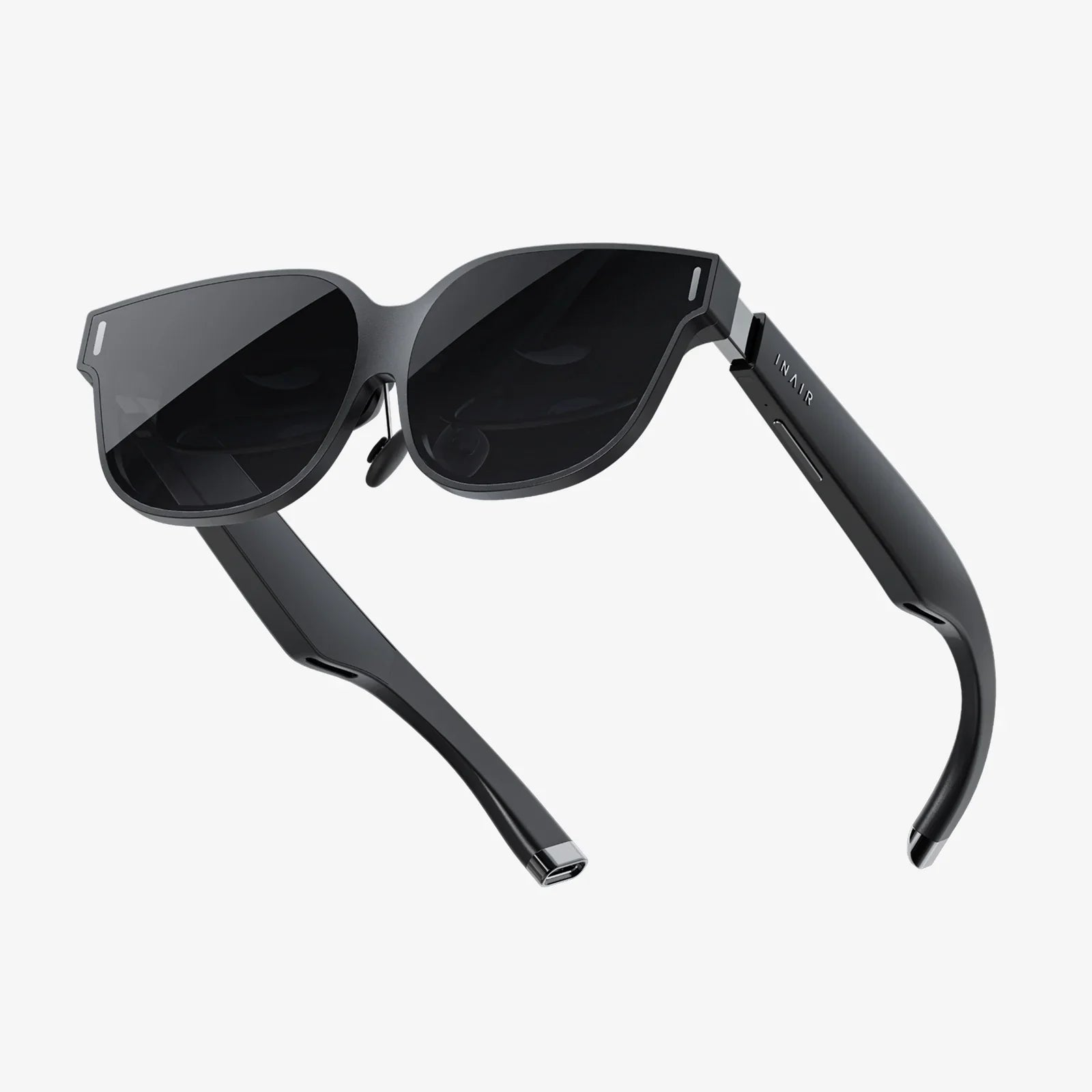
Display eyeglasses are no longer a niche accessory for tech enthusiasts; they have become essential tools for anyone who spends hours in front of screens. Whether you are working at a computer, scrolling on your phone, or binge-watching your favorite shows, the right pair of display eyeglasses can dramatically change how your eyes feel at the end of the day. If you have ever wondered why your eyes burn, your head aches, or your vision blurs after a long screen session, this comprehensive guide will show you how display eyeglasses can help and how to choose the perfect pair for your needs.
What Are Display Eyeglasses?
Display eyeglasses are glasses designed specifically to improve visual comfort and clarity when viewing digital screens such as computers, tablets, smartphones, and televisions. They may include:
- Special lens coatings to reduce glare and reflections
- Filters that manage or reduce certain wavelengths of light emitted by displays
- Lens powers optimized for typical screen distances
- Frame designs that provide comfort during extended wear
While traditional prescription eyeglasses correct refractive errors like nearsightedness and farsightedness, display eyeglasses focus on the unique visual demands of digital environments. They can be prescription or non-prescription, making them useful for people with perfect vision who still experience digital eye strain.
Why Screens Are So Demanding on Your Eyes
To understand the value of display eyeglasses, it helps to know why screens cause discomfort in the first place. Modern digital displays create a visually complex environment:
- Constant near focus: Your eyes work harder to maintain focus at a fixed, relatively close distance for long periods.
- Blue-rich light: Many displays emit a high proportion of short-wavelength light, which scatters more in the eye and can contribute to visual fatigue.
- Glare and reflections: Overhead lights, windows, and glossy screens create glare that forces your eyes to constantly adapt.
- Reduced blink rate: People blink less often when concentrating on screens, which can lead to dryness and irritation.
- Small text and high contrast: Tiny fonts, crowded layouts, and bright backgrounds increase visual effort.
These factors contribute to a cluster of symptoms often called digital eye strain or computer vision syndrome. Display eyeglasses are designed to reduce the intensity of one or more of these triggers, making your visual experience more comfortable and sustainable.
Common Symptoms That Display Eyeglasses Can Help Relieve
If you are unsure whether you need display eyeglasses, consider whether you frequently notice any of the following after screen use:
- Dry, irritated, or burning eyes
- Headaches that worsen as the day progresses
- Blurred or fluctuating vision
- Difficulty focusing when shifting gaze between screen and distance
- Neck or shoulder pain from leaning in to see clearly
- Increased light sensitivity
While these symptoms can have multiple causes, they are commonly linked to prolonged screen time. Display eyeglasses, combined with healthy visual habits, can significantly reduce the frequency and intensity of these issues.
Key Features of Display Eyeglasses
Not all display eyeglasses are the same. Understanding the main design elements will help you evaluate options and avoid marketing hype.
1. Lens Power and Focal Distance
The ideal lens power for display eyeglasses depends on your typical working distance and your existing vision needs.
- Non-prescription lenses: For people with no refractive error, non-prescription display lenses provide coatings and filters without changing focus.
- Single-vision computer lenses: These are optimized for a specific distance, usually around arm's length, which is ideal for desktop monitors and laptops.
- Occupational or office lenses: These lenses provide a range of clear vision from near to intermediate distances, making them useful for people who shift between documents, screens, and nearby objects.
- Progressive lenses with screen zones: Some progressive designs allocate a wider intermediate zone for screens, which can be beneficial if you need clear vision at multiple distances throughout the day.
Choosing the right focal design is one of the most impactful decisions when selecting display eyeglasses, especially if you already wear prescription glasses.
2. Light Management and Filters
Display eyeglasses often incorporate filters to manage the spectrum of light reaching your eyes. The most discussed aspect is short-wavelength light from screens.
- Mild selective filters: These slightly reduce specific wavelengths while preserving relatively natural color perception. They are popular for all-day wear.
- Moderate filters: These more noticeably alter the color balance of what you see, sometimes giving screens a warmer tone. They may be preferred for evening use or for people particularly sensitive to bright displays.
- Strong filters: These are usually reserved for special circumstances or short-term use, as they can significantly change color perception.
While research is ongoing, many users report increased comfort with lenses that manage short-wavelength light, especially during long work sessions or late-night screen use.
3. Anti-Reflective and Anti-Glare Coatings
One of the most underrated features of display eyeglasses is high-quality anti-reflective coating. This type of coating:
- Reduces reflections from room lighting and screens
- Improves contrast and clarity
- Makes your lenses appear more transparent to others
Less reflection means less stray light bouncing around your visual field, which can reduce visual fatigue and make it easier to focus on content rather than distractions.
4. Lens Material and Thickness
Lens material affects weight, durability, and optical clarity. For display eyeglasses, comfort during long wear is crucial.
- Standard plastic lenses: Affordable and reasonably light, suitable for low prescriptions.
- High-index lenses: Thinner and lighter for higher prescriptions, improving comfort and aesthetics.
- Impact-resistant materials: Useful if you want durability, especially in active or travel-heavy lifestyles.
Lighter lenses reduce pressure on the nose and ears, which becomes very noticeable when you wear your display eyeglasses all day.
5. Frame Design and Comfort
Frames are more than a fashion statement; they determine how comfortable and effective your display eyeglasses will be.
- Lens size and shape: Larger lenses give a wider field of view, reducing the need to move your head constantly to find a clear zone.
- Bridge fit: A well-fitting bridge prevents slipping and pressure points, especially important during long work sessions.
- Temple design: Flexible or adjustable temples improve stability and comfort, particularly with headsets or headphones.
- Weight distribution: Lightweight materials and balanced design help minimize fatigue from wearing glasses for many hours.
For display use, comfort should be a top priority, because even the best lenses will not help if your eyeglasses are too uncomfortable to wear consistently.
Who Benefits Most from Display Eyeglasses?
While almost anyone who uses screens can benefit, certain groups may find display eyeglasses especially valuable:
- Office professionals: People who spend most of their workday at a computer, often under overhead lighting.
- Remote workers and freelancers: Those who rely on laptops and tablets for long, uninterrupted sessions.
- Students: Individuals who read, research, and attend virtual classes on multiple devices.
- Gamers: People who engage in extended, visually intense sessions in front of high-brightness displays.
- Designers and content creators: Users who need to balance color accuracy with visual comfort.
- People over 40: As near focusing ability naturally decreases with age, specialized lenses can make screen work more comfortable.
If your lifestyle involves frequent transitions between devices or long periods of focused work, display eyeglasses can become a daily essential rather than an occasional accessory.
How to Choose the Right Display Eyeglasses
Selecting display eyeglasses is a personal process, but a structured approach can help you narrow down options efficiently.
Step 1: Assess Your Screen Habits
Start by analyzing how you use digital devices in a typical day:
- How many hours do you spend on screens?
- Which devices do you use most (desktop, laptop, tablet, phone)?
- What is your typical viewing distance?
- Do you frequently switch between screens and paper documents?
- Is your workspace brightly lit, dim, or variable?
These answers will guide decisions about lens design, coatings, and frame style.
Step 2: Determine Whether You Need a Prescription
If you already wear prescription glasses or experience blurred vision at certain distances, it is wise to have a recent eye examination before purchasing display eyeglasses. An eye care professional can:
- Update your prescription
- Measure your preferred working distance
- Recommend lens designs suited to your visual tasks
- Check for underlying eye conditions that might mimic digital eye strain
For people with clear distance and near vision who mainly want comfort and glare reduction, non-prescription display eyeglasses may be sufficient.
Step 3: Choose a Lens Design
Based on your habits and prescription needs, decide on the most appropriate lens type:
- Non-prescription display lenses: Good for users with no refractive error who want filters and coatings.
- Single-vision screen lenses: Ideal if your work distance is consistent, such as at a desk.
- Office or occupational lenses: Helpful if you frequently switch between multiple near and intermediate tasks.
- Customized progressive lenses: Useful if you need clear vision at distance as well as for screens and reading.
Discuss your typical work setup when ordering; accurate measurements of your screen distance can significantly enhance comfort.
Step 4: Select Coatings and Filters
Next, decide which lens enhancements matter most to you:
- Anti-reflective coating: Almost always recommended for display use to reduce glare and improve clarity.
- Light management filter: Choose mild or moderate filtering depending on your sensitivity and how much color shift you are willing to accept.
- Scratch-resistant coating: Important for durability, especially if you frequently clean your lenses.
- Smudge-resistant or hydrophobic coating: Helps keep lenses clear and reduces the need for constant cleaning.
Many people find that a combination of anti-reflective and mild filtering offers a good balance of comfort and natural color perception for everyday use.
Step 5: Pick a Comfortable Frame
Frame selection can make or break your experience with display eyeglasses. Consider:
- Weight: Lightweight materials reduce pressure on the nose and ears during long sessions.
- Fit: A secure but gentle fit prevents slipping when you look down at a laptop or tablet.
- Lens height: Slightly taller lenses can provide a larger viewing zone, especially useful for office or progressive designs.
- Nose pads vs. solid bridge: Adjustable nose pads allow fine-tuning, while solid bridges can feel more stable for some face shapes.
Try to imagine wearing the frame for eight hours straight. If it feels even slightly uncomfortable at first, that discomfort will likely be magnified over time.
Practical Tips for Using Display Eyeglasses Effectively
Owning display eyeglasses is only part of the solution; how you use them also matters.
Optimize Your Screen Setup
Even the best display eyeglasses work better when your environment supports visual comfort:
- Position your monitor so the top of the screen is at or slightly below eye level.
- Maintain a comfortable viewing distance, typically about an arm's length from the screen.
- Reduce harsh overhead lighting and minimize reflections from windows.
- Adjust screen brightness so it matches the ambient light level.
- Increase text size and contrast to reduce visual effort.
These adjustments work synergistically with your display eyeglasses to reduce strain.
Adopt Healthy Viewing Habits
Display eyeglasses are most effective when combined with sensible visual habits:
- Follow a regular break routine, such as looking at something far away for a short period at frequent intervals.
- Remind yourself to blink more often, especially when concentrating.
- Alternate between tasks that require near focus and those that allow you to look into the distance.
- Stay hydrated and consider using a humidifier in dry environments.
These habits support the natural function of your eyes, complementing the optical benefits of your glasses.
Maintain Your Display Eyeglasses
Proper care extends the life of your display eyeglasses and keeps your vision clear:
- Clean lenses regularly with a dedicated lens cleaner and microfiber cloth.
- Avoid using paper towels, clothing, or household cleaners that can scratch or damage coatings.
- Store your eyeglasses in a protective case when not in use.
- Have your frames adjusted periodically to maintain a comfortable fit.
Clear, well-maintained lenses provide sharper vision and reduce the subconscious effort your eyes expend when looking through smudges or scratches.
Balancing Style and Function in Display Eyeglasses
Display eyeglasses are often worn for many hours each day, which means style is more than a superficial concern. When you like how your glasses look, you are more likely to wear them consistently and benefit from their protective features.
Choosing a Frame Style That Fits Your Personality
Modern frame designs offer options for every aesthetic preference:
- Minimalist frames: Thin, understated designs that blend seamlessly into professional environments.
- Bold frames: Statement pieces that turn your eyeglasses into a fashion accessory.
- Classic shapes: Timeless styles that remain appropriate across different settings and trends.
- Sporty designs: Flexible, durable frames that work well for active lifestyles.
Since display eyeglasses are often associated with work or study, many people choose a style that feels professional yet still reflects their personality.
Color and Finish Considerations
Color and finish can influence how your display eyeglasses complement your face and wardrobe:
- Neutral tones can pair easily with any outfit.
- Darker colors may appear more formal and understated.
- Lighter or transparent frames can create a softer, modern look.
- Matte finishes can reduce reflections and draw less attention to the frame itself.
Because display eyeglasses are often worn in professional or academic settings, many users gravitate toward versatile colors that work in multiple contexts.
Addressing Common Myths About Display Eyeglasses
There is plenty of marketing around display eyeglasses, and not all of it is accurate. Understanding what these glasses can and cannot do will help you set realistic expectations.
Myth 1: Display Eyeglasses Completely Eliminate Eye Strain
Display eyeglasses can significantly reduce discomfort, but they cannot override all aspects of visual fatigue. Poor posture, inadequate breaks, and uncorrected prescriptions can still lead to strain. Think of display eyeglasses as one important tool in a broader strategy that includes ergonomics and healthy habits.
Myth 2: Only People with Vision Problems Need Display Eyeglasses
Even people with excellent visual acuity can experience digital eye strain. Light management, glare reduction, and optimized focal distances can benefit anyone who spends long hours in front of screens, regardless of whether they need prescription correction.
Myth 3: Strong Filters Are Always Better
More aggressive filtering is not automatically superior. Very strong filters can alter color perception and may not be necessary for most users. Many people achieve excellent comfort with mild to moderate filtering combined with good ergonomics.
Myth 4: Display Eyeglasses Are Only for Computer Use
Display eyeglasses can be helpful for any digital device, including smartphones, tablets, and televisions. Some users even wear them throughout the day because they move frequently between screens and other tasks.
When to Seek Professional Advice About Display Eyeglasses
While many aspects of display eyeglasses can be chosen based on personal preference, certain situations call for professional guidance:
- Persistent headaches, eye pain, or visual disturbances despite using display eyeglasses.
- Difficulty adapting to new lenses, especially progressive or occupational designs.
- History of eye conditions or surgery that might affect lens selection.
- Uncertainty about appropriate lens power for your working distance.
An eye care professional can perform detailed measurements, evaluate your visual system, and recommend lens designs tailored to your work environment and lifestyle.
The Future of Display Eyeglasses
As digital devices become even more integrated into daily life, display eyeglasses are likely to evolve in several interesting directions:
- More personalized lens designs based on detailed digital measurements of your eyes and posture.
- Adaptive lenses that adjust to changing lighting conditions or viewing distances.
- Integration with wearable technology to monitor visual habits and suggest break patterns.
- Improved coatings that resist smudges, dust, and reflections more effectively.
These developments aim to make screen use more comfortable and sustainable, recognizing that digital visual tasks are now a permanent part of modern life.
Display eyeglasses offer a powerful way to reclaim comfort, clarity, and control in a world dominated by screens. By understanding the key features, recognizing your own visual habits, and choosing a combination of lenses, coatings, and frames that match your lifestyle, you can transform the way your eyes feel at the end of every day. Instead of accepting tired, burning eyes as the cost of modern productivity, you can equip yourself with display eyeglasses that support your vision, enhance your style, and make every hour in front of a screen noticeably more comfortable.
共有:
Smart Glasses And The Next Evolution Of Everyday Computing
avocado grill paragould ar Guide: Dining, Atmosphere, and Local Flavor