


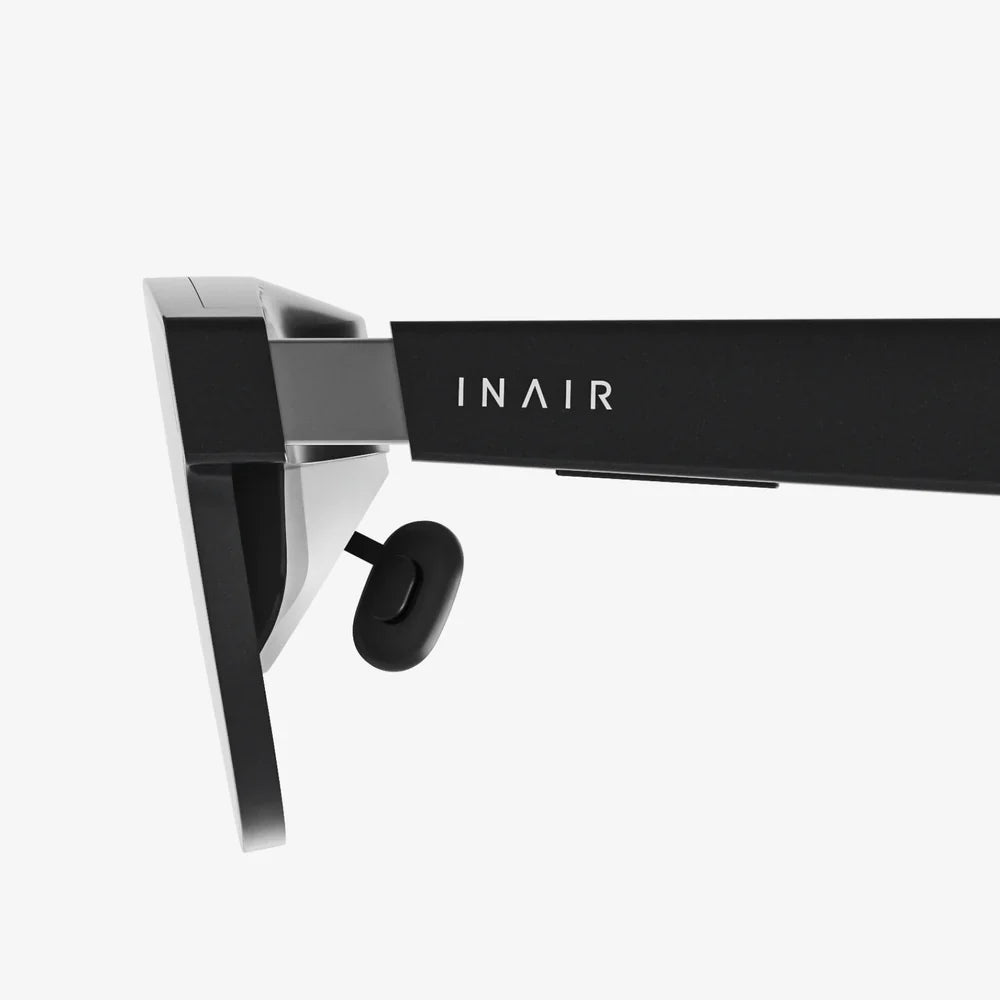
Epiphany Eyewear sounds like something out of science fiction: glasses that do far more than help you see, yet look and feel like a normal part of your daily style. Imagine frames that quietly capture your day, enhance your focus, protect your eyes, and connect you to the digital world without pulling a phone from your pocket. That mix of subtle design and powerful capability is exactly why smart eyewear is becoming one of the most intriguing frontiers in personal technology.
While the phrase “Epiphany Eyewear” might evoke a specific device, it has quickly become shorthand for a new category of glasses that merge vision correction, digital assistance, and lifestyle features. These are not bulky headsets or obvious gadgets. They are everyday frames that hide cameras, sensors, microphones, displays, and wireless connectivity in a way that feels almost invisible. As this category matures, it promises to reshape how we work, play, learn, and interact with both the physical and digital worlds.
The Rise Of Smart Glasses As Everyday Companions
Smart glasses have existed in experimental forms for years, but early versions often looked awkward, felt heavy, or offered limited functionality. The new wave of devices associated with the idea of Epiphany Eyewear is different. These glasses emphasize three things: comfort, subtlety, and truly useful features. Instead of being a tech toy for enthusiasts, they are evolving into everyday companions for professionals, students, creators, and commuters.
Several technological trends make this shift possible:
- Miniaturized components: Cameras, microphones, batteries, and processors are smaller and more efficient than ever.
- Improved connectivity: Faster wireless standards and cloud services allow glasses to offload heavy computing tasks.
- Better displays: Tiny, low-power displays can project information onto lenses without blocking your view.
- AI-powered software: Intelligent assistants can interpret voice commands, recognize objects, and summarize information on the fly.
These advances transform smart glasses from a novelty into a practical tool. Epiphany Eyewear-style devices can blend into your wardrobe while quietly expanding what your eyes and mind can do in any environment.
Core Features That Define Epiphany Eyewear
Though designs vary, most next-generation smart glasses share a set of core capabilities that define the Epiphany Eyewear concept. Understanding these features helps clarify why this technology is so compelling.
1. Discreet Photo And Video Capture
One of the most talked-about capabilities is hands-free photo and video capture. A small, front-facing camera built into the frame allows you to document your perspective without holding a device. This can be useful for:
- Travel and exploration: Capture what you see while hiking, biking, or sightseeing without interrupting the experience.
- Creative work: Record reference footage for art, design, or filmmaking directly from your point of view.
- Instruction and training: Share first-person tutorials for tasks like cooking, repairing, or crafting.
- Professional documentation: Log inspections, site visits, or fieldwork in a natural way.
Unlike holding up a phone, glasses-based capture feels more fluid. However, it also raises important questions about privacy, ethics, and consent, which responsible users and designers must address.
2. Subtle Heads-Up Notifications
Another hallmark of Epiphany Eyewear is the ability to surface information in your field of view. A small display or light indicator can show:
- Incoming calls and messages
- Calendar reminders and meeting alerts
- Navigation prompts and directions
- Contextual information, such as weather or time
Instead of constantly checking your phone, you can glance at minimal, glanceable cues. This reduces screen time and helps you stay present while still being informed. The key is minimalism: smart eyewear should enhance awareness without flooding your vision with distraction.
3. Voice Control And Audio Interaction
Because your hands are often busy when you are on the move, voice interaction is central to smart glasses. Microphones and speakers or bone-conduction transducers allow you to:
- Ask questions and receive spoken answers
- Dictate messages or notes
- Control music playback and volume
- Initiate calls or trigger recordings
With an integrated voice assistant, Epiphany Eyewear can become a quiet, always-available helper. The goal is to provide frictionless access to information while keeping your eyes on the world, not on a screen.
4. Connectivity With Your Digital Ecosystem
Smart glasses rarely operate in isolation. They typically connect to your smartphone or other devices via wireless protocols, syncing data and extending functionality. This connectivity enables:
- Automatic backup of photos and videos to the cloud
- Real-time notification mirroring from your phone
- Access to streaming audio content
- Software updates that add new features over time
By integrating with the devices you already use, Epiphany Eyewear becomes a natural extension of your digital life rather than a standalone gadget to manage.
Augmented Reality And The Next Layer Of Vision
Many people associate smart glasses with augmented reality, or AR. While not all devices provide full AR experiences, the concept is central to the future of Epiphany Eyewear. AR overlays digital information on the real world, creating a blended environment where physical and virtual elements coexist.
In the context of eyewear, AR can mean anything from simple icons floating in your peripheral vision to rich, 3D graphics anchored to objects in your surroundings. Potential uses span many domains:
- Navigation: Turn-by-turn directions superimposed on streets and sidewalks.
- Education: Labels and explanations appearing next to historical landmarks, artworks, or scientific exhibits.
- Work: Step-by-step assembly instructions overlaid on machinery or equipment.
- Collaboration: Shared virtual whiteboards and diagrams visible to multiple people wearing compatible glasses.
While fully immersive AR glasses are still evolving, even lightweight implementations can make daily tasks smoother. Epiphany Eyewear represents a bridge between basic notification glasses and the richer AR systems of the future.
Health, Eye Protection, And Wellness Benefits
Smart glasses are not just about digital convenience; they also intersect with health and wellness. Modern frames often combine protective and corrective features with digital enhancements, creating a holistic approach to eye care and overall wellbeing.
Blue Light Filtering And Eye Comfort
Many people spend long hours in front of screens, which can lead to eye strain, headaches, and disrupted sleep patterns. Epiphany Eyewear-style glasses may incorporate lenses that filter a portion of high-energy blue light, helping reduce fatigue during extended computer or smartphone use.
When combined with smart features, these glasses can go further by:
- Reminding you to take regular breaks from screens
- Tracking how long you have been focusing at close range
- Adjusting display brightness based on ambient light
This integration of hardware and software turns eyewear into a proactive guardian of visual comfort rather than a passive accessory.
Activity Tracking And Posture Awareness
Because glasses sit on your face all day, they are uniquely positioned to monitor aspects of your posture and movement. Sensors embedded in the frame can detect head position, motion, and even subtle changes in orientation. This data can support:
- Posture feedback: Alerts when you are slouching or craning your neck toward a screen.
- Activity metrics: Basic step counting or movement tracking throughout the day.
- Focus analysis: Insights into how long you spend reading, working, or looking at specific distances.
These features transform glasses into wellness tools that encourage healthier habits without requiring you to wear additional devices.
Potential For Vision Training And Accessibility
Looking ahead, Epiphany Eyewear could also support vision training and accessibility features. For example, software could guide users through exercises designed to improve focus flexibility or reduce eye strain. For people with visual impairments, smart glasses might magnify text, enhance contrast, or provide audio descriptions of the environment.
By blending optical science with digital intelligence, this new class of eyewear can address both corrective and assistive needs in ways traditional glasses cannot.
Style, Design, And The Fashion Side Of Smart Glasses
One of the biggest barriers to widespread adoption of smart glasses has been aesthetics. People are reluctant to wear devices that look odd, bulky, or obviously high-tech. Epiphany Eyewear as a concept emphasizes style as much as functionality, recognizing that glasses are a core part of personal identity.
Modern smart frames focus on several design principles:
- Minimalist hardware: Components are hidden in the temples and bridge, avoiding protrusions.
- Classic shapes: Styles such as round, rectangular, and aviator frames are reimagined with integrated electronics.
- Neutral colors: Black, tortoiseshell, and subtle metallic tones blend into everyday wardrobes.
- Lightweight materials: Advanced plastics, titanium, and composite materials keep glasses comfortable for all-day wear.
Some designs even offer interchangeable fronts or temples, allowing users to swap styles while retaining the smart core. This modularity hints at a future where technology is a hidden layer beneath fashion, not the other way around.
Practical Everyday Use Cases
To appreciate the value of Epiphany Eyewear, it helps to imagine specific scenarios where smart glasses shine. These examples show how the technology can quietly integrate into daily routines.
Enhanced Productivity At Work
In a work setting, smart glasses can act as a discreet assistant:
- Receive subtle reminders for upcoming meetings without interrupting conversations.
- Dictate notes during brainstorming sessions while maintaining eye contact with colleagues.
- Follow step-by-step instructions in fields like maintenance, logistics, or healthcare without handling a manual.
- Record hands-free walkthroughs or training sessions for later review.
Because the interface is glanceable and voice-driven, it reduces context switching and helps you stay immersed in the task at hand.
Learning And Skill Development
For students and lifelong learners, Epiphany Eyewear can provide:
- Instant access to definitions, translations, or background information while reading.
- Visual overlays highlighting key points during lectures or demonstrations.
- First-person recording of lab experiments or practical exercises for later study.
By blending real-world experiences with digital augmentation, smart glasses can make learning more immersive and personalized.
Travel, Navigation, And Exploration
When exploring a new city or hiking in unfamiliar terrain, smart glasses offer unique advantages:
- Receive subtle arrows or indicators that guide you along a route without staring at a phone.
- See contextual information about landmarks, restaurants, or transit options.
- Capture candid photos and videos of your journey from your natural perspective.
These capabilities enhance discovery while keeping your hands free and your attention outward, where travel memories are made.
Creative Storytelling And Content Creation
For creators, Epiphany Eyewear opens new storytelling possibilities. First-person footage can place viewers directly in the creator’s shoes, whether for sports, crafts, cooking, or daily vlogs. Because recording is hands-free, it feels more spontaneous and authentic.
Smart glasses can also help with behind-the-scenes tasks, such as:
- Capturing reference material for future projects.
- Taking quick, visual notes while scouting locations.
- Logging ideas with voice memos as inspiration strikes.
By turning everyday experiences into potential content, these glasses blur the line between life and creation.
Ethical Considerations, Privacy, And Social Norms
As powerful as Epiphany Eyewear can be, it also raises pressing ethical and social questions. Because smart glasses can record and analyze the world from a first-person perspective, they demand responsible design and use.
Respecting The Privacy Of Others
Unlike visible cameras or smartphones held in hand, glasses-based cameras can be more discreet. This makes it crucial to establish clear norms and safeguards, such as:
- Visible indicators when recording is active, such as LEDs or on-screen icons.
- Settings that limit recording in sensitive spaces like restrooms or secure facilities.
- Transparent policies about how captured data is stored, shared, and deleted.
Users should be mindful of consent, especially in private settings or when capturing identifiable individuals. Trust is essential for smart glasses to be welcomed in social and professional environments.
Data Security And Ownership
Smart glasses generate a rich stream of data: images, audio, activity logs, and interaction patterns. Protecting this information is critical. Key considerations include:
- Encryption of data both on the device and in the cloud.
- Clear user control over what is stored locally versus online.
- Options to export, delete, or anonymize data.
- Strict limitations on third-party access and data monetization.
People are more likely to embrace Epiphany Eyewear when they feel confident that their personal experiences are not being exploited.
Social Comfort And Etiquette
Beyond technical safeguards, social etiquette will shape how smart glasses fit into daily life. Simple practices can help, such as:
- Removing or disabling recording in intimate conversations.
- Informing others when you are capturing content that includes them.
- Respecting institutional rules about recording and device use.
Over time, communities will develop their own norms, just as they did with smartphones. The goal is to ensure that smart eyewear enhances interactions rather than undermining trust.
Technical Challenges And Limitations
Despite impressive progress, Epiphany Eyewear still faces technical constraints that designers and engineers are actively working to overcome.
Battery Life And Power Management
Fitting a capable battery into a slim frame is a major challenge. Continuous recording, AR overlays, and wireless connectivity all consume energy. To balance functionality and comfort, smart glasses often rely on:
- Efficient processors and low-power displays.
- Adaptive power modes that prioritize essential functions.
- Charging cases or magnetic connectors for quick top-ups.
Future advances in battery technology and energy harvesting may extend runtime without compromising design.
Comfort, Weight, And Fit
Because glasses rest on the nose and ears, even small increases in weight can affect comfort. Engineers must carefully distribute components to avoid pressure points and maintain balance. Adjustable nose pads, flexible temples, and lightweight materials all contribute to a comfortable fit.
Achieving this comfort while housing cameras, microphones, sensors, and batteries is a delicate design puzzle that continues to evolve.
Display Quality And Visual Clarity
Embedding displays into lenses or frames introduces optical challenges. Designers must ensure that digital overlays are readable in various lighting conditions without obstructing the wearer’s view. Issues such as glare, color accuracy, and focus distance must be carefully managed.
At the same time, prescription lenses need to integrate seamlessly with smart components so that people who rely on corrective eyewear are not excluded.
How To Choose The Right Smart Glasses For You
If the idea of Epiphany Eyewear appeals to you, choosing the right pair involves weighing several factors. While specific brands and models vary, the decision process is similar across the category.
Clarify Your Primary Use Cases
Start by identifying what matters most to you:
- Hands-free photography and video?
- Notifications and productivity?
- Fitness and wellness tracking?
- Learning and navigation assistance?
Your priorities will influence which feature set is most important, from camera quality to display capabilities.
Evaluate Comfort And Style
Because you may wear these glasses for many hours, comfort and aesthetics are critical. Consider:
- Frame shape that complements your face.
- Weight and balance on the nose and ears.
- Availability of prescription lenses if needed.
- Color and finish that match your personal style.
Smart features are only valuable if you actually enjoy wearing the glasses.
Check Compatibility And Ecosystem
Ensure that your chosen glasses integrate smoothly with your existing devices and services. Look for:
- Compatibility with your smartphone operating system.
- Support for the apps and assistants you already use.
- Clear update policies and long-term software support.
A strong ecosystem helps your glasses remain useful and secure over time.
Review Privacy Controls And Settings
Before committing, explore how the device handles data:
- What recording indicators are present?
- How are photos, videos, and logs stored and encrypted?
- Can you easily delete or export your data?
- Are there options to restrict certain features in sensitive contexts?
Choosing glasses with robust privacy controls helps protect both you and the people around you.
The Road Ahead For Epiphany Eyewear
The journey of smart glasses is just beginning. As components shrink, displays improve, and software becomes more intelligent, Epiphany Eyewear-style devices will likely grow more capable and more commonplace. Future developments may include:
- Richer AR experiences with lifelike 3D overlays anchored to real-world objects.
- More advanced health monitoring, including eye metrics and subtle biometric signals.
- Seamless translation of spoken and written language in real time.
- Deeper integration with home, vehicle, and workplace systems.
At the same time, society will continue to refine norms, regulations, and expectations around wearable cameras and always-on sensors. The most successful smart eyewear will likely be those that respect human values as much as they showcase technical prowess.
If you have ever wished that your glasses could do more than correct your vision, Epiphany Eyewear captures that desire and pushes it forward. It represents a shift from passive lenses to active companions, from simple frames to intelligent interfaces. As this technology matures, the line between what you see and what your devices can do will grow thinner, turning everyday moments into opportunities for capture, insight, and connection. The next time you put on a pair of glasses, you may not just be adjusting your view of the world—you might be stepping into a smarter, more responsive future that sits lightly on your face yet transforms how you move through life.
共有:
ar headsets And The Future Of Everyday Reality
Space Goggles And The Future Of Human Vision Beyond Earth