


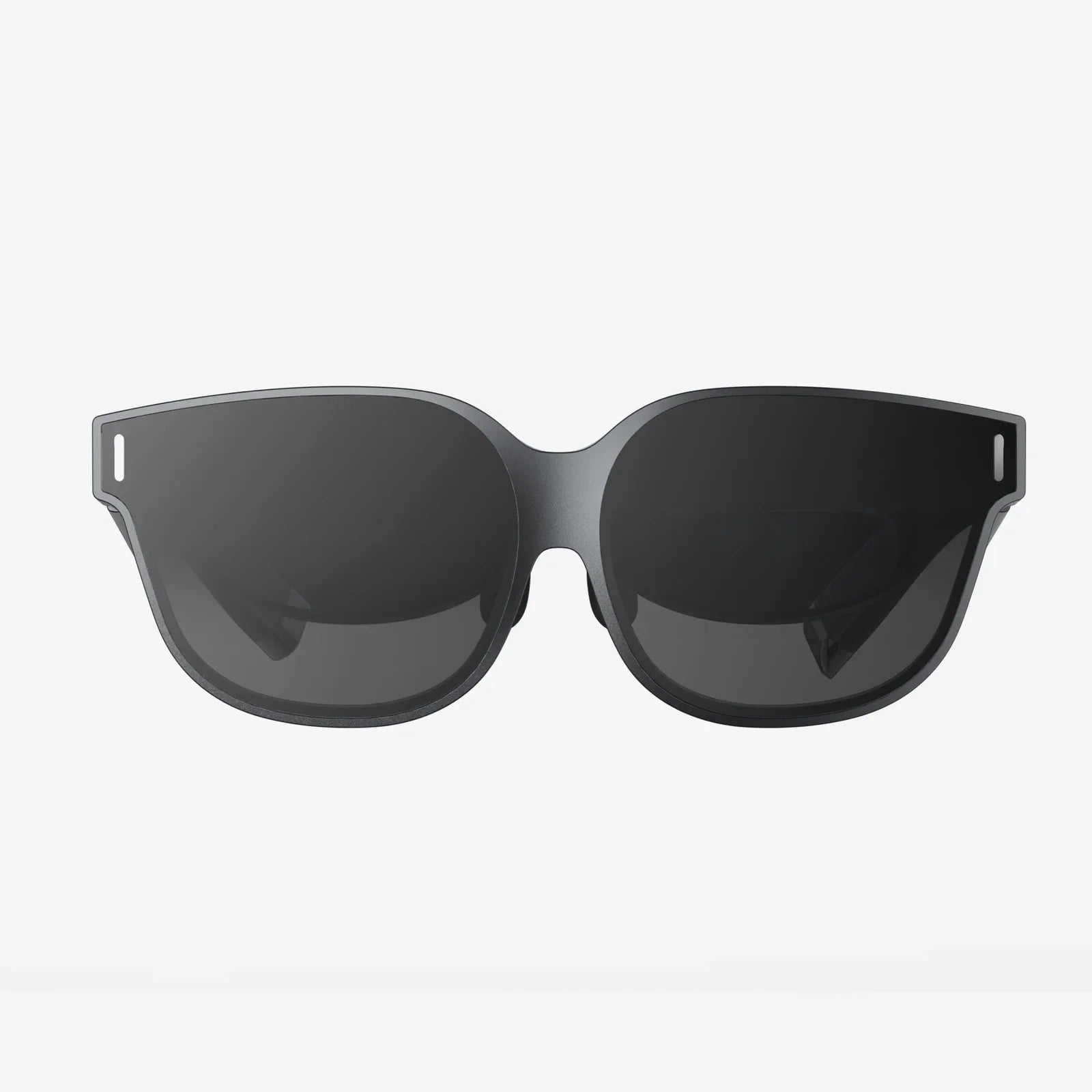
If you have ever wished your swim goggles could coach you in real time, then exploring what a Finis Smart Goggle style device can do is going to change the way you look at the pool forever. Imagine getting your split times, stroke counts, and lap numbers right in front of your eyes while you swim, without breaking rhythm to check a pace clock or wrist display. That is the promise of smart goggles for swimmers: turning every session into a data-rich, feedback-driven workout that feels more like a game than a grind.
Smart goggles sit at the intersection of swimming, wearable tech, and performance analytics. They are designed for lap swimmers, triathletes, open-water enthusiasts, masters swimmers, and anyone who wants to get more out of their time in the water. If you are curious about how this technology works, what benefits it offers, and whether it is worth adding to your swim bag, this detailed guide walks you through everything you need to know before taking the plunge.
What Is a Finis Smart Goggle Style Device?
A Finis Smart Goggle style device is essentially a pair of swim goggles with integrated electronics that track your swimming metrics and display key information in your field of view. Instead of glancing at a wall clock or stopping to check a watch, you see your data in real time while you swim.
Core components usually include:
- Optical display module that projects information into one lens or at the edge of your vision
- Motion sensors such as accelerometers and gyroscopes to detect strokes, turns, and rest periods
- Onboard processor that interprets your movements and converts them into metrics
- Battery designed to withstand repeated pool use and charging cycles
- Water-resistant housing that protects electronics while maintaining comfort and hydrodynamics
The result is a training tool that merges traditional swim gear with fitness tracking and heads-up display technology. Instead of just wearing goggles to protect your eyes, you are now wearing a performance dashboard.
Key Features of Smart Goggles for Swimmers
While each model has its own design choices, most smart goggles built around the same concept as a Finis Smart Goggle offer a similar feature set. Understanding these features helps you decide whether they align with your training goals.
Real-Time Heads-Up Display
The defining feature is the heads-up display. Typically, you see a small, semi-transparent data field near the edge of one lens. It is designed to be visible without obstructing your view of the lane, walls, or other swimmers.
Common real-time metrics include:
- Current lap count
- Split time for the current lap
- Total elapsed time for the set
- Distance covered in the session
- Rest time during intervals
Some systems let you customize which metrics appear and when they appear, so you only see what matters most to you.
Automatic Lap and Stroke Detection
Smart goggles rely on motion sensors to detect when you push off the wall, swim a lap, and make a turn. They can typically identify:
- Lap counts and lengths
- Stroke recognition (e.g., freestyle, backstroke, breaststroke, butterfly) depending on the algorithm
- Stroke rate and stroke count per lap
- Turn detection and push-offs
Accurate lap detection is crucial for reliable data. Most swimmers find the tracking to be very close to manual counting, especially in standard-length pools with consistent turns.
Detailed Post-Swim Analytics
After your session, you typically sync the goggles with a companion app on your phone or tablet. This is where your swim is broken down into detailed analytics such as:
- Per-lap splits and pacing trends
- Stroke efficiency metrics (like distance per stroke)
- Time spent swimming versus resting
- Session summaries and workout histories
- Charts that show improvements over weeks or months
For data-driven athletes, this level of detail can highlight weaknesses, track progress, and inform future training plans.
Customizable Display Modes
Different swimmers want different information. Many smart goggles give you control over what appears in the display and when. For example, you might choose to:
- Show lap count continuously, but only show splits at the wall
- Hide all metrics during a set and reveal them during rest intervals
- Emphasize total distance for long aerobic swims
- Focus on stroke count and pace for technique sessions
Customizing the display helps you avoid information overload and keeps your focus where it needs to be.
Workout and Training Plan Integration
Some smart goggle ecosystems offer structured workouts and training plans delivered through the app. While the goggles themselves show core metrics, the app can guide you through:
- Interval sets with target paces
- Technique drills and focus points
- Progressive training plans for events like triathlons
- Goal-based programs (distance milestones, speed improvements, or frequency targets)
When combined with smart goggles, these plans become easier to follow because you get immediate feedback on whether you are hitting your targets.
Benefits of Using Smart Goggles in Your Swim Training
Adding smart goggles to your gear is about more than just having cool tech. The real value lies in how they change your training experience and outcomes.
1. No More Lost Lap Counts
Almost every lap swimmer has had the experience of forgetting whether they are on lap 7 or lap 9. Smart goggles eliminate this mental distraction by tracking laps for you and displaying them in real time. This frees your mind to focus on technique, breathing, and pacing instead of arithmetic.
2. Real-Time Pacing Control
Maintaining a consistent pace is one of the hardest parts of swim training, especially without a dedicated coach on deck. With metrics like split times and average pace visible in your goggles, you can:
- Adjust your effort mid-lap if you are swimming too fast or too slow
- Hold race pace more reliably during training sets
- Avoid starting too hard and fading in longer intervals
Over time, this helps you build a better internal sense of pace, which is invaluable for racing.
3. Immediate Feedback on Technique and Efficiency
Metrics such as stroke count and stroke rate provide insight into how efficiently you are moving through the water. For example:
- If your stroke count rises while pace stays the same, you might be slipping water or shortening your stroke.
- If your stroke count drops and pace improves, your technique may be becoming more efficient.
Smart goggles allow you to experiment with changes in technique and see how they affect your metrics in the same session, rather than guessing or waiting for video feedback.
4. Enhanced Motivation and Engagement
Swimming can feel repetitive, especially when you are grinding through long sets alone. Smart goggles turn your workouts into a more engaging experience by giving you a constant stream of performance information. This can:
- Make solo sessions feel more interactive and gamified
- Encourage you to beat previous splits or distance records
- Help you stay mentally present instead of zoning out
For many swimmers, the added engagement is the difference between dreading the pool and looking forward to the next session.
5. Better Data Than a Poolside Watch Alone
Traditional swim watches provide useful data, but they require you to stop or twist your wrist to check your metrics. Smart goggles deliver that same data directly in your line of sight, keeping your body position streamlined and your stroke uninterrupted. This can be particularly helpful when:
- Swimming in crowded lanes where stopping is inconvenient
- Focusing on maintaining body alignment and head position
- Working on race-pace sets where every second matters
6. Long-Term Progress Tracking
The companion apps that pair with smart goggles store your workouts and present them as trends over time. You can see:
- How your average pace changes over weeks or months
- Whether you are swimming more efficiently (fewer strokes per lap) at the same speed
- How consistently you are training from week to week
Having objective proof of improvement is incredibly motivating and helps you refine your training plan intelligently.
Who Should Consider a Finis Smart Goggle Style Device?
Smart goggles can benefit a wide range of swimmers, but they are especially valuable for certain groups.
Lap Swimmers and Fitness Enthusiasts
If you swim primarily for fitness and health, smart goggles can make your workouts more structured and satisfying. Instead of just swimming back and forth for a vague amount of time, you can set clear goals for distance, pace, or intervals and track your progress accurately.
Competitive Swimmers
For athletes who race in pools, smart goggles offer precise control over pace and technique. They can help you:
- Dial in race pace for specific events
- Monitor stroke efficiency during high-intensity sets
- Analyze splits for each phase of a race distance
They are not a replacement for a coach, but they provide an additional layer of objective data that can complement coaching feedback.
Triathletes and Open-Water Swimmers
Triathletes often juggle swim training with cycling and running, making efficient sessions essential. Smart goggles help maximize the value of every minute in the pool by providing instant feedback and saving post-swim analysis time. For open-water swimmers, smart goggles can support pace awareness and endurance tracking during pool-based training that translates directly to race performance.
Masters Swimmers and Adult Learners
Masters swimmers and adults returning to the sport often appreciate the structure and feedback that smart goggles provide. They can help you:
- Rebuild technique with measurable improvements
- Stay motivated with visible progress metrics
- Train more safely by avoiding overexertion through pacing feedback
How to Set Up and Use Smart Goggles Effectively
Once you have a smart goggle system in hand, a bit of thoughtful setup ensures you get the best experience from day one.
Step 1: Fit and Comfort
Start by adjusting the straps and nose bridge so the goggles fit snugly without excessive pressure. A good seal prevents leaks, which can interfere with both comfort and display visibility.
- Test the fit by pressing the goggles to your eyes without the strap; they should hold briefly via suction.
- Adjust the nose piece if your eyes feel strained or the frame pinches your nose.
- Ensure the display sits in a comfortable part of your field of vision, not directly in the center.
Step 2: Connect to the Companion App
Most smart goggles pair with an app via wireless connection. Initial setup usually involves:
- Creating an account and entering basic profile information (age, weight, etc.)
- Pairing the goggles with your device
- Setting pool length so distance calculations are accurate
- Choosing preferred units (yards or meters, minutes per 100 units, etc.)
Take a few minutes to explore the app interface so you know where to find workout history, settings, and help resources.
Step 3: Customize Your Display
Before your first serious workout, decide which metrics you want to see. A simple starting configuration might be:
- Lap count and split time displayed at the end of each lap
- Total distance shown periodically
- Rest timer visible during breaks
As you get more comfortable, you can experiment with additional metrics like stroke count or pace, or adjust when and how they appear.
Step 4: Start With Familiar Workouts
To get used to the display without overwhelming yourself, begin with workouts you already know well. For example:
- Easy continuous swims at a comfortable pace
- Simple interval sets like 10 x 50 with equal rest
- Drill sets where speed is not the main focus
This lets you learn how the goggles present data and how to glance at the display without disrupting your stroke.
Step 5: Review and Adjust After Each Session
After your swim, sync your data and look for patterns:
- Were your splits consistent across the set?
- Did your stroke count increase as you fatigued?
- Did you rest longer than planned between intervals?
Use these insights to adjust future workouts and refine your display settings so they support your goals more effectively.
Training Strategies Using Smart Goggles
Once you are comfortable with the basics, you can start designing workouts that leverage the full capabilities of your smart goggles.
Pacing Ladders
Use the display to execute pacing ladder sets where each repeat gets slightly faster. For example:
- 4 x 100 at an easy pace
- 4 x 100 slightly faster, targeting a specific split range
- 4 x 100 at strong but sustainable pace
Watch your splits in real time to ensure each step of the ladder is executed as planned.
Stroke Efficiency Sessions
Focus on reducing stroke count while maintaining or improving pace. For example:
- Swim sets of 25 or 50 units, counting strokes and checking the metric in your display.
- Experiment with longer strokes, better rotation, or improved catch.
- Use the goggles to confirm whether your changes are truly more efficient.
This kind of feedback loop accelerates technical improvement.
Threshold and Race-Pace Work
For swimmers preparing for races, smart goggles make it easier to train at specific intensities. You can:
- Set target splits for race distance repeats (such as 100 or 200 units).
- Monitor whether you are holding pace as fatigue builds.
- Adjust your effort mid-set to stay within your desired range.
Over time, this builds confidence that you can sustain your goal pace on race day.
Recovery and Technique Days
On easier days, use the goggles to keep your pace genuinely relaxed and your technique sharp. For instance:
- Set a maximum pace threshold to prevent going too hard.
- Focus on maintaining low stroke counts and smooth splits.
- Use the rest timer to ensure you are getting adequate recovery between drill sets.
Practical Considerations Before Buying
Before investing in a smart goggle system, it is worth considering a few practical factors to ensure it fits your needs and expectations.
Battery Life and Charging
Check how long the goggles can operate on a single charge and how they are recharged. Consider:
- Whether the battery life comfortably covers your longest swim sessions
- How long a full charge takes
- Charging convenience and whether you need to remove any modules
For frequent swimmers, reliable battery performance is essential.
Comfort and Fit Over Time
Smart goggles contain more hardware than traditional goggles, which can affect weight and balance. If possible, look for design details that support comfort:
- Soft gasket materials around the eyes
- Adjustable nose bridges to fit different face shapes
- Balanced weight distribution so the display side does not feel heavy
Comfort becomes even more important during long sessions or multi-set workouts.
Display Visibility and Clarity
The quality of the display can make or break the experience. Consider:
- How easy it is to read metrics in different lighting conditions
- Whether the display is distracting or subtle enough to ignore when you want
- How well the lens resists fogging, which can obscure the data
Some swimmers prefer a very minimal display, while others want more prominent data; knowing your preference helps you choose the right settings.
Durability and Maintenance
Because smart goggles house electronics, proper care is crucial. Best practices usually include:
- Rinsing gently with fresh water after each swim
- Avoiding harsh chemicals in poolside cleaning products
- Storing in a protective case to prevent scratches and impact damage
Also consider whether components can be replaced individually, such as straps or gaskets, to extend the life of the device.
Compatibility With Other Training Tools
If you already use fitness platforms, training logs, or coaching services, check whether your smart goggle ecosystem can integrate with them. Data export and sync options make it easier to keep all your training information in one place.
Common Questions About Smart Goggles
Are Smart Goggles Allowed in Races?
In many sanctioned pool races, electronic devices are not permitted during competition. However, smart goggles are primarily training tools, not race-day equipment. You use them to prepare more effectively for races where you will rely on your internal sense of pace and technique.
How Accurate Are the Metrics?
Accuracy depends on the quality of the sensors and algorithms, as well as consistent swimming technique. For most swimmers, lap counts and basic distance metrics are highly reliable in standard pools. Stroke recognition and detailed metrics are generally accurate enough for training decisions, even if occasional small discrepancies occur.
Do Smart Goggles Work in Open Water?
Some smart goggle systems are optimized for pool swimming, where lane lines and walls provide clear cues for lap counting. Open-water support varies and may require different tracking methods. Many athletes still use smart goggles primarily in pools to prepare for open-water events.
Will the Display Distract Me?
Most swimmers adapt quickly to the heads-up display. It is typically positioned so that you can see it with a slight glance but ignore it when focusing on the lane ahead. With customizable settings, you can control how much information appears and how often, minimizing distraction while maximizing usefulness.
Making the Most of Your Investment
To get full value from a Finis Smart Goggle style device, treat it as more than just a gadget. Integrate it thoughtfully into your training by:
- Setting clear goals for each session (pace, distance, technique focus)
- Using real-time metrics to guide your effort and form
- Reviewing post-swim data to identify trends and adjust your plan
- Balancing data-driven training with intuitive feel and enjoyment of the water
Over time, the combination of objective feedback and subjective awareness can make you a more efficient, confident, and resilient swimmer.
If you have ever wondered what it would be like to have a personal pace clock, stroke counter, and performance analyst floating right in front of your eyes during every lap, exploring a Finis Smart Goggle style solution may be exactly the upgrade your swim routine has been missing. With the right setup and mindset, smart goggles can turn ordinary pool time into a focused, engaging, and highly productive training experience that keeps you coming back to the water eager to see what you can achieve next.
共有:
Aura Aspen Digital Picture Frame Complete Guide for Modern Photo Display
sliding glass door screen replacement parts: A Complete Homeowner’s Guide