


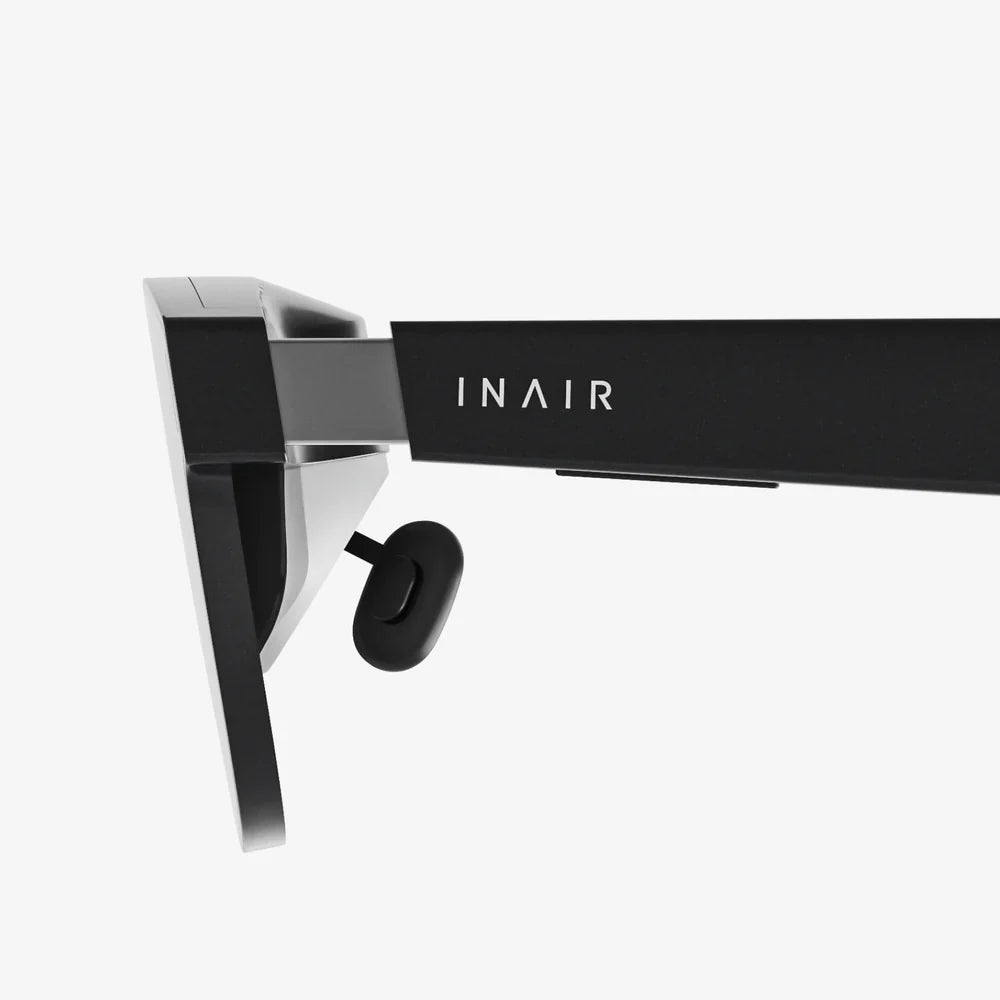
Google Project Aura might sound like a mysterious codename from a sci-fi movie, but behind that name is a bold attempt to redefine how humans interact with technology. Long before today’s buzz around augmented reality glasses, always-on assistants, and invisible computing, this initiative quietly explored a future where digital information would blend seamlessly into daily life. If you have ever wondered why tech companies are still obsessed with smart glasses and ambient computing, understanding this project is one of the best ways to see where the ideas came from, where they stumbled, and why they are far from dead.
To understand the significance of Google Project Aura, it helps to go back to the early days of smart glasses. The first wave of head-mounted displays promised to turn everyone into a hands-free, hyper-connected information hub. Yet, what looked futuristic on stage quickly collided with real-world concerns: privacy fears, social awkwardness, limited battery life, and a lack of truly compelling everyday use cases. Project Aura emerged as a response to these challenges, not just as a hardware refresh, but as a conceptual reboot of what wearable and ambient computing could be.
The Origins And Purpose Of Google Project Aura
Google Project Aura was created as an internal effort to rethink and reorganize the company’s wearable technology strategy. Rather than treating smart glasses as a flashy gadget for early adopters, it aimed to explore how head-mounted displays, audio wearables, and other subtle devices could become practical tools integrated into everyday life. The project was less about a single product and more about an ecosystem of ideas: lightweight interfaces, context-aware services, and devices that could fade into the background until needed.
The initiative focused on three broad goals:
- Reposition wearable devices as helpful tools rather than intrusive toys.
- Redesign user experience so interactions felt natural, discreet, and socially acceptable.
- Rebuild the platform around ambient, context-aware computing instead of constant screen attention.
By shifting emphasis from spectacle to subtlety, Project Aura sought to align wearable technology with real human behavior, not just technology demos. It was about asking hard questions: When does having information in your field of view actually help? When does it distract? How can a device be powerful but almost invisible, both visually and socially?
From Smart Glasses To Ambient Computing
One of the most important conceptual shifts behind Google Project Aura was the move from “wearable gadget” to “ambient computing node.” Instead of thinking of smart glasses as a replacement for smartphones, the project treated them as just one of many interfaces to a broader, cloud-powered intelligence that surrounds the user.
Ambient computing refers to technology that is always present, always connected, and context-aware, but not always in your face. It is the opposite of staring at a glowing rectangle all day. In this model:
- Your environment becomes interactive, not just your devices.
- Services respond to context: location, activity, time, and even your habits.
- Interfaces become lighter: subtle visual cues, audio prompts, haptic feedback, and voice.
Project Aura explored how smart glasses, earbuds, and other wearables could act as windows and microphones into this ambient layer. You would not constantly look at a display; instead, the system would surface information only when it mattered: navigation hints while walking, subtle alerts during a meeting, quick translations while traveling, or hands-free instructions when repairing something.
Key Design Principles Behind Project Aura
While much of the project’s work happened behind closed doors, the design principles it embodied are visible in the broader evolution of wearable technology. Several core ideas stand out:
1. Minimal Visual Intrusion
Early smart glasses often looked and felt like a miniature smartphone strapped to your face. Project Aura shifted toward minimalism: smaller displays, lighter overlays, and a focus on glanceable information. The idea was that the display should support your real-world view, not compete with it.
This meant prioritizing:
- Heads-up notifications that appeared briefly and disappeared automatically.
- Contextual cards rather than full apps, surfacing only the most relevant data.
- Low-distraction layouts with simple typography and minimal animations.
2. Voice And Subtle Gestures As Primary Inputs
Typing on a tiny touchpad near your temple was never going to be pleasant. Project Aura leaned toward voice commands, simple gestures, and possibly gaze-based interactions. Rather than forcing users to learn complex controls, the project aimed for natural, quick, and repeatable actions.
Examples of this philosophy include:
- Quick voice queries like “What is my next appointment?”
- Simple gestures such as tapping the frame or swiping to dismiss a card.
- Hands-free operations for tasks where your hands are busy, like driving or working with tools.
3. Situational Awareness Over App-Centric Design
Traditional smartphones are built around apps; you tap icons, open full-screen experiences, and switch between them. Project Aura leaned into situational awareness instead. The system would infer what you might need based on context and show small, relevant snippets rather than demanding that you browse through app menus.
This approach aligns with concepts like:
- Proactive notifications that appear just before you need them, such as transit alerts.
- Micro-interactions that take a few seconds instead of minutes.
- Background intelligence that keeps track of your schedule, location, and preferences.
4. Social Acceptability And Privacy Awareness
One of the biggest lessons from early smart glasses was that people around the wearer matter just as much as the wearer themself. Project Aura needed to address concerns like: Are you recording me? Are you taking pictures? Are you distracted while talking to me?
Design strategies to address these concerns included:
- More subtle hardware designs that looked closer to normal eyewear.
- Clear indicators when cameras or microphones were active.
- Usage modes tailored for workplaces or specific environments with stricter privacy expectations.
How Google Project Aura Connected To Broader Wearable Efforts
Although Project Aura was often associated with smart glasses, its ambitions extended beyond a single device category. It fit into a broader strategy that included smartwatches, fitness trackers, ear-worn assistants, and home devices. All of these were seen as potential nodes in the same ambient computing network.
For example, consider this kind of interaction flow:
- You receive a notification on your smartwatch.
- Your smart glasses briefly display navigation directions when you start walking.
- Your earbuds read out a message while you keep your phone in your pocket.
- A home device syncs your reminders and calendar so any wearable can access them.
Project Aura’s role in this ecosystem was to explore head-mounted and possibly ear-based experiences that could complement, not replace, other devices. The focus was on continuity: whichever device was most convenient at a given moment would surface the right information in the right way.
Technical Challenges That Shaped The Project
Behind the sleek concept of ambient computing lay a demanding set of technical challenges. Project Aura had to grapple with hardware, software, and infrastructure issues that are still being refined today.
Battery Life And Power Management
Smart glasses and always-on wearables are constrained by size and weight. You cannot simply add a larger battery without making the device heavy and uncomfortable. Project Aura’s work highlighted the importance of:
- Efficient processors tailored for low-power, always-listening tasks.
- Adaptive brightness and low-power displays that adjust to lighting conditions.
- Intelligent duty cycling, where sensors and radios wake up only when needed.
Power management was not just a hardware issue; it required software that made smart decisions about when to listen, when to display, and when to stay quiet.
Connectivity And Cloud Dependence
Ambient computing thrives on continuous connectivity. Project Aura needed reliable wireless connections to deliver real-time information, voice recognition, and location-based services. At the same time, it had to gracefully handle spotty networks or offline scenarios.
This led to a balance between:
- On-device processing for simple commands and quick responses.
- Cloud-based processing for complex tasks like natural language understanding.
- Local caching of critical information such as maps or recent messages.
User Interface Constraints
A tiny display in the corner of your vision cannot show a full web page or a long email comfortably. Project Aura had to rethink interface design from the ground up:
- Breaking information into short, digestible chunks.
- Using icons, color, and layout to convey meaning at a glance.
- Designing flows where users could escalate from a brief glance to a deeper interaction on another device if necessary.
The interface challenge extended to audio as well. Spoken responses needed to be concise and context-aware, not long monologues that annoyed the user.
Privacy, Security, And Trust
Any device that can see what you see and hear what you hear raises serious privacy questions. Project Aura had to contend with:
- Secure storage and transmission of audio, video, and sensor data.
- Clear user controls for disabling cameras or microphones.
- Policies and technical safeguards to prevent abuse or unauthorized access.
Trust is critical for adoption. Without strong privacy protections, even the most advanced wearable device will struggle to gain widespread acceptance.
Use Cases That Drove Google Project Aura’s Vision
To justify the complexity of smart glasses and ambient devices, Project Aura explored scenarios where these technologies could deliver clear benefits. Several categories emerged as especially promising.
Hands-Free Productivity
In environments where workers need their hands free, head-mounted displays and audio assistants can be transformative. Think of technicians repairing equipment, warehouse staff picking items, or field workers inspecting infrastructure. Project Aura’s concepts aligned closely with:
- Step-by-step visual instructions overlaid on real-world objects.
- Real-time access to manuals, diagrams, or remote experts.
- Hands-free logging of observations or measurements.
These professional use cases offered clear value: improved accuracy, reduced training time, and fewer errors.
Navigation And Travel Assistance
Navigation is one of the most intuitive applications for smart glasses. Project Aura’s ambient approach envisioned:
- Subtle arrows or markers appearing in your peripheral vision while walking or cycling.
- Automatic surfacing of transit information at stations or stops.
- On-the-fly translations of signs and menus while traveling abroad.
By keeping your eyes on the world instead of on a handheld screen, the experience could become safer and more natural.
Accessibility And Assistive Technology
Wearables and ambient computing can significantly enhance accessibility for people with disabilities. Project Aura’s ideas can be extended to:
- Audio descriptions of the environment for users with visual impairments.
- Real-time captioning of conversations for users with hearing impairments.
- Gesture or voice-driven interfaces for users with limited mobility.
In these contexts, smart glasses and audio wearables are not just conveniences; they can be life-changing tools that enable greater independence.
Everyday Micro-Assistance
Beyond specialized scenarios, Project Aura also targeted everyday micro-assistance: small, frequent interactions where ambient computing can save time or mental effort. Examples include:
- Quick reminders appearing when you arrive at a specific location.
- Subtle nudges about upcoming meetings as you walk into an office.
- Instant answers to short questions without pulling out your phone.
These micro-moments, when aggregated across a day, can significantly change how people experience technology—less as a separate activity and more as a quiet, helpful presence.
What Google Project Aura Reveals About The Future Of Interfaces
Even though Project Aura itself is not a consumer-facing product line, its legacy is visible in how the tech industry now talks about the future of interfaces. Several major trends can be traced back to the thinking that underpinned the project.
From Screens To Layers
Instead of treating screens as the primary destination for attention, the industry is moving toward layered experiences: a glanceable layer on wearables, a conversational layer via voice, and a deeper, more interactive layer on larger screens when needed. Project Aura’s emphasis on micro-interactions and ambient prompts fits perfectly into this layered model.
In practice, this means:
- Short-lived overlays instead of full-screen takeovers.
- Context-driven prompts instead of constant notifications.
- Seamless handoff between devices depending on what the user is doing.
Context As The New Click
Where early web and mobile design focused on clicks and taps, ambient computing, as explored by Project Aura, focuses on context. The system interprets where you are, what you are doing, and what you might need, and then acts accordingly.
Key contextual signals include:
- Location and movement patterns.
- Time of day and calendar events.
- Nearby devices and known environments like home or office.
This shift requires sophisticated machine learning and careful design to avoid feeling intrusive or uncanny, but it also unlocks experiences that would be impossible with manual interaction alone.
Invisible Design And Calm Technology
Project Aura aligns with the concept of calm technology: systems that inform without overwhelming and remain in the background until needed. Instead of maximizing engagement time, the goal is to minimize friction and cognitive load.
Calm technology principles include:
- Presenting information at the periphery of attention, not the center.
- Using subtle cues like light, sound, or haptics instead of constant alerts.
- Allowing users to ignore the system most of the time without penalty.
Smart glasses and ambient devices inspired by Project Aura’s thinking are natural vehicles for this approach, because they can be present without demanding constant interaction.
Lessons From Project Aura’s Struggles And Limitations
Despite its ambitious vision, Project Aura also highlights how difficult it is to bring futuristic interfaces into the mainstream. Several lessons stand out for anyone interested in the future of computing.
Technology Readiness Versus Social Readiness
Technical feasibility does not guarantee social acceptance. Even if a wearable device works well on a technical level, people may reject it if it feels awkward, rude, or invasive in social situations. Project Aura had to confront the reality that:
- People are sensitive to cameras and microphones in public spaces.
- Fashion and personal style matter as much as functionality.
- Norms around eye contact, attention, and presence are deeply ingrained.
Any future wave of smart glasses and ambient wearables must treat social design as seriously as hardware engineering.
Finding The Right Use Cases First
Launching a generalized device that tries to do everything can dilute its value. Project Aura’s trajectory suggests that focusing on a few high-impact use cases—such as professional workflows, accessibility, or navigation—can build trust and demonstrate real value before pushing for broad consumer adoption.
Once a device proves indispensable in specific contexts, it is easier to expand its role gradually, rather than trying to convince everyone to adopt it from day one for vague reasons.
Balancing Innovation With Privacy
Ambient computing requires significant data to work well: location history, voice samples, behavioral patterns, and more. Project Aura’s legacy underscores the need to:
- Give users clear control over what is collected and when.
- Offer transparent explanations of how data is used.
- Build robust security to protect sensitive information.
Without this foundation, even the most advanced ambient systems will face resistance from users and regulators alike.
How Google Project Aura Still Shapes Today’s Tech Landscape
Even though the name Google Project Aura may not appear in consumer marketing, its ideas live on in many directions the industry is now taking. You can see its influence in:
- Renewed interest in lightweight smart glasses focused on notifications and simple overlays.
- Voice assistants that aim to be ever-present, yet unobtrusive.
- Wearables that prioritize subtlety, comfort, and long-term wear over flashy features.
- Software platforms that emphasize context-aware cards and proactive suggestions.
The project’s core vision—that computing should move from screens to surroundings, from explicit commands to contextual assistance—has become a guiding principle for many companies exploring the next era of human-computer interaction.
What Google Project Aura Means For Your Future Devices
If you fast-forward a few years, the concepts behind Google Project Aura point toward a world where you interact with technology less, yet benefit from it more. Your next generation of devices may embody this vision in subtle ways:
- Smart glasses that look like ordinary eyewear but quietly help with directions, reminders, and quick information.
- Ear-based assistants that can understand context and respond with minimal friction.
- Home and workplace environments that adapt lighting, information displays, and notifications based on who is present and what they are doing.
Instead of being tethered to a single screen, you will move through a tapestry of devices and sensors that collaborate behind the scenes. The most successful implementations will feel less like technology and more like an extension of your surroundings and your attention.
Google Project Aura stands as a pivotal chapter in the ongoing story of ambient computing. It captured both the promise and the challenges of weaving digital intelligence into everyday life. As new waves of smart glasses, wearables, and context-aware systems appear, the questions first tackled under the Aura banner will keep resurfacing: How can technology be powerful yet polite? How can it inform without overwhelming? And how can it support human presence in the real world rather than pulling us away from it? The companies and creators who answer those questions well will define the next decade of personal technology—and their work will trace a direct line back to the bold experiments that made Project Aura more than just another codename.
共有:
g.skill gm2 tempered glass atx mid-tower computer case ultimate build guide
ios 26 lock screen liquid glass: The Next-Level iPhone Aesthetic