


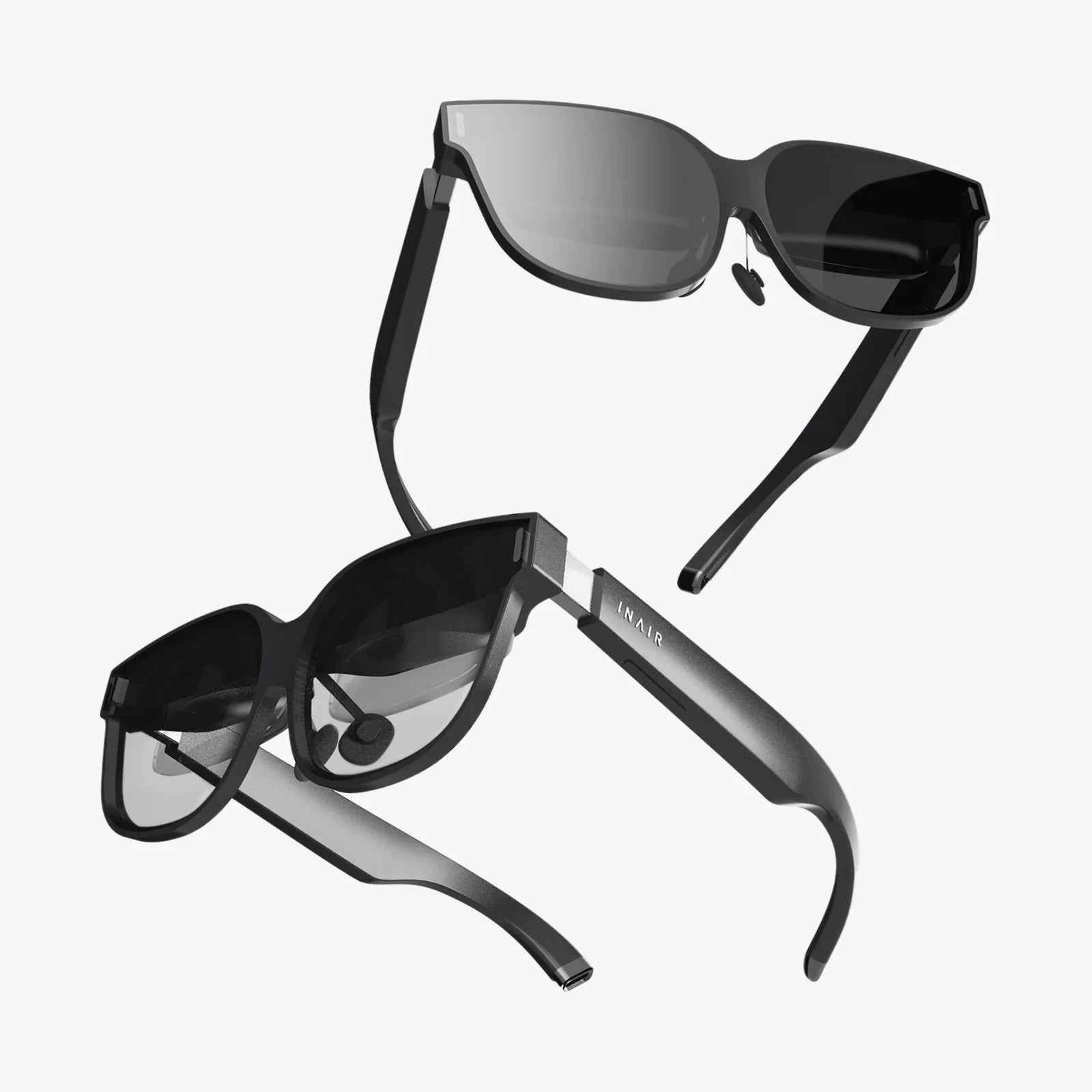
Wondering how long to get used to AR blocking glasses before they finally feel normal on your face and in front of your eyes? You are not the only one. Many people slip them on expecting instant comfort, only to run into headaches, visual weirdness, or just a nagging sense that something feels off. The good news is that your eyes and brain are built to adapt, and with the right expectations and habits, that awkward transition can turn into a smooth, almost invisible part of your daily routine.
AR blocking glasses are designed to filter or reduce certain wavelengths of light and digital overlays, easing visual strain and helping your brain focus on the real world instead of all the digital clutter. But that same filtering is exactly why they can feel strange at first. Your visual system has to recalibrate, and that process takes time. Understanding what happens during that adjustment period, how long it typically lasts, and what you can do to speed it up can make the difference between giving up too soon and finally enjoying the benefits you bought them for.
What AR Blocking Glasses Actually Do To Your Vision
Before asking how long to get used to AR blocking glasses, it helps to know what they are changing in your visual system. When you put them on, several things happen at once:
- Light filtering: They reduce or alter specific wavelengths of light, often those associated with digital screens or augmented reality content, so your eyes receive a slightly different color and brightness balance.
- Contrast shifts: The world may look a bit softer or more muted at first, because contrast between objects and background can change.
- Depth and focus adjustments: Your brain uses subtle visual cues to judge distance and focus. Changing how light enters your eyes can temporarily disrupt that system.
- Reduced digital overlays: If you are using AR devices, blocking or dampening overlays changes how your brain integrates digital and physical information.
All of these shifts are small but meaningful. Your eyes and visual cortex are used to a specific “profile” of light and contrast. When you change that profile, your brain has to build a new internal map. That recalibration is the heart of the adaptation period.
Typical Timeline: How Long To Get Used To AR Blocking Glasses
There is no single exact number of days that applies to everyone, but most people fall into a few predictable timelines. When people ask how long to get used to AR blocking glasses, they are usually talking about when the glasses stop feeling strange or uncomfortable.
First 24 to 48 Hours: The “This Feels Weird” Phase
During the first day or two, you might notice:
- Slight distortion around the edges of your vision
- A subtle color cast or tint to the world
- Mild headaches or eye strain, especially after long screen sessions
- Increased awareness of the glasses on your face
Most of these sensations are your visual system reacting to change. For many people, wearing the glasses for short periods several times per day during this phase is enough to start building tolerance without overwhelming the eyes.
Days 3 to 7: The Adaptation Phase
By the end of the first week, a large percentage of users find that the glasses feel much more natural. Common experiences during this period include:
- Headaches becoming less frequent or less intense
- Colors and brightness starting to feel “normal” again
- Less awareness of the frames and lenses during daily tasks
- Improved comfort during screen use or AR-heavy activities
For many people, this is the answer to how long to get used to AR blocking glasses: around three to seven days of consistent, gradual use. However, some users require more time, especially if they have preexisting visual sensitivity.
Two to Four Weeks: Deep Adaptation
Some individuals, especially those with sensitive eyes, a history of migraines, or complex prescriptions, may need two to four weeks before the glasses feel completely natural. During this period, the brain refines its new visual baseline, and any lingering discomfort usually fades.
If you are still noticing significant discomfort after four weeks of proper use, it may be a sign that something else is going on, such as incorrect fit, unsuitable lens strength, or an underlying eye issue.
Key Factors That Affect How Long To Get Used To AR Blocking Glasses
Not everyone adapts at the same speed. Several factors can stretch or shorten the timeline for getting used to AR blocking glasses.
1. Your Existing Vision and Eye Health
Your baseline eye condition plays a big role:
- Uncorrected vision problems: If you already have uncorrected nearsightedness, farsightedness, or astigmatism, adding AR blocking lenses on top of that can create extra strain.
- History of eye strain or migraines: People prone to headaches, light sensitivity, or visual migraines may take longer to adapt.
- Dry eye or other eye surface issues: These conditions can make any new eyewear less comfortable at first.
In these cases, the question of how long to get used to AR blocking glasses depends heavily on whether your underlying issues are being addressed at the same time.
2. Frame Fit and Lens Position
Even the best lenses will feel wrong if the frames do not fit properly. Poor fit can cause:
- Uneven pressure on the nose or ears, leading to headaches
- Lenses sitting too high or too low, altering the intended optical center
- Slippage that forces your eyes to constantly refocus
Adjusting the frame fit can dramatically reduce the time it takes to feel comfortable.
3. How Many Hours You Wear Them Each Day
Consistency matters. Someone who wears AR blocking glasses for ten minutes a day will adapt much more slowly than someone who uses them for several hours. A gradual but steady increase in wear time is often the fastest path to comfort.
4. Type of AR Use and Digital Exposure
The more intense your digital or AR environment, the more your brain has to recalibrate. Heavy AR users may notice a bigger difference when they first put on AR blocking glasses, but they may also experience a stronger payoff once adapted, such as reduced visual fatigue and better focus on real-world tasks.
5. Personal Sensitivity to Light and Visual Changes
Some people are simply more sensitive to changes in light, color, or visual processing. If you are the type who notices every small change in your environment, you might be more aware of the transition period and might need more patience while your brain adjusts.
Common Symptoms During the Adjustment Period
When people ask how long to get used to AR blocking glasses, they are often worried that something is wrong if they do not feel perfect right away. In reality, several mild symptoms are common and usually temporary.
Visual Discomfort and Eye Strain
Eye strain might show up as:
- A feeling of tired eyes by the end of the day
- A need to blink more often or rub your eyes
- Difficulty focusing when switching between distances
This discomfort typically lessens as your visual system learns the new light and contrast profile.
Headaches
Mild headaches, especially around the forehead or behind the eyes, are common during the first few days. They are usually a sign that your brain is working harder to process the new visual input. If headaches are severe or persistent, that is a cue to check lens accuracy, frame fit, or underlying eye health.
Perception of Color and Brightness Changes
Because AR blocking glasses filter certain wavelengths, you might notice:
- Whites looking slightly warmer or cooler
- Screen brightness feeling different
- Outdoor light seeming softer or more muted
Over time, your brain recalibrates its internal “white balance,” and these differences fade into the background of your perception.
Depth Perception and Spatial Awareness
In the early days, some people feel slightly off-balance or notice that stepping off curbs, walking stairs, or reaching for objects feels different. This is usually subtle but can be surprising. It is another sign that your visual system is updating its internal map of the world.
Practical Strategies To Shorten the Adjustment Period
If you want to shorten how long to get used to AR blocking glasses, you can be proactive. Intentional habits can ease the transition and make your eyes more comfortable.
1. Use a Gradual Wear Schedule
Instead of forcing yourself to wear the glasses all day from the start, try a structured ramp-up:
- Day 1–2: 1–2 hours total, broken into short sessions
- Day 3–4: 3–4 hours total, especially during screen or AR use
- Day 5–7: 5–8 hours, including key work or study periods
- After week 1: Move toward full-time wear if recommended
This approach lets your visual system adapt without overwhelming it.
2. Take Regular Screen Breaks
When using AR blocking glasses for screen or AR work, follow a simple break rule such as looking away every 20 minutes for about 20 seconds at something far away. This gives your eyes a chance to relax and reduces the cumulative strain that can make adaptation feel harder.
3. Check Lighting Conditions
Harsh or dim lighting can exaggerate any discomfort you feel. During your first week of use:
- Avoid working in very dim rooms with bright screens.
- Use soft, indirect lighting to reduce glare.
- Adjust screen brightness to a comfortable level.
Better lighting makes it easier for your brain to adjust to the new lens characteristics.
4. Ensure Proper Frame Fit
Pay attention to how the glasses sit on your face:
- The lenses should be centered in front of your eyes, not too high or low.
- The nose pads or bridge should feel stable but not painful.
- The temples should rest comfortably over your ears without pinching.
Even small adjustments in fit can reduce headaches and make the adaptation period feel shorter.
5. Support Overall Eye Comfort
Good eye habits help everything else work better:
- Blink regularly, especially when using screens or AR devices.
- Stay hydrated to support tear film and eye surface comfort.
- Consider using artificial tears if you experience dryness (after checking with a professional).
When your eyes feel physically comfortable, your brain can focus more on adapting to the new visual input rather than fighting discomfort.
When To Be Concerned About Persistent Discomfort
Most people asking how long to get used to AR blocking glasses will be reassured to know that discomfort typically improves within days or weeks. However, there are situations where you should not simply wait it out.
Signs That Something Might Be Wrong
Contact an eye care professional if you experience:
- Severe headaches that do not improve or that interfere with daily activities
- Double vision, strong dizziness, or nausea
- Persistent eye pain or sharp discomfort
- Blurry vision that does not clear after a few minutes of wear
These symptoms may indicate incorrect lens parameters, alignment issues, or an underlying eye condition that needs attention.
Possible Causes of Prolonged Adaptation Problems
If weeks go by and you still feel off, some possible reasons include:
- Incorrect prescription or lens power: Even small errors can cause strain.
- Misaligned optical centers: If the lenses are not centered correctly relative to your pupils, your eyes work harder.
- Incompatible lens design: Certain lens types or coatings might not suit your visual needs or sensitivity.
- Unaddressed binocular vision issues: Problems with how your eyes work together can become more noticeable with new lenses.
These situations usually require professional evaluation rather than simply waiting longer.
How AR Blocking Glasses Fit Into Everyday Life Once You Adapt
Once you move past the question of how long to get used to AR blocking glasses and your brain has adapted, they can become a seamless part of your daily routine. Many users report that they forget they are even wearing them until they take them off and notice how different the light feels.
Benefits You May Notice After Full Adaptation
After your visual system settles into its new normal, you might experience:
- Reduced eye fatigue during long screen or AR sessions
- Less squinting in bright or visually busy environments
- Improved focus on real-world tasks, with less distraction from digital overlays
- More comfortable evenings if you are sensitive to bright or artificial light
These benefits can be subtle at first, but many people notice a difference when they go back to not using the glasses for a day.
Using AR Blocking Glasses for Work, Study, and Leisure
Once adapted, you can integrate your glasses into various parts of life:
- Work: Wear them during long computer or AR-assisted tasks to maintain comfort and focus.
- Study: Use them for reading digital textbooks, research, or virtual labs to reduce strain.
- Leisure: Put them on for gaming, AR experiences, or streaming sessions, especially during extended use.
- Evening routines: If bright screens bother you at night, AR blocking lenses can make late-day digital use more comfortable.
As they become part of your normal habits, you may find that your eyes feel more relaxed at the end of the day than they did before.
Realistic Expectations: What AR Blocking Glasses Can and Cannot Do
Understanding how long to get used to AR blocking glasses also means understanding what they are meant to achieve. They are a tool, not a magic fix for every visual concern.
What They Can Help With
AR blocking glasses are primarily designed to:
- Reduce visual clutter from AR overlays or intense digital environments
- Filter specific types of light that can contribute to eye strain
- Provide a more comfortable visual experience during extended digital use
They can be especially helpful for people who spend long hours in digital or AR-enhanced spaces.
What They Cannot Replace
They are not a replacement for:
- Comprehensive eye exams to detect and treat medical eye conditions
- Proper ergonomic setup of screens and workstations
- Healthy habits like taking breaks, staying hydrated, and managing overall screen time
Using AR blocking glasses as part of a broader eye care strategy is more effective than relying on them alone.
Answering the Core Question: How Long To Get Used To AR Blocking Glasses?
Bringing everything together, the typical adaptation timeline looks like this:
- First 1–2 days: Noticeable differences in light, color, and comfort; mild discomfort is common.
- Days 3–7: Significant improvement for many users; glasses start to feel more natural.
- Two to four weeks: Full adaptation for most people, especially those with sensitive eyes or complex visual histories.
Your personal answer to how long to get used to AR blocking glasses will depend on your eye health, sensitivity, usage patterns, and how carefully you manage the transition. With a gradual wear schedule, attention to comfort, and realistic expectations, you can move from that initial “this feels strange” phase to a point where your glasses simply fade into the background and your eyes feel better protected in a digital-heavy world.
If you are standing at the edge, wondering whether the adjustment period is worth it, consider this: a few days or weeks of adaptation can trade places with years of more comfortable, less strained vision in environments filled with screens and augmented reality. The transition may not be instant, but for many people, the long-term comfort and clarity more than repay the short-term effort it takes to adapt.
共有:
introduction to virtual reality and augmented reality for the modern world
ar glasseds And The Future Of Everyday Immersive Experiences