


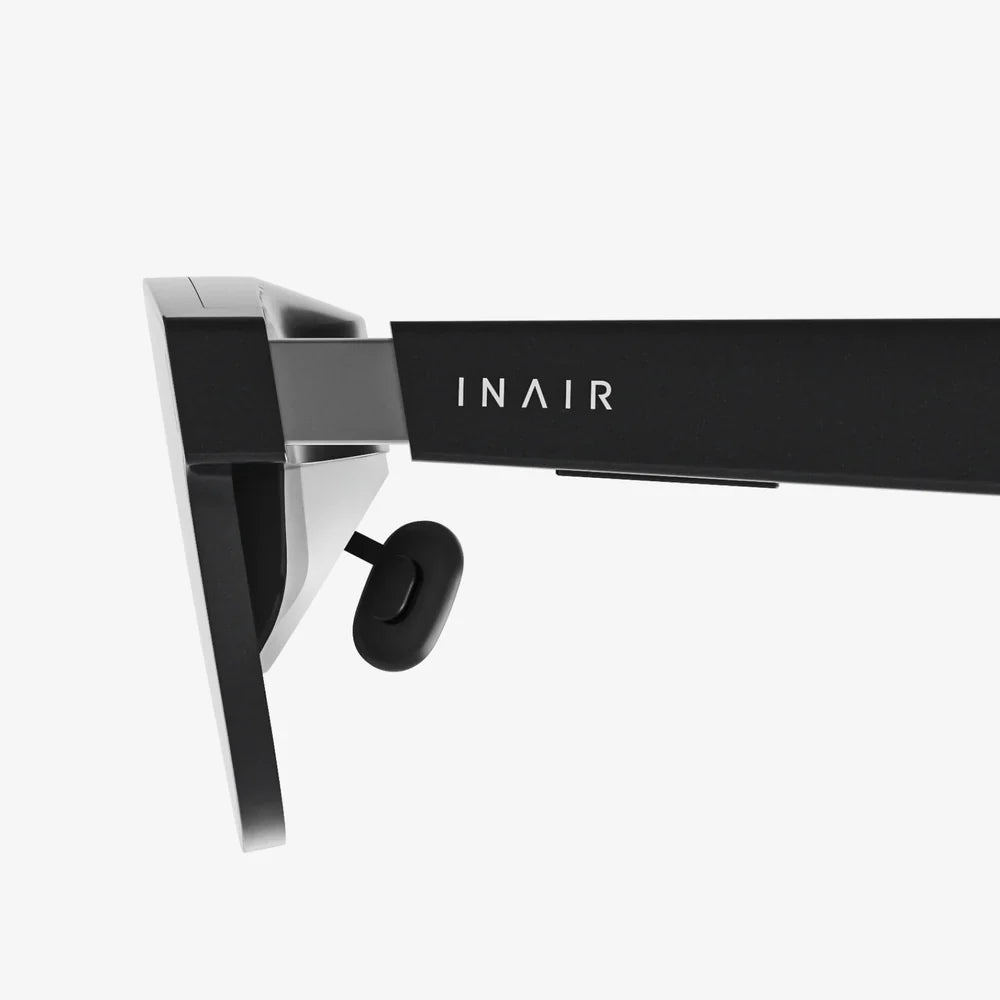
Imagine slipping on a pair of glasses that not only sharpen your vision, but also translate languages in real time, guide you through busy streets, monitor your health, and quietly boost your productivity. Intelligent eyeglasses are turning this vision into everyday reality, merging digital intelligence with something you already wear on your face. If you are curious about where this technology is heading, how it actually works, and whether it is worth your attention now or later, this deep dive will show you what is coming and how it could change your life.
What Are Intelligent Eyeglasses?
Intelligent eyeglasses are wearable devices that combine traditional eyewear with embedded electronics and software to deliver smart features. They may look like regular glasses, but inside the frame and lenses you will find components such as microprocessors, sensors, microphones, speakers, cameras, and wireless communication modules.
Unlike simple blue light glasses or basic reading lenses, intelligent eyeglasses are designed to interact with the world around you. They can overlay digital information onto your field of view, respond to your voice, track your activity, and connect to your smartphone or other devices. In short, they turn your eyewear into a discreet, always-available computer that you wear all day.
Key Technologies Behind Intelligent Eyeglasses
To understand why intelligent eyeglasses are such a big deal, it helps to look under the hood at the technologies that make them possible. These components work together to deliver an experience that feels simple, even though the engineering is complex.
Miniature Processors And On-Device Computing
The heart of intelligent eyeglasses is a small processor embedded in the frame. Modern low-power chips can handle tasks like speech recognition, basic artificial intelligence, and sensor fusion without draining the battery too quickly. Some models perform most processing locally, while others offload heavy tasks to a connected phone or cloud service.
On-device computing is especially important for privacy and responsiveness. By doing as much as possible directly on the glasses, intelligent eyewear can respond faster to your commands and reduce the need to send sensitive data, such as audio or video, over the internet.
Displays And Augmented Reality Overlays
One of the most exciting aspects of intelligent eyeglasses is the ability to overlay digital information onto the real world. Different display technologies enable this, including:
- Waveguide displays that project images from a tiny projector into a transparent lens, allowing you to see both the real world and digital content simultaneously.
- Micro-OLED or micro-LED displays that produce bright, high-resolution visuals while remaining small enough to fit into the frame.
- Heads-up display modules that show simple icons, notifications, or text in a corner of your vision without blocking your view.
These displays create a form of augmented reality, but in a more subtle and wearable way than bulky headsets. The goal is not to replace your view, but to gently enrich it.
Sensors: Seeing And Understanding The Environment
Intelligent eyeglasses rely on sensors to understand your environment and your behavior. Typical sensors include:
- Accelerometers and gyroscopes to detect head movement and orientation, which helps stabilize virtual overlays and enable gesture control.
- Ambient light sensors to adjust brightness and contrast for comfort and readability.
- Optical or camera sensors to capture images or video for tasks like object recognition, text translation, or navigation.
- Eye-tracking sensors in advanced models, which monitor where you are looking to enable gaze-based interaction and more precise augmented reality.
These sensors feed data into the onboard processor, which uses algorithms and machine learning models to interpret what is happening around you and respond in real time.
Connectivity And Cloud Integration
Most intelligent eyeglasses connect via Bluetooth or Wi-Fi to a smartphone or other device. This connection allows them to access your notifications, music, calls, and apps, and to send sensor data for further processing. Some advanced designs may include cellular connectivity for standalone operation.
Cloud integration expands what the glasses can do. For example, complex language translation, large-scale image recognition, and navigation can be handled by remote servers, with results streamed back to your lenses. The trade-off is that reliance on the cloud can raise privacy concerns and require a stable connection.
Audio Systems And Voice Interaction
Intelligent eyeglasses often include microphones and speakers or bone-conduction transducers. These allow you to interact using your voice and hear responses without blocking your ears. Bone-conduction technology sends vibrations through your skull to your inner ear, keeping your ear canal open so you can still hear your surroundings.
Voice assistants integrated into the glasses make it possible to perform hands-free tasks such as setting reminders, sending messages, or asking for directions, simply by speaking naturally.
Core Features Of Intelligent Eyeglasses
The technology inside intelligent eyeglasses enables a long list of practical features. While not every model offers all of them, the following capabilities illustrate what the category can deliver.
Augmented Reality Navigation And Guidance
Navigation is one of the most intuitive uses for intelligent eyeglasses. Instead of looking down at a phone, you can see arrows or markers overlaid on the real world, guiding you along the correct path. This is especially helpful in unfamiliar cities, large campuses, or complex indoor spaces like airports or shopping centers.
Beyond basic directions, intelligent eyeglasses can highlight points of interest, show distance and estimated arrival time, and even adjust routes on the fly if you take a wrong turn.
Real-Time Translation And Language Assistance
Imagine traveling abroad and seeing foreign signs instantly translated into your native language, or reading subtitles of a conversation as someone speaks. Intelligent eyeglasses can combine camera input, speech recognition, and translation algorithms to deliver this experience.
Text translation can work by capturing the text in your field of view and overlaying translated words directly on top. Voice translation can display real-time captions or provide spoken translations through the audio system.
Notifications And Productivity Tools
Intelligent eyeglasses can display subtle notifications such as incoming calls, messages, calendar reminders, and task alerts. Rather than constantly checking your phone, you can glance at a corner of your vision to see what needs attention.
Some systems support quick responses using voice commands, simple gestures, or pre-set replies. This can help you stay focused while still being reachable, reducing the urge to pick up your phone and get distracted by unrelated apps.
Health And Wellness Monitoring
Because you wear them on your face, intelligent eyeglasses are well-positioned to monitor aspects of your health and behavior. Potential features include:
- Tracking posture by analyzing head position and reminding you to sit or stand correctly.
- Measuring activity levels and steps when paired with motion sensors.
- Monitoring screen time and visual fatigue, then suggesting breaks or eye exercises.
- Detecting environmental factors like brightness that could strain your eyes.
In the future, more advanced sensors embedded in the frame or nose pads could track vital signs such as heart rate, temperature, or even certain biomarkers, turning your glasses into a discreet health companion.
Hands-Free Photography And Video
Intelligent eyeglasses with cameras allow you to capture photos and videos from your natural point of view. This can be useful for documenting events, recording lectures or meetings, or creating immersive content without holding a device.
Hands-free capture is especially appealing for activities such as cycling, cooking, or working with tools, where using a handheld camera would be awkward or unsafe. However, this capability also raises serious privacy questions, which we will explore later.
Accessibility Enhancements
One of the most powerful promises of intelligent eyeglasses is greater accessibility for people with disabilities or impairments. Potential benefits include:
- Visual assistance for people with low vision, such as magnification, contrast enhancement, or object highlighting.
- Real-time captions for people who are deaf or hard of hearing.
- Audio descriptions of surroundings, text, or faces for users with visual impairments.
- Guided navigation for those who need support moving through unfamiliar environments.
By integrating these features into everyday eyewear, intelligent glasses can reduce stigma and provide continuous support without drawing attention.
Everyday Use Cases: How Intelligent Eyeglasses Fit Into Daily Life
To understand the real-world impact of intelligent eyeglasses, it helps to imagine how they might fit into different aspects of daily life. Here are some scenarios that illustrate their potential.
At Work
In professional settings, intelligent eyeglasses can streamline workflows and enhance focus. For office workers, they can display meeting reminders, show talking points during presentations, and provide subtle prompts during video calls without forcing you to look away from the screen.
For field technicians or engineers, intelligent eyeglasses can overlay instructions directly onto equipment, highlight components, and allow remote experts to see what the wearer sees and guide them through complex procedures. This reduces errors, speeds up training, and improves safety.
While Studying Or Learning
Students can use intelligent eyeglasses to capture lecture notes, highlight key points, and receive contextual information while reading or conducting experiments. Language learners can see translations of unfamiliar words as they read, while history students might receive background information when visiting historical sites.
Because the glasses can stay on all day, they become a constant learning companion rather than a separate device you have to remember to carry and charge.
During Travel And Exploration
Travelers can benefit from real-time navigation, translation, and local recommendations. Intelligent eyeglasses can suggest nearby attractions, highlight public transportation options, and provide safety alerts in unfamiliar areas.
By keeping your hands free and your eyes on your surroundings, intelligent glasses can make travel feel more immersive and less stressful. They reduce the need to repeatedly pull out your phone, which can also lower the risk of theft or loss.
Health, Fitness, And Sports
For fitness enthusiasts, intelligent eyeglasses can display metrics such as pace, distance, heart rate, and time directly in your line of sight. Runners or cyclists can receive turn-by-turn directions without breaking stride, and coaches can use recorded footage to analyze form and technique.
In sports training, augmented overlays can show optimal movement paths, target zones, or feedback on performance. The key advantage is that the information appears where you are looking, minimizing distraction.
Daily Convenience And Micro-Interactions
Beyond big use cases, intelligent eyeglasses shine in small, frequent interactions that add up over the day. Examples include:
- Checking the time or weather with a quick glance.
- Receiving subtle reminders to drink water, stand up, or stretch.
- Seeing who is calling before deciding whether to answer.
- Using voice commands to control smart home devices while your hands are busy.
These micro-interactions can gradually shift your relationship with technology from constant phone-checking to a calmer, more ambient connection.
Benefits Of Intelligent Eyeglasses
Intelligent eyeglasses bring a range of advantages that go beyond novelty. For many users, the benefits can be substantial enough to justify wearing them daily.
Reduced Screen Time And Digital Overload
Ironically, adding another screen to your life can help you reduce the time you spend staring at traditional screens. Because intelligent eyeglasses present only the most relevant information in small, focused bursts, they can prevent the endless scrolling and app-hopping that often happens on smartphones.
Instead of unlocking your phone and getting pulled into unrelated notifications, you can handle quick tasks through your glasses and stay present in the real world.
Hands-Free Convenience
Hands-free interaction is one of the most practical benefits. Whether you are cooking, driving, working out, or carrying bags, intelligent eyeglasses let you access information, control music, or respond to messages without touching a device.
This convenience can also improve safety, particularly when you would otherwise be tempted to use your phone in situations where your hands and eyes should be focused elsewhere.
Personalization And Context Awareness
Because intelligent eyeglasses sit on your face and continuously sense your environment, they can learn your habits and preferences over time. This enables more personalized experiences, such as:
- Automatically adjusting brightness or color temperature based on lighting conditions.
- Prioritizing notifications from certain contacts or apps during specific times of day.
- Offering relevant information based on your location and routine.
Context awareness is a major step toward technology that feels like a helpful assistant rather than a constant interruption.
Enhanced Safety And Situational Awareness
Unlike smartphones, which pull your attention away from your surroundings, intelligent eyeglasses aim to keep you engaged with the real world. Navigation overlays, hazard alerts, or reminders to look up can actually enhance safety rather than diminish it.
For example, cyclists can receive route guidance while keeping their eyes on the road, and pedestrians can be warned if they are approaching a busy intersection while distracted.
Challenges And Concerns Around Intelligent Eyeglasses
Despite their promise, intelligent eyeglasses face significant challenges that will shape how quickly and widely they are adopted. Potential users should be aware of these issues before deciding whether the technology is right for them.
Privacy And Surveillance Issues
Privacy is one of the biggest concerns. Glasses with cameras and microphones raise questions about when and how they are recording, and whether people nearby are aware. Even if the wearer does not intend to misuse the device, others may feel uncomfortable or monitored.
Some jurisdictions restrict recording in certain places, and social norms are still evolving around wearable cameras. Clear visual indicators, such as lights that show when recording is active, can help, but they do not fully resolve the underlying tension between convenience and privacy.
Data Security And Personal Information
Intelligent eyeglasses collect sensitive data about your location, habits, and sometimes even your surroundings and conversations. Protecting this data from unauthorized access is critical. Users should pay attention to:
- How long data is stored and where it is kept.
- Whether information is anonymized or linked to personal accounts.
- What third parties, if any, can access the data.
Strong encryption, transparent privacy policies, and local processing can reduce risk, but users still need to make informed choices about what they are comfortable sharing.
Comfort, Design, And Social Acceptance
For intelligent eyeglasses to become mainstream, they must be comfortable and stylish enough for everyday wear. Early devices were often bulky and visually conspicuous, which limited their appeal. Modern designs are improving, but fitting all the required components into a slim frame remains a challenge.
Social acceptance is equally important. People may feel self-conscious wearing noticeable smart eyewear, or worry about how others perceive them. As designs become more subtle and common, this barrier is likely to fade, but it remains a factor today.
Battery Life And Performance Trade-Offs
Battery life is a constant constraint. Powerful displays and processors consume significant energy, yet users expect all-day performance without frequent charging. To manage this, designers must balance features, brightness, and usage patterns.
Some intelligent eyeglasses limit the intensity or duration of augmented reality features to preserve battery, while others rely on pairing with a smartphone to offload heavy tasks. Users should consider how long they need the glasses to operate and what they are willing to compromise on.
Eye Health And Visual Comfort
Wearing digital displays close to your eyes for extended periods raises questions about eye strain and comfort. Poorly calibrated displays can cause headaches, blurred vision, or fatigue, especially if the virtual content does not align properly with the real world.
To minimize these issues, intelligent eyeglasses need careful optical design, adjustable settings, and perhaps built-in reminders to rest your eyes. Users with existing vision conditions should consult eye care professionals before committing to heavy usage.
How To Choose Intelligent Eyeglasses Wisely
If you are considering intelligent eyeglasses, a thoughtful approach will help you find a device that fits your needs rather than becoming an expensive novelty. Here are key factors to evaluate.
Clarify Your Primary Use Cases
Start by identifying what you actually want to use intelligent eyeglasses for. Common priorities include:
- Navigation and travel assistance.
- Hands-free communication and notifications.
- Fitness and outdoor activities.
- Professional workflows or remote collaboration.
- Accessibility and assistive features.
Your top goals will determine which features matter most, such as display quality, camera capabilities, or battery life.
Evaluate Comfort And Fit
Because you may wear them for hours, comfort is crucial. Consider:
- Weight distribution across the nose and ears.
- Frame size and adjustability.
- Compatibility with prescription lenses if you need vision correction.
- How the glasses feel during movement or exercise.
Even the most advanced features will not help if you dislike wearing the device.
Check Display And Audio Quality
Test how clearly you can see and hear the information provided by the glasses. Look for:
- Readable displays in bright sunlight and low light.
- Minimal distraction from overlays during normal vision.
- Comfortable audio levels that do not block environmental sounds.
- Low latency between your actions and system responses.
Subtle, well-integrated feedback is far more valuable than flashy but intrusive visuals.
Review Privacy Controls And Settings
Before adopting intelligent eyeglasses, explore the privacy options. Important questions include:
- Can you easily disable the camera and microphone?
- Are there clear indicators when recording is active?
- What data is stored locally versus in the cloud?
- Can you delete your data or export it if you switch devices?
Strong, user-friendly privacy controls are a sign that the designers take your rights seriously.
Consider Ecosystem And Compatibility
Intelligent eyeglasses often work best as part of a broader ecosystem of devices and apps. Check whether the glasses are compatible with your smartphone platform, smart home devices, and productivity tools. Integration with your existing digital life can significantly enhance the value of the glasses.
The Future Of Intelligent Eyeglasses
Intelligent eyeglasses are still evolving, and the next few years are likely to bring rapid changes in capability, design, and social norms. Several trends are already shaping their future.
More Natural Interfaces
Future intelligent eyeglasses are expected to rely less on manual controls and more on natural inputs such as voice, gaze, and subtle gestures. Eye-tracking can allow you to select items simply by looking at them, while micro-gestures like tapping the frame or nodding could confirm actions.
Combined with more advanced on-device intelligence, these interfaces aim to make interaction feel effortless and intuitive, blending seamlessly into daily life.
Smaller, Lighter, And More Stylish Designs
As components shrink and become more power-efficient, intelligent eyeglasses will look increasingly similar to regular eyewear. This shift will make them more socially acceptable and comfortable for long-term wear.
Customization options, including different frame styles, colors, and lens types, will allow users to express personal style while benefiting from smart features. Over time, the distinction between ordinary glasses and intelligent glasses may blur.
Deeper Integration With Health And Wellness
Advances in sensor technology and health algorithms will likely turn intelligent eyeglasses into powerful wellness tools. Potential developments include:
- Continuous monitoring of vital signs with early detection of anomalies.
- Personalized recommendations based on long-term behavior and environmental data.
- Integration with medical platforms for remote consultations and monitoring.
For many people, the health benefits alone could justify wearing intelligent eyeglasses daily.
Richer Augmented Reality Experiences
As display technologies improve, augmented reality experiences will become more vivid, stable, and context-aware. Intelligent eyeglasses may eventually support complex 3D overlays, collaborative virtual workspaces, and highly interactive educational content.
Crucially, these experiences will need to remain comfortable and safe for extended use, which will drive innovation in optics and human-computer interaction.
New Social Norms And Etiquette
Society will continue to negotiate the etiquette of wearing intelligent eyeglasses in public and private spaces. Clear norms around when to disable recording, how to signal that smart features are active, and where such devices are appropriate will emerge over time.
These norms will influence both regulation and design, encouraging solutions that respect privacy while still unlocking the benefits of wearable intelligence.
Preparing Yourself For The Era Of Intelligent Eyeglasses
Whether you adopt intelligent eyeglasses now or wait for future generations, this technology is poised to reshape how we see and interact with the world. Taking time to understand its capabilities, limitations, and implications will help you make smarter decisions about when and how to embrace it.
If you are intrigued by the idea of information appearing exactly where you need it, at the moment you need it, intelligent eyeglasses offer a glimpse of that future today. The key is to approach them thoughtfully: prioritize comfort and privacy, focus on features that genuinely improve your life, and stay aware of how they affect your attention and relationships.
As intelligent eyeglasses become more capable and more commonplace, the line between the physical and digital worlds will continue to blur. Those who learn to use this technology deliberately and responsibly will be best positioned to turn it from a passing gadget into a powerful ally in work, learning, health, and everyday living. If you are ready to explore that next step in personal technology, the smartest thing you can do now is to keep your eyes open to what intelligent eyeglasses are becoming and decide how you want them to shape your vision of the future.
共有:
AR sunglasses and the Future of Everyday Immersive Computing
Bentonville AR Pool Ideas, Costs, and Designs for Stunning Backyards