


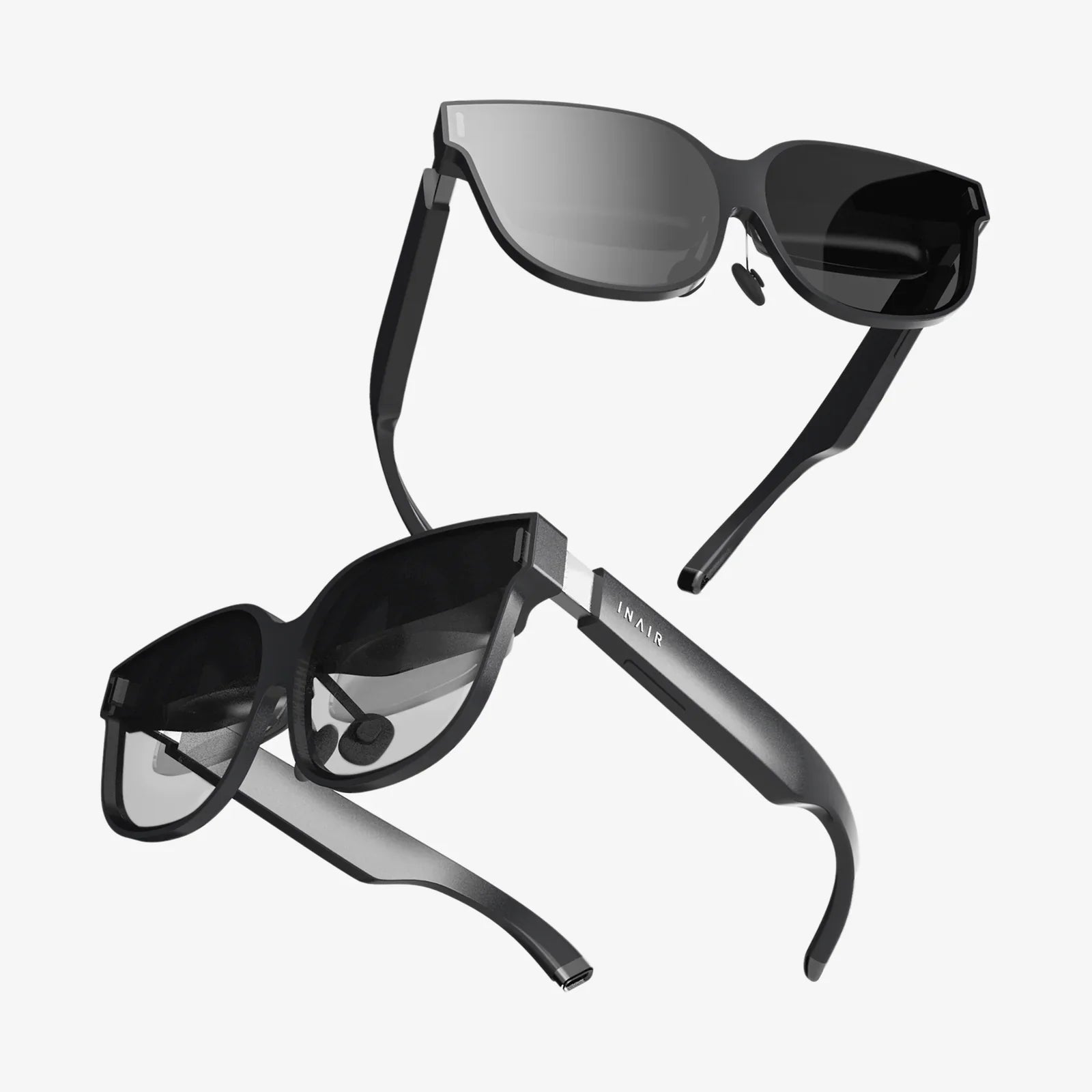
Imagine slipping on a sleek pair of iphone glasses and watching your familiar phone screen dissolve into thin air, replaced by crisp, floating windows and holographic widgets that follow you wherever you go. No more neck-craning over a tiny display, no more juggling devices; your digital world simply wraps around your real one. That is the promise driving the idea of iphone glasses, and it is closer than many people realize.
As smartphones reach the limits of what a flat slab of glass can do, the next leap is about moving information off the screen and into the space around you. iphone glasses represent a vision where augmented reality (AR) is not a party trick but a constant, natural layer over everyday life. To understand why this concept is so compelling, it helps to look at how such glasses might work, what they could actually do for you in daily life, and the trade-offs that come with wearing your screen on your face.
What iphone glasses Could Be: Beyond a Phone on Your Face
When people hear "iphone glasses," they often imagine a phone squeezed into a pair of frames. The reality would likely be more subtle and more powerful. Instead of simply mirroring your phone, iphone glasses would act as a spatial interface that uses your surroundings as the canvas for your apps and content.
At a basic level, iphone glasses would combine several key technologies:
- High-resolution microdisplays that project images into your field of view without blocking the real world.
- Advanced sensors (cameras, depth sensors, gyroscopes, accelerometers) to understand your position, head movement, and environment.
- Onboard processing to handle graphics, tracking, and basic apps locally.
- Tight integration with your phone for heavy computing, connectivity, and access to your existing apps and data.
Instead of pulling a phone out of your pocket, you would glance, gesture, or speak—and your content would appear exactly where you need it. Maps could hover at eye level on the sidewalk, messages could float beside your laptop screen, and your calendar could appear above your desk with a nod of your head.
The Core Technologies Behind iphone glasses
To understand how iphone glasses might work in practice, it is useful to break down the core technologies that would power them and how they would interact with the existing smartphone ecosystem.
Displays and Optics: Making Virtual Content Feel Real
The heart of any AR glasses is the display system. iphone glasses would likely use one of several optical approaches:
- Waveguide displays that channel light from tiny projectors into transparent lenses, overlaying images onto the real world.
- Micro-OLED or micro-LED panels for bright, high-contrast visuals that remain visible outdoors.
- Variable focus optics to reduce eye strain by adjusting the perceived depth of virtual objects.
For iphone glasses to feel natural, the virtual content must appear anchored in real space. That means text must be sharp, colors must be accurate, and the overlay must respond smoothly to head movements. Any lag or jitter would break the illusion and quickly become uncomfortable.
Sensors and Environment Mapping
iphone glasses would need to understand the world around you in real time. That requires a suite of sensors working together:
- Inward-facing sensors to track your eye movements and adjust the display accordingly.
- Outward-facing cameras to map your surroundings and detect surfaces, objects, and people.
- Motion sensors (gyroscopes, accelerometers) to track head orientation and movement.
- Depth sensors to measure distances, enabling accurate placement of virtual objects.
By combining these signals, iphone glasses could build a constantly updated 3D model of your environment. That is what allows a virtual sticky note to stay pinned to your fridge or a navigation arrow to appear precisely on the street ahead of you.
Processing and Connectivity
Even with powerful chips, cramming full smartphone performance into a pair of glasses would be challenging due to heat, size, and battery constraints. iphone glasses would likely rely on a hybrid approach:
- On-device processing for rendering simple graphics, tracking head movement, and handling latency-sensitive tasks.
- Offloaded processing to your phone for heavy computations such as complex 3D graphics, AI-powered scene understanding, and large app workloads.
- Low-latency wireless links between the glasses and your phone to keep the experience smooth and responsive.
This division of labor allows iphone glasses to stay light and comfortable while still tapping into the power of a modern smartphone chip and network connection.
Everyday Use Cases: How iphone glasses Could Change Daily Life
The promise of iphone glasses is not just about tech specs; it is about what you could actually do with them. The most compelling use cases are not futuristic fantasies but enhancements to things you already do with your phone—only faster, more natural, and less intrusive.
Navigation That Feels Like Magic
Navigation is one of the clearest early wins for iphone glasses. Instead of staring down at a map and trying to match it to the real world, directions could be painted directly onto your surroundings.
- Arrows could appear on the sidewalk ahead of you, guiding you turn by turn.
- Street names could float at the corners as you approach intersections.
- Points of interest could be highlighted with subtle icons hovering above buildings.
For drivers, cyclists, and pedestrians, this kind of heads-up navigation reduces the need to look away from the road or surroundings. It also makes unfamiliar cities feel less intimidating, as information is presented where and when you need it, not buried in a screen.
Productivity Without a Physical Screen
Imagine sitting at a small cafe table with nothing but your iphone glasses and a compact keyboard. In your view, though, you see a multi-monitor workspace:
- A large virtual display showing your main document.
- Smaller windows with email, messaging, and reference materials.
- Floating widgets for calendar, to-do list, and time tracking.
With iphone glasses, your workspace is no longer limited by the size of your laptop or phone screen. You could create as many virtual monitors as you like, arrange them around you in 3D space, and recall them instantly wherever you go.
For remote workers, students, and professionals, this could be transformative. You could carry a full office in your pocket, set it up in seconds, and pack it away just by taking off your glasses.
Communication and Social Presence
iphone glasses could also reshape how you communicate and share experiences with others. Instead of flat video calls, you might see life-sized avatars or volumetric representations of your contacts anchored in your room. While that level of realism may develop over time, even early versions could offer:
- Floating video call windows that follow your gaze rather than forcing you to hold a phone up.
- Real-time captions and translations overlaid near the speaker during conversations.
- Shared AR experiences—like viewing the same 3D model or diagram from different angles in real time.
Social interactions could become richer and less tied to a small handheld device, making it easier to stay present while still connected.
Entertainment, Gaming, and Media
Entertainment is another area where iphone glasses could shine. Instead of watching movies on a small screen, you could project a virtual cinema-sized display on your wall or ceiling. For gaming, AR opens entirely new possibilities:
- Games that blend virtual characters and objects into your living room, reacting to your furniture and layout.
- Fitness experiences that turn your daily run into an interactive challenge with visual markers and rewards in your field of view.
- Educational experiences where historical scenes, scientific visualizations, or art installations appear around you as you move through the world.
Because iphone glasses would be tightly integrated with your phone, they could tap into existing game libraries and media services while adding a new spatial dimension to them.
Shopping, Home Design, and Everyday Decisions
iphone glasses could also change how you shop and make decisions about your environment. Instead of guessing how a piece of furniture will look in your living room, you could see a true-to-scale virtual version in place before buying. Clothing and accessories could be previewed as overlays on your body, helping you decide on styles and colors.
Even small decisions, like choosing paint colors or rearranging decor, could be guided by AR overlays that let you experiment without lifting a brush or moving heavy objects. This kind of visualization lowers the risk of costly mistakes and makes creative decisions more playful.
Health, Fitness, and Wellbeing
Health and fitness features could become more immersive and intuitive with iphone glasses. Instead of checking your phone for workout stats, you could see:
- Live heart rate and pace metrics floating in your peripheral vision during a run.
- Form guidance overlays during strength training, highlighting correct posture and movement.
- Breathing and mindfulness cues appearing in a calm, ambient way during meditation.
For people managing health conditions, subtle reminders and visual prompts could assist with medication schedules, physical therapy exercises, and daily activity goals, all presented in context rather than as intrusive alerts.
User Interaction: How You Would Control iphone glasses
One of the biggest questions around iphone glasses is how you would control them. Constantly reaching for a phone would defeat the purpose, and you cannot rely on touchscreens that do not exist in mid-air. The likely answer is a blend of interaction methods that feel natural and unobtrusive.
Eye Tracking and Gaze-Based Selection
Eye tracking would allow iphone glasses to know exactly where you are looking. This opens up intuitive interactions:
- Highlighting elements as your gaze passes over them.
- Selecting items by looking at them and performing a small confirming gesture.
- Scrolling text or lists based on your gaze direction and dwell time.
Because your eyes move faster than your hands, gaze-based control can be incredibly efficient when combined with other input methods.
Hand Gestures and Subtle Motions
Hand tracking, using the glasses' cameras, could recognize simple gestures for basic controls:
- Pinching or tapping in mid-air to select or confirm.
- Swiping motions to switch between apps or screens.
- Rotating your wrist to adjust volume or brightness.
In public or professional settings, more subtle gestures—like small finger movements near your side—would be important to avoid drawing attention.
Voice Commands and Virtual Assistants
Voice control would remain a key part of the experience. With microphones built into the frame, you could:
- Launch apps and features hands-free.
- Dictate messages or notes while keeping your hands and eyes free.
- Ask contextual questions about what you are looking at, such as "What is this building?" or "Translate this sign."
The challenge is to make voice interaction feel natural without being disruptive in quiet or crowded spaces, which may involve whisper-level recognition and more context-aware responses.
Integration With Existing Devices
iphone glasses would not replace your phone overnight. Instead, they would likely function as an extension of it. You might still use your phone for tasks that require precise touch input or long-form typing, while the glasses handle quick glances, ambient information, and spatial experiences.
Seamless handoff between devices would be crucial. For example:
- Start reading an article on your phone, then continue it on a virtual screen via your glasses.
- Receive a call on your glasses, with the option to switch it to your phone or another device instantly.
- Use your phone as a trackpad or keyboard for more precise control of AR content.
Design Challenges: Comfort, Style, and Social Acceptance
Even the most advanced technology will fail if people do not want to wear it. For iphone glasses to succeed, they must look and feel like something you would choose as a fashion accessory, not just a gadget.
Comfort and Weight
Wearing a device on your face for hours at a time magnifies every design flaw. iphone glasses would have to be:
- Lightweight enough to avoid nose and ear strain.
- Well-balanced so they do not slide down or pinch.
- Ventilated to prevent heat buildup from electronics.
Battery life adds another layer of complexity. Larger batteries mean more weight, but smaller batteries mean shorter usage time. Smart power management and efficient chips are essential to strike the right balance.
Style and Customization
Glasses are deeply personal. People choose frames that reflect their identity and complement their face shape. iphone glasses would need:
- Multiple frame styles and colors to appeal to different tastes.
- Options for prescription lenses so they can replace, not stack on top of, regular glasses.
- Subtle external indicators of when cameras or sensors are active, to reassure people nearby.
If the design looks too bulky or obviously high-tech, many potential users will hesitate to wear them in public, no matter how powerful they are.
Social Norms and Etiquette
Wearing a device that can potentially record or analyze your surroundings raises social and ethical questions. iphone glasses would need to fit into evolving norms around:
- When it is acceptable to wear AR glasses, such as in meetings, classrooms, or social gatherings.
- How to signal that you are not recording or capturing data.
- What behaviors are considered respectful when interacting with people who are not wearing such devices.
Clear visual cues, transparent privacy settings, and robust on-device processing that minimizes cloud sharing could help ease concerns and build trust.
Privacy, Security, and Ethical Considerations
iphone glasses would be among the most intimate devices people own. They would see what you see, hear what you hear, and potentially track your gaze and reactions. That level of access demands strong privacy and security protections.
Data Collection and On-Device Processing
To maintain trust, iphone glasses should process as much data as possible on the device itself or on your paired phone, rather than constantly sending information to remote servers. This includes:
- Eye tracking data and gaze patterns.
- Raw camera feeds from your environment.
- Biometric signals used for authentication or health features.
When data must be transmitted, it should be encrypted and minimized. Users should have clear, granular control over what is collected, how long it is stored, and who can access it.
Protecting Bystanders
Privacy is not just about the wearer; it is also about the people around them. iphone glasses would need features that respect bystanders, such as:
- Visible indicators when recording or capturing images.
- Automatic blurring of faces or sensitive information in certain contexts.
- Strict app guidelines that limit intrusive or deceptive uses of the cameras and sensors.
These measures would help avoid the perception that anyone wearing iphone glasses is constantly surveilling their environment.
Security and Authentication
Because AR glasses could display sensitive information in public places, strong authentication is crucial. iphone glasses might use:
- Biometric methods such as facial recognition or iris scanning.
- Proximity checks with your phone or watch to confirm identity.
- Context-aware locks that hide certain content when others are nearby.
If someone else puts on your glasses, they should not automatically gain access to your accounts, messages, or personal data.
Developer Ecosystem and New Kinds of Apps
iphone glasses would not reach their full potential without a robust ecosystem of apps built specifically for AR. Developers would need tools, frameworks, and guidelines to create experiences that take advantage of 3D space while remaining comfortable and useful.
Designing for Spatial Interfaces
Traditional mobile apps are designed for flat screens. AR apps must think in terms of depth, scale, and context. This means:
- Positioning content at comfortable viewing distances and angles.
- Avoiding clutter by using layers, transparency, and contextual visibility.
- Anchoring important elements to real-world surfaces or objects.
Guidelines and best practices will be essential to help developers avoid common pitfalls such as visual overload, motion sickness, or confusing interactions.
New Categories of Experiences
iphone glasses could enable entirely new categories of apps that do not make sense on a phone alone, including:
- Spatial collaboration tools where teams manipulate shared 3D models or data visualizations in real time.
- Context-aware assistants that understand what you are looking at and offer timely help or information.
- Location-based AR layers that add persistent virtual content to specific places in the real world.
Developers who embrace these possibilities early could shape how people think about AR in the same way early mobile developers defined the smartphone era.
Barriers to Adoption and How They Might Be Overcome
Despite the excitement around iphone glasses, there are real challenges that could slow adoption. Understanding these barriers helps clarify what must be solved for AR glasses to become mainstream.
Cost and Accessibility
Advanced displays, sensors, and processors are expensive. Early versions of iphone glasses might be priced at a premium, limiting them to enthusiasts and professionals. Over time, economies of scale and component advances could lower costs, but affordability will be a key factor in widespread adoption.
Accessibility features are equally important. People with visual, hearing, or motor impairments should be able to benefit from AR, not be excluded by it. That means building robust customization options for font size, contrast, audio cues, and input methods.
Battery Life and Practical Use
Battery life will shape how people use iphone glasses day to day. If they only last a couple of hours, they may be reserved for specific tasks rather than all-day wear. Smart power management could include:
- Low-power modes that show only essential information.
- Automatic dimming or display off when you are not actively using AR content.
- Efficient communication with your phone to minimize redundant processing.
Finding the right balance between performance and longevity will determine whether iphone glasses feel like a natural extension of your routine or a device you have to constantly babysit.
Visual Comfort and Health Considerations
Extended AR use raises questions about eye strain, focus fatigue, and motion sickness. iphone glasses must prioritize visual comfort by:
- Aligning virtual content with natural focal distances.
- Limiting rapid motion and unnecessary visual effects.
- Offering customizable settings for sensitivity and display intensity.
Long-term studies and transparent communication about potential health impacts will help users make informed decisions about how and when to use AR glasses.
How iphone glasses Could Redefine the Role of the Smartphone
iphone glasses are not just another accessory; they hint at a future where the smartphone itself changes role. Instead of being the primary interface, the phone could become more of a hub—a powerful pocket computer that connects and coordinates a network of personal devices.
In that world, your main screen is no longer confined to a rectangle. It follows you, adapts to your surroundings, and reshapes itself based on what you are doing. The boundaries between digital and physical blur, not in a dystopian sense, but in practical ways that reduce friction and free you from constantly holding and staring at a device.
iphone glasses could make technology feel more like a natural extension of your perception and less like an object you have to manage. You would not be "on your phone" so much as simply aware of information when you need it and free from it when you do not.
If that vision becomes reality, the question will not be whether you need iphone glasses, but how you ever managed your digital life without a screen that lives wherever you look. As the pieces of this puzzle come together—optics, sensors, software, and design—the next wave of innovation will happen not in your pocket, but right in front of your eyes.
共有:
mr glasses style, vision, and confidence guide for modern men
android ar Experiences: Building the Future of Mobile Augmented Reality