


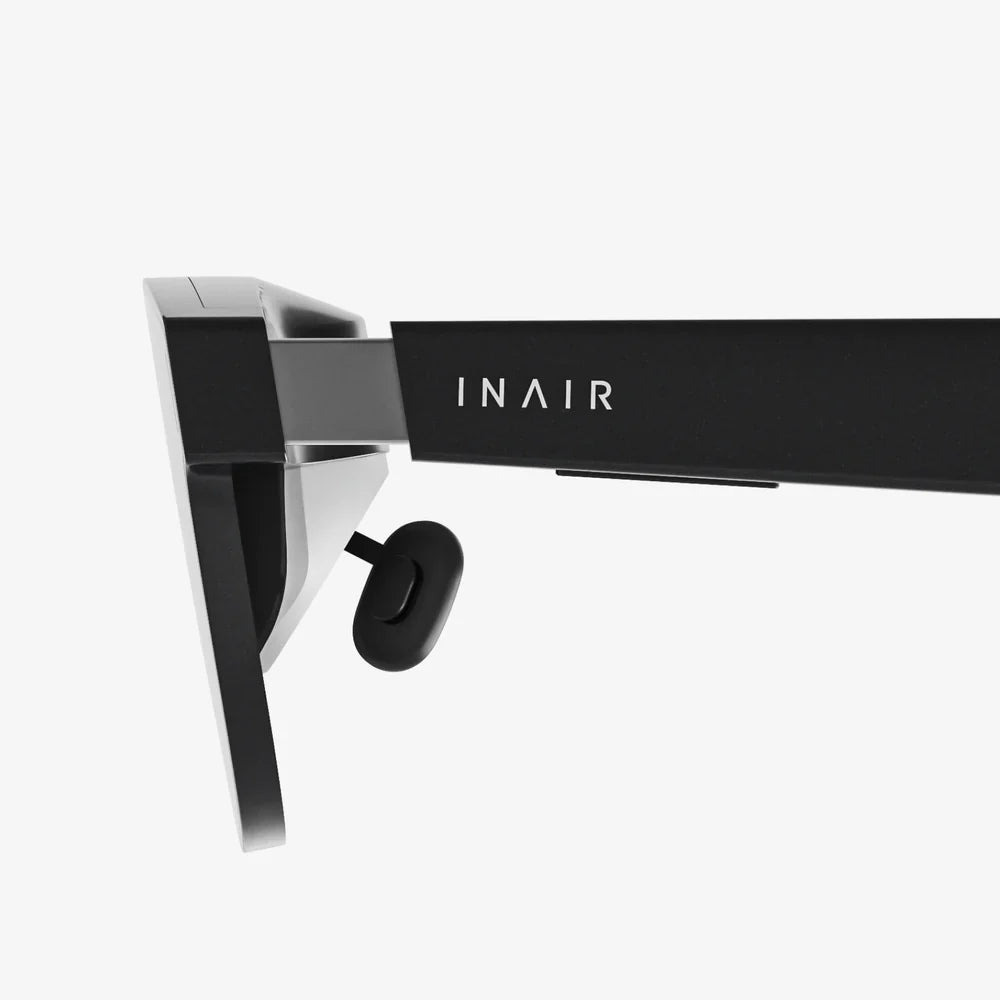
normal looking ar glasses are quietly becoming the next big thing people will talk about for years. Imagine walking down the street wearing what looks like ordinary eyewear, while you see navigation arrows on the road, real-time translations hovering over signs, and subtle notifications floating at the edge of your vision. No bulky headsets, no obvious tech gadget strapped to your face, just glasses that look like they belong in any office, classroom, or cafe. This is the promise that is driving massive investment, intense design work, and a complete rethink of how we use computers in daily life.
Why normal looking AR glasses matter more than flashy headsets
For augmented reality to truly go mainstream, devices must blend into everyday life. Headsets that scream “high-tech gadget” are fine for labs, factories, and gaming setups, but they are not something most people want to wear on a date, in a meeting, or on a casual walk. normal looking ar glasses solve this by prioritizing subtlety, comfort, and style while still delivering digital overlays in the real world.
This shift from bulky devices to familiar-looking eyewear matters for several reasons:
- Social comfort: People are more willing to wear something that looks like regular glasses than a large visor or helmet.
- Continuous use: The more natural the device feels, the longer people will keep it on during the day, which increases its usefulness.
- Fashion and identity: Eyewear is already a fashion accessory. AR features can be added without forcing users to change their personal style.
- Reduced tech anxiety: Devices that look normal feel less intimidating, especially for users who are not early adopters.
In short, the more AR glasses resemble ordinary frames, the more likely they are to become as common as smartphones.
What makes AR glasses look “normal”?
Creating normal looking ar glasses is not just a matter of shrinking components. Designers and engineers must replicate the appearance and ergonomics of regular eyewear while hiding a complete computing system inside. Several design factors determine whether AR glasses look normal or futuristic and conspicuous.
Frame thickness and proportions
Traditional glasses have thin temples and relatively lightweight frames. AR glasses, however, need to house batteries, processors, antennas, microphones, speakers, and sometimes cameras. The challenge is to:
- Keep the temples slim enough to resemble ordinary glasses.
- Distribute weight so they do not feel front-heavy or uncomfortable.
- Avoid awkward bulges or asymmetrical shapes that scream “gadget.”
Engineers use clever internal layouts and lightweight materials to keep frames close to standard eyewear dimensions while still fitting in the required hardware.
Lens design and display invisibility
For AR to work, digital images must be projected into or onto the lenses. This can be done using waveguides, micro projectors, or other optical tricks. The key for normal looking ar glasses is that these elements should be practically invisible to casual observers.
Important aspects include:
- Minimal reflections: Some early AR lenses produced visible patterns or reflections that made them look obviously electronic.
- Clear transparency: Users must see the real world clearly, with no heavy tint or distortion if the glasses are meant for everyday wear.
- Optional prescription support: Integrating AR with vision correction helps the glasses feel more like a necessity than a gadget.
The more natural the lenses appear, the easier it is for the glasses to pass as regular eyewear.
Color, styling, and customization
normal looking ar glasses must also respect fashion and personal taste. People care about how glasses frame their face, match their wardrobe, and reflect their personality. This leads to several design trends:
- Classic shapes like rectangles, rounds, and wayfarer-style frames.
- Neutral colors such as black, brown, gray, and clear frames for subtle looks.
- Multiple sizes to accommodate different face shapes and head widths.
- Optional clip-on shades or interchangeable fronts for style flexibility.
When AR glasses are available in styles that resemble popular non-smart eyewear, they become easier to accept as part of everyday outfits.
Core technologies inside normal looking AR glasses
Even though they look simple on the outside, normal looking ar glasses hide complex technology. Several key components work together to deliver AR experiences while preserving a discreet appearance.
Microdisplays and waveguides
The heart of AR is the display system. Microdisplays, often based on tiny LEDs or other projection technologies, create images that are then guided into the user’s eyes via transparent optical elements.
Waveguides are particularly important. These are thin, transparent layers embedded in or attached to the lenses. They channel light from the microdisplays and overlay it onto the user’s view of the real world. Because waveguides can be extremely thin, they help keep the glasses looking like ordinary eyewear.
Sensors and cameras
To understand the environment, AR glasses may use:
- Inertial sensors to track head movement.
- Ambient light sensors to adjust brightness.
- Optional cameras to recognize objects, spaces, or QR codes.
However, visible cameras can make people uncomfortable, especially in social situations. For truly normal looking ar glasses, designers often minimize or hide camera elements, or provide clear indicators when recording is active. Some models even avoid outward-facing cameras entirely, focusing on lightweight use cases like notifications and audio assistance.
Audio systems: open-ear and discreet
Audio is a powerful component of AR. Instead of always showing visuals, glasses can whisper directions, read messages, or deliver contextual information. To keep them normal-looking and comfortable, many designs use:
- Open-ear speakers integrated into the temples, directing sound toward the ear without covering it.
- Bone conduction transducers that transmit sound through vibrations, leaving ears open to environmental sounds.
These approaches allow users to hear digital information while still being aware of traffic, voices, and other real-world sounds.
Onboard computing and connectivity
normal looking ar glasses must balance performance with power consumption. Some units include full onboard processors, while others offload heavy tasks to a paired smartphone or cloud services. Typical capabilities include:
- Wireless connections such as Wi-Fi and Bluetooth for data and audio.
- Voice recognition for hands-free commands.
- Basic graphics processing for overlays and indicators.
As chips become more efficient, more computing power can be squeezed into smaller spaces, making AR glasses increasingly independent from other devices.
Battery life and thermal management
One of the biggest constraints on AR glasses is power. Batteries must be:
- Small enough to fit in the temples without adding too much weight.
- Large enough to power displays, sensors, wireless radios, and processors for hours.
Heat is another challenge. Nobody wants warm or hot frames pressing against their head. Engineers use efficient chips, low-power displays, and careful thermal design to keep glasses cool and comfortable, even during extended use.
Everyday use cases that benefit from normal looking AR glasses
The real magic of normal looking ar glasses appears when they integrate seamlessly into daily routines. Instead of being a special gadget used occasionally, they can become a constant companion that quietly enhances tasks throughout the day.
Navigation and travel
Imagine walking in an unfamiliar city while subtle arrows appear on the sidewalk, guiding you to your destination. Street names can float near corners, and public transit information can appear when you look at a station entrance. For drivers, cyclists, or pedestrians, AR glasses can provide:
- Turn-by-turn directions without needing to look down at a phone.
- Heads-up alerts about upcoming turns, hazards, or speed limits.
- Language translations overlaid on signs and menus.
Because the glasses look normal, travelers can use them without drawing attention or looking obviously lost.
Workplace productivity and remote collaboration
In offices, workshops, and remote job sites, normal looking ar glasses can replace or supplement laptops and monitors for certain tasks. Potential uses include:
- Hands-free checklists and instructions for technicians and field workers.
- Floating notes, task lists, or reminders during meetings.
- Remote collaboration where colleagues can see what you see and provide guidance.
Because the glasses resemble normal eyewear, they can be used in professional environments without breaking dress codes or making meetings feel awkward.
Education and training
Students and trainees can benefit from AR overlays that explain complex concepts in real time. For example:
- Interactive labels on laboratory equipment and specimens.
- Step-by-step guidance for assembling mechanical parts or performing procedures.
- Historical or scientific data appearing as learners explore museums or outdoor sites.
normal looking ar glasses make it easier to integrate these experiences into classrooms and training programs because they do not require bulky headsets or dedicated rooms.
Health, fitness, and wellness
AR glasses can support healthier habits by providing subtle, persistent feedback. Examples include:
- Real-time workout stats overlaid in the user’s field of view during runs or rides.
- Gentle posture reminders when the wearer slouches at a desk.
- Medication reminders that appear at specific times or locations.
Since they look like regular glasses, people can wear them throughout the day without feeling like they are constantly in training mode.
Entertainment, gaming, and social experiences
normal looking ar glasses create new possibilities for entertainment that blend physical and digital worlds, such as:
- Location-based games that overlay characters and items onto real streets and parks.
- Shared AR experiences where friends see the same virtual objects in the same physical space.
- Subtle enhancements to movies or live events, such as extra stats, lyrics, or translations.
Because the glasses do not look like heavy gaming headsets, users can enjoy these experiences in public without feeling out of place.
Designing for discretion and social acceptance
Even if the technology works perfectly, AR glasses will not succeed if people feel uncomfortable around them. Social acceptance is just as important as engineering. normal looking ar glasses help, but designers must also consider behavior, privacy, and etiquette.
Eye contact and human connection
One common fear is that AR glasses will make people seem distracted or absent, constantly looking at invisible screens instead of each other. To address this, designers aim to:
- Place visual overlays in peripheral vision, not directly over the eyes during conversations.
- Allow quick, intuitive ways to dismiss content when talking to someone face-to-face.
- Use audio-first designs so that many interactions do not require visual overlays at all.
When AR is subtle and respectful of human interaction, it becomes easier for others to accept it.
Notification discipline
One of the biggest problems with smartphones is notification overload. If normal looking ar glasses simply move that chaos into the user’s field of view, they will be more distracting than helpful. Thoughtful AR design emphasizes:
- Minimal, context-aware alerts that appear only when truly useful.
- Priority settings that promote focus and reduce interruptions.
- Modes such as “meeting,” “driving,” or “deep work” that automatically filter content.
By keeping notifications under control, AR glasses can enhance attention instead of fragmenting it.
Clear recording indicators and privacy cues
People around the wearer must know when cameras or microphones are actively recording. To preserve trust, normal looking ar glasses may include:
- Visible indicator lights when video capture is enabled.
- Distinct sounds or haptic feedback when recording starts and stops.
- Settings that disable recording in sensitive environments such as restrooms or secure offices.
Transparency about capabilities and status is essential for widespread acceptance.
Privacy, ethics, and data protection
normal looking ar glasses raise serious questions about privacy and ethics. Because they blend so seamlessly into everyday life, they could be misused if not carefully regulated and designed.
Environmental and bystander privacy
AR glasses that can capture audio and video in real time might record people without their knowledge. This creates concerns about:
- Unintentional surveillance in public and private spaces.
- Facial recognition or identity tracking without consent.
- Data being stored or shared without clear policies.
Responsible designs may restrict certain features, anonymize data, or require explicit user actions before capturing sensitive information. Legal frameworks will also need to evolve to define what is acceptable in different regions and contexts.
Personal data and behavioral profiling
AR glasses can collect detailed data about where users look, where they go, what they interact with, and how they respond to information. This data can be valuable for improving services but also risky if misused. Key safeguards include:
- Strong encryption for data in transit and at rest.
- User control over what is stored, shared, or deleted.
- Clear explanations of how data is used for personalization or advertising.
Without robust privacy protections, users may hesitate to adopt AR, regardless of how normal the glasses look.
Digital overload and mental well-being
Having information constantly available in your field of view can be powerful, but it also carries the risk of cognitive overload. Designers must respect mental health by:
- Encouraging downtime and offline modes.
- Avoiding manipulative attention-grabbing designs.
- Providing tools for users to manage how much information they see and when.
Healthy AR use means enhancing reality, not replacing or overwhelming it.
Will AR glasses replace smartphones?
Many people wonder whether normal looking ar glasses will eventually replace smartphones as the primary personal computing device. While it is too early to say definitively, several trends suggest that AR glasses could at least become a major companion device, and perhaps one day the main interface.
Reasons AR glasses could challenge smartphones include:
- Hands-free interaction: Voice, gaze, and gestures can replace tapping and swiping on a small screen.
- Persistent context: Glasses can be worn all day, providing continuous awareness of location, tasks, and surroundings.
- Natural integration: Information appears where it is needed, instead of being locked into a rectangular display.
However, smartphones still have advantages:
- Large, bright screens for detailed content such as videos and complex documents.
- Established app ecosystems and user habits.
- Lower cost and simpler hardware requirements.
In the near future, AR glasses are more likely to complement smartphones than replace them outright. Many designs already rely on phones for connectivity or heavy processing, using the glasses as an interface layer.
Barriers that still stand in the way
Despite the excitement, several obstacles must be overcome before normal looking ar glasses become as common as regular eyewear.
Cost and accessibility
Advanced optics, miniaturized electronics, and custom frames are expensive. Early AR glasses tend to be priced higher than most smartphones or traditional glasses. For widespread adoption, manufacturers must reduce costs through:
- Mass production and standardized components.
- Simplified designs for entry-level models.
- Integration with existing eyewear channels, such as optometrists and optical shops.
Insurance coverage for prescription AR glasses could also play a role in some regions.
Battery limitations
Users expect all-day performance from devices they wear. Many current AR glasses struggle to offer full-day battery life, especially when running bright displays and constant connectivity. Progress in battery chemistry, power management, and low-energy processors will be crucial.
Display quality and comfort
For AR to be truly comfortable, visual overlays must be sharp, stable, and easy on the eyes. Challenges include:
- Ensuring good visibility in bright sunlight and low-light environments.
- Minimizing eye strain from focusing on virtual objects at different depths.
- Supporting a wide field of view without making the glasses bulky.
As display technologies improve, normal looking ar glasses will be able to deliver richer visuals without sacrificing comfort.
Software ecosystems and killer apps
Hardware alone is not enough. AR glasses need compelling software that solves real problems or creates new experiences. This includes:
- Navigation, communication, and productivity apps optimized for heads-up use.
- Developer tools that make it easy to build AR experiences.
- Cross-platform standards so apps can run on different types of AR devices.
The turning point will come when people feel that they are missing out by not using AR glasses, just as many once felt about smartphones.
How to prepare for a world with normal looking AR glasses
Whether you are a user, a business owner, or a creator, it makes sense to think ahead about how AR will fit into your life or work.
For everyday users
If you are curious about normal looking ar glasses, you can start by:
- Exploring simpler wearable devices, such as audio-first glasses or basic heads-up displays.
- Thinking about which daily tasks could benefit from hands-free information, such as navigation, note-taking, or translation.
- Learning about privacy settings and how to control what data your devices collect.
When AR glasses become more accessible, you will already have a sense of what you want from them.
For businesses and organizations
Companies can begin preparing by:
- Identifying workflows where AR could reduce errors, speed up training, or improve safety.
- Experimenting with pilot projects in controlled environments, such as warehouses or labs.
- Developing guidelines for ethical use, privacy, and workplace etiquette around AR devices.
Organizations that adapt early will be better positioned when AR becomes a standard tool.
For developers and creators
Developers interested in AR can:
- Learn existing AR frameworks and 3D engines that support spatial computing.
- Experiment with mobile AR on smartphones as a stepping stone to glasses.
- Focus on experiences that genuinely benefit from hands-free, context-aware overlays rather than simply porting traditional apps.
Creators who understand spatial design, user comfort, and real-world context will be in high demand as AR ecosystems grow.
The next chapter of everyday computing
normal looking ar glasses represent a subtle but profound shift in how humans interact with digital information. Instead of pulling a device out of a pocket and diving into a separate digital world, people will be able to keep their eyes on their surroundings while digital content quietly supports them. The most successful AR glasses will not be the ones with the most visible features, but the ones that disappear into daily life.
As hardware shrinks, software matures, and social norms evolve, these glasses are poised to become as unremarkable and essential as regular eyewear. They will guide us through cities, help us learn new skills, connect us to colleagues and friends, and give us just-in-time information without demanding our full attention at every moment.
If you want to be ready for that future, start by paying attention to how you use screens today, and imagine which of those interactions would feel more natural if they simply appeared in front of you, hands-free, through a pair of normal looking ar glasses. The devices that once looked like science fiction are steadily moving toward the most ordinary place of all: resting on the bridge of your nose, quietly reshaping how you see and navigate the world.
共有:
3d glasses for spectacle wearers: A Complete Practical Guide for Comfortable 3D
show me virtual reality apps that will change how you see the world