


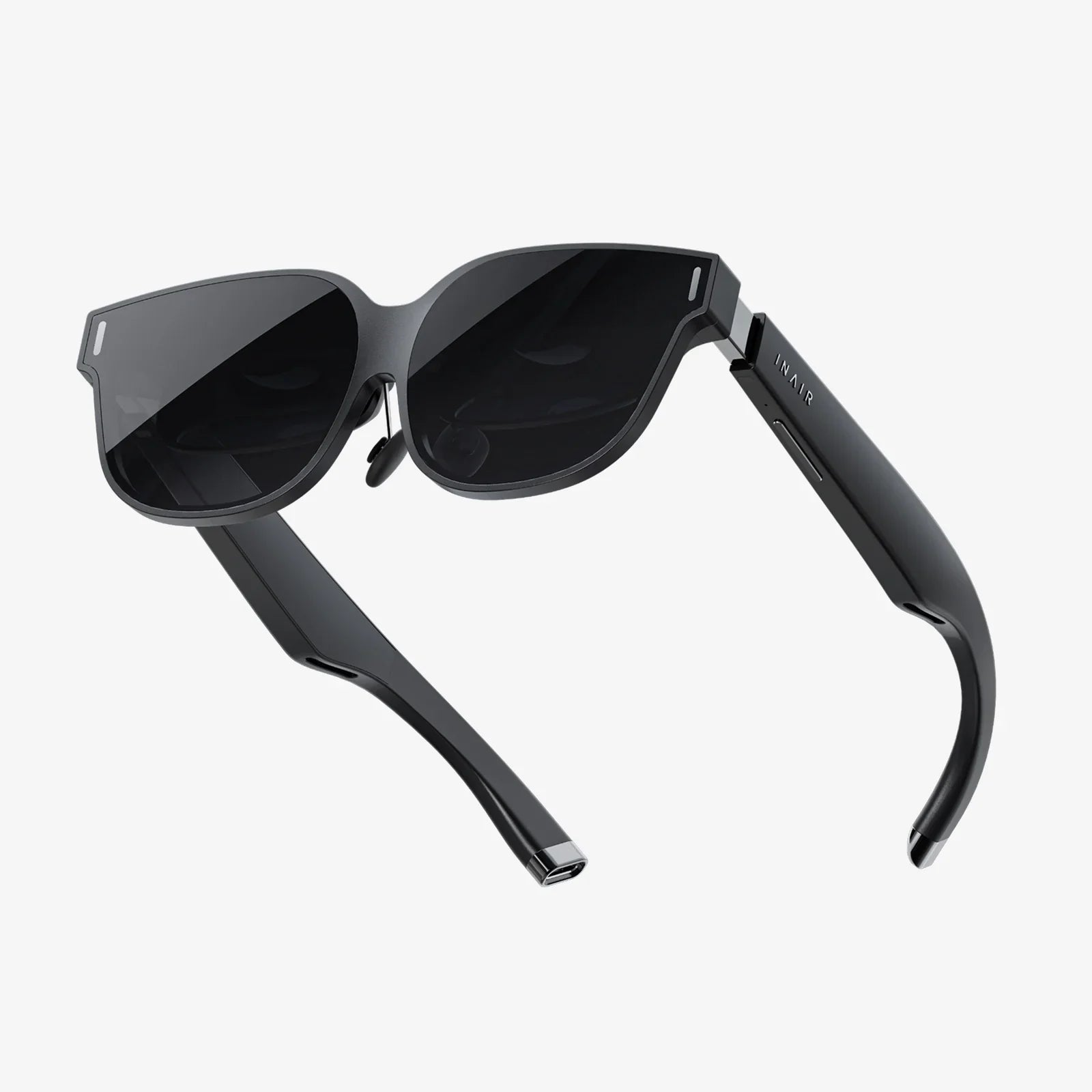
Reality-Virtuality Fusion is no longer science fiction; it is quietly rewiring how we work, play, learn, and even understand ourselves. If you have ever used a digital map to navigate a real city, tried on clothes with an online fitting tool, or joined a video meeting that felt almost physical, you have already stepped into this emerging hybrid world. What happens when the boundary between the physical and the digital becomes so thin that it feels like one continuous environment? That question is at the heart of the next technological revolution, and the choices made now will shape everything from careers and cities to relationships and identity.
To understand what is changing, it helps to break down the idea itself. Reality-Virtuality Fusion refers to the blending of physical reality with digital environments so seamlessly that users move between them without friction. This is not just about headsets or immersive games; it involves a spectrum of technologies and experiences that overlay, augment, or merge digital content with the physical world. Rather than treating reality and virtual spaces as separate realms, this fusion creates a continuum where both coexist and interact in real time.
Defining Reality-Virtuality Fusion In Clear Terms
At its core, Reality-Virtuality Fusion is about integrating digital information, simulation, and interaction into the fabric of everyday life. It builds on several existing concepts but extends beyond each of them:
- Virtual reality: Fully simulated environments that block out the physical world and replace it with a digital one.
- Augmented reality: Digital information overlaid on the physical world, usually through screens, glasses, or mobile devices.
- Mixed reality: Digital objects that appear anchored in the real world and can interact with it in convincing ways.
Reality-Virtuality Fusion is the broader phenomenon that occurs when these technologies, and others like them, become deeply integrated into daily routines, workplaces, public spaces, and social interactions. It is not just a gadget category; it is a new layer of reality that sits on top of the physical world and can be accessed almost anywhere.
Imagine walking into a building where digital signage adjusts to your preferences, remote colleagues appear as life-sized projections, and data about air quality, occupancy, or energy use floats unobtrusively in your field of view. You are still in a physical place, but digital layers are constantly enriching, interpreting, and reshaping your experience. That is Reality-Virtuality Fusion in action.
Key Technologies Driving The Fusion
This emerging fusion is powered by a convergence of technologies rather than a single breakthrough. Several pillars are especially important:
Immersive Display And Interaction Devices
Head-mounted displays, lightweight glasses, holographic projections, and spatial audio systems allow digital content to be experienced as part of the surrounding environment. Hand tracking, eye tracking, voice recognition, and gesture controls make interaction more natural, reducing the friction between intention and action.
The long-term trend is toward devices that are less intrusive and more wearable, shrinking from bulky headsets to everyday eyewear or even contact-lens-like form factors. As devices become more comfortable and socially acceptable, they can remain active for longer periods, making the fusion continuous instead of occasional.
Spatial Computing And 3D Mapping
Reality-Virtuality Fusion depends on devices understanding where they are in space. Spatial computing systems build detailed maps of rooms, buildings, and outdoor environments, tracking surfaces, depth, and movement. This allows digital objects to appear fixed in the real world, so a virtual note stays pinned to your desk, or a digital arrow hovers at the correct street corner.
Advanced mapping also enables multi-user experiences, where several people see and interact with the same digital object from different viewpoints, reinforcing the sense that the virtual and physical share one consistent reality.
Artificial Intelligence And Context Awareness
AI is the invisible glue holding Reality-Virtuality Fusion together. It interprets sensor data, recognizes objects, understands speech, and anticipates user needs. Context-aware systems can determine whether you are working, commuting, relaxing, or exercising, adjusting the digital layer accordingly.
For example, AI can suppress non-urgent notifications when it detects you are in a focused task, surface relevant information when you enter a meeting room, or translate signage and speech in real time as you travel. Without context awareness, the fusion would feel chaotic and overwhelming; with it, the experience can feel almost intuitive.
Cloud Infrastructure And Low-Latency Networks
To support shared virtual spaces and real-time interactions, massive amounts of data must travel quickly and reliably. High-speed networks, edge computing, and cloud platforms ensure that digital content loads instantly and remains synchronized across users and locations.
As networks become faster and more robust, Reality-Virtuality Fusion can extend beyond isolated hotspots into entire neighborhoods, campuses, and cities. The result is a persistent digital layer that can be accessed almost anywhere, not just in specialized rooms.
How Reality-Virtuality Fusion Is Transforming Work
The workplace is one of the first domains where the impact of Reality-Virtuality Fusion will be deeply felt. Remote work, global teams, and complex collaboration challenges make it a perfect testing ground for hybrid environments.
From Video Calls To Shared Hybrid Spaces
Conventional video meetings flatten interaction into a grid of faces. In a fused environment, team members can gather in shared virtual spaces that mimic real rooms or defy physical constraints entirely. Participants might stand around a 3D model of a product, annotate it in real time, and see each other’s gestures and gaze direction, making collaboration feel more natural.
Remote and on-site employees can share one environment: people in a physical conference room see digital overlays on the table or walls, while remote participants experience a virtual version of the same space. This reduces the divide between those in the office and those connecting from elsewhere.
New Tools For Design, Engineering, And Planning
Disciplines that rely on spatial thinking, such as architecture, engineering, and industrial design, gain powerful capabilities from Reality-Virtuality Fusion. Designers can walk through virtual prototypes at full scale, test different configurations, and spot issues that would be missed on a flat screen.
Construction teams can overlay digital blueprints on physical sites, checking whether installations match the plan. Maintenance workers can see internal components of machinery as if the outer casing were transparent, guided by digital instructions tailored to the exact equipment in front of them.
Training And Skill Development
Fused environments allow workers to practice complex tasks in safe, controlled simulations that closely mirror real conditions. A trainee can rehearse emergency procedures, high-risk operations, or delicate manual tasks repeatedly without endangering people or equipment.
Because the training environment is responsive and data-rich, it can provide precise feedback, measure performance, and adapt difficulty levels. Over time, this can shorten learning curves, reduce errors, and open up new paths for reskilling and career transitions.
Education And Learning In A Fused Reality
Learning is fundamentally about experience, context, and engagement. Reality-Virtuality Fusion expands what is possible in all three dimensions, reshaping education from early schooling to lifelong professional development.
Immersive Classrooms And Field Trips
Instead of reading about ancient civilizations, students can walk through reconstructed cities, interact with historical figures, and observe events from multiple perspectives. Science classes can bring molecular structures, planetary systems, or ecosystems into the room at scale, making abstract concepts tangible.
Virtual field trips allow learners to explore locations that would otherwise be inaccessible due to distance, cost, or risk. These experiences do not replace traditional teaching but enrich it, providing vivid context that makes knowledge more memorable.
Personalized Learning Pathways
AI-driven systems in fused environments can track individual progress, identify strengths and weaknesses, and adapt content accordingly. A student struggling with geometry might receive additional interactive visualizations, while another who excels moves on to more advanced challenges.
Because Reality-Virtuality Fusion enables richer data collection—such as how learners interact with 3D objects, where they focus attention, and how they move through tasks—educators can gain deeper insight into learning processes and tailor support more effectively.
Bridging Theory And Practice
One of the most powerful aspects of fused environments is their ability to connect theoretical knowledge with practical application. Engineering students can design components and immediately test them in simulated real-world conditions. Medical trainees can study anatomy and then perform virtual procedures that respond realistically to their actions.
This bridging reduces the gap between classroom learning and workplace demands, helping learners build confidence and competence before they encounter high-stakes situations.
Entertainment, Culture, And Social Life
Reality-Virtuality Fusion is also reshaping how people relax, socialize, and experience art and culture. Entertainment has often been a proving ground for new technologies, and this era is no exception.
Hybrid Events And Performances
Concerts, theater productions, and sports events can now be experienced in multiple layers. Attendees in physical venues might see digital effects integrated into the stage or surroundings, while remote participants join from virtual spaces that offer different vantage points, interactive elements, or personalized commentary.
Artists and creators can design performances that respond to audience movement, gestures, or choices, turning spectators into participants. The same event can feel entirely different depending on how each person chooses to engage with the fused environment.
Games That Spill Into The Real World
Location-based and augmented experiences can turn cities into playgrounds, overlaying quests, challenges, and narratives onto real streets and landmarks. Players might collaborate or compete in shared hybrid spaces, blending physical exploration with digital storytelling.
These experiences can encourage physical activity, social interaction, and tourism, while also raising questions about safety, consent, and the use of public space for commercial or narrative overlays.
New Forms Of Social Presence
Social interaction in fused environments can feel more embodied than text chat or video calls. Avatars, spatial audio, and shared 3D spaces make it easier to read body language, sense proximity, and feel a shared presence, even when participants are physically distant.
At the same time, people may choose to present themselves in ways that differ from their physical appearance, experimenting with identity and self-expression. This flexibility can be liberating but also introduces new social norms, expectations, and potential misunderstandings.
Healthcare And Wellbeing In A Fused World
Healthcare stands to benefit significantly from Reality-Virtuality Fusion, both in clinical settings and in everyday wellness practices.
Clinical Training And Surgical Planning
Surgeons can rehearse complex procedures in detailed virtual replicas of patient anatomy, reducing uncertainty and improving outcomes. Medical teams can collaborate in hybrid planning sessions, viewing 3D scans overlaid on physical models or in shared virtual spaces.
Training programs can expose practitioners to rare conditions or emergency scenarios that are difficult to encounter in traditional rotations, ensuring that more professionals are prepared for a wider range of situations.
Remote Care And Therapy
Telemedicine can evolve from simple video consultations to immersive interactions where clinicians guide patients through exercises, monitor movements, and demonstrate techniques in shared hybrid environments. Physical therapists, for example, can supervise rehabilitation routines augmented with real-time feedback and motivational elements.
Mental health support can also leverage fused environments, offering calming virtual spaces, guided sessions, or exposure therapy in controlled simulations. These tools can increase access to care, especially for people in remote or underserved areas.
Everyday Health Monitoring And Coaching
Wearable sensors and environmental devices can feed health data into the fused layer, providing subtle prompts and insights throughout the day. People might receive posture reminders, stress indicators, or activity suggestions overlaid on their surroundings in non-intrusive ways.
By embedding health guidance into daily routines instead of isolating it in apps or appointments, Reality-Virtuality Fusion can help make wellbeing a continuous, integrated practice rather than an occasional concern.
Reality-Virtuality Fusion And The Future Of Cities
As more of the built environment becomes digitally mapped and instrumented, cities themselves are becoming platforms for Reality-Virtuality Fusion. This transformation affects infrastructure, governance, and everyday urban life.
Smart Infrastructure With A Human Interface
Transportation systems, energy grids, and public services generate vast amounts of data. Fused environments can present this information in intuitive, location-based ways. Commuters might see live transit information overlaid onto stations, drivers receive real-time hazard warnings, and pedestrians access navigation tailored to mobility needs.
City workers can inspect underground utilities with digital overlays, plan maintenance more efficiently, and coordinate responses to emergencies with shared situational awareness that spans both the physical and digital layers.
Civic Engagement And Shared Spaces
Public consultations, planning processes, and community projects can become more accessible when residents can visualize proposals in place. Instead of deciphering technical drawings, people can walk through projected changes to parks, streets, or buildings, offering feedback based on lived experience.
Public art and cultural projects can also leverage the fused layer, turning plazas, facades, and parks into canvases for digital installations that evolve over time and respond to community participation.
Tourism, Commerce, And Local Economies
Visitors can experience layered histories, stories, and recommendations as they explore urban spaces. Local businesses can provide rich, context-aware information without cluttering streets with physical signage. Markets and shopping districts can blend physical browsing with digital enhancements, such as personalized guides, interactive product information, and virtual try-ons.
These capabilities can boost local economies, but they also raise questions about who controls the digital layer of public space and how it can be kept open, inclusive, and respectful of residents.
Identity, Presence, And The Psychology Of A Fused Reality
When the line between physical and digital blurs, questions about identity, presence, and mental health become more pressing. Reality-Virtuality Fusion is not just a technical shift; it is a psychological and cultural one.
Multiple Selves Across Layers
People may maintain different representations of themselves in various fused contexts: a professional persona in hybrid workspaces, a stylized avatar in social environments, and a minimal presence in public civic layers. Managing these identities can be empowering but also demanding.
The ability to alter appearance, voice, or surroundings can help individuals explore aspects of themselves that are difficult to express in physical life. However, it can also create tension between self-perception and how others know or recognize them, especially when interactions span both physical and digital layers.
Presence, Absence, And Overload
As more of life becomes mediated through fused environments, the sense of being fully present in any one place can become fragile. People might find themselves partially in a physical room and partially in a digital meeting, constantly switching attention between layers.
This can lead to cognitive overload if not managed carefully. Designing systems that respect human attention, allow for clear boundaries, and support mindful disconnection will be essential to preserving mental wellbeing in a fused world.
New Forms Of Connection And Isolation
Reality-Virtuality Fusion can reduce loneliness by enabling richer remote interactions and helping people with mobility or health challenges participate more fully in social life. At the same time, it can make it easier to retreat into highly curated digital environments that filter out discomfort, disagreement, or difference.
The balance between connection and isolation will depend on social norms, personal choices, and the values embedded in platform design. Encouraging diversity of experience and supporting healthy digital habits will be critical.
Ethical, Legal, And Economic Challenges
As with any transformative technology, Reality-Virtuality Fusion brings risks and dilemmas that cannot be ignored. Addressing them early and thoughtfully will determine whether the fusion benefits many or primarily serves narrow interests.
Privacy And Surveillance In Hybrid Spaces
Fused environments rely on continuous sensing: cameras, microphones, location tracking, biometric data, and behavior analysis. This creates unprecedented opportunities for surveillance if safeguards are weak. Sensitive information about movements, relationships, health, and preferences could be inferred from everyday interactions.
Robust privacy protections, transparent data practices, and meaningful user control over what is collected and how it is used are essential. Public spaces require special attention, as people may be exposed to sensing systems without explicit consent.
Ownership And Control Of Digital Layers
Questions of ownership become complex when digital objects and experiences are anchored in physical locations. Who controls the digital layer over a city street, a historic monument, or a private storefront? How can conflicts between different overlays and uses be resolved fairly?
Legal frameworks and governance models will need to evolve to address these issues, balancing innovation with public interest, property rights, and cultural preservation.
Economic Shifts And Inequality
Reality-Virtuality Fusion will create new industries, jobs, and business models, from spatial designers and experience architects to data custodians and hybrid event producers. At the same time, some existing roles may be automated or transformed, requiring large-scale reskilling efforts.
Access to fused environments may initially be uneven, with wealthier individuals and regions benefiting first. If left unchecked, this could deepen existing inequalities, creating a divide between those who can fully participate in hybrid economies and those who cannot. Policies, educational initiatives, and public infrastructure will play a crucial role in ensuring more equitable access.
Design Principles For A Human-Centered Fusion
To make Reality-Virtuality Fusion genuinely beneficial, designers, technologists, policymakers, and communities must adopt principles that prioritize human needs and values over novelty or short-term gains.
- Respect for attention: Systems should minimize unnecessary interruptions and support focused, meaningful engagement rather than constant stimulation.
- Transparency and agency: Users should understand how fused environments operate and have clear control over data, settings, and participation.
- Inclusivity and accessibility: Experiences must be designed for diverse abilities, cultures, and socioeconomic contexts, avoiding exclusion by default.
- Safety and trust: Physical safety, psychological wellbeing, and security must be foundational, not optional add-ons.
- Interoperability and openness: Shared standards and open ecosystems can prevent fragmentation and monopolistic control of digital layers.
These principles are not merely ethical ideals; they are practical requirements for sustainable adoption. Systems that ignore them may face backlash, regulation, or simple abandonment as users seek environments that align better with their values.
How Individuals And Organizations Can Prepare
Reality-Virtuality Fusion is still emerging, but the trajectory is clear enough that proactive preparation is possible. Both individuals and organizations can take steps now to navigate the transition thoughtfully.
For Individuals
- Develop digital literacy: Learn how fused environments work, including their benefits, risks, and underlying technologies.
- Cultivate adaptable skills: Focus on creativity, critical thinking, collaboration, and emotional intelligence—capabilities that complement rather than compete with automation.
- Set personal boundaries: Decide how and when you want to engage with hybrid spaces, and be willing to disconnect when needed.
- Explore responsibly: Experiment with new experiences while paying attention to their impact on your time, relationships, and wellbeing.
For Organizations
- Start with clear goals: Adopt fused technologies to solve real problems or create genuine value, not just for novelty.
- Invest in training: Support employees as they learn to work effectively in hybrid environments, including guidance on etiquette and wellbeing.
- Engage stakeholders: Involve staff, customers, and community members in designing and evaluating fused experiences.
- Establish ethical guidelines: Address privacy, data use, inclusion, and accessibility from the outset.
By treating Reality-Virtuality Fusion as a strategic and cultural shift rather than a gadget trend, organizations can position themselves to benefit while minimizing unintended harm.
The Next Decade Of Reality-Virtuality Fusion
Over the coming decade, Reality-Virtuality Fusion is likely to move from early adopters to mainstream life. Devices will become more comfortable and affordable, networks more capable, and applications more polished. Children growing up in this period may see the seamless blending of physical and digital as normal, much as previous generations came to take smartphones or the internet for granted.
Yet the most important changes will not be technical. They will be social, cultural, and personal: new ways of relating to place and time, new forms of creativity and collaboration, and new tensions between convenience and control. The fusion can amplify human potential, but it can also magnify existing problems if deployed without reflection.
Reality-Virtuality Fusion invites everyone to participate in shaping what comes next. Whether you are excited, skeptical, or uncertain, your choices—as a user, citizen, professional, or creator—will influence how this hybrid world takes form. The question is not whether reality and virtuality will continue to merge, but how intentionally and responsibly we will guide that process. Those who start engaging with these questions now will be better prepared not only to adapt, but to help design a future where the fusion of worlds enriches life rather than fragmenting it.
共有:
Glass Computer Table Ideas To Transform Your Modern Workspace
xr headset Trends Reshaping How We Work, Play, and Learn